Crafting Your Willingness to Learn Cover Letter
A willingness to learn is a highly sought-after trait in today’s dynamic job market. Employers are increasingly looking for candidates who are adaptable, eager to grow, and can quickly acquire new skills. Highlighting your willingness to learn in your cover letter can significantly increase your chances of landing an interview. This article provides top tips on how to craft a compelling cover letter that showcases your eagerness to learn and your potential for growth within a company. We’ll delve into the specific strategies and examples that will help you stand out from the competition and demonstrate that you are the ideal candidate for the role. Writing a strong cover letter requires not only showcasing your skills but also demonstrating your proactive nature and your enthusiasm for continuous development and improvement.
Highlighting Your Enthusiasm
The first and most crucial step is to inject genuine enthusiasm into your cover letter. Your passion for the role and the company should be palpable. Avoid generic statements and instead, express your excitement for the opportunity to learn and contribute. Use phrases that reflect your eagerness, such as “I am excited about the prospect of learning new technologies” or “I am particularly drawn to [Company Name]’s commitment to [specific company value], and I am eager to contribute to this area.” Be specific about what aspects of the role or company excite you and explain why you are motivated to learn and grow within that environment. By showing your enthusiasm, you immediately capture the reader’s attention and demonstrate your commitment.
Quantifying Your Learning Experiences
Instead of simply stating your willingness to learn, quantify your learning experiences. Provide concrete examples of how you’ve acquired new skills in the past. For example, “In my previous role, I quickly learned Python by enrolling in an online course and completed four projects within three months, demonstrating my ability to learn new technologies independently.” Mention specific courses, certifications, or projects you’ve undertaken to expand your skill set. Use numbers and metrics to illustrate your progress and achievements. This approach makes your claims more credible and demonstrates your proactive nature. Quantifiable results provide tangible evidence that backs up your statements and emphasizes your capacity for rapid development and adaptability.
Researching the Company
Demonstrate that you’ve done your homework by researching the company and tailoring your cover letter accordingly. Mention specific projects, initiatives, or values that resonate with you and explain how you can contribute to them. This shows that you are genuinely interested in the company and understand its goals. Researching the company helps you align your learning goals with the company’s needs. Highlighting how your learning aligns with the company’s mission indicates a forward-thinking approach and demonstrates your interest in long-term growth. Mentioning how your learning aligns with the company demonstrates your commitment and initiative.
Structuring Your Cover Letter
Opening Paragraphs

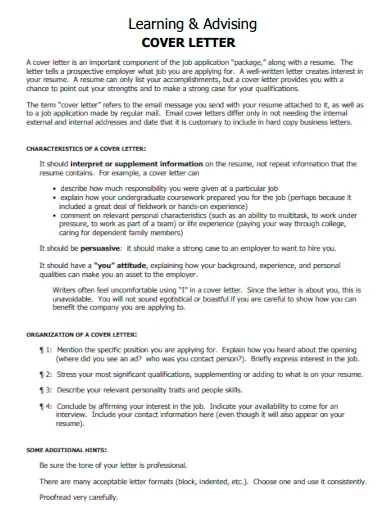
Your opening paragraph is your opportunity to grab the reader’s attention. Start by stating the position you’re applying for and how you learned about it. Immediately express your enthusiasm and mention something specific that attracted you to the role or the company. Keep it concise and focused. Make sure your opening sentence immediately reflects your knowledge of the company and the position you are applying for. The opening should also preview your key skills and your desire to learn and grow within the company. This initial impression sets the tone for the rest of your cover letter and encourages the reader to continue.
Body Paragraphs
The body paragraphs should provide detailed examples of your skills, experiences, and your willingness to learn. Use the STAR method (Situation, Task, Action, Result) to describe situations where you’ve learned new skills or overcome challenges. Highlight projects where you took the initiative to learn new technologies or methodologies. Focus on what you learned and how you applied it. Clearly explain your role in each situation and highlight the outcomes. Using the STAR method ensures your examples are structured and easy to understand. By organizing your thoughts effectively, you can demonstrate your ability to approach challenges and adapt quickly to new situations. It is important to tailor your examples to the job description.
Closing Paragraph
Your closing paragraph should reiterate your interest in the position and thank the reader for their time. Briefly summarize your key strengths and reiterate your eagerness to learn and contribute. Include a call to action, such as inviting the reader to contact you for an interview. End with a professional closing. A well-crafted closing leaves a lasting positive impression, reinforcing your commitment to the company. Keep the closing brief, professional, and enthusiastic. It is important to reinforce your enthusiasm and reiterate your main points to make sure the hiring manager remembers you and your ability to learn.
Showcasing Relevant Skills

Mentioning Specific Skills
Identify the specific skills required for the job and highlight your proficiency in those areas. If you are lacking a required skill, mention your eagerness to learn it and how you plan to acquire it. For example, “While I have experience with [related skill], I am eager to learn [required skill] and am prepared to take the necessary courses or training to become proficient.” Tailor your skill set to the job description. This shows your proactive approach to learning and your dedication to the role. By mentioning specific skills, you directly address the employer’s needs and show that you are a good fit for the position, even if you don’t have all the experience.
Connecting Skills to the Job
Clearly explain how your skills and experiences align with the job requirements. Provide examples of how you’ve used your skills to achieve positive results in previous roles. Focus on transferable skills. Demonstrating how you have used your skills in the past offers the hiring manager concrete evidence of your capabilities. When highlighting your skills, explain how you can apply them to the responsibilities of the new role. By demonstrating your skills and providing relevant examples, you convince the employer that you are capable of performing the job effectively. The connection between your skills and the job requirements should be explicit and well-defined.
Demonstrating Proactive Learning

Detailing Your Learning Methods
Describe the methods you use to learn new information and skills. Mention any online courses, workshops, or certifications you’ve completed. Include details of how you stay up-to-date with industry trends. Include information on industry publications and how you keep current. By detailing your learning methods, you show that you’re not just willing to learn but that you are actively seeking ways to improve and expand your knowledge base. Highlighting your methods demonstrates a commitment to continuous learning and the ability to adapt. Showing your eagerness to learn in different ways shows that you are flexible.
Including Professional Development
Showcase your commitment to professional development by mentioning any training programs, workshops, or conferences you’ve attended. Highlight any certifications you’ve earned and how they have enhanced your skills. This demonstrates your proactive approach to career advancement. Providing details about these efforts shows that you invest in your own development. Mentioning professional development opportunities shows the hiring manager that you are dedicated to improving yourself and investing in the long term. It indicates that you are constantly seeking opportunities for growth.
Emphasizing Adaptability

Illustrating Your Flexibility
Provide examples of how you have adapted to new situations or changes in your previous roles. Discuss instances where you had to quickly learn new technologies, processes, or responsibilities. Show your ability to remain flexible and open-minded. Showing your adaptability to new situations emphasizes your resilience and your ability to adjust. Flexibility is a critical skill in today’s work environment, where companies are always changing. Your ability to embrace new situations and learn new skills quickly demonstrates your value.
Providing Concrete Examples
Use concrete examples to illustrate your adaptability and flexibility. For instance, describe a project where you had to quickly learn a new software tool to meet a deadline. Explain how you approached the challenge, the steps you took to learn the software, and the results you achieved. These specific examples will help the employer better understand your willingness to learn and adapt. Use the STAR method or similar approaches to provide a structured and clear explanation of your actions. These examples are essential to support your claims and provide tangible evidence of your capacity for growth and change. Remember, the more specific and detailed your examples are, the more convincing your cover letter will be.