Why Teacher Assistant Cover Letters Matter
A well-crafted cover letter is your first opportunity to make a strong impression on a potential employer. For teacher assistants, this is especially crucial. The cover letter serves as a personal introduction, allowing you to showcase your personality, passion for education, and relevant skills beyond what’s listed on your resume. It demonstrates your communication skills and provides context to your experience, helping you stand out from other applicants. A compelling cover letter can significantly increase your chances of securing an interview and ultimately, landing your dream job as a teacher assistant. It’s your chance to explain why you’re the perfect fit for the specific school or district you’re applying to and how you can contribute to their educational environment. A strong cover letter is not just a formality; it’s a strategic tool in your job search.
Understanding the Role of a Teacher Assistant
Before crafting your cover letter, understanding the responsibilities of a teacher assistant is paramount. Teacher assistants support educators in various tasks, including preparing lesson materials, supervising students, providing individualized attention, and managing classroom activities. They may also assist with administrative duties, such as grading papers and communicating with parents. The specific duties can vary depending on the age group and the school’s needs, ranging from early childhood education, elementary, special education and high school levels. This is why it’s so important to tailor your cover letter. A strong applicant will highlight their ability to work collaboratively, their patience, their understanding of child development, and their commitment to creating a positive and engaging learning environment. This understanding should be reflected in the cover letter by emphasizing the skills and experiences that align with these responsibilities.
Key Components of a Strong Cover Letter

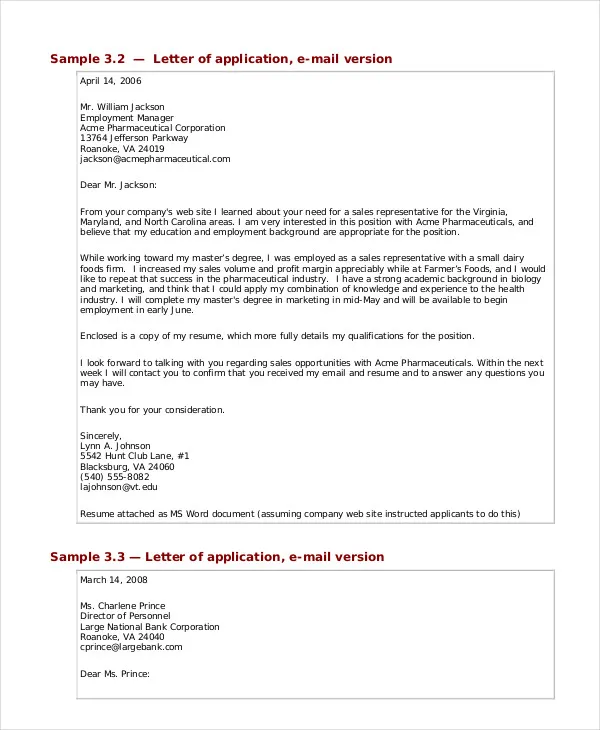
A successful teacher assistant cover letter comprises several critical elements. First, the header should include your contact information, the date, and the recipient’s information. Next, a compelling opening paragraph should grab the reader’s attention, clearly stating the position you’re applying for and expressing your enthusiasm. The body should then showcase your relevant experience, skills, and achievements, providing specific examples to support your claims. This is where you connect your qualifications to the job description. In the closing paragraph, reiterate your interest, express your availability for an interview, and thank the hiring manager for their time and consideration. Throughout the letter, maintain a professional tone, use proper grammar and spelling, and tailor the content to the specific school or district. This structure provides a clear and concise overview of your qualifications, making it easier for the hiring manager to assess your suitability for the position.
Header Information
The header is the very first thing a hiring manager will see. It should include your full name, address, phone number, and email address. Place this information at the top left or center of the page. Beneath your information, include the date you are writing the letter. Then, on the left side, include the hiring manager’s name (if known), their title, the school’s name, and the school’s address. If you do not know the hiring manager’s name, research the school’s website or call the school to find out. This attention to detail demonstrates your professionalism and shows you’ve taken the time to personalize your application. Correct formatting in the header gives the impression you pay attention to detail and will provide that same attention to detail to the students you may be working with.
Greeting the Hiring Manager
The greeting sets the tone for your entire letter. Always start with a professional greeting, such as “Dear Mr./Ms./Mx. [Last Name],” if you know the hiring manager’s name. Avoid generic greetings like “To Whom It May Concern.” Using the correct name shows that you have taken the time to research who will be reading your application. If you are unable to find the name, use a more general, yet still professional greeting, such as “Dear Hiring Manager.” Keep the tone formal and respectful. Your greeting should immediately establish a professional rapport and respect for the hiring manager. This is often overlooked, but using the correct name and title is one of the easiest ways to demonstrate your professionalism and attention to detail.
Opening Paragraph Hook

The opening paragraph is your opportunity to grab the reader’s attention. Start by clearly stating the position you’re applying for and how you learned about the opportunity. Briefly express your enthusiasm and highlight one or two key qualifications that make you a strong candidate. Consider mentioning something specific that caught your attention about the school or district, showing that you’ve done your research. Avoid generic phrases like “I am writing to express my interest.” Instead, be direct and concise, immediately conveying your suitability for the role. The goal is to pique the hiring manager’s interest and make them want to read more. An engaging opening paragraph sets the stage for a positive impression and encourages the reader to continue reading.
Highlighting Relevant Experience
In the body of your cover letter, provide specific examples of your relevant experience. Focus on experiences that align with the job description and the needs of the school. This could include previous experience working with children, volunteering in a school setting, or relevant coursework. Instead of simply listing your duties, describe your accomplishments and how you positively impacted your previous roles. Quantify your achievements whenever possible—for example, “Assisted in managing a classroom of 25 students, resulting in a 15% improvement in student engagement.” This approach provides concrete evidence of your skills and capabilities, making your application more persuasive. Use action verbs to describe your experiences, and tailor your examples to the specific requirements of the position you’re applying for.
Showcasing Skills and Qualifications
Clearly demonstrate your skills and qualifications. Highlight both your hard skills (e.g., computer proficiency, knowledge of curriculum) and your soft skills (e.g., communication, patience, teamwork). Refer back to the job description and identify the key skills the employer is looking for, then provide examples of how you have demonstrated those skills in the past. You might mention experience with classroom management techniques, creating lesson materials, or working with students with special needs. Don’t just list your skills; provide evidence of how you’ve utilized them to achieve positive outcomes. This could involve detailing your experience with specific software, describing your ability to resolve conflicts, or giving examples of your adaptability in different classroom settings. When listing your skills, include examples of how you have utilized them to achieve positive outcomes.
Mentioning Specific Achievements

Don’t just list your responsibilities; showcase your achievements. Think about specific instances where you went above and beyond. Did you develop a new lesson plan that improved student comprehension? Did you create a more organized classroom environment? Did you receive any awards or recognition for your work? Quantify your achievements whenever possible. For instance, “Implemented a new reading program that improved student reading scores by 20%.” Including specific achievements provides tangible evidence of your capabilities and differentiates you from other candidates. These achievements provide concrete examples of your ability to perform well and make a positive impact, making your application much more memorable. Always focus on accomplishments and how you made a difference.
Expressing Enthusiasm and Passion
Show your enthusiasm for the position and your passion for education. This is more than just a job; it’s a calling. Share why you are excited about working at that particular school or district. Demonstrate your understanding of their mission, values, and any unique aspects of their educational approach. This could include mentioning a specific program or initiative that resonates with you. Your enthusiasm should be genuine and should reflect your commitment to supporting students and educators. Expressing your passion is important, but make sure it is in line with the job. This will showcase your dedication and willingness to go the extra mile. Your enthusiasm helps the hiring manager see that you are motivated and invested in the role.
Closing the Cover Letter
Your closing paragraph should reiterate your interest in the position and your appreciation for the opportunity. Briefly summarize why you’re a good fit and express your availability for an interview. Include a call to action by stating that you look forward to hearing from them soon. Thank the hiring manager for their time and consideration. Keep it concise and professional. This is your final chance to leave a positive impression, so ensure your closing paragraph is polished and reflects your enthusiasm and professionalism. Be sure to end by thanking them for their time, and make it easy for them to contact you, and let them know you are eager to learn more.
Thank You and Call to Action

End your cover letter with a clear call to action. Thank the hiring manager for their time and consideration. Indicate that you look forward to the opportunity to discuss your qualifications further in an interview. Provide your contact information again, making it easy for them to reach you. For example, you might write, “Thank you for your time and consideration. I am eager to learn more about this opportunity and discuss how my skills and experiences can benefit your students. I can be reached at [Phone Number] or [Email Address]. I look forward to hearing from you soon.” This proactive approach ensures that the hiring manager knows you are serious about the position and encourages them to take the next step.
Top 5 Teacher Assistant Cover Letter Samples
Here are five examples of effective cover letter samples, tailored to different scenarios. Each sample highlights the key components discussed above, demonstrating how to tailor your letter to specific situations and roles. These examples will provide you with a solid foundation and inspiration for your own application, allowing you to create a compelling cover letter that effectively showcases your qualifications and enthusiasm for the position. You should use these as a guide to develop your own cover letter, tailoring the examples to fit your specific experience and the job description.
Sample 1 Early Childhood Teacher Assistant
This sample focuses on the skills and experience relevant to early childhood education, such as creating a nurturing environment, supporting young children’s development, and implementing age-appropriate activities. Highlight any relevant coursework or certifications, such as a CDA (Child Development Associate) credential, or any specific experience you have with very young children. If you’re targeting an early childhood position, it is important to highlight your ability to create a warm, supportive, and safe environment, and also your capacity to help foster children’s social, emotional, physical, and intellectual growth. Highlight your specific experience, especially if you have experience with lesson planning or creating engaging activities. Use this sample as a starting point and customize it to reflect your own unique strengths and qualifications in the field of early childhood education.
Sample 2 Elementary School Teacher Assistant

This sample is tailored for elementary school settings, emphasizing the ability to assist with classroom management, support student learning, and communicate effectively with parents. Include any experience working with elementary-aged children, experience tutoring or mentoring, and any knowledge of elementary school curriculum standards. Highlight your proficiency in basic subjects such as reading, writing, and math. Include specific examples of how you’ve supported student learning and the positive outcomes you’ve achieved. If you have experience working with a particular elementary school curriculum or technology, be sure to mention it. Tailor this sample to specifically highlight your relevant skills and experience to create a strong impression with potential employers.
Sample 3 Special Education Teacher Assistant
This sample should focus on supporting students with special needs, including assisting with individualized education programs (IEPs), implementing accommodations, and providing one-on-one support. Highlight your experience working with students with disabilities, your knowledge of special education methodologies, and your ability to adapt teaching strategies to meet individual student needs. Mention any relevant certifications or training, such as experience with behavioral management techniques. Showcase your empathy, patience, and ability to create a positive and supportive learning environment for students with diverse needs. Your cover letter should highlight your commitment to supporting students with special needs, your understanding of their individual needs, and your ability to create an inclusive and supportive learning environment.
Sample 4 High School Teacher Assistant
This sample addresses the responsibilities of supporting high school students. Mention your skills in the subject areas you have experience in, classroom management skills, and any experience with technology and administrative tasks. Highlight any ability to work with a diverse group of teenagers. Your letter should demonstrate your understanding of the unique challenges and opportunities of working with high school students. If you have experience helping with extracurricular activities, such as tutoring, club involvement, or sports, be sure to mention those as well. The sample should focus on the skills and experiences relevant to supporting high school students, while demonstrating your knowledge of specific subjects and familiarity with administrative tasks.
Sample 5 Substitute Teacher Assistant

This sample focuses on the versatility and adaptability required for substitute teaching. Highlight your ability to quickly learn and implement lesson plans, manage classroom behavior, and build rapport with students. Focus on your experience in the classroom and your ability to adapt to different situations. Your ability to adjust to different schools, curricula, and age groups is important. You will want to mention your strong communication skills and any specific strategies you have for engaging students. When writing your letter, be sure to highlight your flexibility and ability to take on any assignment. Focus on your ability to create a positive classroom environment and help students stay on track.
Common Mistakes to Avoid
Avoiding common mistakes can significantly improve the effectiveness of your cover letter. It’s important to take your time to proofread your work, as errors can cost you a job. Several errors are commonly made, and here are some of the ones to avoid. By steering clear of these pitfalls, you can ensure that your cover letter is professional, compelling, and effective in showcasing your qualifications.
Using Generic Language
Avoid using generic, cookie-cutter phrases that could apply to any job. Instead, tailor your letter to the specific school and position, showcasing your unique qualifications and experiences. Using generic language makes it seem like you haven’t taken the time to understand the role or the school’s needs. Use specific examples and details to make your letter stand out and demonstrate your genuine interest in the position. Show that you’ve done your homework and understand the school’s mission and values, and personalize your application.
Focusing Solely on Duties

Don’t simply list your previous job duties; demonstrate how you excelled in those roles. Provide specific examples of your achievements and the positive impact you made. Focus on results rather than just responsibilities, and quantify your accomplishments whenever possible. By showcasing your achievements, you’ll demonstrate that you’re a proactive, results-oriented individual. Hiring managers want to see what you have accomplished, and the impact you have made.
Neglecting Proofreading
Proofread your cover letter meticulously. Typos, grammatical errors, and spelling mistakes can undermine your credibility and create a negative impression. Always check your cover letter multiple times, and consider having a friend or family member review it as well. Errors can easily be made, so take your time and check it carefully. A polished, error-free cover letter demonstrates your professionalism and attention to detail, increasing your chances of success. You can also use online tools to catch any potential errors you might have missed.
Tailoring Your Cover Letter
Tailoring your cover letter to each specific job application is essential. This involves researching the school or district, matching your skills to the job requirements, and customizing your content accordingly. Taking the time to tailor your cover letter demonstrates your genuine interest in the position and increases your chances of making a positive impression.
Researching the School or District
Before you start writing, thoroughly research the school or district. Visit their website, read their mission statement, and learn about their programs, values, and recent achievements. This information will help you tailor your cover letter to their specific needs and demonstrate your genuine interest. Mentioning specific initiatives or values can show your understanding of the school’s culture. The information you gather helps you connect your experiences with the school’s priorities.
Matching Skills to Job Requirements
Carefully review the job description and identify the key skills and qualifications the employer is seeking. In your cover letter, directly address those requirements by providing specific examples of how you’ve demonstrated those skills in the past. This will make it easy for the hiring manager to see you are a good fit for the role. Prioritize the most relevant skills and highlight the accomplishments that best align with the job description. Your cover letter should be a direct response to the needs of the employer.
Following Up After Submission
Following up after submitting your cover letter is a good practice to show your continued interest. However, it is important to do this at the right time and in the right way to ensure that you do not annoy the hiring manager. Following up can reinforce your interest and may remind the hiring manager of your application. Here’s how to do it effectively.
How to Follow Up
If you haven’t heard back within a reasonable timeframe (usually 1-2 weeks), a brief follow-up email can be beneficial. Keep the email concise and professional, restating your interest and referencing the position you applied for. Reiterate your qualifications and express your enthusiasm for the opportunity. Attach your resume again to the email, and make it easy for the hiring manager to reach you. The follow-up should be polite and show you’re eager for the position.
When to Follow Up
The timing of your follow-up is important. Wait at least a week or two after submitting your application before reaching out. Avoid following up too early or too frequently, as this can be perceived as pushy. If the job posting specifies a timeline for applications or interviews, adhere to that schedule. If not, waiting a week or two allows the hiring manager time to review applications. Be patient, but don’t be afraid to follow up. If you haven’t heard back within 2-3 weeks, it’s appropriate to send a follow-up email or make a phone call.
Final Thoughts on Cover Letters
A well-crafted cover letter is a critical component of any job application, particularly for teacher assistants. By following these guidelines, tailoring your letter to each position, and avoiding common mistakes, you can create a compelling cover letter that showcases your qualifications and enthusiasm. Remember to highlight your relevant experience, skills, and achievements while demonstrating your passion for education. Always proofread, tailor your letter, and show that you have an interest in the school. Use the provided samples as a starting point and customize them to reflect your own unique strengths and experiences. The goal is to create a document that is professional, persuasive, and memorable. By taking the time to create a strong cover letter, you will increase your chances of securing an interview and ultimately landing your dream job as a teacher assistant. Remember, this is your opportunity to stand out from the crowd and present yourself as the ideal candidate.