The Power of a Susan Ireland Cover Letter
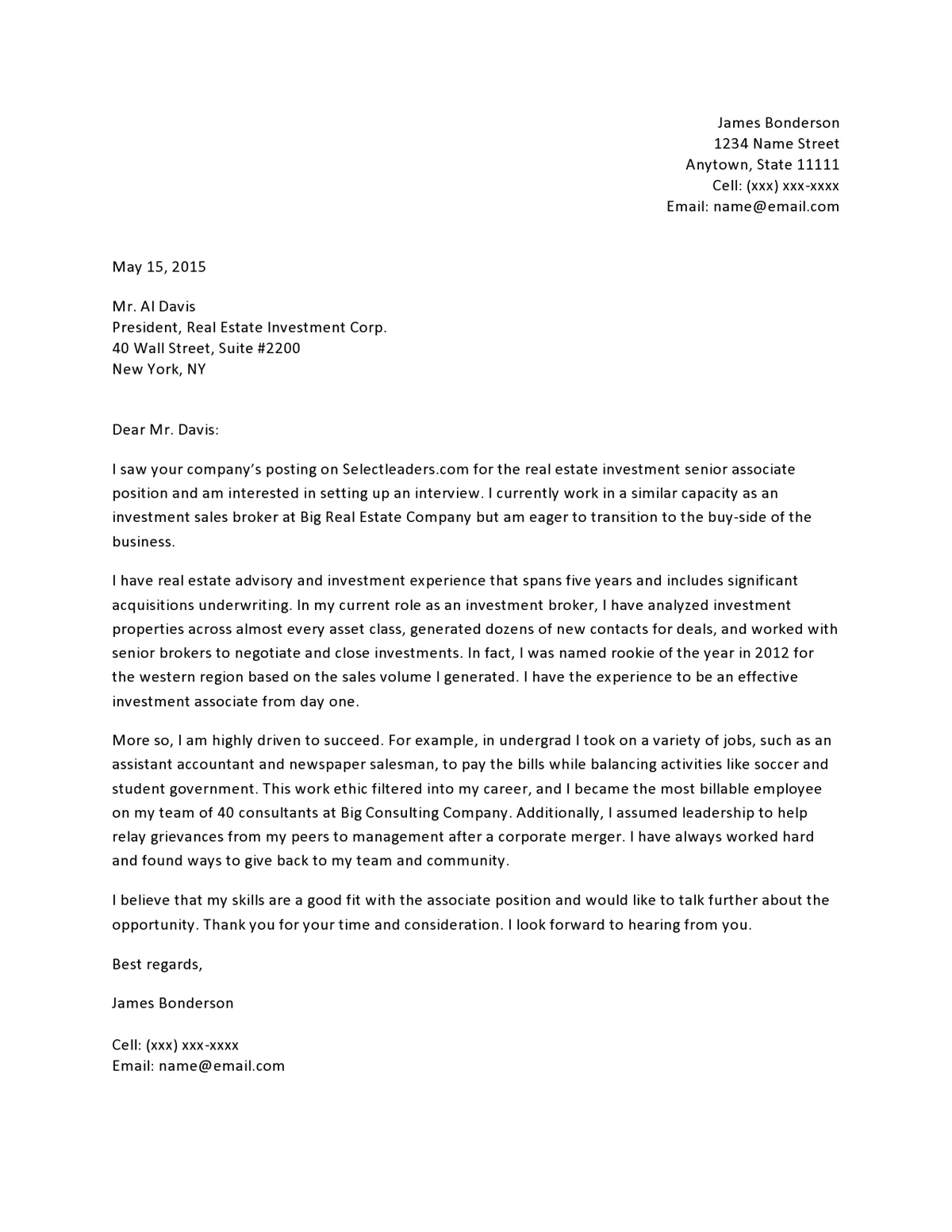
A well-crafted cover letter is your first impression, your handshake, and your elevator pitch all rolled into one. It’s your chance to grab the attention of a hiring manager and convince them that you’re the perfect candidate for the job. A Susan Ireland cover letter follows a specific, proven format designed to highlight your skills and experience in a clear, concise, and compelling manner. It goes beyond simply restating your resume; it tells a story, showcases your personality, and demonstrates your genuine interest in the opportunity. This approach significantly increases your chances of landing an interview. Mastering this style is not merely about following a template, it’s about understanding the core principles of effective communication in the professional world.
Why Choose Susan Ireland Cover Letter Style?
The Susan Ireland style is lauded for its directness, clarity, and focus on the employer’s needs. It departs from generic templates that often fail to make a lasting impact. Instead, it encourages you to be proactive, to highlight your accomplishments, and to demonstrate a clear understanding of the role and the company. Ireland’s methodology is built upon the idea that a cover letter should be a strategic document, not just an accompaniment to a resume. It is designed to be reader-friendly, quickly conveying your value proposition, and making it easy for the hiring manager to see why you are a good fit. By adopting this style, you can differentiate yourself from the competition and increase your chances of getting noticed.
Key Elements of a Strong Cover Letter

A powerful cover letter isn’t just about listing your past experiences, it’s about selling yourself effectively. A successful cover letter must be tailored to the specific job, highlighting the skills and experiences most relevant to the position. It should clearly state the position you are applying for and how your qualifications align with the requirements outlined in the job description. Strong cover letters also use action verbs and quantifiable results to demonstrate achievements. It should be concise, easy to read, and free of grammatical errors and typos. A well-structured and professionally written cover letter is more than just a formality; it is a crucial part of your job application and a clear indication of your attention to detail.
Susan Ireland Cover Letter Secrets Top 5 Tips
Tip 1 Tailor Your Letter
One of the most critical aspects of crafting a successful cover letter is tailoring it to each job application. Generic cover letters are easily recognizable and often discarded. A tailored letter, however, demonstrates that you have taken the time to understand the specific requirements of the role and the company. This shows that you are genuinely interested in the opportunity, and not just sending out mass applications. Review the job description carefully, identify the key skills and experiences the employer is seeking, and highlight how your qualifications align with those needs.
Highlight Relevant Skills

When tailoring your cover letter, prioritize the skills most relevant to the job. Don’t just list your skills; provide specific examples of how you have used those skills to achieve results in the past. This might include problem-solving, communication, technical abilities, or leadership skills. Use the language from the job description to show you understand the employer’s requirements. For each skill you mention, briefly describe a situation where you used it effectively and the positive outcome. This allows the hiring manager to see how your skills can benefit their company.
Showcase Accomplishments
Beyond listing your skills, showcasing your accomplishments is crucial. Instead of just stating what you did, focus on what you achieved. Quantify your achievements whenever possible. For example, instead of saying ‘Managed social media accounts,’ say ‘Increased social media engagement by 30% in six months.’ This type of information makes your achievements tangible and demonstrates the value you can bring to the employer. Be sure to provide context for each accomplishment, explaining the situation, your actions, and the positive results.
Tip 2 Focus on the Employer’s Needs
A successful Susan Ireland cover letter always puts the employer’s needs first. This means framing your skills and experience in terms of how they can benefit the company. Show that you understand the challenges the employer faces and how you can contribute to solving them. Instead of simply stating what you want from the job, explain what you can bring to the job. Tailor your letter to align your skills and accomplishments with their needs.
Research the Company
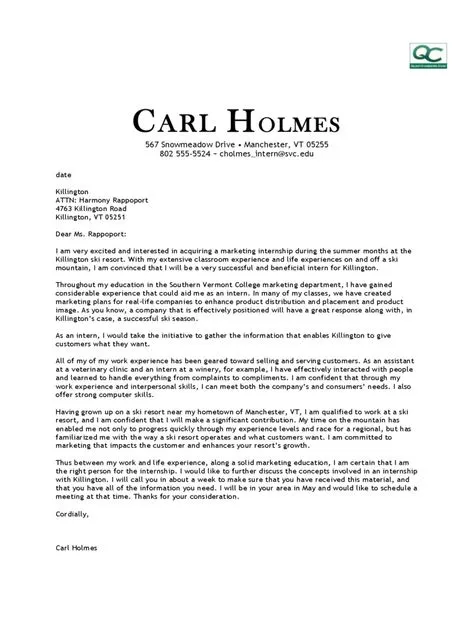
Before writing your cover letter, thoroughly research the company. Visit their website, read their blog, and explore their social media presence. Understand their mission, values, and recent achievements. This knowledge will allow you to tailor your letter to show that you understand their goals and that your skills and experience align with their needs. Mention specific projects or initiatives that resonate with you and explain why you are excited about the opportunity.
Address Specific Requirements
Carefully review the job description and directly address the requirements listed. If the job description mentions specific skills or qualifications, ensure that you highlight how you possess those skills and experiences. Provide examples to demonstrate your capabilities. If the job description lists a specific project or initiative, use the cover letter to explain how you have experience with something similar. Addressing the specific requirements demonstrates your attention to detail and shows the employer that you are a serious candidate.
Tip 3 Keep It Concise and Professional
In today’s fast-paced world, brevity is key. Hiring managers often have limited time to review applications. A concise and well-written cover letter is more likely to capture their attention than a lengthy, rambling one. Aim for a maximum of one page, typically three to four paragraphs. Each paragraph should focus on a specific point and use clear, direct language. The goal is to quickly convey your key qualifications and demonstrate your value to the employer. Avoid unnecessary jargon or overly complex sentence structures.
Formatting Guidelines

Proper formatting is critical for readability and professionalism. Use a standard font, such as Times New Roman, Arial, or Calibri, in a 10-12 point size. Use consistent margins and spacing throughout the document. Ensure that the letter is well-organized, with clear paragraphs and headings. Avoid using excessive bolding, underlining, or italics. Ensure your contact information is clearly visible at the top of the letter and includes your name, phone number, email address, and LinkedIn profile URL. A well-formatted cover letter makes it easy for the hiring manager to read and digest the information quickly.
Word Choice Matters
The words you choose can make or break your cover letter. Use strong, active verbs to describe your accomplishments and skills. Avoid using vague or passive language. Use professional language and avoid slang or colloquialisms. Your tone should be enthusiastic but not overly informal. Research the company’s culture and use the appropriate tone. Proofread carefully to eliminate any grammatical errors or typos. A well-written cover letter demonstrates your ability to communicate effectively and can help you to stand out from other candidates.
Tip 4 Use Action Verbs and Quantifiable Results
One of the hallmarks of a Susan Ireland cover letter is the use of action verbs and quantifiable results. These elements make your accomplishments more compelling and demonstrate the impact you have had in previous roles. Instead of saying ‘Responsible for managing social media,’ you can use action verbs to describe your actions, such as ‘Developed and implemented social media strategies.’ Whenever possible, quantify your achievements using numbers or statistics. This is more persuasive than vague statements.
Action Verbs to Use

Action verbs are words that describe the actions you took in previous roles. They help to make your achievements more specific and compelling. Some examples of effective action verbs include: managed, developed, implemented, led, created, improved, increased, reduced, achieved, organized, coordinated, and trained. Choose action verbs that accurately reflect your responsibilities and accomplishments. Use a variety of action verbs to keep your letter interesting and to highlight the range of your skills. Make sure to use the right tense for the job requirements.
Quantifying Your Achievements
Quantifying your achievements makes your accomplishments more concrete and easier to understand. Use numbers and statistics to demonstrate the impact you have made in previous roles. For example, instead of saying ‘Increased sales,’ say ‘Increased sales by 15% in one quarter.’ Instead of saying ‘Improved customer satisfaction,’ say ‘Improved customer satisfaction scores by 20%.’ Providing quantifiable results helps the hiring manager to see the value you can bring to their company. If possible, compare your results to industry benchmarks or previous performance metrics.
Tip 5 Proofread Meticulously
Proofreading is a non-negotiable step in writing a Susan Ireland cover letter. Typos, grammatical errors, and formatting mistakes can undermine your credibility and convey a lack of attention to detail. Before submitting your cover letter, carefully proofread it multiple times. Read it aloud to catch any awkward phrasing or errors. Have a friend or colleague review it as well. Fresh eyes can often spot mistakes that you might have missed. Take your time and ensure that every detail is correct.
Common Proofreading Mistakes
Some common proofreading mistakes include spelling errors, grammatical errors, incorrect punctuation, and inconsistent formatting. Be sure to check the spelling of all proper nouns, including the company name, the hiring manager’s name, and any specialized terms. Ensure that your sentences are grammatically correct, with proper subject-verb agreement and correct tense. Pay attention to punctuation, including commas, periods, and semicolons. Check for any inconsistencies in formatting, such as font size, spacing, and margins. By paying attention to these details, you can avoid common mistakes.
Tools for Proofreading
Several tools can assist you in proofreading your cover letter. Spellcheck and grammar check tools, such as those in Microsoft Word or Google Docs, can help to identify spelling and grammatical errors. However, these tools may not always catch all errors, so it’s important to review your letter manually as well. Online grammar checkers, such as Grammarly, can provide more advanced analysis and suggestions for improving your writing. Reading your letter aloud can help you to identify awkward phrasing or errors in sentence structure. Having a friend or colleague review your letter can provide a fresh perspective and catch mistakes that you might have missed. It is a good idea to use a combination of tools and methods.
Final Thoughts
Writing a Susan Ireland cover letter is about more than just following a template; it is about effectively communicating your value and showcasing your skills in a compelling manner. By following these five tips – tailoring your letter, focusing on the employer’s needs, keeping it concise and professional, using action verbs and quantifiable results, and proofreading meticulously – you can significantly increase your chances of landing an interview. Take the time to craft a well-written cover letter that highlights your unique strengths and experience, and you will be well on your way to job search success. Good luck with your applications!