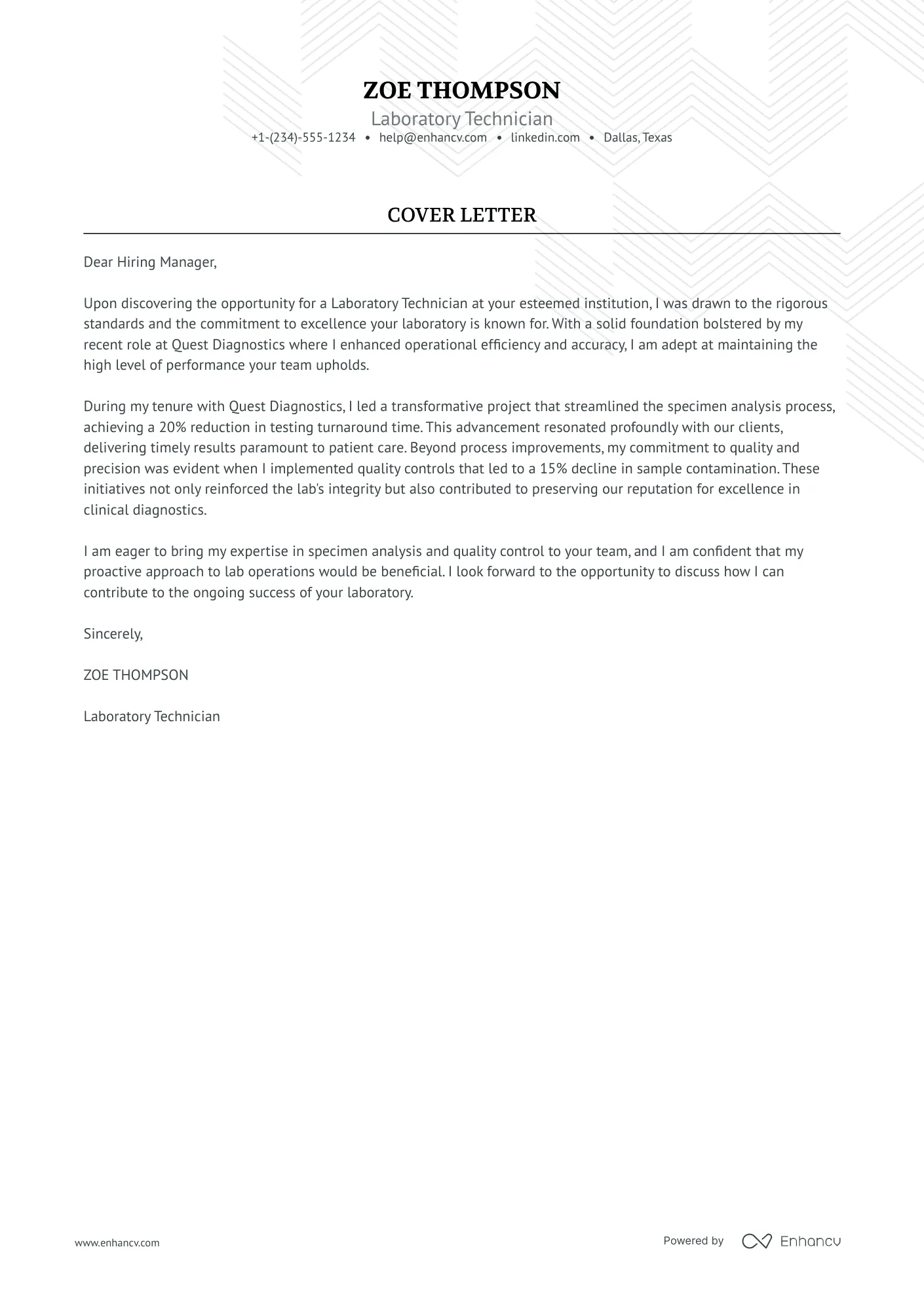
Scientist Cover Letter Secrets
Landing your dream job as a scientist requires more than just a stellar resume. A well-crafted cover letter is your secret weapon, your chance to showcase your personality, passion, and the unique value you bring to the table. It’s your first impression, a crucial opportunity to make a memorable impact on potential employers. In this guide, we’ll unlock the secrets to writing a cover letter that not only gets you noticed but also significantly boosts your chances of securing an interview and ultimately, the job. We’ll delve into the essential components, best practices, and insider tips that will transform your cover letter from a generic formality into a powerful tool that highlights your strengths, experience, and enthusiasm for the scientific field. Prepare to elevate your job application and embark on your path to success.
Understanding the Purpose of a Scientist Cover Letter
A scientist cover letter serves a critical purpose beyond simply repeating what’s already in your resume. It’s your opportunity to tell a story, to connect with the hiring manager on a personal level, and to demonstrate why you’re the perfect fit for the specific role and the company. Think of it as a personalized introduction, a chance to showcase your communication skills and your ability to articulate your scientific expertise. The cover letter bridges the gap between your qualifications and the employer’s needs, highlighting the specific skills and experiences most relevant to the position. Furthermore, it enables you to express your enthusiasm and passion for science, setting you apart from other applicants who might only rely on their resume to make their case. The main goal is to convince the reader that you are the best candidate for this particular role, and motivate them to read your resume.
Key Elements of a Winning Cover Letter
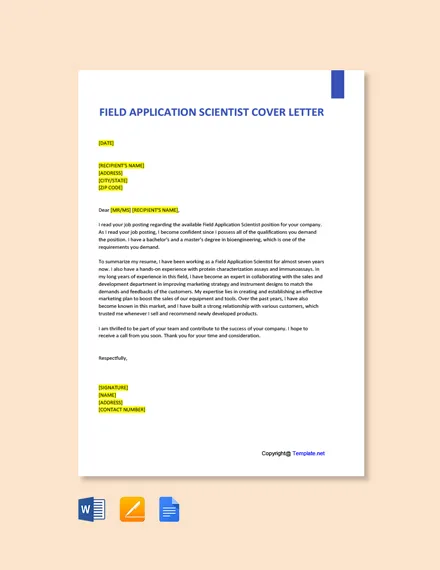
A successful scientist cover letter is built upon several essential elements, each playing a crucial role in capturing the reader’s attention and demonstrating your qualifications. These elements work in concert to create a compelling narrative that showcases your skills, experience, and passion for science. Neglecting any one of these key components can weaken your application and diminish your chances of getting an interview. To stand out from the competition, ensure each element is carefully considered and crafted to its full potential. This section details these core building blocks of a winning cover letter, providing guidance on how to incorporate each element effectively to maximize your impact and get you one step closer to your desired position.
Header and Contact Information
Start with a professional header. Include your full name, phone number, email address, and optionally, your LinkedIn profile URL. Below this, include the date and the hiring manager’s name, title, and the company’s address. If the hiring manager’s name isn’t available, use the title of the position or a general greeting. This sets a professional tone and makes it easy for the recruiter to contact you. Accuracy and attention to detail in this section demonstrate your professionalism and organizational skills, which are essential in any scientific role. Proofread this section carefully to avoid any errors.
Opening Paragraph that Grabs Attention
Your opening paragraph is your first and perhaps only chance to make a strong impression. Avoid generic openings. Instead, personalize your introduction by expressing your enthusiasm for the specific position or the company’s work. Briefly mention how you discovered the opportunity and what initially sparked your interest. Consider starting with a compelling achievement related to the job’s requirements, or a brief anecdote that illustrates your relevant skills. The goal is to capture the reader’s attention immediately and make them want to learn more. Make it clear why you are applying for this specific role and what motivates you.
Highlighting Your Skills and Experience

This is where you connect your skills and experience to the job requirements. Don’t just list your past responsibilities. Instead, provide specific examples that demonstrate how your accomplishments align with the requirements of the role. Tailor this section to the specific job description, emphasizing the skills and experiences that are most relevant to the employer. Use action verbs to describe your accomplishments. For instance, instead of saying ‘responsible for conducting experiments,’ you could say ‘conducted and analyzed over 100 experiments.’ This provides concrete evidence of your abilities and makes your achievements more impactful. Make sure to use a language that aligns with the industry.
Quantifying Achievements
Whenever possible, quantify your achievements. Numbers and data make your accomplishments more concrete and demonstrate the impact you’ve made in previous roles. Instead of stating ‘improved lab efficiency,’ you could say ‘increased lab efficiency by 15% through the implementation of a new protocol.’ This quantifiable evidence is much more persuasive than vague statements. Consider using metrics like the number of publications, grants obtained, projects completed, or improvements to processes. This data helps the recruiter quickly assess your performance and potential value to their team. Use the STAR method (Situation, Task, Action, Result) to explain the context, your role, the steps you took, and the outcome.
Demonstrating Your Passion and Enthusiasm
Science is driven by passion, and your cover letter is the perfect place to express yours. Mention the specific aspects of the company’s work that excite you. Showcase your understanding of the field and your motivation to contribute to its progress. Show your interest by referencing the company’s values, mission, or recent achievements. Explain why you’re enthusiastic about this specific role and how it aligns with your career aspirations. This enthusiasm can set you apart from other candidates and demonstrate your genuine interest in the position and the organization. This sincerity can leave a lasting, positive impression.
Tailoring Your Cover Letter to the Specific Job

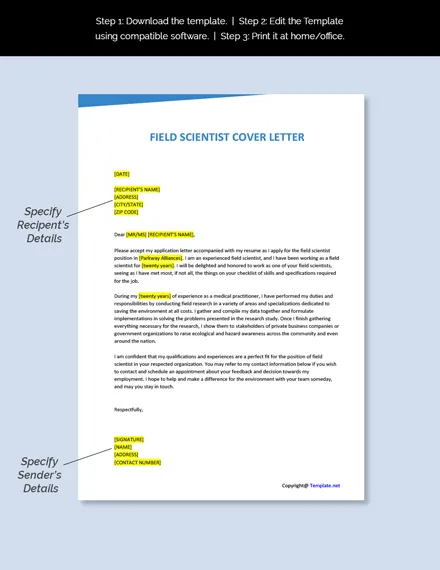
The most successful cover letters are customized to each specific job application. A generic cover letter will not impress the recruiter. Tailoring your cover letter demonstrates that you have carefully reviewed the job description and understand the specific requirements. This personalization significantly increases your chances of getting noticed and securing an interview. This process is vital for conveying that you are truly interested in the specific opportunity and not just sending out mass applications. The effort put into the tailoring process demonstrates to the recruiter your attention to detail and your desire to join their company.
Researching the Company and the Role
Before writing your cover letter, conduct thorough research on the company and the specific role. Understand the company’s mission, values, and recent accomplishments. Explore their website, social media profiles, and recent publications. This research will enable you to personalize your cover letter and demonstrate your genuine interest in the organization. Identify the key responsibilities and requirements of the role. This knowledge will help you tailor your cover letter to highlight the skills and experiences most relevant to the position. This is a sign of diligence, showing the recruiter you’re serious about joining the organization. Demonstrate your genuine interest by aligning yourself with their values and mission.
Matching Your Skills to the Job Requirements
Carefully review the job description and identify the essential skills and qualifications. Match your skills and experiences to the requirements, providing concrete examples that illustrate how you meet these needs. The recruiter is looking for proof that you possess the capabilities required for the job. Use the job description as your guide. Highlight the skills and experiences that are most relevant to the position. Be specific and provide evidence of your accomplishments. Use the STAR method to explain the situation, your task, the actions you took, and the results you achieved. This targeted approach will showcase your suitability for the role. Ensure your skills mentioned match the job description to avoid missing out on the offer.
Using Keywords Effectively
Use keywords from the job description throughout your cover letter. Applicant Tracking Systems (ATS) often scan cover letters for relevant keywords. Incorporating the right keywords can help your application pass the initial screening process. Integrate keywords naturally into your writing. Don’t simply stuff keywords into your cover letter. Instead, use them in context to describe your skills and experiences. This will increase your chances of getting noticed by both the ATS and the hiring manager. Always maintain a balance between keyword usage and readability. Your cover letter must flow naturally to leave a positive impression.
Formatting and Presentation Tips
The formatting and presentation of your cover letter are just as important as its content. A well-formatted cover letter is easy to read and visually appealing, making a positive impression on the hiring manager. Poor formatting, such as inconsistent font choices, poor spacing, or lengthy paragraphs, can quickly turn off a reader. These elements can create a negative perception and undermine the impact of your cover letter. These tips ensure your cover letter is professional, polished, and effectively communicates your message.
Choosing the Right Font and Font Size
Select a professional and easy-to-read font, such as Times New Roman, Arial, or Calibri. Use a font size between 10 and 12 points. Ensure consistency throughout the document. Avoid using overly decorative fonts or fonts that are difficult to read. A clean and simple font choice ensures that your cover letter is easy on the eyes and projects a professional image. A well-chosen font contributes to the overall readability and professionalism of your application. Choose a clear and simple font to help convey your message effectively. This shows the recruiter your attention to detail.
Using Proper Grammar and Spelling

Proofread your cover letter carefully for any grammatical errors or spelling mistakes. Errors can reflect poorly on your attention to detail and your professionalism. Use a spell checker and grammar checker, but don’t rely on them completely. Always read your cover letter aloud to catch any mistakes. A cover letter filled with errors indicates that you are careless. Pay attention to the placement of commas and other punctuation marks. Accurate grammar and spelling are essential for making a positive impression on potential employers and demonstrating your communication skills. Errors, no matter how small, can have a significant negative impact.
Keeping Your Cover Letter Concise
Keep your cover letter concise and to the point. Aim for a length of one page. Hiring managers are busy and don’t have time to read lengthy documents. Focus on the most relevant information and avoid unnecessary details. Each paragraph should be clear, focused, and directly relevant to the job. Ensure that every sentence contributes to the overall message and supports your application. Focus on the most relevant skills and experience to capture the reader’s attention. The most crucial information should be presented upfront. A well-written, concise cover letter is more likely to be read in its entirety and make a lasting impression.
Proofreading and Editing Your Cover Letter
Proofreading and editing are critical steps in the cover letter writing process. Even the most eloquent cover letter can be undermined by typos and grammatical errors. Thorough proofreading ensures that your cover letter is polished, professional, and free of any mistakes that could damage your application. Careful editing allows you to refine your message, ensure clarity, and highlight the most compelling aspects of your qualifications. This section underscores the importance of meticulous review and offers guidance on how to proofread and edit your cover letter effectively.
The Importance of Proofreading

Proofreading is an essential step in ensuring your cover letter is error-free. Typos, grammatical errors, and formatting mistakes can distract from your qualifications and give the impression that you lack attention to detail. Such errors suggest a lack of professionalism, which can be a major setback in your job search. Proofread your cover letter multiple times. Check for spelling errors, grammatical mistakes, and punctuation issues. Pay attention to formatting, such as font size, spacing, and alignment. A well-proofread cover letter demonstrates your commitment to excellence and gives the employer confidence in your abilities.
Seeking Feedback from Others
Ask trusted friends, colleagues, or career counselors to review your cover letter. A fresh pair of eyes can catch errors you might have missed. Seek feedback on clarity, grammar, and overall impact. They can offer valuable insights and suggestions for improvement. Ask them if your cover letter clearly conveys your message and highlights your strengths. Their feedback can make a big difference in your application. Consider sharing your cover letter with professionals in the field. Constructive criticism can elevate your application and boost your chances of landing your dream job. Seek feedback from people with experience in the scientific field.
Closing Your Cover Letter
Your closing paragraph should reiterate your interest in the position and thank the hiring manager for their time and consideration. Express your enthusiasm for the opportunity to discuss your qualifications further. Include a call to action, such as encouraging them to contact you for an interview. End with a professional closing, such as ‘Sincerely,’ or ‘Best regards,’ followed by your full name. Your closing should leave a lasting positive impression. Provide your contact information and express your willingness to discuss your qualifications further.