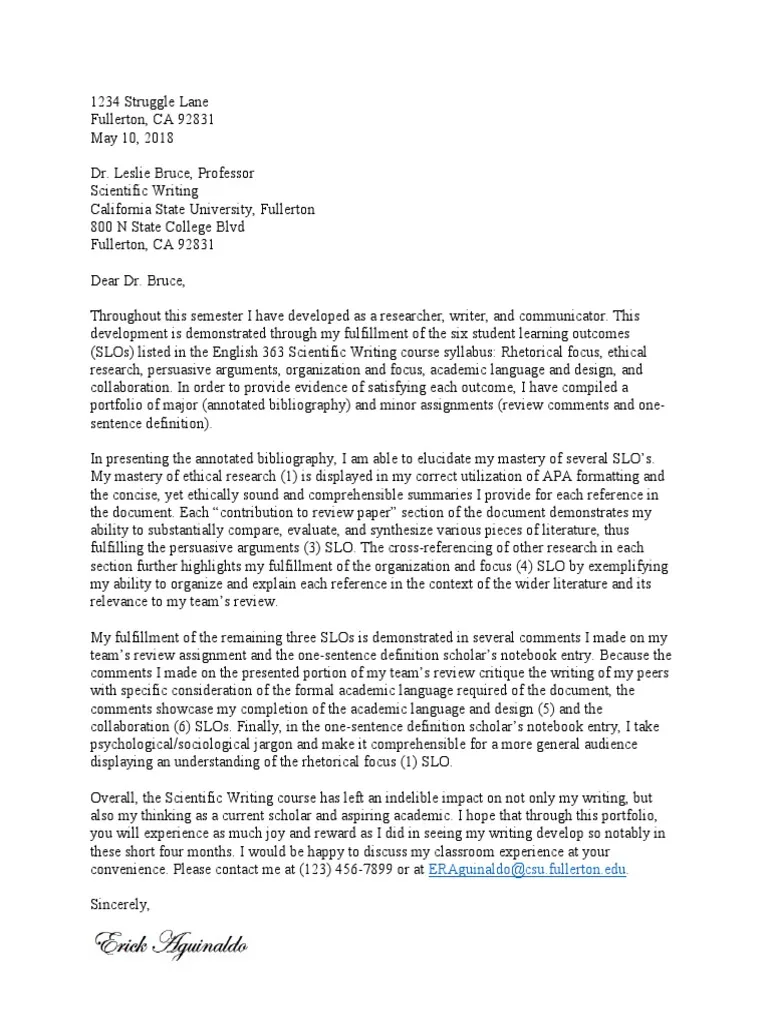
Understanding the Science Cover Letter
A science cover letter is more than just a formality; it’s your opportunity to make a strong first impression and showcase your qualifications for a scientific position. It complements your resume by providing context, personality, and a deeper understanding of your skills and experiences. In a competitive job market, a well-crafted cover letter can be the deciding factor in landing an interview. Think of it as your personal introduction, where you can highlight your passion for science and demonstrate how your expertise aligns with the specific requirements of the role and the values of the company. An effective cover letter should not simply reiterate your resume but should provide a narrative that connects your past experiences with the future opportunities.
Key Components of a Science Cover Letter
To write a winning science cover letter, you need to include several key components. These elements work together to present a complete picture of your qualifications and suitability for the job. Each part of the cover letter plays a critical role in conveying your professionalism, enthusiasm, and relevant skills. By focusing on these components, you can create a cover letter that effectively captures the hiring manager’s attention and increases your chances of securing an interview.
Contact Information and Date
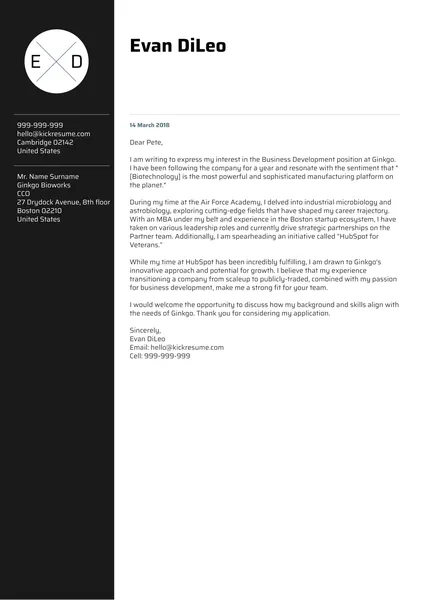
At the very top of your cover letter, include your contact information. This should include your full name, address, phone number, and professional email address. Following this, provide the date. Ensure the date is formatted correctly and is current, as it reflects when you are submitting your application. Accurate contact details and a current date are fundamental for the hiring manager to reach you.
The Recipient’s Details
Address your cover letter to the hiring manager or the specific person listed in the job posting. If the name is not provided, make an effort to find it through the company’s website or LinkedIn. Addressing the letter to a specific individual shows that you’ve taken the time to research the company and personalize your application. This personal touch can make a significant difference in how your application is received. If you are unable to find a specific person, you can use a professional salutation like ‘Dear Hiring Manager’.
Crafting a Compelling Opening
Your opening paragraph is crucial for capturing the reader’s attention. Start by clearly stating the position you are applying for and how you found the job posting. Then, immediately highlight a key accomplishment or skill that aligns with the job requirements. This introduction should make the hiring manager want to read more. Avoid generic openings; instead, tailor your opening to demonstrate your understanding of the company and the role. Show your enthusiasm and interest in the specific opportunity.
Highlighting Your Skills and Experience
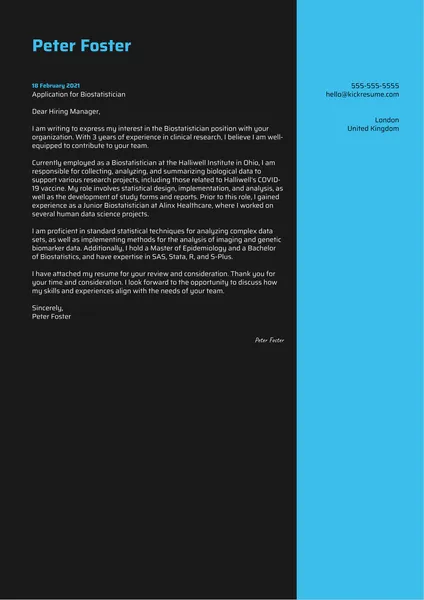
In the body of your cover letter, elaborate on your skills and experience, focusing on how they align with the job’s requirements. Provide specific examples of your accomplishments and how you have applied your skills in previous roles. Use the job description as a guide to identify the key skills and experiences the employer is seeking and tailor your narrative to match. This is your opportunity to showcase your expertise and demonstrate why you are the best candidate for the position. Use action verbs and be concise, highlighting the most relevant information.
Quantifying Your Achievements
Whenever possible, quantify your achievements. Use numbers, percentages, and specific data to illustrate the impact of your work. For example, instead of saying ‘Improved lab efficiency’, state ‘Increased lab efficiency by 15% through implementing new protocols’. Quantifying your accomplishments provides concrete evidence of your capabilities and allows the hiring manager to understand the value you can bring to their organization. This demonstrates your ability to achieve tangible results and your commitment to excellence.
Showcasing Your Relevant Skills
Identify the key skills required for the position and provide examples of how you have used those skills in previous roles. These can include technical skills, such as proficiency in specific software or lab techniques, as well as soft skills, such as teamwork, communication, and problem-solving. Illustrate your skills with specific examples. For instance, if the job requires data analysis skills, describe a project where you successfully analyzed data and the positive outcome achieved. This allows the hiring manager to visualize your capabilities and understand your ability to perform the job effectively.
Demonstrating Your Knowledge of the Company

Demonstrate that you have researched the company and understand its mission, values, and recent projects. Tailor your cover letter to show how your skills and experience align with the company’s goals. Mention specific projects, initiatives, or values that resonate with you. This shows the hiring manager that you are genuinely interested in the company and the role, and that you are not simply sending out a generic application. Highlighting your knowledge makes you stand out from other candidates. Research the company’s website, social media, and recent news articles to gather relevant information.
Expressing Enthusiasm and Closing
In your closing paragraph, reiterate your interest in the position and the company. Express your enthusiasm for the opportunity to contribute to their team. Thank the hiring manager for their time and consideration, and state that you are available for an interview. Provide your contact information again. A strong closing leaves a lasting positive impression. Make sure to end the cover letter with a professional closing, such as ‘Sincerely’ or ‘Best regards,’ followed by your full name.
Proofreading and Editing
Before submitting your cover letter, carefully proofread it for any errors in grammar, spelling, and punctuation. Even minor errors can create a negative impression. Consider having a friend, mentor, or career counselor review your cover letter for clarity and accuracy. Ensure the letter is well-written and easy to read. Proofreading and editing are critical steps to ensure your cover letter is polished and professional. A well-edited cover letter demonstrates attention to detail and a commitment to excellence.
Formatting Your Science Cover Letter

Formatting your cover letter correctly is essential for readability and professionalism. A well-formatted cover letter makes it easier for the hiring manager to read and understand your qualifications. Pay attention to the following aspects of formatting to create a cover letter that makes a positive impression.
Font and Readability
Choose a professional and easy-to-read font, such as Times New Roman, Arial, or Calibri, with a font size between 10 and 12 points. Ensure the font is consistent throughout the document. Avoid using overly decorative or unconventional fonts, as they can distract from the content of your cover letter. Good readability is crucial, so the hiring manager can easily follow your narrative and appreciate your qualifications. Maintain a clean and uncluttered design to make the cover letter visually appealing.
Margins and Spacing
Use standard 1-inch margins on all sides of your cover letter. Double-space between paragraphs to improve readability and make the document easier to scan. Proper spacing prevents the cover letter from appearing cramped and allows the hiring manager to easily digest the information. A well-spaced document is more inviting and professional-looking, which can significantly enhance your chances of making a positive impression. Proper formatting demonstrates attention to detail.
File Format and Submission

Save your cover letter as a PDF file before submitting it. A PDF file ensures that your formatting will remain consistent, regardless of the recipient’s computer or software. When submitting your cover letter online, follow the instructions provided in the job posting. If there are no specific instructions, it is generally acceptable to include your cover letter as a separate document. Always double-check the file name and the attached documents to ensure that the hiring manager receives the correct materials. Using the correct file format ensures the integrity of your document and presents you as a professional candidate.