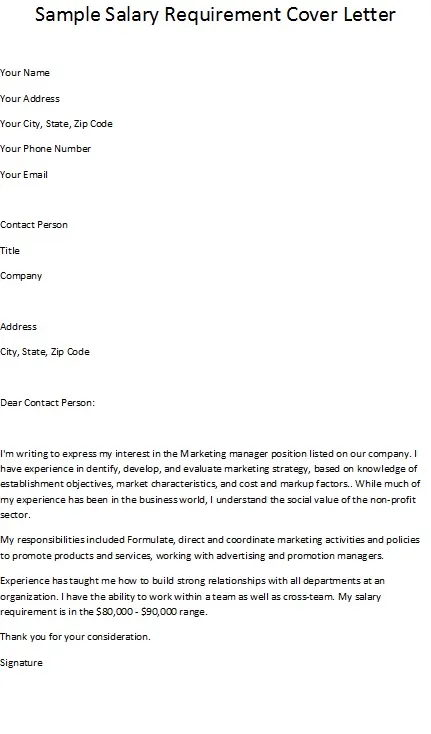
Understanding Salary Requirements in Cover Letters
A cover letter is more than just a formality; it’s your initial introduction to a potential employer, serving as a crucial element in the job application process. Within this letter, the inclusion of your salary expectations plays a vital role. Many job seekers find themselves at a loss as to how and when to address salary needs, which is why this comprehensive guide exists. We will dissect the essentials of how to effectively navigate this area, ensuring your application grabs attention, boosts your likelihood of securing an interview, and ultimately, lands you the job. Learning to adeptly manage this facet of the application process builds a sturdy foundation for your application, and also sets the stage for your future negotiation steps. The way you handle this part of the process shows professionalism and preparedness.
Why Salary Needs Matter in Cover Letters
Addressing salary expectations upfront can significantly impact your application’s success. It demonstrates that you understand the role and are considering your compensation needs. This helps you to align your expectations with the employer’s budget and can prevent wasted time later in the hiring process. Employers often seek candidates whose salary expectations are realistic and aligned with the job’s responsibilities and industry standards. By including this information, you show you are serious about the opportunity and have thought about your value in the job market. In addition, you’re saving both yourself and the potential employer time in case your needs do not align with what they are willing to pay.
Impact of Stating Salary Needs

Stating your salary expectations allows employers to assess whether your needs align with their budget. Including this information also shows you’ve considered your worth and the industry standards. Providing a salary range demonstrates flexibility, which can be viewed positively by employers. It shows you are open to discussion and are not fixated on a specific number. This openness can lead to better negotiations if you reach the interview stage. Ultimately, it increases your chances of moving forward in the hiring process, showing you’re aware of the role and responsibilities involved.
Risks of Not Mentioning Salary
Not mentioning salary expectations can lead to the application being overlooked. If your expectations are too high, you could be eliminated from consideration early on. Alternatively, if your needs are significantly lower than what the employer is willing to pay, you might undervalue yourself. It can also lead to time wasted later in the hiring process if the salary expectations are not aligned. The lack of information could signal a lack of preparedness, or a lack of consideration about your own value. Furthermore, it may cause delays in the hiring process, as the employer needs to assess expectations during the interview.
Crafting the Perfect Cover Letter
A well-crafted cover letter is essential for making a strong first impression. It should highlight your key skills, experience, and why you are a good fit for the role. Furthermore, it should address salary requirements in a professional and strategic manner. Below, we break down essential elements of a good cover letter, with advice on how to structure the information so that it effectively conveys your qualifications and expectations. Remember that tailoring your cover letter for each specific role can significantly boost your chances of success. A general cover letter is not likely to get you noticed, it is key to show that you want this particular role and have done your research.
Formatting the Cover Letter

Formatting is crucial for readability and professionalism. Use a clear, easy-to-read font like Arial or Times New Roman. Maintain consistent font sizes and spacing. The overall layout should be clean and organized, allowing the hiring manager to quickly find the information they need. Avoid lengthy paragraphs; keep sentences concise. Proper formatting is crucial for ensuring your application is taken seriously, especially for applications that are read by several decision makers. A well-formatted cover letter reflects attention to detail and a professional approach. It also shows you respect the reader’s time and can present information clearly and concisely.
Header and Contact Information
Your header should include your full name, address, phone number, and professional email address. It should be formatted consistently, reflecting attention to detail. Make sure that the contact information is current and accurate, as it is the primary method of contact for the employer. Including a link to your LinkedIn profile (if you have one) can also provide the hiring manager with additional insight into your professional background. Using a professional email address is extremely important, avoid using nicknames. Accuracy in your header gives confidence to the reader.
Body Paragraphs Best Practices
The body paragraphs should showcase your skills, experience, and how you align with the job requirements. Each paragraph should focus on a key aspect of your qualifications, using specific examples to illustrate your capabilities. Use action verbs to describe your accomplishments. The key is to tailor each cover letter to the specific job and company, demonstrating that you have researched the role and understand its requirements. Clearly explain your motivation for applying and what makes you a good fit for the role. Highlighting your achievements and skills will distinguish your application from others.
Opening Statement Strategies

Your opening statement should immediately grab the reader’s attention. State the position you are applying for and where you found the job listing. Briefly explain why you are interested in the role and what makes you a strong candidate. Consider starting with a compelling statement that highlights your passion for the industry or the company. Your opening statement should be tailored to reflect your personality and the requirements of the job. Mentioning something specific about the company can also demonstrate your interest. Make sure your opening reflects your interest and provides a snapshot of why you’re a good fit.
Highlighting Relevant Experience
Use the body paragraphs to highlight relevant experience and skills. Provide specific examples of your achievements. Quantify your results whenever possible, using numbers or data to demonstrate your impact. Tailor your examples to match the requirements of the job, showcasing how your past experiences align with the role’s needs. Focus on skills and experiences that directly relate to the job requirements. Your experience should be a persuasive story, showing how you can contribute to the company’s success. Be clear and concise, using bullet points or concise phrases to highlight key information.
Stating Salary Needs
Addressing salary expectations should be done in a professional and strategic manner. The way you approach the subject can influence the hiring manager’s perception of your candidacy. Make sure you research industry standards and the company’s typical salary range. Tailor the approach to the specific job and company culture. Consider including this information in the second or third paragraph of your cover letter after you have outlined your qualifications. This timing will demonstrate your interest while showing you’ve considered your needs. Keep the tone professional and avoid being overly demanding or vague.
Ways to Mention Salary Requirements

There are various ways to state your salary expectations. You can use a specific number or a salary range. Some recommend stating the salary requirements in the cover letter, and others prefer waiting. The approach you take may depend on the company culture and industry standards. Be clear, concise, and professional, showing that you are aware of your worth and the industry’s expectations. Remember, transparency is key. Your method should reflect your confidence, preparedness, and ability to discuss the matter with professionalism. Research is vital so that you can come up with a reasonable salary.
Using a Salary Range
Providing a salary range is often a good approach. This shows flexibility and an understanding that salary may be negotiable. Research the industry standards and the typical pay for the role. The range should be reasonable and aligned with your experience and skills. A well-defined salary range is a good strategy. It allows the company to assess your expectations while avoiding overly specific or inflexible numbers. When providing a range, ensure that it’s realistic and research-backed. Showing you know what others in your field make gives the company confidence.
Negotiating Salary
Negotiating salary should be done with confidence and professionalism. Remember, the hiring manager may have a predetermined budget, so it’s important to approach it strategically. Be prepared to justify your desired salary with examples of your accomplishments and the value you bring. Research the company’s policies and pay scales. Demonstrate that you’ve considered your worth and the industry’s expectations. Showing confidence and preparation is essential for successful negotiations. The more prepared you are, the better your chances of reaching a deal.
When to Negotiate Salary

Negotiating salary usually takes place after a job offer has been made. However, it can sometimes happen during the interview process or when discussing the details of the role. Wait until you have a formal offer before discussing the salary again. Ensure that you have a thorough understanding of the job and the responsibilities before starting negotiations. Timing is important; negotiate only when you have leverage and a good understanding of the offer. Know the value that you bring to the company, and be prepared to demonstrate this. The better prepared you are, the better you can navigate the process.
Negotiation Tips
Be prepared to discuss your desired salary with confidence. Clearly state your expectations and justify your request with examples of your experience and accomplishments. Research industry standards and the company’s pay scales. Be flexible and willing to negotiate, but also know your worth. Frame the discussion as a mutual agreement. You can also negotiate benefits, such as vacation time, and professional development opportunities. Be polite and professional throughout the process. Always be prepared, and know what you’re willing to accept, and what your “walk away” point is. Your goal is to achieve a fair outcome that works for both you and the company.
Closing Your Cover Letter
Your closing should express gratitude, reiterate your interest in the role, and include a clear call to action. The tone should be professional and enthusiastic. Always thank the hiring manager for their time and consideration. Confirm your availability for an interview and provide your contact information. Your closing should leave the hiring manager with a positive final impression. It should reinforce your interest in the role and encourage them to take the next step in the hiring process.
Expressing Gratitude

Thank the hiring manager for their time and consideration. Expressing gratitude is essential for leaving a positive impression. Show you value their time and are enthusiastic about the opportunity. Restate your interest in the role and express your hope to hear from them soon. A simple thank you can make a significant impact and can set you apart from other candidates. Your gratitude reflects professionalism and your appreciation for the opportunity.
Call to Action
Include a clear call to action, such as confirming your availability for an interview. Provide your contact information again, making it easy for the hiring manager to reach you. Reiterate your interest in the role and express your enthusiasm. Make it clear you’re eager to discuss the opportunity further. Your call to action is your chance to encourage the hiring manager to take the next step. The inclusion of a clear call to action shows proactiveness and enhances the likelihood of moving forward in the hiring process.