What is a Cover Letter Closing
The cover letter closing is the final paragraph of your cover letter, and it’s your last opportunity to make a positive impression on a potential employer. It’s where you summarize your interest in the position, reiterate your qualifications, express gratitude for the opportunity, and often include a call to action. A well-crafted closing can significantly influence whether you get an interview, as it reinforces your enthusiasm and professionalism, encouraging the hiring manager to take the next step.
Importance of a Strong Closing
The closing of your cover letter holds considerable weight, often more than you might realize. It’s the last thing a hiring manager reads, and it can be the deciding factor when they’re making their first assessment of you. A strong closing leaves a lasting positive impression. It reinforces your interest, highlights your key qualifications, and encourages the reader to take the next step – usually by contacting you for an interview. A weak or generic closing, however, can undermine the rest of your letter, leaving the impression that you aren’t truly enthusiastic or that you haven’t put much effort into your application. It can also indicate a lack of attention to detail and professionalism, which are critical traits for any job.
Key Elements of a Cover Letter Closing

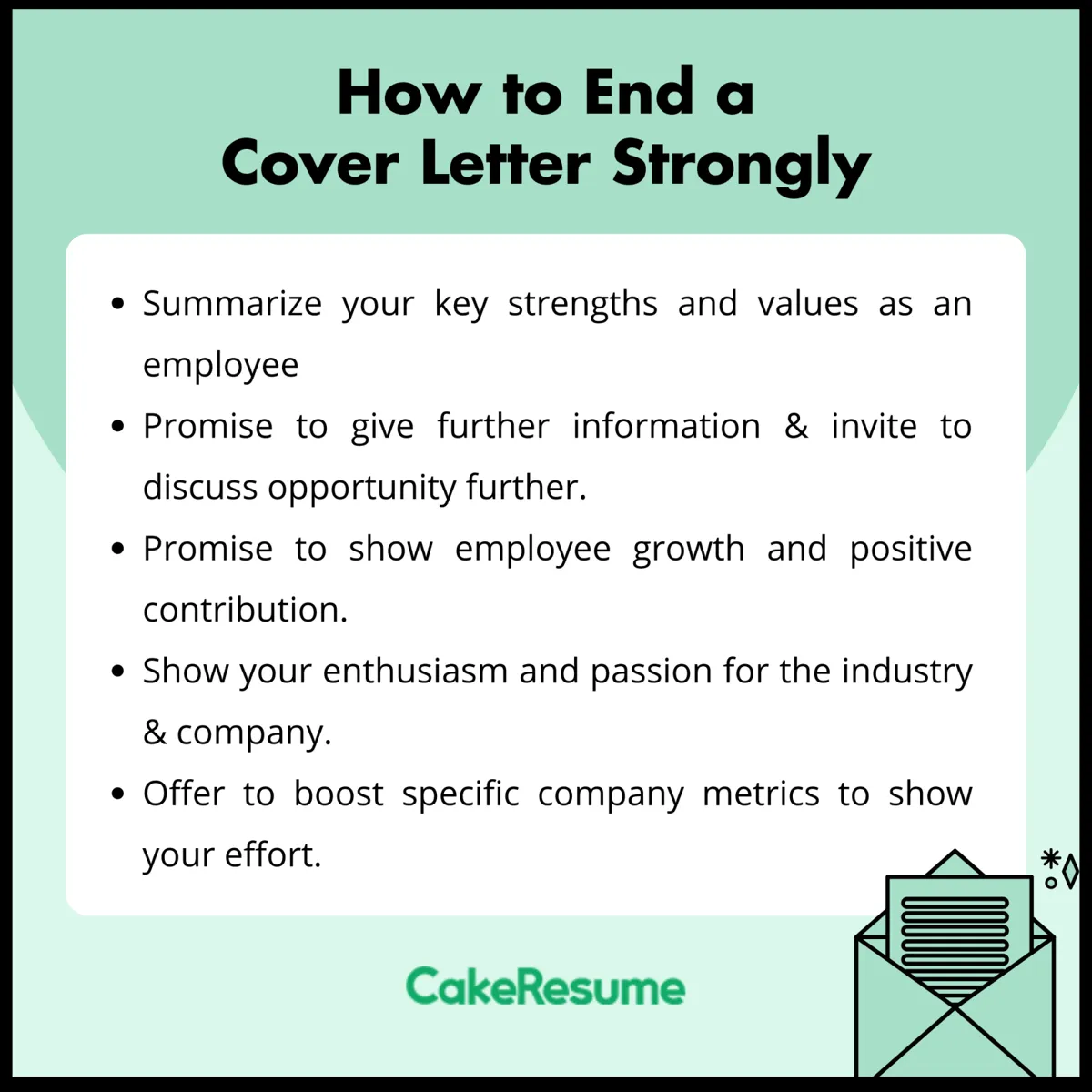
Crafting a great cover letter closing involves a few key ingredients, working in harmony to achieve the desired effect. First, you should express your gratitude for the reader’s time and consideration, showing respect for their busy schedule and signaling your professionalism. Then, reiterate your interest in the position; briefly summarizing why you are excited about the opportunity and what you bring to the table, helps to remind the hiring manager of your unique value. Finally, a clear call to action is essential, inviting the reader to take the next step, whether that’s scheduling an interview or reviewing your resume. A professional tone must be maintained throughout to convey your seriousness and enthusiasm. These elements should work in harmony for best results.
Expressing Gratitude
A simple expression of gratitude goes a long way in showing respect and professionalism. Thank the hiring manager for their time, consideration, and the opportunity to apply for the position. You can be direct and concise, something like “Thank you for your time and consideration.” This shows respect for their busy schedule and sets a positive tone for your closing.
Reiterating Interest
Briefly recap your enthusiasm for the role and reiterate why you’re a great fit. This is your chance to leave a lasting impression, so restate your specific qualifications or skills that align with the job requirements. Avoid generic statements; instead, highlight what makes you unique and how you can contribute to the company. For example, you might say, “I am eager to bring my experience in project management and my passion for innovative solutions to this role at your company.”
Call to Action

A clear call to action is the key to moving the application process forward. You should explicitly state what you expect the reader to do next. The most common and effective call to action is to request an interview. For instance, you can write, “I am available for an interview at your earliest convenience and can be reached at [your phone number] or [your email address].” You can also express your eagerness to learn more about the position and the company. Whatever you choose, the call to action should be clear, concise, and action-oriented, encouraging the hiring manager to take the next step.
Professional Tone
Maintain a professional and courteous tone throughout your closing. While it’s essential to show enthusiasm, avoid sounding overly casual or informal. Use formal language, proofread carefully, and ensure your closing aligns with the overall tone of your cover letter. Using a professional tone reflects your commitment to the role and your understanding of workplace etiquette.
How to write a cover letter closing
Crafting an effective cover letter closing involves careful thought and strategic wording. Ensure it reinforces your interest, highlights your qualifications, and encourages the reader to take the next step. Start by expressing your gratitude, briefly restating why you are enthusiastic about the opportunity. Then, include a concise call to action, specifying what you want the reader to do next. End by restating your gratitude, providing your contact information, and ensuring you have a polished, professional sign-off. Each element should work to show your professionalism, enthusiasm, and suitability for the role.
Structuring the Closing

Structure your cover letter closing to guide the reader effectively. Begin by expressing gratitude for their time and consideration. Then, concisely reiterate your interest in the role, highlighting your relevant skills and experiences. Following this, include a clear call to action. Finally, end the closing with a professional closing salutation. Structure the closing so that each part works to reinforce your interest and encourage the reader to take the next step.
Personalization
Personalize your closing whenever possible. If you know the hiring manager’s name, address them directly. Tailor the closing to the specific company and role. This demonstrates that you have done your research and are truly interested in the opportunity. Generic closings can come across as impersonal and may not resonate as strongly. Personalization shows that you’ve invested time and effort in your application, making it more likely to leave a positive impression.
Proofreading
Proofreading is an indispensable part of writing a cover letter closing. Before you send your letter, carefully review it for any errors in grammar, spelling, or punctuation. Even small errors can undermine your credibility and make you appear less professional. Read your closing out loud to catch any awkward phrasing. Consider having a friend or family member proofread your letter as well, as a fresh pair of eyes can often spot mistakes you might have missed. A well-proofread closing reflects your attention to detail and respect for the reader’s time.
Common Closing Mistakes

Avoid certain pitfalls that can weaken your cover letter closing. One of the most common mistakes is using a closing that is too casual or informal. This can diminish your professionalism. Another mistake is to use generic phrases that do not reflect your interest or value. These phrases fail to make a lasting impact. Lastly, it’s crucial to avoid negative language or bringing up salary expectations in your closing. Instead, focus on being positive, enthusiastic, and tailored to the specific job.
Too Casual
Avoid using casual or overly informal language in your cover letter closing. Phrases such as “See ya later” or “Best of luck” can come across as unprofessional, undermining the seriousness of your application. Maintain a professional tone using formal language and phrasing to show respect for the reader and the opportunity. Using overly casual language suggests that you may not take the application process seriously, which can be detrimental to your prospects.
Generic Phrases
Generic phrases like “Thank you for your consideration” are often overused and can make your cover letter closing seem impersonal. Instead of using such common phrases, personalize your closing to reflect your enthusiasm and the specifics of the role. Highlight why you’re a good fit, mention relevant skills, and show your specific interest in the company. Tailoring your closing demonstrates that you have done your research and are genuinely interested in the position, increasing your chances of making a positive impression.
Negative Language

Steer clear of negative language in your cover letter closing. Avoid mentioning any concerns about salary or benefits, as these discussions are usually best saved for the interview stage. Focus on your skills and enthusiasm for the role. Maintain a positive and proactive tone, highlighting how you can contribute to the company and expressing your eagerness to learn more. A positive closing reinforces your professionalism and leaves a more favorable impression on the hiring manager.
Cover Letter Closing Examples
Consider these closing examples, which can provide a solid starting point for crafting your own closing. The examples are tailored to different scenarios, from entry-level positions to those for mid-career professionals and those in specialized industries. Modify these examples to accurately reflect your unique skills, qualifications, and the specific requirements of the job. These templates can serve as a guide to help you write a compelling closing that captures the attention of the hiring manager.
Entry-Level Position
For an entry-level position, it is important to emphasize enthusiasm and eagerness to learn. Example closing “Thank you for your time and consideration. I am eager to discuss how my strong communication skills and passion for [industry] can contribute to your team. I am available for an interview at your earliest convenience. You can reach me at [phone number] or [email address]. I look forward to hearing from you soon.”
Mid-Career Professional

Mid-career professionals should highlight their experience and accomplishments. Example closing: “Thank you for your time and consideration. I am confident that my [number] years of experience in [field], and my proven track record of success in [area of expertise], align well with the requirements of this role. I welcome the opportunity to discuss how I can contribute to your company’s continued success. Please contact me at [phone number] or [email address] to schedule a time to speak.”.
Specific Industry Example
For a specific industry role, the closing should be customized to the industry’s conventions and needs. Example closing: “Thank you for your time and consideration. I’m very excited about the opportunity to join [Company name] and bring my [relevant skill or experience] to the team. Please see my resume for details. I look forward to discussing how my unique combination of skills and experience can contribute to your organization’s success. I welcome the opportunity to speak with you further. Please feel free to contact me at [your phone number] or [your email address].”.
Formatting and Presentation
The formatting and presentation of your cover letter closing play an important role in making a positive impression. Choose a font that is easy to read, and make sure the spacing and layout are consistent with the rest of your letter. A well-formatted closing looks professional and shows that you pay attention to detail, which is critical in today’s competitive job market. Consistent formatting ensures that your cover letter is reader-friendly and enhances its overall appeal.
Font and Style

Select a professional and readable font such as Times New Roman, Arial, or Calibri for your cover letter. Keep the font size consistent throughout the letter, typically between 10 and 12 points. Ensure the font style matches the overall tone of your cover letter. Choosing a clean and easy-to-read font reflects your professionalism and attention to detail, making your cover letter more pleasant and effective.
Spacing and Layout
Maintain proper spacing and layout to make your cover letter easy to read. Use single spacing within paragraphs and a double space between paragraphs. Align the text to the left margin, which is standard for business correspondence. A well-formatted closing with clear spacing demonstrates your attention to detail and respect for the reader. Using appropriate spacing and layout ensures your cover letter is neat, organized, and simple to navigate.
Final Thoughts
The cover letter closing is your final chance to leave a lasting impression. By expressing gratitude, reiterating your interest, including a strong call to action, and maintaining a professional tone, you can significantly increase your chances of getting an interview. Tailor your closing to the specific job and company. Always proofread carefully to ensure there are no errors. A well-crafted closing is a testament to your skills, professionalism, and enthusiasm for the role. It’s a crucial step in securing your next job.
Review and Edit
Always review and edit your cover letter closing before submitting your application. Check for grammatical errors, spelling mistakes, and awkward phrasing. Ensure the closing aligns with the tone and content of the rest of your letter. Get a second opinion from a friend or family member to catch any mistakes you might have missed. A polished closing demonstrates your attention to detail and commitment to excellence, making it more likely that you will stand out from the competition.