The Power of Resume and Cover Letter
In the competitive landscape of job hunting, a well-crafted resume and cover letter are not just formalities but essential tools for showcasing your qualifications and securing interviews. These documents serve as your initial introduction to potential employers, offering a concise yet comprehensive overview of your skills, experience, and aspirations. The resume, a detailed summary of your professional journey, highlights your work history, education, and relevant skills. The cover letter, on the other hand, provides a personalized narrative, allowing you to connect your qualifications with the specific requirements of the job and demonstrate your genuine interest in the opportunity. Together, they form a powerful duo that can significantly increase your chances of making a positive first impression and advancing to the next stage of the hiring process. Mastering these documents is therefore crucial for anyone serious about landing their dream job.
Highlighting Your Skills and Experience
A compelling resume effectively highlights your skills and experience, making it easy for employers to quickly assess your suitability for a role. Begin by identifying the key skills and experiences that align with the job description. Use action verbs to describe your accomplishments, providing concrete examples of how you’ve applied your skills to achieve results. Quantify your achievements whenever possible – for instance, ‘Increased sales by 15%’ or ‘Managed a team of 10 employees.’ Organize your experience chronologically or functionally, depending on which format best showcases your strengths. Tailor your resume for each job application, emphasizing the skills and experiences most relevant to the specific position. This targeted approach not only demonstrates your understanding of the role but also increases the likelihood of your resume capturing the hiring manager’s attention and passing through Applicant Tracking Systems (ATS).
Why Tailoring Matters?

Tailoring your resume and cover letter is a critical step in demonstrating your genuine interest in the specific role and company. Generic applications are often overlooked, as they fail to convey the depth of your interest and the value you can bring. Tailoring involves carefully reviewing the job description and identifying the key skills, experiences, and qualifications the employer is seeking. Then, you should customize your resume and cover letter to address these requirements directly. This might involve rephrasing your experience to align with the job responsibilities, highlighting relevant skills, and showcasing any projects or achievements that demonstrate your understanding of the company’s needs and goals. By tailoring your application, you not only make a stronger case for your candidacy but also signal to the employer that you have taken the time to understand their needs and are genuinely interested in the opportunity.
Showcasing Your Achievements
Beyond listing your responsibilities, your resume should showcase your achievements. These are the tangible results you’ve delivered in previous roles, which demonstrate your value to a potential employer. To effectively showcase your achievements, use the STAR method (Situation, Task, Action, Result) to frame your accomplishments. Begin by briefly describing the situation or challenge you faced. Then, outline the task you were assigned. Detail the actions you took to address the challenge, and, most importantly, quantify the results you achieved. For example, instead of writing ‘Managed social media accounts,’ you could write ‘Managed social media accounts, increasing follower engagement by 30% and website traffic by 20% within six months.’ Highlighting your achievements with quantifiable results provides concrete evidence of your capabilities and makes your resume stand out from the competition. This also allows you to demonstrate your value to the hiring manager.
Tailoring Your Application
A one-size-fits-all approach to job applications rarely works. Tailoring your resume and cover letter to each job is crucial. This involves carefully reviewing the job description, identifying the key requirements, and then adjusting your documents to align with those needs. This might involve rephrasing your experience to match the language used in the job posting, emphasizing relevant skills and achievements, and highlighting any projects or experiences that specifically address the employer’s needs. Customize your cover letter to show your understanding of the company and the role. Explain how your skills and experience align with the specific requirements and why you’re the ideal candidate. Avoid generic statements and instead, provide specific examples that showcase your qualifications and interest. Tailoring demonstrates that you’ve taken the time to understand the role and the company, increasing your chances of making a positive impression.
Making a Strong First Impression

Your resume and cover letter are your first opportunity to make a positive impression on a potential employer. To ensure you make the best possible impression, pay attention to the details. Use a professional and easy-to-read format, with clear headings, concise language, and proper grammar and spelling. Proofread carefully for any errors before submitting. Ensure your contact information is accurate and up-to-date. Customize your cover letter to address the specific requirements of the job and showcase your enthusiasm for the opportunity. A well-crafted cover letter should not only summarize your qualifications but also demonstrate your understanding of the company and the role. This may also include specific examples of your accomplishments and experiences. By paying attention to these details, you can create a strong first impression that sets you apart from other candidates and increases your chances of getting an interview.
Increasing Your Chances of Getting Hired
Crafting a compelling resume and cover letter is a strategic investment in your job search. By highlighting your skills, showcasing your achievements, and tailoring your application to each job, you significantly increase your chances of landing an interview and ultimately, getting hired. Remember to tailor your resume and cover letter to each specific job, emphasizing the skills and experiences most relevant to the position. The goal is to demonstrate that you’re the perfect fit for the role, providing a clear and concise picture of your qualifications and your genuine interest in the opportunity. Proofread your documents meticulously, ensuring they are free of errors and present a professional image. By following these strategies, you can make your application stand out from the competition, capturing the attention of hiring managers and increasing your chances of securing an interview and a job offer.
Understanding Applicant Tracking Systems
Many companies use Applicant Tracking Systems (ATS) to screen resumes. These systems scan your resume for keywords and phrases related to the job description. To optimize your resume for ATS, carefully review the job description and identify the key skills and keywords the employer is looking for. Then, incorporate these keywords naturally into your resume. Use clear headings and formatting to make your resume easy for the ATS to scan. Avoid using complex formatting, tables, or images that might confuse the system. The goal is to make your resume as readable and easily searchable as possible. Consider using a simple, clean template that is both visually appealing and ATS-friendly. Tailor your resume to the specific job, ensuring that the keywords align with the job requirements and that your skills and experience match the needs of the employer. This will help your resume make it through the initial screening process and into the hands of a human reviewer.
Demonstrating Your Value

Your resume and cover letter should clearly demonstrate your value to a potential employer. This means more than just listing your responsibilities – it means showcasing your accomplishments and highlighting the benefits you brought to previous roles. Use action verbs to describe your accomplishments, and quantify your results whenever possible. For instance, instead of saying ‘Managed social media,’ say ‘Managed social media, increasing follower engagement by 25% and driving a 15% increase in website traffic.’ Tailor your resume and cover letter to the specific job description, highlighting the skills and experiences most relevant to the role. This demonstrates that you understand the employer’s needs and can deliver results. By quantifying your accomplishments and highlighting the value you bring, you’ll make a compelling case for why an employer should hire you.
Presenting a Professional Image
Your resume and cover letter should present a professional image that reflects your qualifications and attention to detail. Use a clean, professional font like Arial, Calibri, or Times New Roman. Ensure your formatting is consistent throughout the document, with clear headings, bullet points, and adequate spacing. Proofread your documents carefully for any grammatical errors or typos. Errors can undermine your credibility, so meticulous proofreading is essential. Use a professional email address and include your phone number and a link to your LinkedIn profile or online portfolio. Ensure that the content is tailored to the specific job, and that your resume and cover letter complement each other, presenting a cohesive picture of your qualifications and experience. Presenting a polished and professional image will significantly increase your chances of making a positive impression.
Resume and Cover Letter Key Elements
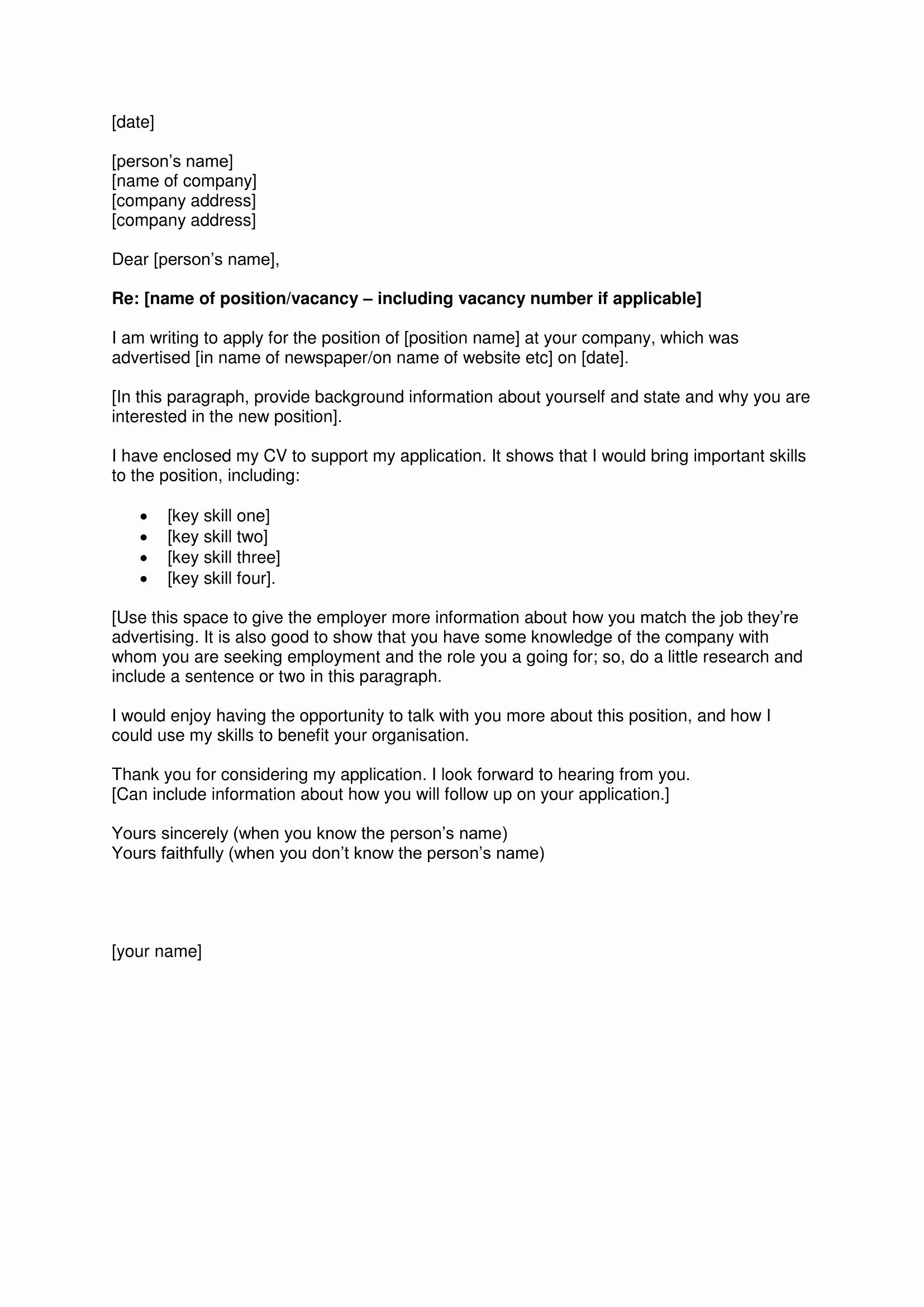
Both the resume and cover letter have key elements that will increase your chances of success. The resume should have your contact information, a professional summary or objective, work experience (with responsibilities and achievements), education, and skills. The cover letter should be personalized and tailored to the job. It should start with a strong opening, highlight key qualifications, explain why you’re interested in the role and company, and end with a call to action. Pay attention to keywords from the job description, proofread carefully, and ensure consistent formatting. By mastering the key elements of these documents, you’ll build a solid foundation for your job application process. The combined use of these tools will increase your chances of getting an interview.