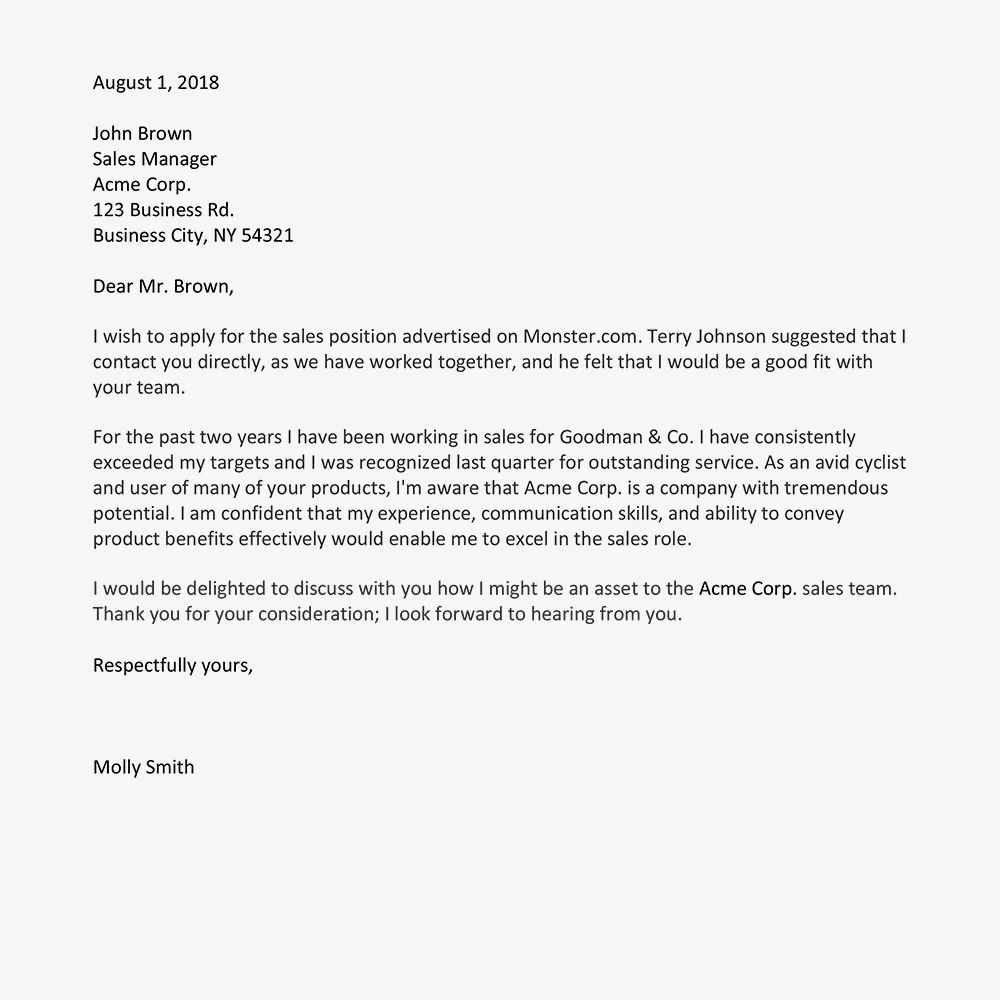
What is a Resume Cover Letter
A resume cover letter is a crucial document that accompanies your resume when applying for a job. It serves as an introduction, providing an opportunity to showcase your personality, skills, and enthusiasm for the position. Unlike the resume, which is a factual account of your professional history, the cover letter allows you to explain why you are the ideal candidate and how your qualifications align with the specific requirements of the job. It’s your chance to make a strong first impression and persuade the hiring manager to read your resume. The cover letter complements your resume, offering a more detailed and personalized explanation of your suitability for the role. A well-written cover letter highlights your key achievements, demonstrates your understanding of the company, and expresses your genuine interest in the opportunity, making you stand out from the competition.
The Purpose of a Cover Letter
The primary purpose of a cover letter is to introduce yourself to a potential employer and express your interest in a specific job opportunity. It is a tool for communicating why you are the best fit for the role and what you can bring to the company. A cover letter allows you to expand on the information presented in your resume, highlighting your relevant skills, experiences, and achievements in a way that directly addresses the employer’s needs. It showcases your ability to communicate effectively, demonstrate your personality, and convey your enthusiasm for the position. Furthermore, a cover letter helps to personalize your application, showing that you have taken the time to research the company and understand the job requirements. A well-crafted cover letter increases your chances of getting noticed by the hiring manager and securing an interview.
Key Components of a Cover Letter Heading

The cover letter heading is the very first element of your letter, and it plays a critical role in making a professional impression. It sets the tone for your entire application and provides essential information. This section of your cover letter is more than just decorative; it is a functional component. Correctly formatted, it ensures the employer can easily identify who you are and how to contact you. The heading contains vital details that facilitate communication and provide context for the rest of your cover letter. Therefore, taking the time to create an accurate and professional heading is an important step in crafting a successful job application. The components include your contact information, the date, and the employer’s contact details. Each part should be formatted correctly to optimize its effectiveness.
Your Contact Information
Your contact information is a crucial part of the cover letter heading, as it allows the employer to easily reach you if they are interested in your application. This section should include your full name, phone number, email address, and optionally, your LinkedIn profile URL or personal website. Make sure that the information is accurate and up-to-date. It is essential that your name is clearly displayed, as it is the first piece of personal information the hiring manager will see. Include a professional-sounding email address, ideally one that is based on your name. The phone number you provide should be one where you can be easily reached. Providing these details in the heading ensures that the employer has all the necessary information to contact you promptly for an interview or to request further information. Double-check all of the information for any errors.
Date
The date is a standard element in a cover letter heading. It indicates when the letter was written, which is important for record-keeping and can also provide context if the employer needs to reference the application later. The date should typically be placed directly below your contact information, allowing for a clean and organized presentation. The standard format is to write the month, day, and year. For example, you would write “September 21, 2024,”. Using this format ensures that your application looks professional and can be easily understood by any potential employer. While it may seem like a small detail, including the date correctly adds to the overall polish of your job application. It shows that you pay attention to detail and that you are aware of professional standards.
Employer’s Contact Information

Including the employer’s contact information in your cover letter heading is crucial. It demonstrates that you’ve taken the time to research the company and the specific person to whom you are applying. Start with the hiring manager’s name and title, if possible. If you’re unsure, you can often find this information on the job posting or the company’s website. If a specific name is not listed, you can use a general title such as “Hiring Manager.” Following the name and title, include the company name and address. Make sure you have the correct address, as this shows professionalism and attention to detail. Adding the employer’s information establishes a clear point of reference for your letter and signals that you are serious about the position. It also helps the employer quickly identify which job application you are referring to.
Formatting the Cover Letter Heading
Proper formatting is important to ensure that your cover letter heading is easy to read and presents a professional appearance. You should align your contact information, typically on the left, or sometimes in the center, of the page. The date should be aligned to match the rest of the document. The employer’s contact information should be similarly aligned, usually to the left, below the date. Make sure the spacing is consistent, using single spacing within each section and a blank line between each element. This will help create a clean and organized appearance, making it easier for the reader to quickly find the information they need. Consistent and professional formatting gives the impression of a polished and organized applicant. Good formatting is an essential part of making a positive first impression, as it showcases your attention to detail and your commitment to quality.
Choosing the Right Font and Size
Choosing the right font and size for your cover letter heading is a subtle way to enhance readability and maintain a professional appearance. It’s important to select a font that is widely readable and has a clean, uncluttered design. Popular choices include Times New Roman, Arial, Calibri, and Helvetica. Avoid overly decorative or stylized fonts, as these can be difficult to read. Use a font size of 10 to 12 points, which is the standard size for professional documents. This size is large enough to read easily without appearing too large or unprofessional. Keep the font consistent throughout the entire document. If you change fonts for the heading, the shift can be distracting to the reader. Maintain a consistent font choice and size for your name, address, date, and the employer’s contact information to ensure a polished look.
Placement and Alignment

The placement and alignment of the cover letter heading affect how easy it is for the reader to find the information. The heading should begin at the top of the page, with your contact information at the top, followed by the date, and then the employer’s contact information. Traditionally, your contact information can be left-aligned or centered, depending on your style preference and the look you want to create. The date is typically left-aligned with the rest of the text, while the employer’s contact information is also left-aligned. Maintaining consistent alignment throughout your cover letter will help it look neat and professional. Avoid centering all the information or using unusual alignments, as this could make it hard for the reader to quickly scan the details. Ensure that the sections are clearly separated by a consistent amount of space.
Best Practices for Cover Letter Headings
Following best practices ensures your cover letter heading makes a good first impression. Always proofread your heading carefully to catch any typos, formatting errors, or inaccuracies. Double-check all contact details, including your name, email, phone number, and address, as a small mistake could hinder your chances of an interview. Make sure you tailor the employer’s contact information to the specific job and company you are applying to. Take the time to find the correct name of the hiring manager, and verify that the address and company information are accurate. Finally, use a professional tone throughout your cover letter. Your heading is the first thing an employer will see, so it’s essential that it looks polished and professional. Adhering to these best practices ensures that your cover letter heading effectively presents you as a credible candidate and prepares the way for the rest of your application.
Proofreading for Accuracy
Proofreading is an essential step in crafting a successful cover letter heading. Errors in your contact information can lead to your application being overlooked, so meticulously checking for any mistakes is vital. Verify that all phone numbers and email addresses are correct, as even a single typo could prevent a potential employer from contacting you. Check the spelling of your name, address, and any other personal details. Proofread the employer’s contact information, including the hiring manager’s name and title, company name, and address. It is beneficial to have a second pair of eyes look over your heading as well. Ask a friend, family member, or career advisor to review your cover letter heading before you submit it. Taking the time to proofread your cover letter heading helps to ensure that your application is free from errors, demonstrating that you pay attention to detail.
Common Mistakes to Avoid

Several common mistakes can diminish the effectiveness of your cover letter heading. Avoid including unnecessary information, such as a picture, or excessive formatting that might distract the reader. Steer clear of using informal language or slang in your heading. Your heading sets the tone for your entire application, so maintain a professional demeanor from the beginning. Make sure to avoid any spelling or grammatical errors, which can undermine your credibility and suggest that you are not detail-oriented. Ensure that your email address is professional-sounding and not something that is humorous or unprofessional. Also, never fail to include the date or the employer’s contact details. By avoiding these common mistakes, you will ensure that your cover letter heading projects a professional image.
Using Templates for Guidance
Using templates can be an excellent way to ensure your cover letter heading is correctly formatted and includes all the essential elements. Various cover letter templates are available online and in word processing software. Templates provide a pre-formatted structure, allowing you to easily insert your information. They offer helpful guidance on font choices, spacing, and alignment, saving you time and effort in the formatting process. Templates can be adapted to fit different job types and professional styles. Although templates can be a valuable resource, always personalize your cover letter heading and overall document. Don’t rely on the template’s content. Make sure to customize it with your information and tailor the language to the specific job and company you are applying to. By using a template as a foundation, you can create a well-formatted and effective cover letter heading.
Example Cover Letter Headings
Here are a few examples of cover letter headings to help you get started. In the first example, a candidate uses a standard, left-aligned format, providing their contact information, the date, and the employer’s contact details. The second example shows a centered heading style, which can be used to help your heading look more organized or to fit a particular design. Each element—your name, the date, and the employer’s address—is carefully placed to give the reader a quick, clear overview. It’s essential to adapt the examples to fit your own circumstances, so ensure that your contact details are correct, and that you have the correct details for the company and hiring manager. Experiment with different formats to determine which best suits your style. Keep in mind that consistency is essential. Regardless of the format you choose, it should be easy to read and professional in appearance.
In conclusion, a well-crafted cover letter heading is the first impression you make on a potential employer. By paying attention to the key components, formatting, and best practices, you can create a heading that is both professional and easy to read. Accurate and professional formatting ensures the employer can easily identify who you are and how to contact you. Proofread carefully, avoid common mistakes, and use templates as a guide to make sure your application stands out. By making sure your cover letter heading is accurate and well-designed, you can set the stage for a successful job application, improving your chances of landing an interview and ultimately securing your dream job.