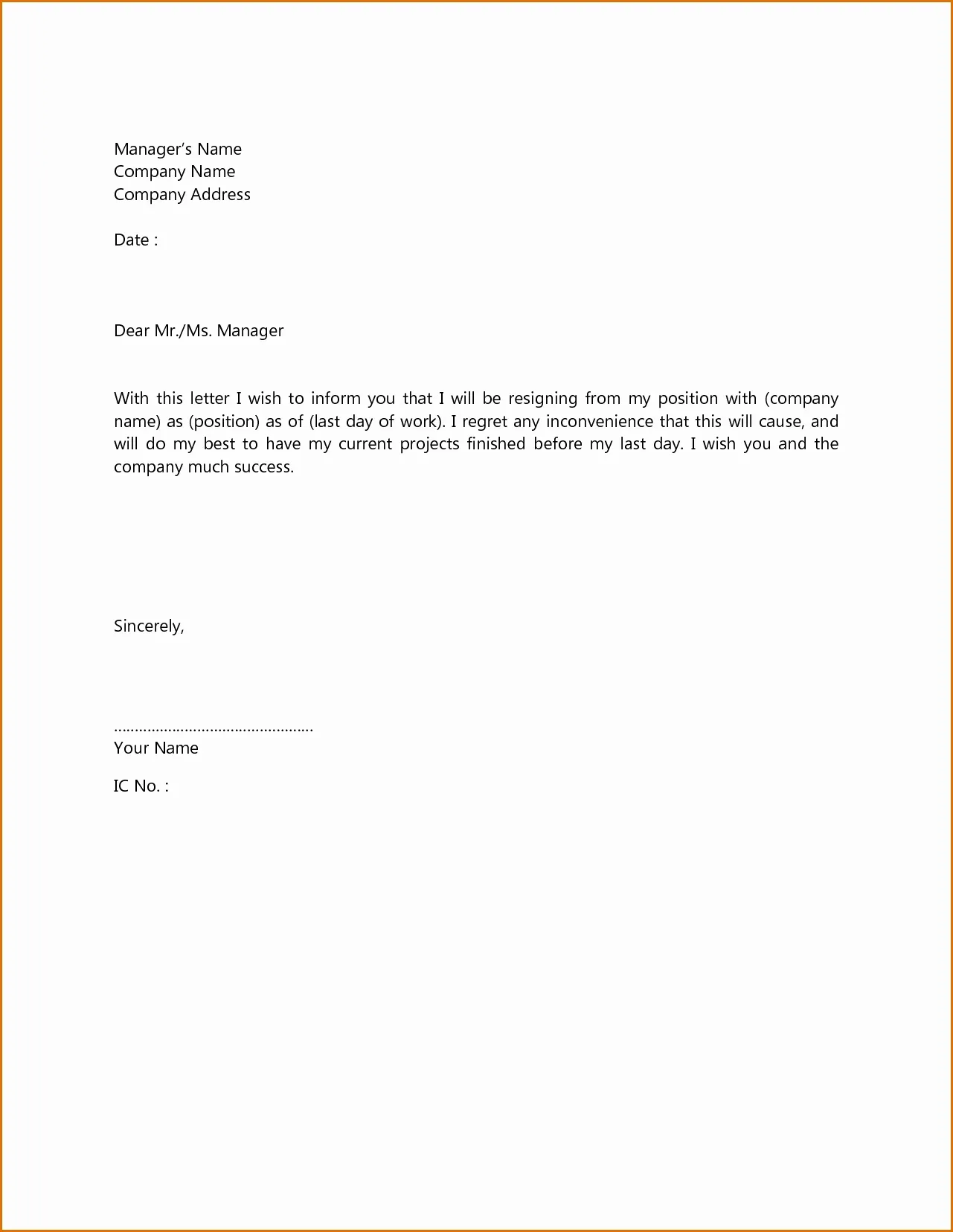
What is a Cover Letter?
A cover letter is a crucial document that accompanies your resume when applying for a job. It serves as an introduction, providing a personalized overview of your qualifications and expressing your interest in the specific role and company. Unlike a resume, which is a factual summary of your experience, a cover letter allows you to elaborate on your skills, connect them to the job requirements, and demonstrate your personality. It’s your opportunity to make a strong first impression and persuade the hiring manager to read your resume.
Why are Cover Letters Important?
Cover letters are important because they offer a chance to highlight your unique value proposition. While your resume provides a list of your skills and experience, a cover letter allows you to explain why you’re the perfect fit for the job. It demonstrates your communication skills, shows your understanding of the company and the role, and expresses your enthusiasm. Many hiring managers consider a cover letter essential; it shows you’ve taken the time to personalize your application and are genuinely interested in the opportunity. A well-written cover letter can significantly increase your chances of getting an interview.
Essential Components of a Cover Letter

A strong cover letter includes several key components that work together to create a compelling narrative. Each section plays a vital role in showcasing your suitability for the position and making a lasting impression on the hiring manager. Understanding these essential elements will help you craft a cover letter that effectively communicates your qualifications and enthusiasm.
Contact Information
At the top of your cover letter, include your contact information. This typically includes your full name, phone number, email address, and LinkedIn profile URL (optional). Ensure your contact information is accurate and up-to-date. Also include the date and the recipient’s contact information (name, title, company, and address), if known, to personalize the letter. This ensures the hiring manager can easily reach you.
Greeting the Hiring Manager
Address your cover letter to a specific person whenever possible. Research the hiring manager’s name and use it in your greeting, such as “Dear Mr. Smith.” If you can’t find a specific name, use a professional greeting like “Dear Hiring Manager” or “Dear [Company Name] Team.” Avoid generic greetings like “To Whom It May Concern,” as they can make your application seem impersonal.
Opening Paragraph

The opening paragraph should immediately grab the reader’s attention. Start by stating the position you’re applying for and where you found the job posting. Briefly mention why you’re interested in the role and the company. You can also include a brief, impactful statement about your key skills or a relevant achievement that makes you stand out. This sets the tone and encourages the hiring manager to read further.
Highlighting Relevant Skills and Experiences
The main body of your cover letter should highlight your relevant skills and experiences that align with the job requirements. Use specific examples from your past roles to demonstrate your abilities. Tailor your letter to the specific job description, emphasizing the skills and experiences that the employer is seeking. Instead of simply listing your skills, provide context and illustrate how you’ve used them successfully.
Tailoring Your Cover Letter to the Job
Customization is key to a successful cover letter. Avoid sending generic letters; instead, tailor each one to the specific job and company. Research the company’s values, mission, and culture. Show that you understand their needs and how your skills and experiences align with them. Review the job description carefully and address each requirement in your letter. This shows your genuine interest and attention to detail.
Showcasing Achievements and Quantifiable Results

Whenever possible, quantify your accomplishments to demonstrate the impact you’ve made in previous roles. Use numbers and data to showcase your achievements, such as “Increased sales by 20%” or “Managed a team of 10 employees.” Provide evidence of your success and the value you can bring to the new company. Highlighting your accomplishments helps to make a strong case for why you are the ideal candidate.
Expressing Enthusiasm for the Role and Company
Show your genuine enthusiasm for the role and the company in your cover letter. Explain why you’re excited about the opportunity and what attracts you to the company. Mention specific aspects of the role, the company culture, or their products/services that resonate with you. Demonstrating your interest can make a positive impression and distinguish you from other applicants.
Closing the Letter
The closing paragraph should summarize your interest and reiterate your qualifications. Thank the hiring manager for their time and consideration. Express your eagerness to discuss your application further and reiterate your contact information. This is the final opportunity to leave a positive impression and encourage the hiring manager to contact you.
Call to Action

End your cover letter with a clear call to action. This is where you explicitly state your desire for an interview and how you’d like to proceed. For instance, you might say, “I am eager to discuss how my skills and experience align with the needs of this role. Thank you for your time and consideration. I look forward to hearing from you soon.” This encourages the hiring manager to take the next step.
Cover Letter Examples
Reviewing examples can help you understand how to structure and write a compelling cover letter. There are different formats depending on the type of job and your experience level. Studying these examples can provide inspiration and guidance for crafting your own letter.
Entry-Level Cover Letter Example
An entry-level cover letter is suitable for candidates with limited work experience. It focuses on skills, education, and any relevant internships or volunteer work. The letter should highlight your enthusiasm for the field and demonstrate your potential. In this section, you would find a sample entry-level cover letter to use as a template.
Experienced Professional Cover Letter Example

An experienced professional cover letter should showcase your achievements and demonstrate your ability to handle responsibilities. It should draw attention to your accomplishments and highlight your professional growth. This example would provide a template for experienced professionals to write a great cover letter.
Cover Letter for a Specific Role Example
This example shows you how to tailor a cover letter to a particular job. The focus is on meeting the specific requirements of the role. This letter demonstrates your understanding of the role and how your skills fit it. This section will focus on example cover letters based on role.
Common Mistakes to Avoid
Avoiding common mistakes can significantly improve your cover letter’s effectiveness. Common mistakes include grammatical errors, generic language, and not tailoring the letter to the job. Being aware of these pitfalls will help you create a polished and professional cover letter.
Proofreading and Editing

Always proofread your cover letter carefully for any grammatical errors, spelling mistakes, or typos. Use spell-check and grammar-check tools, but also read the letter aloud to catch any errors that the software might miss. Having a fresh pair of eyes review your cover letter can be beneficial. A polished and error-free cover letter demonstrates professionalism and attention to detail.
Formatting and Design Tips
Formatting your cover letter correctly can make it more readable and visually appealing. Use a professional font like Times New Roman or Arial. Maintain consistent spacing and margins. Keep the letter concise and easy to read. Break up large blocks of text with paragraphs. A well-formatted cover letter is easier to read and makes a better impression.
Best Practices for Sending Your Cover Letter
Following best practices for sending your cover letter ensures that it reaches the hiring manager correctly. When sending your cover letter, use a professional email address. Attach your cover letter and resume as PDF files to preserve the formatting. Use a clear and concise subject line for your email, such as “Application for [Job Title] - [Your Name].” Always follow the application instructions provided by the employer.
In conclusion, a well-crafted cover letter is a valuable asset in your job search. By following these examples and best practices, you can create a cover letter that highlights your skills, expresses your enthusiasm, and significantly increases your chances of landing an interview. Remember to tailor each cover letter to the specific job and company, and always proofread for errors. Your cover letter is your chance to make a lasting impression and showcase why you’re the right candidate for the job.