What is a Public Relations Cover Letter (And Why It Matters)
A Public Relations (PR) cover letter is your first opportunity to make a strong impression on a potential employer. It’s a formal document that accompanies your resume, serving as an introduction to your qualifications, skills, and experience. Unlike a resume, a cover letter allows you to tell a story, connect your experiences to the specific job requirements, and showcase your personality. In the competitive world of PR, a well-crafted cover letter can be the deciding factor in landing an interview. It demonstrates your understanding of the role, your writing abilities, and your genuine interest in the company. Therefore, crafting a compelling cover letter is not just important; it’s essential for standing out in the job market. Failing to invest the time and effort in your cover letter can be a missed opportunity to highlight your unique value and persuade the hiring manager to review your resume in detail.
Key Components of a Strong PR Cover Letter
A strong PR cover letter is composed of several key elements, each playing a crucial role in capturing the reader’s attention and conveying your suitability for the position. These components work together to create a cohesive and persuasive narrative. From the first line to the closing statement, the cover letter should be strategically designed to highlight your most relevant skills and experiences. It should also demonstrate your understanding of the company and the specific PR role. By carefully constructing each section and paying close attention to detail, you can create a cover letter that effectively sells your qualifications and sets you apart from other candidates.
Your Contact Information and Date

Start your cover letter with your contact information, including your full name, phone number, email address, and LinkedIn profile URL (if applicable). Place this information at the top left or right corner of the document. Include the date directly below your contact information. Make sure the date is current and reflects when you are submitting your application. The format should be professional and easily readable. Using a consistent and professional font and size is a good idea to ensure your contact information appears polished and clear. This section is important as it provides the employer with necessary information to reach out to you. It should be clear and easy to find.
The Opening Paragraph Grab Attention
The opening paragraph is your first chance to grab the reader’s attention and create a positive impression. Begin by clearly stating the position you’re applying for and where you found the job posting. If you know the name of the hiring manager, address the letter to them directly; if not, use a general salutation like “Dear Hiring Manager.” Briefly explain why you are excited about the opportunity and what specifically attracted you to the company. This paragraph should be concise and engaging. It should clearly indicate your purpose for writing and make the reader want to learn more about your qualifications. It needs to instantly convey enthusiasm and a clear understanding of the role and company.
Highlighting Your Skills and Experience
In the body of your cover letter, showcase your relevant skills and experience. Tailor your content to match the specific requirements outlined in the job description. Provide specific examples of how your previous roles have prepared you for this position. Focus on the skills most critical to success in public relations, such as communication, media relations, content creation, crisis management, and strategic thinking. Avoid simply listing your skills; instead, demonstrate them through concrete examples and achievements. This section is all about showing, not just telling, the hiring manager what you can do. Mentioning specific campaigns you’ve worked on and the results you achieved are great ways to showcase your skills.
Showcasing Relevant Achievements

Instead of just listing job duties, focus on your accomplishments. Use the STAR method (Situation, Task, Action, Result) to describe a project or campaign you worked on. Describe the situation you faced, the task you were assigned, the actions you took, and the results you achieved. For example, “In my previous role, I developed and executed a social media campaign that increased brand awareness by 30% within three months.” This approach helps quantify your contributions and demonstrate the impact of your work. Highlighting achievements provides concrete evidence of your abilities and value. Quantifiable results make a stronger case for your qualifications than general statements about your job duties.
Quantifying Your Accomplishments
Whenever possible, quantify your achievements using numbers and data. This adds credibility to your claims and provides tangible evidence of your successes. For example, instead of saying “Increased media coverage,” say “Secured 15 media placements resulting in over 1 million impressions.” Metrics like percentage increases, dollar amounts, and specific numbers of clients or projects completed demonstrate your effectiveness and impact. Quantifying your accomplishments enables potential employers to understand the scope and significance of your contributions. This can set you apart from other candidates by providing a clear measure of your success.
Tailoring Your Letter to the Specific Job
Each cover letter should be customized for the specific job you are applying for. Read the job description carefully and identify the key requirements and qualifications the employer is seeking. Then, adjust your cover letter to address those specific needs. Highlight the skills and experiences that align with the job requirements, and use keywords from the job description throughout your letter. Avoid using a generic cover letter. Customizing your letter demonstrates that you have taken the time to understand the role and the company and are genuinely interested in the opportunity. It shows that you have carefully considered how your skills and experience can contribute to the company’s success.
Researching the Company and the Role

Demonstrate your interest and knowledge of the company by doing thorough research. Visit the company’s website, read recent news articles, and review their social media presence. Understand the company’s mission, values, and recent projects. Show this knowledge in your cover letter by referencing the company’s work, values or recent news. Mention specific campaigns or initiatives that resonate with you, and explain how your skills and experience align with the company’s goals. This demonstrates your genuine interest and your initiative to learn about the organization. Research also helps you identify potential areas where you can contribute and tailor your pitch accordingly.
Demonstrating Your Understanding of PR
Showcase your understanding of public relations principles and practices. Briefly discuss how you approach strategic communication, media relations, crisis management, or content creation. Indicate your familiarity with industry trends, tools, and best practices. For example, you might mention your experience using a specific media monitoring tool or your proficiency in developing press releases. Demonstrating your knowledge of the PR field positions you as a knowledgeable professional and provides further evidence of your suitability. You need to convey that you understand what the role is and your commitment to the field.
The Closing Paragraph and Call to Action
In your closing paragraph, restate your enthusiasm for the position and thank the hiring manager for their time and consideration. Clearly state that you are available for an interview and how they can reach you. You can also express a proactive attitude and offer to provide additional information if needed. A clear call to action is crucial for prompting the employer to take the next step. By reiterating your interest and providing an easy way to contact you, you increase the chances of moving forward in the hiring process. Your closing should be confident, professional, and leave a positive final impression.
Formatting and Proofreading Your Cover Letter

Ensure your cover letter is well-formatted, easy to read, and free of errors. Use a professional font, such as Times New Roman, Arial, or Calibri, and maintain consistent formatting throughout the document. Proofread your cover letter multiple times to check for any typos, grammatical errors, or inconsistencies. Have a friend or colleague review your letter for additional feedback. Proper formatting and proofreading demonstrate your attention to detail and professionalism, which are crucial in any PR role. Presenting a polished, error-free cover letter shows your commitment to quality. Careful attention to detail reflects well on your abilities and enhances your overall impression.
Cover Letter Examples for Inspiration
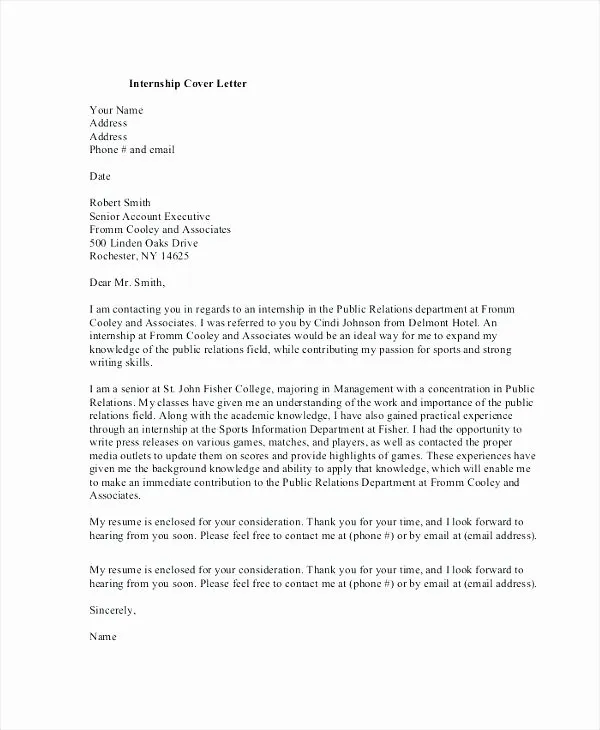
Reviewing examples of successful PR cover letters can provide valuable guidance and inspiration. These examples can help you understand how to structure your letter, showcase your skills, and tailor your content to specific roles. Find examples online or seek out advice from career resources. By analyzing successful examples, you can learn best practices and gain insight into crafting a compelling cover letter that highlights your unique qualifications. Each example will show you different approaches for specific situations, such as entry-level positions or experienced professionals. These can aid in shaping a tailored approach to your own cover letter.
Example 1 Entry-Level PR Cover Letter
This section would provide a sample entry-level PR cover letter, demonstrating how to highlight relevant coursework, internships, and any other related experience. It would showcase strong writing skills, a basic understanding of PR principles, and enthusiasm for the field. The letter would likely focus on transferable skills and a proactive approach to learning and growing in the role. An entry-level cover letter should emphasize eagerness to learn and contribute. The candidate will show a clear understanding of the basic principles of public relations, such as media relations, content creation, and social media management. It should express a genuine interest in gaining experience and making a meaningful impact on the company.
Example 2 Experienced PR Professional Cover Letter

This section would present an example of a cover letter for an experienced PR professional. It would highlight a strong track record of accomplishments, including managing successful campaigns, building relationships with media outlets, and handling crisis communications. This example would showcase quantifiable results and leadership abilities. The candidate would demonstrate their experience with strategic planning, team management, and building brand reputation. A cover letter of this type would underscore leadership capabilities, such as mentoring or managing teams, demonstrating the ability to guide campaigns from conception to execution.
Example 3 PR Specialist Cover Letter
This section will provide a cover letter example for a PR specialist role, demonstrating how to showcase specialized skills and experiences relevant to the position. The cover letter would focus on specific areas of expertise. It would showcase the skills and experience the applicant has in areas such as digital media relations, content marketing, or internal communications. The letter would provide precise details of the applicant’s special skills, focusing on specific PR strategies or tools they are experts in. Such as media monitoring, social media analytics, or crisis communications. Highlighting specific contributions and achievements will reinforce the applicant’s suitability.
Common Mistakes to Avoid in Your PR Cover Letter
Several common mistakes can undermine the effectiveness of your PR cover letter. Avoid using generic language or a one-size-fits-all approach. Don’t simply repeat your resume; instead, use your cover letter to elaborate on your skills and experiences in more detail. Failure to proofread can lead to typos and grammatical errors, which can make a negative impression. Neglecting to tailor your letter to the specific job is also a mistake. Generic letters do not show the research that the company expects and the interest needed to impress. Always address the letter to the hiring manager by name. Avoiding these mistakes is crucial for creating a positive impression and showcasing your qualifications. Make sure the letter shows your attention to detail and passion for public relations.
In conclusion, a well-crafted PR cover letter is a critical tool in your job search. It’s your chance to make a strong first impression, showcase your skills, and demonstrate your passion for the field. By following these guidelines and tailoring your letter to each job, you can significantly increase your chances of landing an interview and securing your dream PR role. Remember to be professional, enthusiastic, and specific in your writing. Good luck with your job search!