Understanding the Nurse Educator Role
Before you even begin crafting your cover letter, it’s crucial to understand the role of a Nurse Educator. This role goes beyond just teaching; it involves curriculum development, student assessment, clinical instruction, and often, mentoring. Nurse educators are pivotal in shaping the next generation of nurses, ensuring they have the knowledge, skills, and compassion to provide excellent patient care. They must stay current with the latest healthcare practices, technologies, and research findings to effectively prepare their students. Understanding the multifaceted nature of the role will help you tailor your cover letter to highlight the most relevant aspects of your experience and qualifications. It helps you emphasize your commitment to nursing education and your ability to contribute to a learning environment that fosters critical thinking, clinical competence, and a commitment to lifelong learning. Remember, you’re not just applying for a job, you’re expressing your interest in being a positive influence on the nursing profession.
Key Skills for Nurse Educators
Nurse educators require a unique blend of skills. These go beyond clinical expertise and include strong communication, leadership, curriculum development, and assessment abilities. In your cover letter, it’s vital to showcase these skills. Communication skills are crucial for conveying complex information clearly and engagingly. Leadership skills demonstrate your ability to guide and motivate students, create a positive learning environment, and collaborate with colleagues. Curriculum development expertise allows you to design effective teaching materials and ensure they align with educational standards and clinical best practices. Assessment skills allow you to evaluate student learning and provide constructive feedback. Highlight instances where you’ve used these skills, such as developing a new teaching module, mentoring students, or leading a professional development workshop. Providing specific examples of how you’ve applied these skills makes your cover letter more compelling and demonstrates your suitability for the role. You can use different action verbs to make your cover letter more dynamic and engaging.
Writing a Compelling Cover Letter

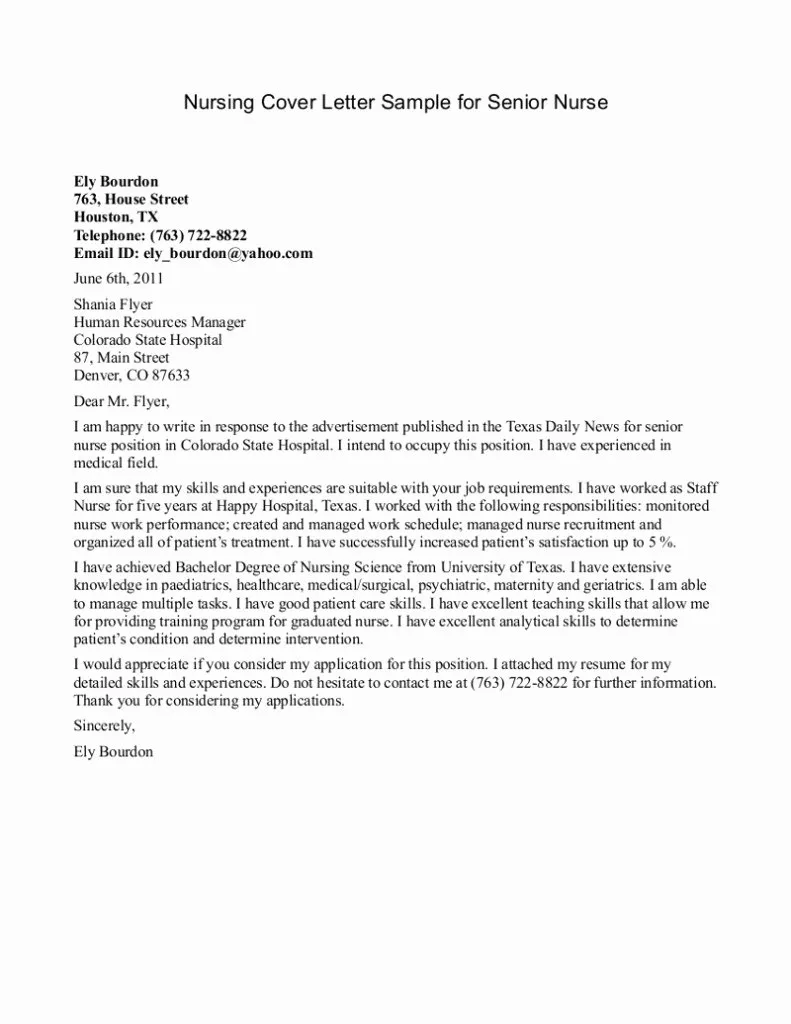
Your cover letter is your first impression, so it needs to be compelling. Start with a strong opening that grabs the reader’s attention and clearly states your interest in the Nurse Educator position. Mention where you saw the job posting and, if possible, the name of the hiring manager. In the body of your letter, explain why you are the ideal candidate, drawing on your skills, experience, and accomplishments. Avoid generic statements; instead, provide specific examples that illustrate your qualifications and contributions. Use the job description as a guide to identify the key requirements and tailor your letter accordingly. Your language should be professional, enthusiastic, and reflect your passion for nursing education. Structure your cover letter logically, with clear paragraphs and headings to make it easy to read and follow. This shows that you can organize information, a crucial skill for a nurse educator. Make sure to keep the tone professional and avoid any slang or informal language. Showcasing your personality through a well-written cover letter can help you stand out from other candidates.
Formatting Your Cover Letter
Formatting is key to presenting your cover letter professionally. Use a standard font like Times New Roman or Arial in a readable size (11 or 12 points). Ensure your letter is well-spaced with consistent margins (usually 1 inch on all sides) to make it easy to read. Avoid large blocks of text; break up your paragraphs to improve readability. Use headings and subheadings to structure your letter logically and highlight important information. Include your contact information at the top of the letter, and the date and the employer’s information below. Keep your letter concise, ideally no longer than one page. This shows respect for the reader’s time and highlights your ability to communicate effectively. Make sure to proofread your formatting carefully before submitting your letter. A well-formatted cover letter demonstrates attention to detail, which is crucial in the nursing field. These little formatting choices can make your letter stand out and show the hiring manager you care about presentation.
Highlighting Your Accomplishments
Rather than just listing your job duties, focus on your accomplishments. What did you achieve in your previous roles? Did you develop a new teaching method that improved student outcomes? Did you lead a successful project to implement new technology? Quantify your achievements whenever possible. Instead of saying you “improved student pass rates,” state that you “increased pass rates by 15% within one semester by implementing a new simulation program.” Use action verbs to describe your accomplishments. For example, instead of saying you were “responsible for” something, try “developed,” “implemented,” “managed,” or “led.” Tailor your accomplishments to the specific requirements of the Nurse Educator position. If the job description emphasizes curriculum development, highlight your experience in this area. If it focuses on clinical instruction, emphasize your skills in teaching and mentoring students in a clinical setting. Highlighting your achievements shows the hiring manager what you bring to the table and how you can contribute to their institution’s success. It’s not just about what you did, but what you accomplished.
Showcasing Relevant Experience

Your cover letter should clearly demonstrate your relevant experience. Nurse educators need a strong clinical background, as well as experience in teaching and mentoring. Provide details about your nursing experience, including the types of patients you’ve cared for, the settings in which you’ve worked, and any specialized skills or certifications you possess. Highlight any teaching experience, whether it’s formal teaching roles, clinical instruction, or mentoring nursing students or colleagues. Mention any curriculum development experience or involvement in educational projects. Discuss any presentations, publications, or professional development activities related to nursing education. If you have experience with educational technologies, such as simulation software or online learning platforms, be sure to mention it. Quantify your experience wherever possible. For example, state how many students you have mentored, the number of courses you have taught, or the duration of your clinical experience. Ensure that your experience aligns with the requirements of the job posting. Use the job description to identify the key qualifications the employer is seeking and tailor your letter to address them. This ensures that your cover letter clearly demonstrates why you are a strong fit for the position.
Tailoring Your Letter to the Job
One of the biggest secrets to a successful cover letter is tailoring it to each specific job. Never send a generic cover letter; always customize it for the position and the organization. Start by carefully reviewing the job description. Identify the key requirements, skills, and qualifications the employer is seeking. Research the organization. Understand their mission, values, and any specific programs or initiatives they are involved in. Address the specific needs of the employer in your cover letter. Explain how your skills and experience align with their requirements. Use keywords from the job description throughout your letter. This helps your application pass through Applicant Tracking Systems (ATS) and ensures that your letter is relevant to the hiring manager. Show genuine interest in the organization and the position. Mention specific programs, initiatives, or aspects of the organization that appeal to you. Demonstrate your understanding of the organization’s goals and how you can contribute to their success. Personalizing your cover letter shows the employer that you have invested time and effort into the application, making you a more attractive candidate. Tailoring your letter is not just about changing a few words; it’s about demonstrating a genuine interest and understanding of the role and the organization.
Proofreading and Editing Your Letter
Proofreading and editing are critical steps that can make or break your application. Typos, grammatical errors, and inconsistencies can create a negative impression and undermine your credibility. Before submitting your cover letter, carefully proofread it for any errors. Read your letter aloud. This can help you catch awkward phrasing or grammatical mistakes that you might miss when reading silently. Use spell-check and grammar-check tools, but don’t rely on them completely. They may not catch all errors, especially contextual ones. Ask a trusted friend, colleague, or mentor to review your letter. A fresh pair of eyes can often spot mistakes that you have overlooked. Make sure that your contact information is accurate and up-to-date. Check the employer’s name and title, as well as the organization’s name and address. Ensure that your letter is consistent in terms of tone, style, and formatting. Proofreading and editing demonstrate your attention to detail and commitment to professionalism. Take the time to revise your cover letter until it is polished, clear, and error-free. A well-written cover letter can significantly increase your chances of getting an interview.
Contact Information

Your contact information should be easy to find and include. At the top of your cover letter, include your full name, phone number, professional email address, and ideally, your LinkedIn profile URL. This provides the employer with all the necessary information to contact you quickly and easily. Ensure your email address is professional. Avoid using nicknames or unprofessional email addresses. Make sure your voicemail is set up and that you check your messages regularly. Respond promptly to any communications from the employer. It’s crucial to be easily accessible throughout the hiring process. Double-check all your contact details for accuracy. A single error can prevent the employer from contacting you, potentially leading you to miss out on the job opportunity. Having clear and correct contact information is a small detail, but it’s essential for a smooth application process.
Thank You Note
If you get an interview, a thank-you note is a professional courtesy that can leave a lasting positive impression. Send a thank-you email within 24 hours of your interview. Reiterate your interest in the position and thank the interviewer for their time. Mention something specific you discussed during the interview, showing that you were engaged and attentive. Reiterate your qualifications and how they align with the job requirements. You can also address any points that you didn’t fully cover during the interview. Keep the thank-you note concise and professional. Proofread it carefully for any errors. A well-written thank-you note shows your appreciation, reinforces your interest, and can help you stand out from other candidates. It demonstrates your professionalism, attention to detail, and your genuine enthusiasm for the role. The follow-up shows you care about the opportunity and are committed to the position.