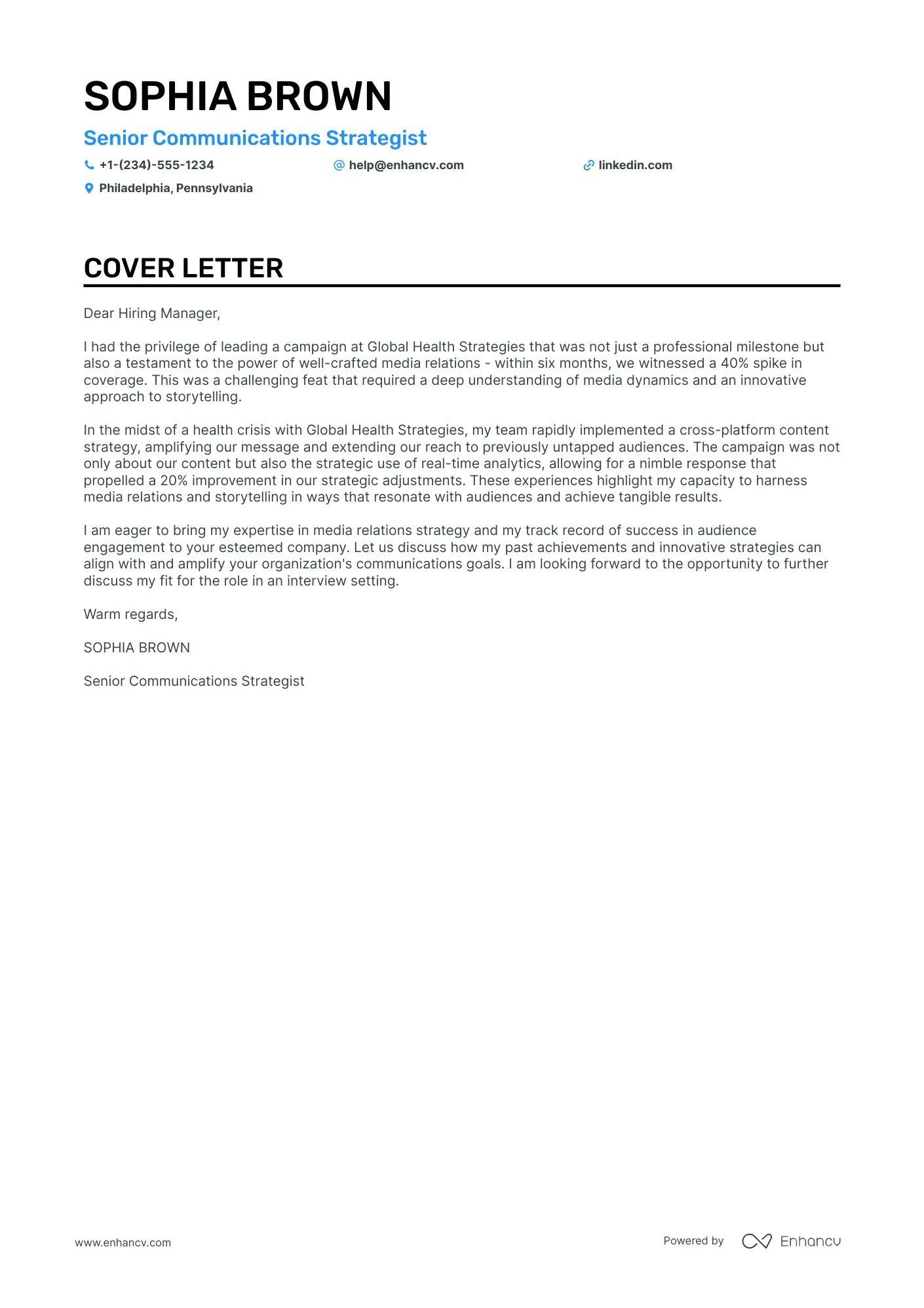
Crafting a News Reporter Cover Letter
A news reporter cover letter is your first impression on a potential employer. It’s your opportunity to showcase your skills, experience, and passion for journalism. Writing a compelling cover letter is crucial to grabbing the hiring manager’s attention and securing an interview. A well-crafted letter highlights your qualifications and demonstrates why you are the perfect fit for the role. The best cover letters go beyond simply listing qualifications; they tell a story, showcasing your personality and enthusiasm for the news industry. This guide will provide a step-by-step approach to help you create a standout cover letter.
Researching the News Organization
Before you start writing, thoroughly research the news organization. Visit their website, read recent articles, and understand their mission and values. This research helps you tailor your cover letter to their specific needs and demonstrate your genuine interest. Identify the key areas they cover and the style of reporting they prefer. This shows you are not sending a generic application, but are genuinely interested in working for that particular organization. Showcasing that you understand the organization’s specific needs can significantly increase your chances of getting noticed. Pay attention to the organization’s recent achievements, awards, or any unique aspects of their work.
Understanding the Role of a News Reporter

A news reporter’s primary responsibility is to gather, write, and present news stories to the public. This involves conducting interviews, researching information, and crafting engaging narratives. Successful news reporters are adept at quickly understanding complex issues, verifying facts, and meeting deadlines. They must possess strong communication skills, both written and verbal, and be able to work effectively under pressure. They must be impartial and adhere to ethical journalistic practices. Understanding the role ensures your cover letter reflects the key skills and attributes employers seek. Make sure you also keep abreast of current news trends and developments in the media landscape.
Key Elements of a News Reporter Cover Letter
A strong news reporter cover letter includes several key elements that work together to create a compelling narrative. Each section serves a specific purpose in highlighting your qualifications and making a positive impression. The main components typically include your contact information, the date, the recipient’s information, a professional salutation, an introductory paragraph, body paragraphs that showcase your skills and experience, a call to action, and a closing statement. Pay close attention to the length and ensure that you keep the language concise and engaging. Keep the language professional and reflect the organization’s style.
Your Contact Information
Start your cover letter by including your full name, address, phone number, and email address. This information should be at the top of the page, typically aligned to the left or right. Make sure your contact information is up-to-date and professional. Double-check for any typos to prevent any communication issues. Your email address should be professional-sounding (e.g., firstname.lastname@email.com) and not use any nicknames or unprofessional language. Make it easy for the employer to reach you. Presenting this information at the top makes it convenient for the hiring manager to contact you promptly.
Date and Recipient Information

Below your contact information, include the date and the recipient’s details. Include the date you are writing the letter and the hiring manager’s name, title, and the news organization’s address. If you know the hiring manager’s name, address the letter directly to them. If you are unsure, you can use a general title like “Hiring Manager” or “Editor”. Addressing the letter to a specific person adds a personal touch and demonstrates that you’ve done your research. It shows that you pay attention to detail and are proactive in your job search. Ensure you spell the recipient’s name and job title correctly.
Writing the Salutation
The salutation sets the tone for your cover letter. If you know the hiring manager’s name, use “Dear Mr./Ms./Mx. [Last Name]:” This shows respect and personalizes your application. If you are addressing the letter to a general title, use “Dear Hiring Manager:” or “Dear Editor-in-Chief:”. Avoid outdated salutations like “To Whom It May Concern.” The salutation should always be followed by a colon. Ensure the salutation is professional and appropriate for the specific news organization. A good salutation sets the tone for the entire letter and makes a positive first impression.
Highlighting Your Skills and Experience
The body of your cover letter is where you highlight your relevant skills and experience. Tailor the content to match the job description and the news organization’s requirements. Discuss your experience in reporting, writing, interviewing, and researching. Provide specific examples of your work, such as stories you have written or investigations you have conducted. Use the STAR method (Situation, Task, Action, Result) to provide context and demonstrate your achievements. Quantify your accomplishments whenever possible, such as the number of articles written or the impact of your reporting. Focus on the most relevant skills that align with the job description.
Showcasing Your Reporting Skills

Demonstrate your reporting skills by showcasing your ability to gather information, conduct interviews, and write clear, concise news stories. Highlight your experience in researching topics, verifying facts, and meeting deadlines. Provide examples of stories where you broke news, investigated an issue, or presented a complex topic in an accessible way. If you have multimedia experience, mention your ability to create videos, podcasts, or social media content. Emphasize your ability to work independently and as part of a team. Show that you are a versatile reporter capable of handling diverse assignments.
Demonstrating Writing and Communication Abilities
Exceptional writing and communication skills are critical for a news reporter. Demonstrate your ability to write clear, concise, and engaging stories that captivate the audience. Highlight your experience with different writing styles, such as news articles, features, and investigative pieces. Mention any awards or recognition you’ve received for your writing. Include examples that showcase your storytelling abilities, descriptive language, and ability to convey information effectively. Your cover letter itself is an example of your writing skills; ensure it is free of errors and professionally written. Show your ability to communicate complex information to a diverse audience.
Emphasizing Your Passion for Journalism
Showcase your passion for journalism and explain why you are drawn to the news organization and the specific role. Share what inspires you about journalism, such as your dedication to uncovering the truth, informing the public, or holding powerful individuals and institutions accountable. Mention any specific areas of journalism that interest you, such as local news, investigative reporting, or political analysis. Demonstrate how the news organization aligns with your values and career goals. The stronger your passion for journalism, the more likely you are to be a successful news reporter. Your enthusiasm will make a positive impression.
Tailoring Your Letter to the Job Description

Customize your cover letter to the specific job description. Review the job posting carefully and identify the key requirements, skills, and qualifications the employer seeks. Address each requirement directly in your cover letter, providing examples of how your experience and skills match their needs. Use keywords from the job description to demonstrate your familiarity with the industry and the position. Tailoring your letter shows the employer that you have paid attention to their needs and are a good fit for the position. Adapt your letter to reflect the culture and focus of the news organization.
Mentioning Relevant Experiences
Include specific experiences that are relevant to the news reporter position. This could include internships, freelance writing assignments, or previous roles in journalism or related fields. Describe your responsibilities and accomplishments in each role, emphasizing the skills you developed and the impact you made. Provide concrete examples of your work. If you covered a specific beat or topic, mention it and detail your experience. Quantify your achievements wherever possible, such as the number of articles you wrote or the audience reach you achieved. Ensure that the experiences you share support the skills and qualities the employer seeks.
Adding a Strong Call to Action
Conclude your cover letter with a strong call to action, encouraging the hiring manager to take the next step. Express your interest in an interview and mention your availability. Clearly state how you can be reached and reiterate your enthusiasm for the opportunity. Provide a clear and concise closing statement, thanking the hiring manager for their time and consideration. Reiterate your interest in the position and your confidence in your ability to excel. The call to action encourages the employer to contact you and move forward with the hiring process. End on a positive note and leave a lasting impression.
Expressing Enthusiasm for the Opportunity

Demonstrate your enthusiasm for the opportunity to work for the news organization. Show that you have a genuine interest in their work and the role. Mention any specific aspects of their reporting or coverage that you admire. Express your excitement about the possibility of contributing to their team and making a difference. Your enthusiasm is an important element of your cover letter; it shows the employer that you are truly passionate about the job and will be a valuable asset. Your enthusiasm can help you stand out from other candidates.
Proofreading and Editing Your Cover Letter
Before submitting your cover letter, carefully proofread and edit it for any errors. Check for grammatical errors, spelling mistakes, and typos. Ensure the letter is well-organized, clear, and concise. Ask a friend, mentor, or career counselor to review your cover letter for feedback. Double-check all the details, including the recipient’s name and the name of the news organization. A polished cover letter shows that you pay attention to detail and take pride in your work. A poorly written or error-filled letter can lead to your application being rejected. Make sure your writing is easy to read and professional.
Ensuring Clarity and Professionalism
Ensure that your cover letter is clear, concise, and professional in tone. Avoid jargon, slang, and overly casual language. Use a professional font, such as Times New Roman, Arial, or Calibri, and maintain a consistent font size throughout. The language should be appropriate for the news industry and aligned with the tone of the specific organization you are applying to. Avoid using excessive exclamation points or exclamation marks. Keep your sentences and paragraphs focused, and avoid being overly wordy. Make sure that the cover letter is formatted properly, and it is easy to read.
Reviewing for Grammatical Errors

Thoroughly review your cover letter for any grammatical errors. Grammatical errors can detract from your credibility and professionalism. Use a grammar checker to help identify any mistakes. Check your punctuation, verb tenses, and sentence structure. Ensure that your writing is clear and easy to understand. Mistakes can undermine your qualifications. If necessary, have someone else proofread your cover letter. Taking the time to review for these errors is an important part of the process. A well-written cover letter reflects positively on your attention to detail and writing skills.
Formatting Your Cover Letter
The formatting of your cover letter is crucial to make it visually appealing and easy to read. Use a standard business letter format, with your contact information at the top, the date, and the recipient’s information. Use a clear, easy-to-read font, such as Times New Roman, Arial, or Calibri, in a size between 11 and 12 points. Use one-inch margins on all sides of the page. Maintain consistent spacing throughout the letter. Use appropriate headings and subheadings to break up the text and improve readability. The formatting of your cover letter will make a great first impression.
Choosing a Professional Font
Select a professional font that is easy to read and suitable for a business letter. Common choices include Times New Roman, Arial, and Calibri. Avoid using overly stylized or unusual fonts. The font size should be between 11 and 12 points. Ensure the font is clear and legible, so the hiring manager can easily read your cover letter. The font choice should complement the overall design and readability of your cover letter. The right font will make a professional impression and support your overall message.
Structuring Your Letter Effectively
Structure your cover letter effectively to highlight your skills and experience. Start with a compelling introduction that grabs the reader’s attention. Use the body of the letter to showcase your qualifications and provide specific examples. Use clear and concise paragraphs to explain your skills and accomplishments. End with a strong call to action. The letter should flow logically, making it easy for the reader to understand your key points. Ensure the structure guides the reader through your qualifications and demonstrates your interest in the role.
Examples of Successful News Reporter Cover Letters
Reviewing examples of successful news reporter cover letters can help you understand the elements of a winning application. Look for examples that demonstrate strong writing skills, showcase relevant experience, and highlight the candidate’s passion for journalism. Pay attention to the structure, tone, and content of the letters. Adapt successful elements to your own letter, but avoid plagiarism. Understanding what works in other cover letters can give you a strong starting point. Analyze and model your letter after successful examples but ensure originality and authenticity.
Analyzing Effective Cover Letter Samples
When analyzing cover letter samples, look for what makes them effective. Identify how the candidates showcase their skills, provide specific examples of their work, and express their enthusiasm for the role. Observe how they tailor their letters to the job description and the news organization’s mission. Pay attention to the tone and writing style and how it reflects the candidate’s personality and professionalism. Analyzing effective cover letters can provide insights into writing style, structure, and language. Focus on how they present their experiences and connect them to the job requirements.
Tips for Standing Out From the Competition
To stand out from the competition, personalize your cover letter and tailor it to the specific job and organization. Highlight unique skills, experiences, or achievements that differentiate you from other candidates. Showcase your personality and passion for journalism. Include a portfolio of your work and links to your online articles or videos. Use the STAR method to provide context and demonstrate your accomplishments. Show, don’t tell; using examples helps give hiring managers a clear idea of your abilities. Present a polished, professional cover letter that reflects your unique skills and enthusiasm.