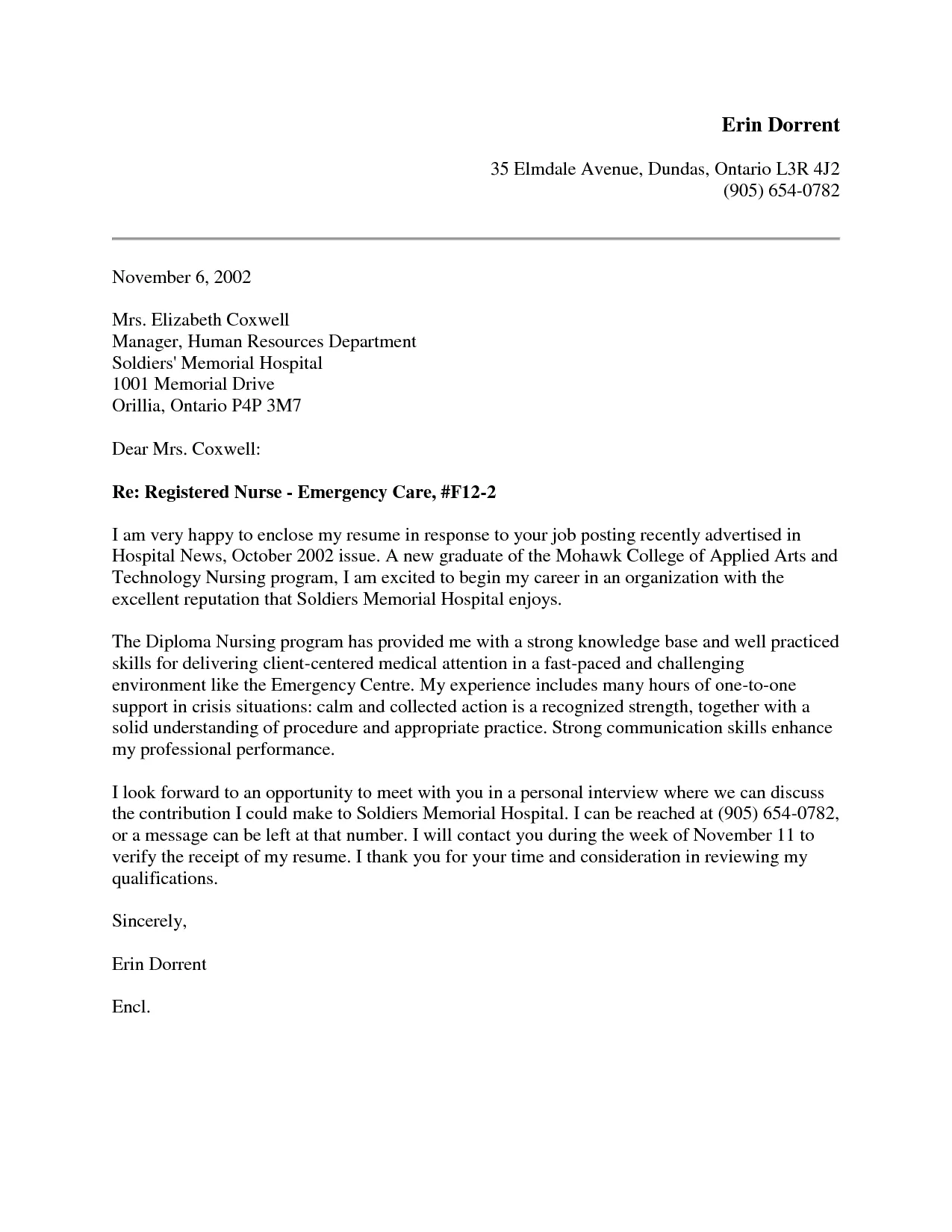
Understanding the Importance of a New Grad RN Cover Letter
As a new graduate registered nurse, the job market can seem daunting. You’re eager to start your career, but you’re also competing with experienced professionals. That’s where a compelling cover letter becomes your secret weapon. It’s your first impression, your chance to stand out, and your opportunity to showcase why you’re the ideal candidate. It’s not just about listing your qualifications; it’s about telling your story, demonstrating your passion, and convincing the hiring manager that you’re the perfect fit for their team. A well-crafted cover letter can significantly increase your chances of landing an interview and ultimately, the job you desire. This document is more than a formality; it’s a crucial tool for navigating the early stages of your nursing career.
Why a Cover Letter Matters
A cover letter provides context to your resume. While your resume lists your skills, education, and experience, a cover letter allows you to elaborate on these points and connect them to the specific job and the needs of the employer. It shows that you’ve researched the role and the organization, and that you understand what they’re looking for in a new graduate RN. By addressing the hiring manager directly and personalizing your letter, you demonstrate your genuine interest and enthusiasm. In today’s competitive job market, a well-written cover letter can be the deciding factor between getting an interview and being overlooked.
Highlighting Your Qualifications

Your cover letter is your opportunity to highlight your qualifications in a way that a resume alone cannot. Focus on the skills and experiences that align with the job description. If the job requires strong communication skills, provide specific examples of times you demonstrated these skills in clinical settings or during group projects. If you have experience with specific patient populations or medical technologies, be sure to mention those. Remember to quantify your achievements whenever possible, using numbers and specific examples to illustrate your capabilities. Even if you’re a new graduate, you likely have valuable experiences from your clinical rotations, volunteer work, or extracurricular activities. The key is to connect these experiences to the requirements of the job.
Key Components of a Strong New Grad RN Cover Letter
Contact Information and Introduction
Start with your contact information: your full name, phone number, email address, and LinkedIn profile URL (if you have one). Then, address the hiring manager by name whenever possible. Research the organization to find out who is responsible for hiring. Your introduction should immediately grab the reader’s attention. State the position you’re applying for, how you found the job, and a brief statement about why you’re interested. Show your enthusiasm and clearly state your intentions. This sets the tone for the rest of your letter and encourages the hiring manager to continue reading.
Skills and Experience Section

This is where you highlight your skills and experiences that are relevant to the job. Tailor this section to the specific requirements listed in the job description. Focus on the skills that the employer values most, such as patient care, critical thinking, communication, and teamwork. Provide specific examples of how you’ve demonstrated these skills in the past. For example, you might describe a time you effectively communicated with a patient and their family, or a situation where you successfully managed a critical patient situation. If you have any clinical experience, internships, or volunteer work, describe your role and the responsibilities you held.
Education and Certifications
Briefly mention your nursing education, including the name of your school, your degree (e.g., Bachelor of Science in Nursing), and your graduation date or expected graduation date. Highlight any academic achievements, such as Dean’s List or honors. Also, list any relevant certifications or licenses you hold, such as BLS, ACLS, or your RN license (or the date you expect to receive it). Make sure to mention any specialized training or coursework that aligns with the job requirements. Emphasize any clinical rotations that are relevant to the position you’re applying for, and the skills you gained during these rotations.
Demonstrating Passion and Fit
Convey your genuine passion for nursing and your desire to work for this specific organization. Research the organization’s mission, values, and recent achievements. Explain why you’re drawn to their values and how your personal and professional goals align with theirs. Describe what makes you excited about nursing and the opportunity. Mention specific aspects of the job that appeal to you and how you believe you can contribute to the team. This shows the hiring manager that you’re not just looking for a job, but that you’re committed to the field of nursing and this specific organization.
Formatting Your Cover Letter for Success

Choosing the Right Font and Style
Choose a professional and easy-to-read font, such as Times New Roman, Arial, or Calibri. Keep the font size between 10 and 12 points. Maintain a consistent font throughout your letter. Use a clean and modern layout with ample white space to make your letter visually appealing and easy to read. Avoid using overly decorative fonts or excessive formatting, as this can distract from your content. Simple, clear formatting projects an image of professionalism and attention to detail. The formatting of your letter should be consistent with the overall tone of your job application.
Proper Length and Structure
Keep your cover letter concise and focused. Aim for a one-page letter; hiring managers often don’t have time to read lengthy documents. Divide your letter into logical paragraphs with clear headings to make it easy to scan. Start with an engaging introduction that grabs the reader’s attention. Follow with a few paragraphs highlighting your skills and experience, focusing on how they relate to the job requirements. Conclude with a strong closing statement that reiterates your interest and includes a call to action. Ensure your letter has a clear beginning, middle, and end.
Proofreading and Editing

Proofread your cover letter carefully for any typos, grammatical errors, and spelling mistakes. These errors can create a negative impression and make you look unprofessional. Use a grammar checker, but don’t rely on it completely. Always read your letter aloud to catch any awkward phrasing or mistakes. Ask a friend, family member, or career advisor to proofread your letter as well. Getting a second pair of eyes can help you spot errors that you might have missed. A polished, error-free cover letter demonstrates your attention to detail and your commitment to excellence.
Sample Cover Letter: New Grad RN
Example Letter 1
Here is an example that you can adjust
[Your Name] [Your Address] [Your Phone Number] [Your Email]
[Date]
[Hiring Manager Name] (If you know it) [Hiring Manager Title] [Hospital/Clinic Name] [Hospital/Clinic Address]
Dear [Mr./Ms./Mx. Last Name],
I am writing to express my enthusiastic interest in the Registered Nurse position at [Hospital/Clinic Name], as advertised on [Platform where you saw the job posting]. As a recent graduate of [Nursing School Name] with a Bachelor of Science in Nursing, I am eager to begin my career in a supportive and patient-centered environment.
During my clinical rotations in [Relevant clinical areas, e.g., Medical-Surgical, ICU], I gained hands-on experience in providing comprehensive patient care, administering medications, and collaborating with interdisciplinary teams. I developed a strong foundation in [mention key skills like assessment, critical thinking, wound care etc.]. I am particularly passionate about [specific area of nursing] and am drawn to [Hospital/Clinic Name]’s commitment to [mention hospital value, e.g., patient safety, community involvement].
I am a highly motivated and compassionate individual with excellent communication and problem-solving skills. I am a quick learner, adaptable, and dedicated to providing the highest quality of care. I am confident in my ability to contribute positively to your nursing team.
I am excited about the opportunity to join [Hospital/Clinic Name] and further develop my nursing skills. Thank you for your time and consideration. I have attached my resume for your review and welcome the opportunity to discuss my qualifications further.
Sincerely, [Your Signature (if printing)] [Your Typed Name]
Example Letter 2

Here is a second example cover letter
[Your Name] [Your Address] [Your Phone Number] [Your Email]
[Date]
[Hiring Manager Name] [Hiring Manager Title] [Hospital/Clinic Name] [Hospital/Clinic Address]
Dear [Mr./Ms./Mx. Last Name],
I am writing to express my strong interest in the Registered Nurse position at [Hospital/Clinic Name]. As a recent graduate nurse, I am enthusiastic and ready to contribute my skills and dedication to your team.
During my clinical experience, I have developed a strong understanding of patient care, assessment, and medication administration. In particular, I have excelled in [specific skills or clinical settings]. I am a compassionate and empathetic individual with a strong commitment to patient well-being. I have a passion for [mention a specialty or specific area of nursing].
I have excellent communication skills and enjoy working in a collaborative environment. I am eager to learn and grow within your organization. I am confident that I can quickly adapt to your standards and provide excellent care.
I am excited to start my nursing career at [Hospital/Clinic Name]. Thank you for your time and consideration. I have attached my resume for your review.
Sincerely, [Your Signature (if printing)] [Your Typed Name]
Common Mistakes to Avoid
Generic Language
Avoid using generic phrases and clichés that could apply to any candidate. Instead of saying you’re a ‘hard worker’ or ’team player,’ provide specific examples that demonstrate these qualities. Replace generic statements with concrete details about your skills, experiences, and accomplishments. Be specific about what you bring to the table and how you can contribute to the organization. Tailor your cover letter to the specific job and the organization, demonstrating that you’ve done your research and understand their needs.
Focusing on Yourself Instead of the Employer

While it’s important to highlight your qualifications, make sure your cover letter isn’t solely about you. Focus on how you can meet the employer’s needs and contribute to their goals. Frame your skills and experiences in terms of the value you can bring to the organization. Research the employer’s mission, values, and recent achievements, and tailor your letter to demonstrate how your skills and experiences align with their needs. Show the hiring manager how you can help them achieve their goals. Demonstrate your understanding of their needs and how you can contribute to their success.
Typos and Grammatical Errors
Typos and grammatical errors can undermine your credibility and make you look unprofessional. Always proofread your cover letter carefully before submitting it. Use a grammar checker, but don’t rely on it completely. Read your letter aloud to catch any awkward phrasing or mistakes. Ask a friend, family member, or career advisor to proofread your letter as well. A polished, error-free cover letter demonstrates your attention to detail and your commitment to excellence. Ensure your cover letter is perfect before sending it.
Conclusion
Crafting a strong cover letter is an essential step in the job application process for new graduate RNs. By highlighting your qualifications, demonstrating your passion, and showcasing your understanding of the employer’s needs, you can significantly increase your chances of landing an interview and securing your first nursing role. Take the time to tailor your cover letter to each job you apply for, and remember to proofread carefully. Your cover letter is your first impression; make it count.
Next Steps

Now that you’ve reviewed these cover letter samples and tips, it’s time to start working on your own. Review the job descriptions, research the organizations, and begin drafting your cover letters. Be sure to tailor each letter to the specific job and the organization. Proofread carefully and ask for feedback from trusted sources. With a well-crafted cover letter, you’ll be well on your way to launching a successful nursing career. Good luck in your job search and future endeavors!