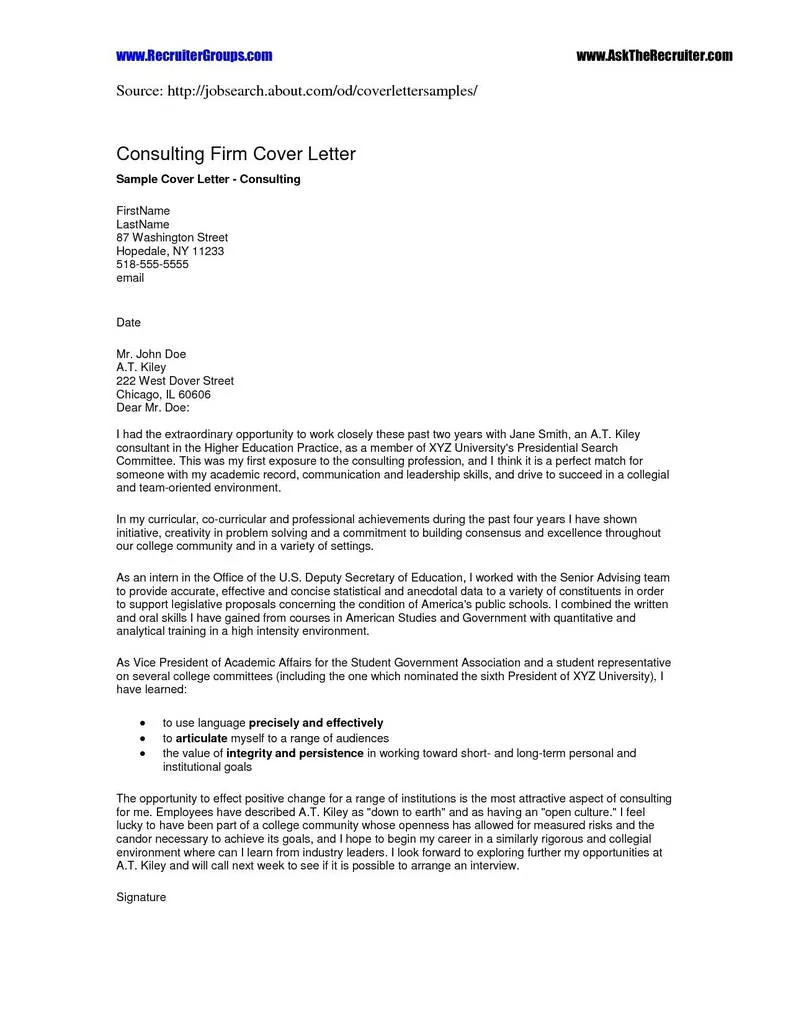
Understanding the N-400 Application
The N-400, Application for Naturalization, is the official form used to apply for U.S. citizenship. This process can be complex and requires careful attention to detail. A well-crafted cover letter is not a mandatory part of the N-400 application, but it significantly increases the chances of a smooth and successful application. It provides an opportunity to introduce yourself, clarify any ambiguities, and present your case in a clear, concise manner. It is a chance to tell your story and explain your journey towards becoming a U.S. citizen. This is the first step towards achieving your dream of becoming a U.S. citizen.
Key Components of an Effective N-400 Cover Letter
An effective cover letter should act as a roadmap for the USCIS officer reviewing your application. It should concisely summarize your application, highlight key aspects, and make it easy for the officer to understand why you qualify for naturalization. The letter should be professional, well-organized, and free of grammatical errors. The goal is to help the officer quickly grasp the core elements of your application and be prepared to move forward with the review process, ultimately leading to an interview and hopefully, approval. Think of it as the first impression you are making with the USCIS.
Applicant’s Information and Purpose

Begin your cover letter by clearly stating your full name, address, and date of birth. This immediately identifies the applicant and ensures the USCIS officer can quickly link the letter to the N-400 form. Following this, explicitly state the purpose of the letter – that it is in support of your application for naturalization. Include your A-Number (Alien Registration Number) or USCIS online account number, as this is crucial for the USCIS to efficiently process your application. This initial section sets the stage for the rest of the letter by providing essential identification and the reason for the submission.
Eligibility and Supporting Documents
Briefly state the basis for your eligibility for naturalization (e.g., five-year rule, three-year rule based on marriage to a U.S. citizen). List the key supporting documents included with your application, such as your Permanent Resident Card (Green Card), copies of your passport, and any other relevant documentation like marriage certificates, tax returns, and employment records. This list acts as a table of contents, guiding the officer through your application packet. Clearly referencing each document in your cover letter helps USCIS track all the material you are submitting. Make sure every document is clearly identified.
Highlighting Key Qualifications and Compliance
Use this section to briefly highlight your qualifications. This includes mentioning that you have met the continuous residence and physical presence requirements, that you are of good moral character, that you are willing to support and defend the Constitution of the United States, and that you have demonstrated an understanding of the English language, civics, and U.S. history. This section is a chance to emphasize the positive aspects of your case. Reference that you have complied with all USCIS regulations. Any potential issues should be addressed in a separate section, which can include a clear explanation and relevant evidence. This shows proactive management of the application.
Proof of Continuous Residence

Explain how you have maintained continuous residence in the U.S. for the required period. If you have been outside the U.S., briefly explain the absences and provide documentation that supports your claims, such as copies of your passport showing your travel dates. If you had multiple trips, make sure you include all the travel information in the cover letter, along with the supporting documents. If you had any extended absences, clearly explain the circumstances and how you maintained your ties to the U.S. during those times. Emphasize that your trips were temporary and that you always intended to return to the U.S. and maintain your permanent residence.
Good Moral Character Evidence
Provide evidence of your good moral character. This includes any documents demonstrating that you have not committed any crimes or have any pending legal issues. Include records showing that you have paid your taxes and have complied with all U.S. laws. If you have had any brushes with the law, it is essential to provide details, including documentation like police reports or court records. The key is transparency and honesty. Disclosing any issues upfront, along with explanations and supporting documents, shows that you are taking responsibility for your actions. This proactive approach helps build trust with the USCIS officer.
Application Checklist and Organization
A well-organized application significantly increases the chances of approval. Include a checklist in your cover letter that lists every document included in the packet. This not only helps the USCIS officer but also helps you keep track of what you are submitting. Organize your application in a clear and logical manner. Consider using tabs or dividers to separate different sections of your application packet, making it easier for the officer to review the material. Ensure all documents are easily readable and well-organized. Highlighting this organization in your cover letter makes the process easier and shows professionalism.
Proper Formatting and Tone for Cover Letter

Use a professional and formal tone throughout your cover letter. Address the letter to the USCIS office where you are submitting your application. Keep the language clear, concise, and easy to understand. Avoid slang, jargon, or overly complex sentences. Proofread the letter carefully for any grammatical errors or typos. The formatting should be consistent, with a standard font and spacing. Ensure your contact information is prominently displayed. Use a polite and respectful tone throughout. Remember, this is a formal document that represents your application and can influence the officer’s perception of your case.
Essential Do’s and Don’ts for N-400 Cover Letters
Do: Be clear, concise, and organized. Include all relevant information and supporting documentation. Proofread carefully. Maintain a professional and respectful tone. Do Not: Be vague or ambiguous. Include irrelevant information. Omit important details or documents. Use slang or jargon. Make the letter overly long or complex. Avoid exaggeration, and always be truthful in your statements. Honesty is paramount to your chances for success. If you have any questions, it is advisable to seek legal advice.
Review and Submission Process
Before submitting your application, review the entire packet to ensure that everything is correct, complete, and well-organized. Make copies of everything for your records. Consider having an immigration attorney or a qualified professional review your application. This can catch any errors or omissions before submission. Once you are satisfied with your application, submit it to the appropriate USCIS service center. Keep track of your application, and retain all the communications. Prepare for the interview, and be ready to answer all the questions accurately. Good luck with your application process!