What is a Margins Cover Letter?
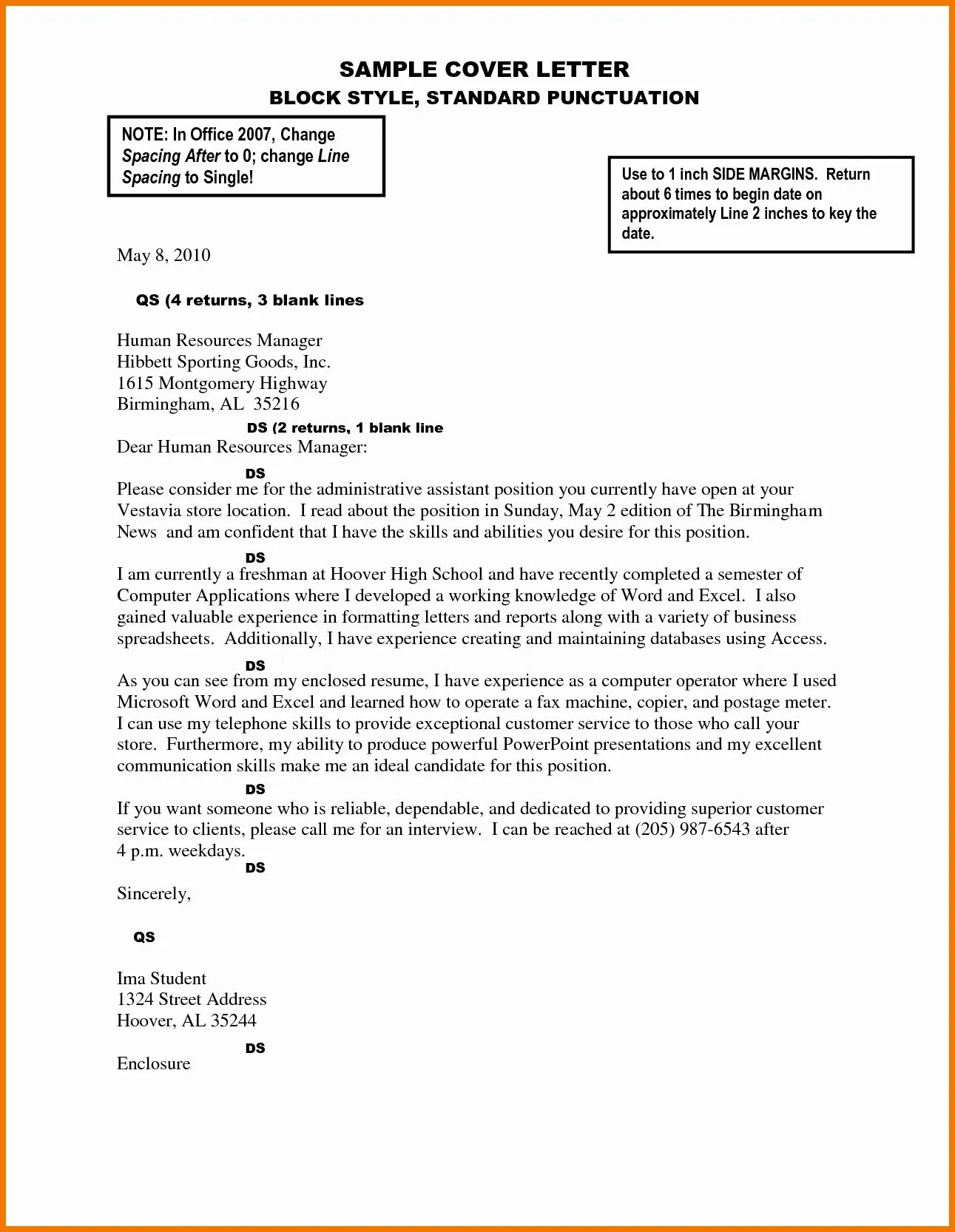
A margins cover letter is a formal document that accompanies your resume when applying for a job. It serves as your introduction to a potential employer and provides a concise overview of your qualifications, skills, and experience. Unlike a resume, which is a factual record of your career, a cover letter allows you to express your personality, demonstrate your interest in the specific role, and highlight how your abilities align with the job requirements. When crafting a cover letter, attention to detail is paramount, and one often overlooked aspect is the margins. Proper use of margins in a cover letter is crucial for its overall presentation and readability. They frame the content, ensuring that the text is visually appealing and easy to navigate.
Why is a Margins Cover Letter Important?
The importance of a well-formatted margins cover letter cannot be overstated. A cover letter is often the first impression you make on a potential employer, and it sets the tone for your application. The margins in your cover letter impact the visual appeal and readability. Standard margins (typically 1 inch on all sides) create balance and prevent the text from appearing cramped or overwhelming. Well-defined margins enhance readability by providing ample white space around the text. This makes your cover letter easier to scan and digest, which is especially important for busy hiring managers who may be reviewing numerous applications. Moreover, using proper margins demonstrates your attention to detail and professionalism. A cover letter with inconsistent or unconventional margins can appear sloppy, while a letter with thoughtfully designed margins conveys that you are meticulous and care about presenting your best self.
Key Components of a Margins Cover Letter

Understanding the key components of a margins cover letter is essential for crafting an effective document. Each section plays a crucial role in presenting your qualifications and making a positive impression on the hiring manager. Starting with the header and including the salutation, the body paragraphs to the closing, each part should be meticulously written and formatted to align with standard professional conventions.
Header Information
The header of your margins cover letter typically includes your contact information. This section allows the recipient to easily identify you and reach out to you. Include your full name, address, phone number, and email address. Ensure that the information is accurate and up-to-date. The header should be aligned to the left or right margin, depending on the style of your letter, and should be formatted consistently with a clear, readable font. This is the first thing a hiring manager sees, so it must be precise and professional.
Date
Below your header, include the date on which you are writing the cover letter. This helps the recipient know when you submitted the application and is a standard element in formal correspondence. Format the date consistently, such as Month Day, Year (e.g., January 20, 2024). The date is usually aligned with the left or right margin, depending on the overall layout of your cover letter.
Recipient Information

The recipient information includes the name and title of the hiring manager or the person to whom you are addressing the letter, the company name, and the company’s address. This section demonstrates that you have researched the company and are specifically tailoring your application to the role. If possible, address the cover letter to a specific person; this shows that you have taken the time to find out who will be reading the application. Align the recipient information consistently with the margins.
Salutation
The salutation is your greeting. Start with a professional salutation like “Dear Mr./Ms./Mx. [Last Name]” if you know the hiring manager’s name. If you do not know the name, use a general salutation such as “Dear Hiring Manager” or “Dear [Department Name] Team.” Avoid outdated salutations like “To Whom It May Concern.” The salutation is followed by a colon and should be aligned with the left margin.
Body of the Margins Cover Letter
The body of your margins cover letter is where you elaborate on your qualifications and express your interest in the position. It is typically divided into three or four paragraphs. Each paragraph should have a clear purpose and should focus on specific aspects of your skills, experience, and why you are a good fit for the job. Maintaining consistent margins throughout the body of the letter is crucial for maintaining a clean and professional look.
First Paragraph Focus

The first paragraph should introduce yourself, state the position you are applying for, and explain where you found the job listing. Briefly mention your strongest qualifications or your most relevant experience. Keep it concise and engaging to capture the reader’s attention from the start. This paragraph sets the stage for the rest of your letter and gives the reader a quick overview of who you are and why you are writing. Use strong and compelling language to make a memorable first impression.
Second Paragraph Benefits
In the second paragraph, highlight how your skills and experience align with the job requirements. Provide specific examples of your achievements and quantify them whenever possible. Focus on how your qualifications can benefit the company and solve their problems. Tailor this section to match the specific requirements of the job description, demonstrating that you have done your homework and understand what the employer is looking for. This is your opportunity to show the value you bring to the table.
Third Paragraph Closing
The final paragraph should reiterate your interest in the position, thank the hiring manager for their time and consideration, and include a call to action. Express your enthusiasm for the opportunity and mention that you look forward to hearing from them soon. Include your contact information again, ensuring that it is easy for the recipient to reach you. Keep the tone professional and positive, and avoid clichés. This is the final impression you leave, so make it count.
Formatting Techniques for Your Margins Cover Letter

Effective formatting is essential for creating a visually appealing and readable margins cover letter. Attention to detail in formatting can significantly improve the overall presentation and make your application stand out. Proper formatting enhances readability and shows that you are meticulous, which is an important quality for any job candidate. Consistent formatting across all sections of your cover letter demonstrates that you are attentive to detail and capable of producing polished, professional work. By carefully selecting your font, spacing, and alignment, you can ensure that your cover letter is easy to read, visually appealing, and effectively communicates your qualifications.
Margins Cover Letter Font Choice
Choosing the right font is critical for readability and professionalism. Select a clean, classic font such as Times New Roman, Arial, Calibri, or Helvetica. Avoid overly decorative or unusual fonts that can be difficult to read. Keep the font size between 10 and 12 points for optimal readability. Ensure the font is consistent throughout the entire document, including your name, address, and contact details. Consistency shows professionalism. The font choice should be clean and readable to help the hiring manager focus on the content of the letter.
Margins Cover Letter Line Spacing
Use single or 1.15 line spacing throughout your cover letter. Double spacing can make the document appear too long and less concise. Single spacing creates a professional and organized look. Line spacing is crucial for creating an organized look that’s easy to read. Adjust the line spacing to ensure that the text is not too crowded or spread out. A standard line spacing enhances readability.
Margins Cover Letter Paragraph Alignment
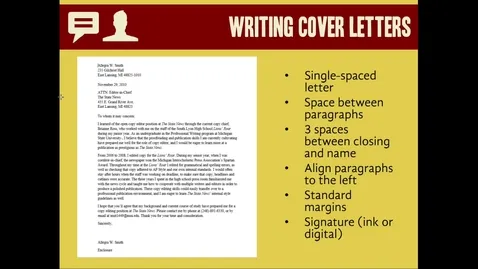
Left alignment is the standard for cover letters. This means that the text is aligned to the left margin, with the right margin being uneven or “ragged.” Avoid full justification (where the text is aligned to both the left and right margins), as this can create awkward spacing between words and reduce readability. Consistent alignment ensures that the document looks neat and professional. Left alignment is the most common choice, and it is generally the most readable option for most readers, making it perfect for margins cover letter.
Proofreading and Editing Your Margins Cover Letter
Proofreading and editing are essential steps in the cover letter writing process. A cover letter full of errors can undermine your credibility and make you appear careless, no matter how impressive your qualifications are. Take the time to thoroughly review your margins cover letter for any errors in grammar, spelling, punctuation, and formatting. Before sending your application, carefully check all sections to ensure there are no mistakes. Proofreading is also important because errors, no matter how small, can detract from your message and leave a negative impression on potential employers.
Common Mistakes to Avoid
Several common mistakes can detract from the effectiveness of your cover letter. Avoid typos, grammatical errors, and inconsistencies in formatting. Ensure that the margins are consistent throughout the document. Do not use jargon or overly complex language, and tailor your letter to the specific job you are applying for. Generic cover letters that are not tailored to the specific job requirements are easily noticeable and often result in rejection. Always double-check the name and title of the hiring manager and the company information. Failing to proofread your cover letter for errors can also negatively impact your application and present you as careless.
Margins Cover Letter Example

To ensure your understanding, it’s helpful to study a well-formatted margins cover letter example. Review sample cover letters to learn proper formatting, layout, and language usage. These samples can provide ideas for structuring your letter, highlighting your qualifications, and addressing the hiring manager. Consider each section of the example, including the header, salutation, body paragraphs, and closing. Examples offer guidance on how to present your information in a clear, concise, and professional manner. You can adapt the layout and language to fit your specific situation and industry.
In conclusion, a well-crafted margins cover letter is a critical component of a successful job application. By paying attention to the formatting details, including the use of proper margins, font choice, line spacing, and paragraph alignment, you can create a professional document that effectively showcases your qualifications. Remember to tailor each cover letter to the specific job and company, proofread carefully, and always aim to make a positive first impression.