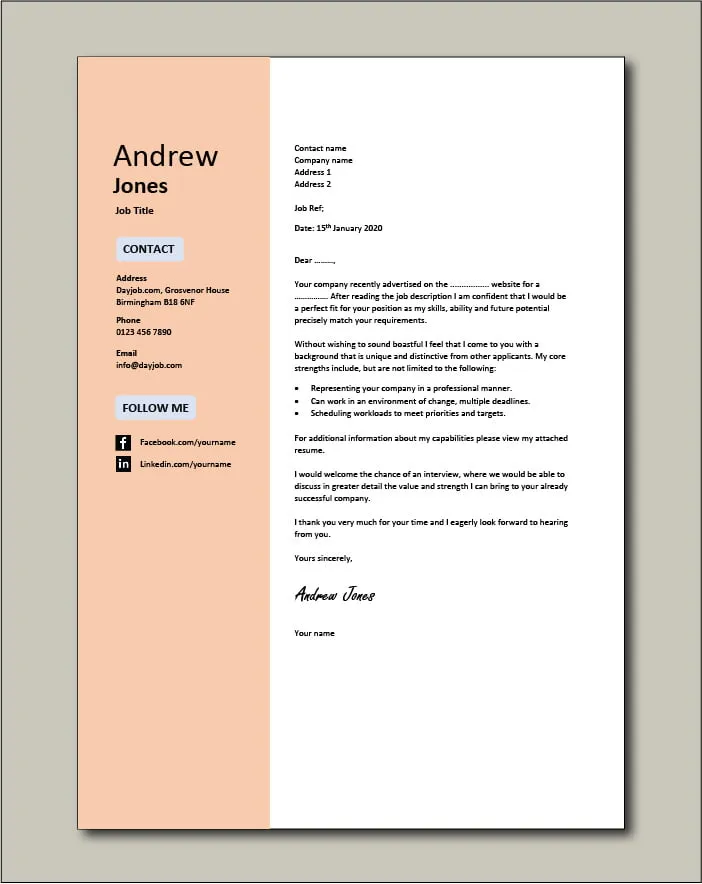
What is a Cover Letter?
A cover letter is a one-page document that you submit with your resume when applying for a job. It serves as an introduction to your resume, highlighting your key qualifications and expressing your interest in the position and the company. It is your opportunity to make a strong first impression and persuade the hiring manager to read your resume. A well-crafted cover letter demonstrates your writing skills, attention to detail, and genuine enthusiasm for the job. It helps you showcase your personality and explain why you are the best fit for the role, going beyond the basic information provided in your resume. Cover letters are essential tools in the job search process and should be customized for each application.
Why Cover Letters Matter
Cover letters are crucial because they provide context to your resume, allowing you to explain how your skills and experiences align with the job requirements. They enable you to expand on your qualifications and demonstrate your understanding of the company and the specific role. A cover letter allows you to highlight achievements and showcase your personality, giving you a competitive edge. Many employers consider cover letters an essential part of the application process, using them to assess your communication skills and attention to detail. Without a cover letter, your application may be overlooked, as it misses the opportunity to make a compelling case for your candidacy. The cover letter provides a platform to express your enthusiasm and explain why you’re a good fit for the role, demonstrating your unique value.
Key Components of a Cover Letter

A well-structured cover letter includes several key components that work together to create a compelling introduction. These components ensure that your letter is clear, concise, and persuasive, making it easy for the hiring manager to understand your qualifications. Each part plays a specific role in highlighting your skills, experiences, and enthusiasm for the job. Properly formatted cover letters also demonstrate attention to detail and professionalism. Including these elements will ensure your cover letter effectively communicates your value to potential employers. The main components include a header, greeting, body paragraphs, and a closing.
Header
The header of your cover letter should include your contact information such as your name, address, phone number, and email address. This information should be clearly displayed at the top of the letter, making it easy for the hiring manager to contact you. Make sure your header is formatted professionally, using a font that matches the rest of your document. The header gives the employer all necessary ways to reach you. Your contact information should also match the information on your resume. This section ensures that the hiring manager can easily reach you if they are interested in moving forward with your application.
Greeting
The greeting, also known as the salutation, sets the tone for your cover letter. Ideally, you should address the hiring manager by name. Research the company and the specific job to find out who will be reviewing applications. If you can’t find a specific name, use a general greeting like “Dear Hiring Manager” or “Dear [Department Name] Team.” Avoid generic greetings such as “To Whom It May Concern,” as these lack a personal touch. A personalized greeting shows that you have taken the time to research the company and the role, increasing the impact of your letter. A well-chosen greeting can create a positive first impression and encourage the reader to continue reading.
Body Paragraphs

The body of your cover letter is where you showcase your qualifications and express your interest in the job. It typically consists of three main paragraphs which are crucial to your application. Each paragraph should serve a specific purpose: the first paragraph states your purpose for writing, the second paragraph highlights relevant skills and experience, and the third paragraph expresses enthusiasm and value. The body paragraphs are the core of your cover letter, allowing you to make a strong case for why you are the best candidate. Use clear and concise language to highlight your key accomplishments and explain how your skills align with the job requirements. Remember to tailor these paragraphs to each job application and the specific needs of the role.
First Paragraph State Your Purpose
In your first paragraph, clearly state the position you are applying for and where you found the job posting. Briefly mention your key qualifications or skills that align with the job requirements. This paragraph should grab the reader’s attention and make them want to learn more about you. Keep it concise and to the point, highlighting your enthusiasm for the opportunity. State why you are interested in this particular role and company. Avoid generic opening lines; instead, make it clear why you are a good fit. This initial paragraph sets the tone for the rest of the letter and gives the hiring manager a quick overview of your purpose. Tailor this section to the specific job requirements to make sure your introduction is relevant and engaging.
Second Paragraph Highlight Relevant Skills and Experience
The second paragraph should showcase your relevant skills and experience. Provide specific examples of how your past experiences have prepared you for this role. Highlight achievements and quantifiable results to demonstrate your abilities. Connect your skills and experiences to the job requirements outlined in the job description. Tailor your examples to match the needs of the employer. Use action verbs to describe your accomplishments and make your contributions sound more impressive. Focus on the most relevant and impactful aspects of your experience. Show, don’t just tell, the hiring manager what you can do by providing concrete evidence of your past successes. Ensure your focus is on how you meet the needs of the job and what you can bring to the table.
Third Paragraph Express Enthusiasm and Value

In your third paragraph, express your enthusiasm for the position and the company. Explain why you are excited about the opportunity and how you can contribute to their goals. Share your understanding of the company’s mission and values, and how your skills align with them. Demonstrate that you have researched the company and are genuinely interested in working there. Reiterate your key qualifications and reiterate your interest in the role. This paragraph should reflect your passion and your understanding of the company’s goals. Make sure to show how you can add value to the team and contribute to its overall success. This is your chance to leave a lasting impression.
Closing Paragraph and Call to Action
Your closing paragraph should summarize your interest in the position and thank the hiring manager for their time and consideration. Include a clear call to action, such as requesting an interview or stating your availability. Reiterate your enthusiasm for the role and express confidence in your ability to contribute to the company’s success. Keep your closing concise and professional, leaving a positive impression. Thank the hiring manager and reiterate your interest in the position. Offering a direct call to action helps the hiring manager know the next step. Proofread carefully for any errors before you finish.
Free Cover Letter Samples
Using free cover letter samples can be a great way to get started. Samples provide you with a template to follow, help you understand the correct structure, and give you an idea of the language to use. There are many free resources online that offer a variety of samples for different job types and industries. However, remember to personalize the samples to reflect your skills and experiences. Avoid simply copying and pasting a sample; customize it to fit your background and the specific job requirements. Ensure that the language and tone of the sample match your professional style. You should adjust the sample based on your qualifications.
Sample Cover Letter for a Marketing Position

For a marketing position, your cover letter should highlight your marketing skills, such as market analysis, content creation, and campaign management. Use action verbs to describe your achievements in previous marketing roles. Showcase your knowledge of marketing tools and technologies. Demonstrate your ability to develop and implement successful marketing strategies. Highlight your experience in social media marketing, SEO, and email marketing. Make sure to convey your understanding of the marketing industry and the company’s target audience. Emphasize your ability to drive results and improve brand awareness. Tailor your letter to the specific requirements of the marketing role you’re applying for, and show how your skills and experience align with the job description.
Sample Cover Letter for an Entry-Level Position
When applying for an entry-level position, your cover letter should emphasize your enthusiasm, transferable skills, and any relevant coursework or internships. Highlight your willingness to learn and contribute to the team. Focus on any projects, volunteer work, or extracurricular activities that demonstrate your abilities. Explain how your skills and experiences align with the company’s values and goals. Show your ability to work well in a team and take on new challenges. Make sure to tailor your letter to the specific requirements of the entry-level position you are applying for. Demonstrate a strong work ethic and a positive attitude. Showcase your adaptability, initiative, and willingness to learn.
Sample Cover Letter for a Senior-Level Position
For a senior-level position, your cover letter should emphasize your leadership skills, strategic thinking, and significant accomplishments. Highlight your experience in managing teams, driving results, and achieving business goals. Focus on your ability to lead and motivate a team. Demonstrate your strategic thinking and your knowledge of the industry. Provide specific examples of your contributions to previous companies. Showcase your experience with executive-level communication and stakeholder management. Make sure to tailor your letter to the specific requirements of the senior-level position, and provide specific examples of your leadership skills. Demonstrate how you can create and implement strategies to improve the company’s performance.
Tips for Writing a Compelling Cover Letter

Writing a compelling cover letter involves several key strategies. The goal is to capture the hiring manager’s attention and convince them that you are the best candidate for the job. To achieve this, tailor your letter to each job, use strong action verbs, and proofread carefully. By following these tips, you can create a cover letter that effectively showcases your skills, experiences, and enthusiasm, increasing your chances of landing an interview. Use these strategies to increase your chances of getting noticed, helping you stand out from other applicants. Remember that each cover letter should be unique.
Tailor Your Letter to Each Job
Customizing your cover letter for each job application is essential. Review the job description carefully and identify the key requirements and qualifications. Align your skills and experiences with the job requirements, highlighting relevant accomplishments. Make sure to use keywords from the job description in your letter. Show the hiring manager that you understand their specific needs. This shows that you understand the job and are genuinely interested in the role. Generic cover letters are quickly discarded. Tailoring your letter demonstrates that you have taken the time to understand the role and the company’s needs. This personalization increases your chances of making a strong impression.
Use Strong Action Verbs
Using strong action verbs in your cover letter can make your accomplishments more impactful and dynamic. Start each bullet point or sentence with a powerful verb that describes your actions and achievements. Instead of stating what you did, show how you made a difference. Examples of strong action verbs include “achieved,” “managed,” “developed,” “implemented,” and “led.” These verbs make your accomplishments more compelling and help the hiring manager understand the impact of your work. Incorporating action verbs in your cover letter makes it more readable. Use these powerful verbs to make a lasting impression.
Proofread Carefully

Proofreading your cover letter is extremely important. Ensure your letter is free of grammatical errors, spelling mistakes, and typos. Errors can detract from your professionalism and credibility. Carefully review your letter for clarity, conciseness, and accuracy. Use a grammar checker and ask a friend or colleague to review your letter as well. Consider reading your cover letter aloud to catch any awkward phrasing or errors. A polished cover letter demonstrates your attention to detail and commitment to quality, increasing your chances of making a positive impression. Taking the time to proofread is critical.
Formatting Your Cover Letter
Proper formatting is crucial for creating a professional-looking cover letter. Consistent formatting helps make your letter easy to read and visually appealing. A well-formatted cover letter shows that you pay attention to detail. Pay attention to your font and size, as well as margins and spacing. This ensures that your letter is easy to read and visually appealing. Using clear and consistent formatting can make a positive impression and set you apart. Formatting makes a big difference.
Font and Size
Choose a professional and easy-to-read font, such as Times New Roman, Arial, or Calibri. Use a font size between 10 and 12 points to ensure readability. Avoid using overly decorative or unusual fonts, which can be distracting. The font should be consistent throughout the entire document. Make sure your font choice projects a professional image. Your goal is to ensure that your cover letter is easy and enjoyable to read. Maintain consistency for a professional look.
Margins and Spacing

Use standard margins of 1 inch on all sides of your cover letter. Ensure that your lines are single-spaced with a double space between paragraphs. This format makes the letter clean and easy to read. Proper spacing helps the hiring manager easily scan the content. Good formatting ensures the hiring manager isn’t overwhelmed by text. A well-formatted document shows professionalism and enhances readability. Make sure there is ample white space.
Cover Letter Templates Free Downloads
Free cover letter templates are available for download online. These templates can save you time and effort by providing a pre-designed structure for your letter. When you download a template, customize it to reflect your skills and experiences. Tailor the template to fit the specific job and your qualifications. Numerous websites offer a wide range of free templates for various job types and industries. Make sure to choose a template that aligns with your style and the requirements of the job. Customize the template to align with your skills. You can find templates for various industries.