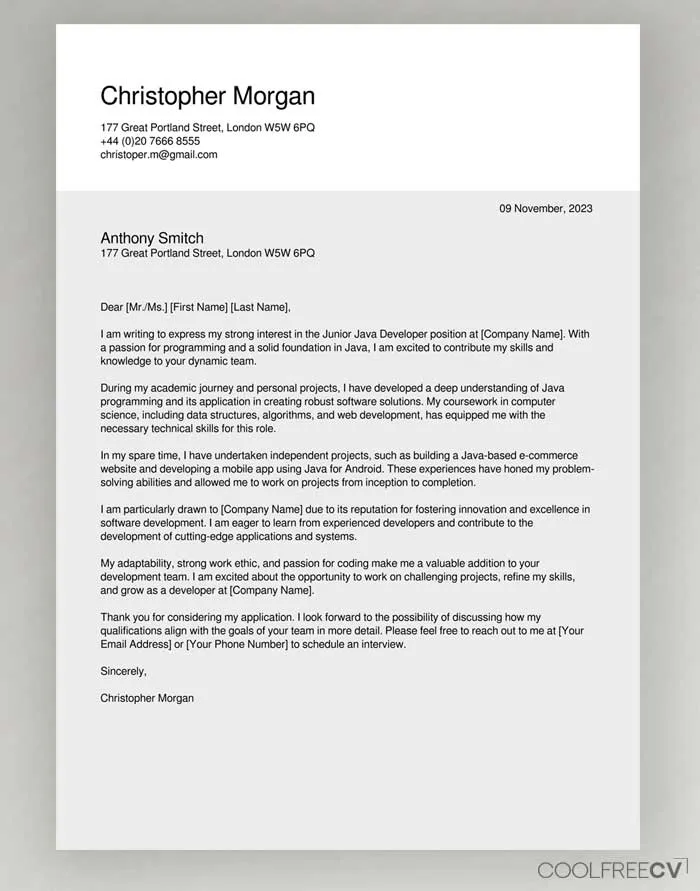
Understanding the Importance of a Cover Letter
A cover letter is an essential part of any job application, often serving as the first impression a potential employer has of you. It’s your chance to make a compelling case for why you’re the perfect fit for the role and the company. Unlike a resume, which is a factual summary of your experience and skills, a cover letter allows you to showcase your personality, writing ability, and genuine interest in the position. Mastering the art of cover letter writing can significantly increase your chances of landing an interview and ultimately, the job. It is more than just a formality; it’s a crucial tool in your job-seeking arsenal, helping you stand out in a competitive market. A well-crafted cover letter complements your resume, adding depth and context to your qualifications, making your application more memorable and persuasive.
Why Cover Letters Matter
Cover letters provide an opportunity to go beyond the bullet points of your resume. They allow you to tell a story about your career journey, demonstrating how your skills and experiences align with the specific requirements of the job. They highlight your enthusiasm for the role and the company, showcasing your personality and communication skills. In a crowded field of applicants, a well-written cover letter can make you stand out. It demonstrates attention to detail, strong writing skills, and a genuine interest in the position, all of which are highly valued by employers. Recruiters often use the cover letter to gauge your communication skills and understand your motivation for applying. A good cover letter is your chance to persuade them to read your resume carefully and consider you for an interview.
Cover Letters vs Resumes

While both cover letters and resumes are vital parts of a job application, they serve different purposes. The resume is a concise summary of your professional history, skills, and education. It provides a snapshot of your qualifications, organized in a clear, easy-to-read format. In contrast, the cover letter is your chance to elaborate on your resume, providing context and demonstrating your personality. It allows you to explain why you are interested in the specific role, how your skills match the job requirements, and what you can bring to the company. The resume answers “what” and “where”; the cover letter answers “why”. Resumes are often scanned quickly; cover letters are read more carefully, offering a deeper insight into your suitability for the role. The cover letter allows you to personalize your application for each job, highlighting the aspects of your experience most relevant to the position.
Key Components of a Cover Letter
A well-structured cover letter typically includes several key components that work together to create a compelling application. These elements provide a clear and concise overview of your qualifications and why you are a good fit for the job. They help the hiring manager understand your interest in the position and your value as a potential employee. Understanding these components is crucial for crafting an effective cover letter that effectively communicates your skills and enthusiasm.
Contact Information
Your contact information should be at the top of your cover letter. This includes your name, address, phone number, and email address. Ensure that the email address you provide is professional and easy to read. Using a professional email address is essential; avoid nicknames or unprofessional language. Including your phone number allows the employer to contact you quickly and efficiently. Double-check all information for accuracy before sending your application. This information is vital for the recruiter to reach you quickly.
Greeting

The greeting sets the tone for your cover letter. Address the hiring manager by name if possible; this shows you’ve done your research and are taking a personalized approach. If you can’t find a specific name, using a general greeting like “Dear Hiring Manager” is acceptable. Avoid generic greetings like “To Whom It May Concern,” as they can make your letter feel impersonal. The greeting is the first interaction you have with the hiring manager, so ensure it is professional and shows that you have put in the effort to make a connection.
Opening Paragraph: Grab Attention
The opening paragraph should immediately grab the reader’s attention and explain why you are writing. State the position you are applying for and where you found the job posting. Briefly mention why you are interested in the role and the company. This section sets the stage for the rest of your letter, so make it engaging and concise. A strong opening paragraph demonstrates your enthusiasm and sets the tone for the rest of your application. Consider starting with a brief statement about your passion for the industry or the company, immediately capturing the reader’s interest.
Body Paragraphs: Highlight Skills and Experience
The body paragraphs are the core of your cover letter. Here, you demonstrate how your skills and experience align with the job requirements. Use specific examples from your past to illustrate your abilities and achievements. Focus on the most relevant experiences and tailor your descriptions to match the keywords and requirements listed in the job description. This section should provide concrete evidence of your qualifications and demonstrate how you can contribute to the company’s success. Use clear, concise language and avoid jargon. Showcase your personality and enthusiasm for the position and the company.
Showcasing Relevant Skills

Identify the key skills required for the job and highlight how you have demonstrated those skills in previous roles. Provide concrete examples of how you have used these skills to achieve positive outcomes. Tailor your descriptions to match the specific language used in the job description. This demonstrates that you understand the requirements and have the relevant experience. Emphasize your transferable skills and how they can be applied in the new role. Show, don’t just tell—provide evidence of your skills through specific accomplishments and experiences.
Quantifying Achievements
Wherever possible, quantify your achievements with data and metrics. Instead of saying you “improved customer satisfaction,” state by what percentage you improved it. Quantifiable results provide concrete evidence of your contributions and make your accomplishments more impactful. Use numbers, percentages, and specific figures to demonstrate your impact in previous roles. This helps the hiring manager understand the value you bring and the tangible results you have delivered. Quantifying achievements makes your application more persuasive and memorable.
Closing Paragraph: Call to Action
The closing paragraph should reiterate your interest in the position and thank the hiring manager for their time and consideration. Include a call to action, such as stating your availability for an interview and how you can be reached. This reinforces your enthusiasm and makes it easy for the hiring manager to take the next step. Keep the closing paragraph concise and professional. Express your enthusiasm and reiterate your interest in the role. Thank them for considering your application.
Formatting Your Cover Letter

Formatting your cover letter correctly is crucial for making a positive impression. A well-formatted letter is easy to read and shows attention to detail. It reflects your professionalism and enhances the overall readability of your application. Ensuring your cover letter is formatted correctly is as important as the content itself. A poorly formatted cover letter can be a distraction, making the reader less likely to focus on your qualifications.
Font Selection and Size
Choose a professional and easy-to-read font, such as Times New Roman, Arial, or Calibri. Maintain a consistent font throughout the entire document. Use a font size between 10 and 12 points for the body text, and slightly larger for headings and your name. Ensure the font size is easy on the eyes, and the text is clear and legible. Avoiding overly ornate fonts, as these can be distracting and difficult to read.
Margins and Spacing
Use standard one-inch margins on all sides of your cover letter. Maintain single or 1.15 line spacing for the body text. Double-space between paragraphs to improve readability. Proper margins and spacing help create a clean and uncluttered look, making your cover letter more appealing. Ensure there is enough white space to avoid a dense and overwhelming appearance. This makes it easier for the hiring manager to read and process your information.
Proofreading and Editing

Proofreading and editing your cover letter is essential to ensure it is free of errors. Typos, grammatical errors, and inconsistencies can damage your credibility and make you appear unprofessional. Always proofread your cover letter multiple times. Use a grammar checker and ask a friend or family member to review it as well. Check for spelling errors, grammatical mistakes, and inconsistencies in formatting and language. Correct any errors before submitting your application. Proofreading is a critical step that can significantly improve the quality of your application.
Common Mistakes to Avoid
Avoiding common mistakes can significantly increase your chances of a successful application. These errors can undermine your qualifications and make a negative impression. Understanding and avoiding these pitfalls is crucial for crafting an effective cover letter. By paying attention to these details, you can improve your cover letter and increase your chances of getting an interview.
Generic Cover Letters
Avoid sending a generic cover letter that could be used for any job. Generic letters lack personalization and fail to demonstrate your interest in the specific role and company. Always tailor your cover letter to the specific job and company. Research the company, understand the job requirements, and highlight how your skills and experience align. A personalized cover letter shows that you are serious about the opportunity and have taken the time to prepare a tailored application. Show that you understand the company’s needs and how you can contribute to their success.
Typos and Grammatical Errors

Typos and grammatical errors can undermine your credibility and make you appear unprofessional. Always proofread your cover letter multiple times before submitting it. Use a grammar checker and ask a friend or family member to review it as well. Ensure your letter is free of spelling mistakes, grammatical errors, and inconsistencies. These errors are easily avoidable, so take the time to review your letter thoroughly. A clean and error-free cover letter demonstrates your attention to detail and professionalism.
Ignoring the Job Description
Failing to address the requirements outlined in the job description is a major mistake. The job description provides key information about the skills, experience, and qualifications the employer is seeking. Tailor your cover letter to directly address these requirements. Highlight how your skills and experience match the job’s needs. Refer to specific keywords and phrases used in the job description. Demonstrating that you understand the role and possess the necessary skills is crucial for getting an interview.
Tailoring Your Cover Letter
Tailoring your cover letter is crucial for making a positive impression and increasing your chances of getting an interview. Customizing your letter demonstrates your genuine interest in the specific role and company. It also shows that you have taken the time to understand the requirements of the job and how your skills and experience align. The more personalized your letter, the more likely it is to stand out from the crowd. Generic cover letters are easily recognizable, while tailored letters show that you are serious about the opportunity and the employer.
Researching the Company

Before writing your cover letter, research the company and the specific role. Understand the company’s mission, values, and culture. Familiarize yourself with the job requirements and the skills they are seeking. Use this information to tailor your cover letter and demonstrate how your qualifications align with the company’s needs. Mention specific projects, initiatives, or aspects of the company that resonate with you. This shows your genuine interest and makes your application more compelling. Researching the company also allows you to use relevant keywords and phrases, increasing the chances of your application being noticed.
Customizing for Each Application
Avoid using a generic cover letter for multiple applications. Customize each cover letter to the specific job and company. Highlight the skills and experiences most relevant to the position. Tailor your language and examples to align with the job requirements. This demonstrates your genuine interest and your ability to tailor your application for each opportunity. Personalizing your cover letter shows that you are serious about the job and have taken the time to understand the needs of the employer. The more personalized your cover letter, the more likely it is to stand out.
Tools and Resources for Cover Letter Writing
There are many tools and resources available to help you write an effective cover letter. These resources can provide templates, writing guides, and tips to ensure your letter is well-written and impactful. Utilizing these resources can significantly improve the quality of your cover letter. From templates to online builders, you can find the help you need to create a compelling application.
Cover Letter Templates
Using a cover letter template can be a great starting point for your application. Templates provide a basic structure and format, making it easier to organize your thoughts and information. Numerous templates are available online, from simple to more advanced designs. When using a template, customize it to reflect your personality and the specific requirements of the job. Ensure the template is easy to read and professionally formatted. Always tailor the template to match the job’s needs and your experience. Use a template as a guide to create a well-structured, personalized cover letter. This can make the writing process easier and more efficient, especially for those who are new to cover letter writing.
Online Cover Letter Builders
Online cover letter builders are interactive tools that guide you through the process of writing a cover letter. They provide prompts, suggestions, and formatting options, making it easier to create a professional-looking letter. These tools often offer customizable templates and the ability to save and edit your cover letter. Using an online builder can be particularly helpful if you’re unsure where to start or need assistance with the writing process. They often include guidance on language, formatting, and content. Take advantage of these tools to create a polished and effective cover letter, saving time and effort. Many builders also allow you to tailor your letter to specific job descriptions, increasing your chances of success.