The Power of an Internship Cover Letter
In the competitive world of internships, a well-crafted cover letter can be your secret weapon. It’s not just a formality; it’s your first opportunity to make a strong impression on potential employers. This document allows you to go beyond the constraints of your resume, providing a space to express your personality, demonstrate genuine interest, and highlight the specific skills and experiences that make you the ideal candidate. A compelling cover letter is essential to get your foot in the door and increase your chances of landing your dream internship. A cover letter can elevate your application from a simple list of qualifications to a personalized narrative that resonates with the hiring manager.
Understanding the Purpose of a Cover Letter
The primary function of a cover letter is to introduce yourself to the employer and to explain why you are a suitable match for the internship position. It’s a platform to communicate your enthusiasm, showcase your relevant skills, and articulate your understanding of the company’s values and mission. It’s about telling a story, not just listing qualifications. A cover letter enables you to provide context to your resume, connecting your experiences and abilities to the specific needs of the internship role. This is your chance to set yourself apart from the crowd and create a memorable impression.
Why a Cover Letter Matters for Internships

For internships, a cover letter carries even more significance. It demonstrates your proactive approach and genuine interest in the opportunity. Internships are often highly competitive, and a well-written cover letter can be the deciding factor between getting an interview or being overlooked. A cover letter reveals your communication skills, attention to detail, and ability to articulate your goals and aspirations. It provides a personal touch that can be missing from a resume, helping you connect with the hiring manager on a more personal level. Many employers look for candidates who show initiative by including a cover letter.
Key Components of an Internship Cover Letter
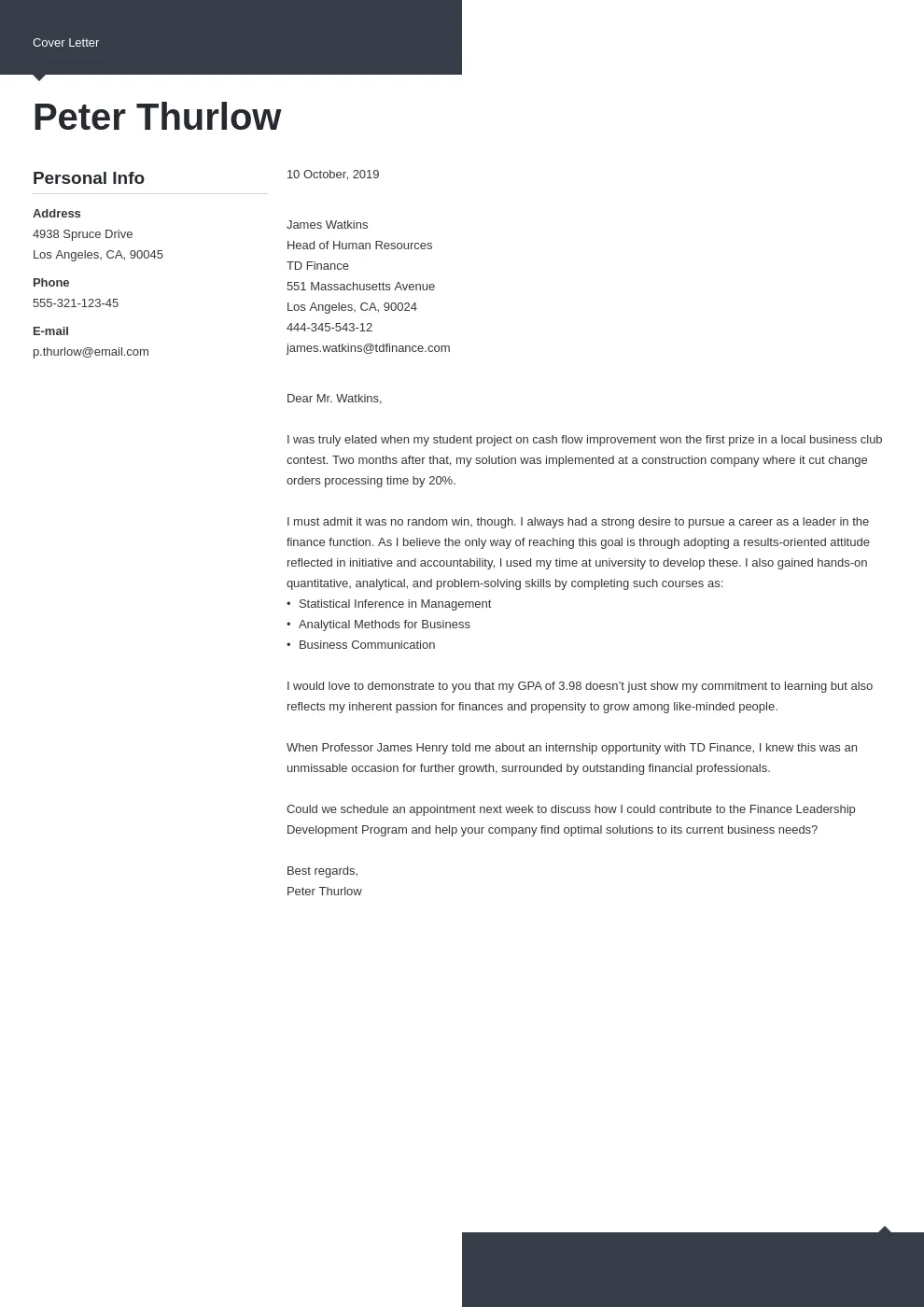
A well-structured cover letter consists of several key elements, each playing a crucial role in conveying your qualifications and enthusiasm. From the contact information to the closing paragraph, every section must be carefully crafted to achieve maximum impact. The clarity, professionalism, and compelling nature of these components determine the overall effectiveness of your cover letter and your chances of success. Attention to detail in each section, is critical to showcasing your professionalism.
Contact Information Section
This section is the foundation of your cover letter, ensuring that the recipient can easily reach you. It’s critical to get this part right. A clear and accurate contact section is essential to your application. Always ensure all the details are correct, so employers can reach you easily.
Your Name and Contact Details

Start with your full name, followed by your address, phone number, and email address. Ensure your email address is professional. Proofread this information to avoid any typos or errors that could lead to missed opportunities. Present your contact information clearly at the top of the page, either left-aligned or centered. This ensures that the hiring manager can easily see your contact details.
Date and Recipient Details
Include the current date, followed by the recipient’s name (if known), their title, and the company’s address. If you don’t know the specific name of the hiring manager, use a general salutation such as ‘Dear Hiring Manager.’ Always use a professional tone and address the recipient correctly to show respect and attention to detail. Correct addressing shows that you are thorough and have taken the time to research the company.
The Salutation
Start your cover letter with a formal salutation, such as ‘Dear Mr./Ms./Mx. [Last Name].’ If you don’t know the hiring manager’s name, use ‘Dear Hiring Manager.’ Avoid informal greetings. A proper salutation sets a professional tone from the beginning. It demonstrates your understanding of business etiquette and respect for the recipient. If possible, find the name of the person in charge of the internship or the hiring manager.
Writing a Compelling Opening Paragraph

The opening paragraph is your chance to grab the reader’s attention and make a positive first impression. It sets the tone for the rest of your letter and can significantly impact whether the hiring manager continues reading. Your introduction is very important to set the tone. Ensure that your opening paragraph immediately captures the reader’s interest and makes them want to learn more about you. A strong opening can separate you from the rest of the applicants.
Grabbing Attention from the Start
Start with a strong, attention-grabbing sentence. Mention the specific internship you’re applying for and where you found the posting. State your enthusiasm for the opportunity and briefly mention a key skill or experience that aligns with the internship requirements. Make your opening relevant and captivating, showing your passion and alignment with the company’s needs. Showing you have specific knowledge and interest helps to make a good first impression.
Highlighting Your Enthusiasm for the Internship
Express genuine enthusiasm for the specific internship and the company. Show that you’ve researched the company and understand their mission, values, or recent projects. Briefly explain what excites you about this particular opportunity and why you believe you’d be a good fit. Be sincere and avoid generic statements. Your genuine interest can make a lasting impression.
Showcasing Relevant Skills and Experiences

The body of your cover letter is the space to demonstrate how your skills and experiences align with the internship requirements. This is where you connect your qualifications to the needs of the role. Use specific examples to show your abilities and accomplishments, making it clear why you are the ideal candidate. This section is critical because it details your experience and how it’s a match for the internship requirements.
Tailoring Your Skills to the Internship Requirements
Carefully review the internship description and identify the key skills and qualifications the employer is seeking. Highlight the skills and experiences you possess that directly align with those requirements. Use specific examples to demonstrate how you have applied these skills in the past. Customize your cover letter for each internship, making it clear that you understand what the employer is looking for. Customization shows that you are interested and that you have done your research.
Quantifying Achievements
Whenever possible, quantify your achievements. Use numbers and data to illustrate your accomplishments. For example, instead of saying “Improved customer service skills,” say “Improved customer satisfaction scores by 15%.” Quantifiable achievements make your claims more credible and show the impact of your work. These data points bring credibility and support your claims.
Demonstrating Your Knowledge of the Company

Showing that you have researched the company and understand its mission, values, and recent projects is essential. This demonstrates your genuine interest and your understanding of the company’s goals. Researching the company shows you’ve gone beyond the basics to understand the company.
Researching the Company and Its Values
Before writing your cover letter, conduct thorough research on the company. Visit their website, read their mission statement, and explore their social media presence. Identify their core values, recent projects, and any news or announcements that interest you. Understanding the company’s culture and objectives will help you tailor your letter and demonstrate your genuine interest. It can help you find common ground.
Connecting Your Goals with the Company’s Mission
In your cover letter, connect your career goals and aspirations with the company’s mission and values. Explain how the internship aligns with your professional objectives and how you believe you can contribute to the company’s success. Show that you are not just looking for an internship, but an opportunity to grow professionally while making a meaningful contribution. This will show your understanding of the company’s mission.
The Closing Paragraph and Call to Action

The closing paragraph is your last opportunity to leave a positive impression. It should reiterate your interest in the internship, express gratitude for the opportunity, and include a clear call to action. Make sure your closing is professional and that you are ready to move forward to the interview.
Expressing Gratitude
Thank the hiring manager for their time and consideration. Express your appreciation for the opportunity to apply and the chance to learn more about the internship. A simple expression of gratitude shows courtesy and professionalism. Always thank the recipient for their consideration; it’s a polite way to end your letter.
Requesting an Interview
Conclude your cover letter with a clear call to action. Indicate your availability for an interview and express your eagerness to discuss your qualifications further. Provide your contact information again, just in case. Ensure your call to action is polite and professional, encouraging the hiring manager to take the next step. Make it clear that you are available for an interview, and thank them for their time.
Formatting and Proofreading Tips

Proper formatting and meticulous proofreading are essential for creating a polished and professional cover letter. These aspects are crucial for making a positive impression on potential employers. Remember that your cover letter represents you, so presentation and clarity are essential.
Choosing the Right Font and Formatting
Use a professional and easy-to-read font such as Times New Roman, Arial, or Calibri, with a font size between 11 and 12 points. Use standard margins (1 inch on all sides) and single-space your text, with a double space between paragraphs. Maintain a clean and organized layout that is easy on the eyes. Proper formatting shows attention to detail and professionalism. Ensure readability is a priority.
Proofreading and Editing for Errors
Proofread your cover letter carefully for any grammatical errors, spelling mistakes, or typos. Ensure your sentences are clear, concise, and free of jargon. Ask a friend, family member, or career advisor to review your letter for feedback. Errors can undermine your credibility, so careful proofreading is crucial. Always double-check everything, and proofread multiple times to ensure you catch all errors. A polished document always makes a good impression.