Why a Strong Internship Cover Letter Matters
A compelling internship cover letter is your first opportunity to make a strong impression on a potential employer. It goes beyond the limitations of a resume, which only lists your qualifications and experience. A cover letter allows you to showcase your personality, genuine enthusiasm, and how your unique skills align with the specific internship opportunity. In the highly competitive job market, a strong cover letter can set you apart from other applicants, significantly increasing your chances of securing an interview, and ultimately, the internship. It shows that you are proactively expressing your interest and making a compelling case for why they should hire you, demonstrating a level of proactive engagement that passive applicants often lack. Investing time and effort into crafting a strong cover letter is essential for internship success.
Understanding Internship Cover Letter Structure
Understanding the standard structure of an internship cover letter is the foundation for creating a document that is easy to read and compelling. This structure ensures that your message is clear, concise, and professionally presented. It includes a header with your contact information, the date, and the recipient’s details. A personalized greeting, addressing the hiring manager by name, is crucial for making a personal connection. The opening paragraph immediately grabs the reader’s attention and states the purpose of the letter. The body paragraphs highlight your skills, experiences, and enthusiasm, connecting them to the internship’s requirements, providing evidence to support your claims, and highlighting your value. The closing paragraph expresses gratitude, reiterates your interest, and includes a call to action, such as requesting an interview. Knowing this structure is the basis for crafting a cover letter that gets results.
Header & Contact Information

The header of your internship cover letter creates a critical first impression, offering essential contact information to the hiring manager. Begin by including your full name, address, phone number, and a professional email address. Ensure your email address is appropriate; avoid informal or outdated addresses. Follow this by adding the date, then the recipient’s details: their name, title, company name, and address. Accuracy is paramount; double-check the spellings and details. This header section not only allows the recruiter to contact you easily but also sets a tone of professionalism and organization. A well-formatted header immediately conveys a sense of organization and commitment to the internship application process. This is a simple step that shows you pay attention to detail. (Image: internship-cover-letter-header)
Personalized Greeting
A personalized greeting is a fundamental element of a strong internship cover letter. Avoid generic greetings like “To Whom It May Concern” or “Dear Sir/Madam.” Instead, make an effort to research the hiring manager’s name and title. If the hiring manager is not listed, determine the name of the department head or the person reviewing applications. Addressing the recipient by name shows that you have taken the initiative to research the company and are truly interested in the position. This personal touch can make a significant difference, signaling your attention to detail and commitment. It makes your letter less generic and more specific to the opportunity. Always double-check the spelling of the name to show respect and ensure your letter stands out from the rest.
Opening Paragraph Grab Attention
The opening paragraph is your chance to make a strong first impression and capture the reader’s attention immediately. Instead of a generic statement of interest, craft an opening that showcases your enthusiasm for the specific internship and the company. Start with a brief, compelling statement that immediately communicates your interest. You might mention a specific project, accomplishment, or skill that aligns with the internship’s requirements. Highlight your passion for the field and what attracts you to the company’s values or mission. This paragraph sets the tone for the rest of your letter, so make sure it is engaging and shows why you are a good fit for the internship. Make it clear why you are excited about the opportunity and the value you bring to the role. A strong opening will make the reader eager to continue reading and learn more about you.
Highlighting Your Skills & Experiences

The body of your internship cover letter is where you expand on your skills, experiences, and accomplishments, linking them directly to the internship’s requirements. Rather than simply listing your qualifications, focus on how your skills and experiences make you a strong candidate. Provide specific examples to illustrate your abilities and quantify your achievements whenever possible. This section effectively connects your past experiences to the internship, demonstrating your understanding of the role and your ability to contribute meaningfully. By highlighting relevant skills, providing concrete examples, and quantifying your achievements, you can showcase your value and demonstrate why the company should choose you for the internship. Structure this section logically with clear paragraphs and focused examples to enhance readability and impact.
Showcasing Relevant Skills
When showcasing your skills, focus on those directly relevant to the internship. Review the job description and identify the key skills the company is looking for. Tailor your letter to highlight those specific skills. Provide specific examples of how you’ve used those skills in the past, such as in academic projects, volunteer work, or previous roles. Instead of simply listing skills, explain how you applied them and what results you achieved. Use action verbs to describe your accomplishments, for instance, “managed,” “analyzed,” “developed,” or “implemented.” This shows you possess the skills and can apply them. Demonstrating these relevant skills ensures that your letter is targeted and shows your understanding of the internship’s demands. It’s about showing, not just telling, that you possess the necessary skills. (Image: cover-letter-skills)
Quantifying Your Achievements
Quantifying your achievements is one of the most impactful ways to make your internship cover letter stand out. Use numbers, percentages, and data to illustrate your accomplishments and their impact. For example, instead of saying you “improved customer service,” you could say, “implemented a new customer service protocol that improved satisfaction scores by 15%.” Quantifiable results make your claims more credible and demonstrate the value you bring. When describing your projects or experiences, highlight the metrics you achieved, such as the amount of money saved, the number of people impacted, or the improvements made. Providing concrete evidence strengthens your case and shows you are suitable for the internship, making your cover letter more convincing. This shows that you are results-oriented and can deliver tangible outcomes.
Demonstrating Enthusiasm & Fit

Demonstrate enthusiasm and illustrate your fit for the internship. Show your genuine interest in the specific role, company, and mission. Research the company and its values. Articulate how your personal and professional goals align with the company culture. Explain why you are particularly drawn to the internship and what you hope to gain from the experience. Highlight any knowledge or experience you have in the industry or field. Be specific about why you are excited about this opportunity. This helps the hiring manager see you as someone who is not just looking for any internship but is specifically interested in theirs. Tailoring your enthusiasm to the specific internship and company builds a stronger and more genuine connection. (Image: internship-enthusiasm)
Researching the Company Culture
Before writing your cover letter, research the company’s culture and values. Visit the company’s website, social media, and news articles. Identify what makes the company unique and what values they emphasize. Understanding the company culture helps you tailor your letter to reflect your interest and alignment with their mission. Mentioning specific aspects of the company’s work, projects, or values demonstrates that you have taken the initiative to learn about the organization. This level of research shows genuine interest and shows you care about the position. Explain how your skills, experiences, and interests align with the company’s culture. This makes your letter more personalized and indicates that you see yourself fitting into the organization. The more you align yourself with the company, the more attractive your application will be. (Image: company-culture-research)
Tailoring Your Letter
Tailoring your cover letter to each specific internship is crucial for success. Avoid using a generic template for all applications. Customize your letter to reflect the job’s specific requirements, the company’s values, and the role’s responsibilities. This involves using keywords from the job posting and highlighting the skills and experiences most relevant to the role. Show you have researched the company and understand its mission and values. Personalize your letter by mentioning projects or initiatives that resonate with you. Customize your letter to align your goals with those of the company. This makes your application stand out and shows that you have made an effort to make it relevant to the individual opportunity. The more tailored your letter is, the better the impression you make.
Closing Your Cover Letter Effectively

The closing paragraph is your final opportunity to leave a positive impression and encourage the hiring manager to take action. A strong closing reiterates your interest, expresses gratitude, and includes a call to action. The closing section should be brief and impactful, summarizing your interest and reinforcing your suitability for the internship. This reinforces your value and makes you more memorable to the hiring manager. Express gratitude for their time and consideration. Reiterate your enthusiasm for the opportunity and clearly state your desire for an interview. Including a call to action is critical to motivate the reader to take the next step. A well-crafted closing ensures that you end your letter on a positive note and it increases the chances of securing an interview. (Image: cover-letter-closing)
Expressing Gratitude
Expressing gratitude is a vital aspect of closing your cover letter. Thank the hiring manager for taking the time to read your application and considering you for the internship opportunity. Showing appreciation demonstrates professionalism and respect. It can leave a positive impression. A genuine expression of gratitude can make a significant difference, helping you stand out as a considerate and appreciative candidate. A sincere “Thank you for your consideration” can make the hiring manager more receptive to your application. It’s a courteous and professional way to conclude your letter.
Call to Action
Include a clear call to action to encourage the hiring manager to take the next step. State your interest in an interview and specify how you can be reached. Make it easy for the reader to take the next step. This could be inviting them to contact you by phone or email to schedule a time to discuss your qualifications. Providing your contact information again in the closing is useful to eliminate any barriers to communication. A clear and concise call to action reinforces your interest and makes it simple for the hiring manager to move forward. Without a call to action, the recruiter may not know what the next step is. A clear call to action will increase your chances of receiving an interview invite.
Proofreading & Editing Your Cover Letter

Proofread and edit your cover letter carefully before submitting it. Errors in grammar, spelling, and punctuation can undermine your credibility and make a negative impression. Check for clarity, conciseness, and coherence to ensure your message is effectively conveyed. Proofread your cover letter multiple times and consider using a grammar and spell-checking tool, but don’t rely on these tools alone. Review your letter for awkward phrasing or unclear sentences. Ask a friend, professor, or career counselor to review your letter as well. Taking the time to proofread and edit demonstrates attention to detail, professionalism, and commitment to excellence, all of which are valued in a potential intern. (Image: proofreading-cover-letter)
Common Mistakes to Avoid
Avoid common mistakes that can weaken your cover letter. Refrain from using generic language such as “I am a hard worker” or “I am a team player.” Instead, provide specific examples. Steer clear of overly casual or informal language. Maintain a professional tone. Do not exceed the recommended length; a cover letter should be one page. Avoid typos, grammatical errors, and punctuation mistakes. Make sure to address the hiring manager by their correct name and title. Failing to do so shows a lack of attention to detail. Ensure that your cover letter is tailored to the specific internship opportunity. Failing to customize your letter makes it appear that you are sending the same application to multiple companies, which can be a significant mistake.
Using Action Verbs
Using action verbs in your cover letter strengthens your writing and highlights your accomplishments. Action verbs bring your experience to life and demonstrate what you have accomplished. Start sentences with strong verbs such as “managed,” “developed,” “implemented,” “led,” “created,” “analyzed,” “coordinated,” “achieved,” and “improved.” These verbs make your accomplishments more dynamic and engaging. They show the results of your actions and make it clear that you have experience applying your skills. The use of action verbs makes your cover letter more compelling. They help the hiring manager understand what you have done and the value you brought to previous roles. Replace passive phrases with active ones. This will make your cover letter more active and results-oriented. (Image: action-verbs-cover-letter)
Formatting Tips for Impact

Proper formatting enhances the readability and impact of your cover letter. Use a professional font, such as Times New Roman, Arial, or Calibri, in a readable size (11 or 12 points). Use single spacing within paragraphs and double spacing between paragraphs. Align your text to the left and avoid justifying the text. Keep your letter concise. A cover letter should be one page long. Use bullet points or numbered lists to highlight key skills or achievements. Use headings and subheadings to organize your content logically. Using professional formatting makes your letter easy to read and demonstrates attention to detail. It ensures that the hiring manager can quickly scan the document and identify key information.
Cover Letter Templates & Examples
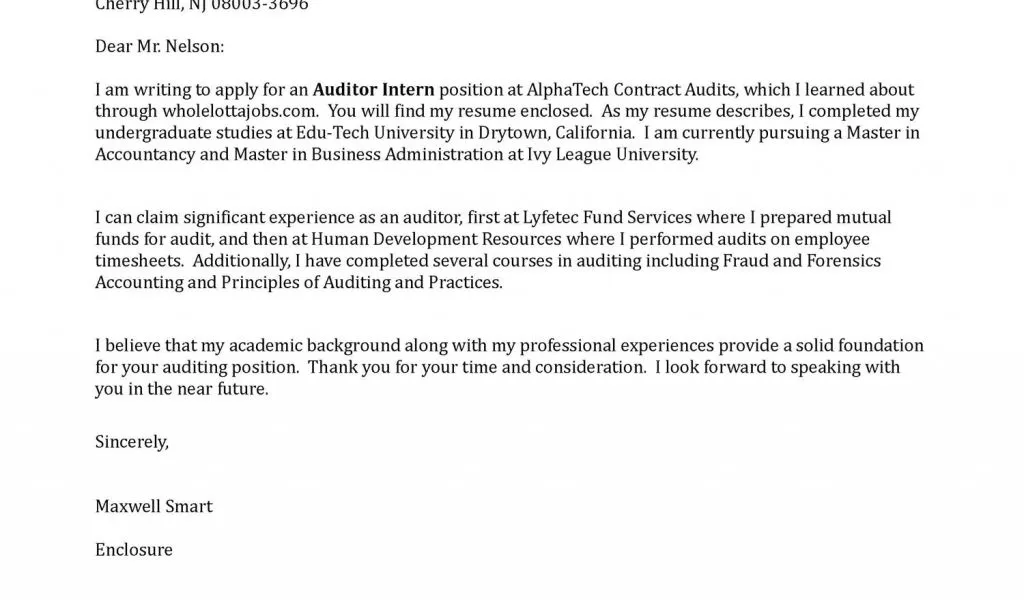
Utilizing cover letter templates and examples can be a helpful starting point for crafting your own. Several online resources offer free templates and examples that you can adapt to your needs. Start with a template as a foundation, and then customize it to reflect your skills, experiences, and the specific internship opportunity. Review examples from different industries or roles to get an idea of how to structure and phrase your letter. However, avoid simply copying the template. The goal is to use these resources as inspiration while ensuring your letter is original and reflects your unique qualifications. By tailoring the template to your background, you can create a cover letter that stands out and effectively highlights your strengths and interests. Remember to always adjust the template to align with your experiences and the requirements of the role. (Image: cover-letter-templates)
Adapting Examples to Your Needs
When adapting cover letter examples, customize them to align with your specific skills, experiences, and the internship opportunity. Do not use the provided example without modification. Review the job description and identify the key skills, qualifications, and requirements the employer is seeking. Replace generic statements with specific examples from your experiences. Highlight your unique skills and accomplishments. Ensure you are tailoring the language to fit the tone and culture of the company. Modify the examples to showcase your accomplishments and demonstrate how you would contribute to the organization. This includes changing the industry-specific language and company information. Make sure the examples reflect your own qualifications and what you have to offer the employer. By taking the time to tailor these templates, you will create a more compelling cover letter.
Finalizing Your Internship Cover Letter

Before submitting, ensure all elements align with the application requirements. Verify the formatting is consistent and professional. Check that your contact information is accurate. Ensure your letter is free of grammatical errors and typos. Proofread your cover letter at least twice. Have a trusted friend, family member, or career counselor review it for clarity and effectiveness. Make sure your letter complements your resume and accurately reflects your qualifications. Submit your cover letter in the requested format (e.g., PDF, Word document). Double-check the submission instructions, and ensure that you have addressed it to the correct person. A finalized cover letter ensures your application is polished, professional, and reflects your readiness to secure an internship.