
Understanding the Intern Cover Letter
An intern cover letter is your first chance to make a lasting impression on a potential employer. It’s a crucial document that accompanies your resume and provides a more detailed insight into your qualifications, aspirations, and personality. While your resume offers a snapshot of your experience and skills, the cover letter allows you to elaborate on why you’re the perfect fit for the internship role. It is an opportunity to demonstrate your communication skills, express your enthusiasm, and showcase your understanding of the company and the position you are applying for. Even with little to no prior experience, a well-crafted cover letter can significantly boost your chances of securing an interview and ultimately, the internship.
Why an Intern Cover Letter is Crucial
In a competitive job market, especially for internships, a cover letter serves as your voice and allows you to stand out. It shows that you’ve taken the time to research the company, understand the role, and tailor your application to their specific needs. Recruiters often use cover letters to assess your writing skills, attention to detail, and ability to articulate your thoughts clearly. For students and recent graduates with limited work experience, a compelling cover letter can highlight your potential, demonstrate your eagerness to learn, and emphasize your transferable skills. It offers an opportunity to bridge the gap caused by the lack of direct experience by focusing on your academic achievements, extracurricular activities, and any relevant projects you’ve been involved in. Essentially, it helps you create a narrative that showcases your suitability for the internship.
What to Include in Your Cover Letter

A well-structured cover letter typically includes several key components that work together to present a comprehensive picture of you. Begin with your contact information at the top, followed by the date and the recipient’s details. The body of the letter should be divided into several paragraphs, each serving a specific purpose. Start with an engaging opening that grabs the reader’s attention and states the position you’re applying for. The subsequent paragraphs should delve into your qualifications, enthusiasm, and relevant experiences. It is important to explain why you are interested in the role, the company, and what skills and experiences you bring to the table. End with a strong closing, reiterating your interest and including a call to action, such as expressing your availability for an interview.
Contact Information
At the top of your cover letter, include your full name, address, phone number, and email address. Ensure that your email address is professional. This information allows the hiring manager to easily contact you regarding your application. Keeping this section concise and clear will facilitate quick reference and communication.
The Greeting
Start your cover letter with a professional greeting. If you know the hiring manager’s name, use “Dear Mr./Ms./Mx. [Last Name].” If you’re unsure of the name, “Dear Hiring Manager” is a safe and appropriate alternative. Avoid generic greetings like “To Whom It May Concern,” as they can make your letter seem less personalized and less engaging. Taking the time to find the correct name shows initiative and attention to detail, which are valuable qualities for any intern.
Body Paragraph 1 Why You

In the first body paragraph, clearly state the position you’re applying for and where you found the job posting. Briefly explain why you’re interested in the internship and the company. This is your chance to grab the reader’s attention and demonstrate your enthusiasm. Mention something specific that attracted you to the role or the organization. Your goal here is to create an initial positive impression and set the stage for the rest of your letter. For instance, mention a company value that resonates with you or a project the company is working on that excites you.
Highlighting Transferable Skills
Since you might have limited experience, emphasize your transferable skills. These are skills you’ve gained through various experiences, such as coursework, extracurricular activities, volunteer work, or part-time jobs. Examples include communication, teamwork, problem-solving, time management, and leadership. Provide specific examples of how you’ve used these skills to achieve positive outcomes. For instance, if you improved your public speaking skills through a presentation at school, mention it and briefly describe the context and the positive result. Highlighting these transferable skills shows the potential employer that even without direct work experience, you can still contribute effectively.
Body Paragraph 2 Your Enthusiasm
Use the second body paragraph to showcase your enthusiasm for the role and the company. Explain what specifically interests you about the internship and how it aligns with your career goals. Research the company thoroughly and mention specific projects, initiatives, or values that resonate with you. This shows the employer that you are genuinely interested in the opportunity and have taken the time to understand their organization. Express your eagerness to learn, contribute, and make a positive impact. This will make you stand out from other candidates.
Mentioning Relevant Coursework or Projects
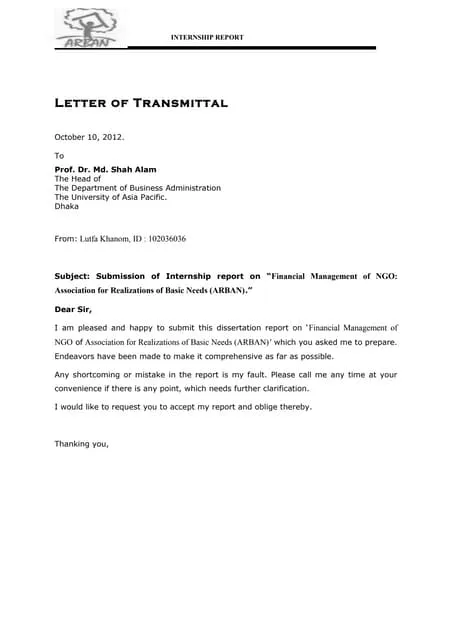
If you lack professional experience, focus on any relevant coursework, projects, or academic achievements. Describe projects where you used skills applicable to the internship. Highlight any significant contributions or results you achieved. This demonstrates your capacity to apply your knowledge and skills in a practical setting. If you have a portfolio or website, be sure to mention it and include a link so they can learn more about your work. Showing your practical application of what you’ve learned builds a strong impression and strengthens your cover letter.
Body Paragraph 3 Tailoring your Cover Letter
In the final body paragraph, tailor your cover letter to the specific requirements of the internship. Review the job description carefully and identify the key skills and qualifications the employer is seeking. Highlight the experiences and skills you have that align with these requirements. Explain how your unique background makes you a suitable candidate. Be specific, providing concrete examples and quantifiable results whenever possible. Customizing your cover letter for each internship demonstrates your attention to detail and your genuine interest in the role.
Closing and Call to Action
Conclude your cover letter with a strong closing that reiterates your interest in the internship. Thank the employer for considering your application and express your eagerness to discuss your qualifications further. End with a call to action, such as stating your availability for an interview or indicating that you’re looking forward to hearing from them soon. This shows that you are proactive and motivated to secure the internship. You can also provide your contact information if you have not done so already.
Proofreading and Editing Your Cover Letter

Before submitting your cover letter, meticulously proofread it for any grammatical errors, spelling mistakes, or typos. Ask a friend, professor, or career counselor to review your letter for clarity and accuracy. A well-written and error-free cover letter demonstrates your attention to detail and professionalism. Ensure your letter is free of unnecessary jargon or overly complex language. Make sure the tone is professional yet enthusiastic. Proofreading is crucial and shows that you care about your application. A polished letter will significantly increase your chances of making a positive impression and being selected for an interview.