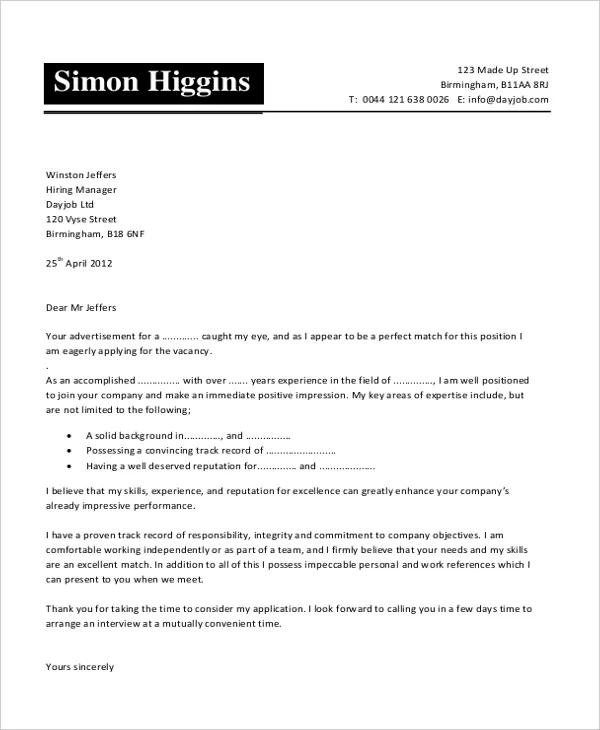
What Is a Cover Letter
A cover letter is a crucial document that accompanies your resume when you apply for a job. It serves as your introduction to the hiring manager, offering you a chance to elaborate on your qualifications and express your interest in the position. Unlike a resume, which presents a factual summary of your experience, a cover letter allows you to showcase your personality, skills, and enthusiasm in a more narrative and personalized way. It is your opportunity to make a strong first impression and set yourself apart from other candidates.
Cover Letter Basics
The basic components of a cover letter typically include your contact information, the date, the hiring manager’s name (if known), a formal salutation, the body paragraphs where you highlight your skills and experiences, and a professional closing. The tone should be professional yet engaging, and the content should be tailored to the specific job you are applying for. Proper formatting, clear language, and a well-organized structure are key elements in creating an effective cover letter that captures the reader’s attention.
Why Are Cover Letters Important

Cover letters are important because they provide context to your resume, explaining why you are a good fit for the role and why you are interested in the company. They allow you to emphasize skills and experiences that align with the job requirements and demonstrate your understanding of the company’s needs. A well-written cover letter can significantly increase your chances of getting an interview by making a compelling case for your candidacy. It showcases your communication skills and gives you the opportunity to stand out.
The Top 5 Cover Letter Secrets
Writing a compelling cover letter can be challenging. However, understanding and implementing certain strategies can dramatically improve your chances of success. These secrets will help you create a cover letter that not only gets noticed but also leaves a lasting impression on potential employers, increasing the likelihood of securing an interview. Implementing these strategies ensures your application stands out from the competition.
Secret 1 Tailor to the Job
One of the most crucial secrets to an effective cover letter is tailoring it to each specific job you apply for. Generic cover letters often fail to capture the hiring manager’s attention because they do not demonstrate a genuine interest in the role or the company. To tailor your letter, carefully review the job description, identify the key skills and qualifications the employer is seeking, and align your experiences and achievements to match those requirements. Provide specific examples to show how you have successfully demonstrated these skills in the past. This level of customization proves you’ve taken the time to understand the position and increases your chances of getting noticed. (Image: tailor-cover-letter)
Secret 2 Show Enthusiasm

Demonstrating enthusiasm for the role and the company is essential. Hiring managers want to see that you are genuinely excited about the opportunity and that you have done your research. In your cover letter, express your passion for the industry, the company’s mission, and the specific role you are applying for. Explain why you are drawn to the company and what you admire about its work. Your enthusiasm should be evident throughout your letter, from the opening paragraph to the closing. When you demonstrate this, you show the hiring manager that you’re not just looking for any job, but that you specifically want this one. This can involve mentioning specific projects, company values, or industry trends that resonate with you.
Secret 3 Highlight Achievements
Instead of simply listing your job duties, focus on highlighting your achievements. Use the STAR method (Situation, Task, Action, Result) to describe how you have made a positive impact in previous roles. Quantify your accomplishments whenever possible by using numbers and data to illustrate your successes. For example, state how you increased sales by a specific percentage, reduced costs, or improved efficiency. This demonstrates that you are not only capable of performing the job but also capable of delivering tangible results. Emphasizing achievements over duties makes your letter more compelling and memorable to the hiring manager. (Image: highlight-achievements)
Secret 4 Use the Right Tone
The tone of your cover letter should be professional and positive. While it is important to show enthusiasm, avoid being overly casual or informal. Maintain a professional tone throughout the letter, using clear, concise language. Use active voice and avoid jargon or overly complex sentences. The tone should reflect your personality and the company culture. Research the company’s values and adjust your tone accordingly. A positive and professional tone conveys confidence and makes you appear more credible. The key is to strike a balance between professionalism and personality.
Secret 5 Proofread Meticulously

One of the biggest mistakes job seekers make is neglecting to proofread their cover letters. Typos, grammatical errors, and formatting inconsistencies can make you appear careless and unprofessional, even if your qualifications are excellent. Before submitting your cover letter, carefully proofread it multiple times. Read it aloud to catch errors you might miss when reading silently. Ask a friend or family member to proofread it as well. Pay close attention to the details, including spelling, grammar, punctuation, and formatting. A polished cover letter shows that you pay attention to detail and value quality. (Image: proofread-cover-letter)
Cover Letter Structure
A well-structured cover letter is easy to read and makes a strong impression. The standard structure includes the heading, the opening paragraph, the body paragraphs, and the closing paragraph. Following this format helps you organize your thoughts and communicate your qualifications effectively. A clear and organized structure ensures that the hiring manager can easily understand your key points and see the value you bring to the role. (Image: cover-letter-structure)
Heading
The heading includes your contact information (name, address, phone number, and email address) and the date. If you know the hiring manager’s name, include it along with their title and the company address. Make sure your contact information is current and professional. Using a professional email address is essential. The heading sets the stage for the rest of the letter and provides the hiring manager with the necessary details to contact you.
Opening Paragraph

The opening paragraph should immediately grab the reader’s attention. State the position you are applying for and where you found the job posting. Briefly explain why you are interested in the role and what makes you a strong candidate. Show enthusiasm and make a compelling statement about your qualifications. This is your chance to make a strong first impression and encourage the hiring manager to read the rest of your letter.
Body Paragraphs
The body paragraphs are where you elaborate on your skills, experiences, and achievements. Tailor these paragraphs to the specific job requirements, highlighting how your qualifications align with the needs of the role. Use specific examples to demonstrate your skills and quantify your achievements whenever possible. Show how you have contributed to previous employers and why you would be a valuable asset to the new company. Focus on providing evidence of your skills, experiences, and how you can contribute to the company’s success.
Closing Paragraph
In the closing paragraph, reiterate your interest in the position and the company. Thank the hiring manager for their time and consideration. Express your eagerness to learn more about the opportunity and to discuss your qualifications in an interview. Provide a call to action, such as stating that you look forward to hearing from them soon. End with a professional closing, such as “Sincerely” or “Best regards”, followed by your full name.
Best Cover Letter Templates

Using a cover letter template can save you time and ensure your letter is well-formatted. However, it is crucial to customize the template to match your personal brand and the job requirements. A template can provide a solid structure, but personalization is key to standing out from the crowd. Choosing the right template is important.
Where to Find Templates
You can find cover letter templates on various websites, including online resume builders, career websites, and Microsoft Word. Ensure that the templates are modern, professional, and appropriate for the industry and the role you are applying for. Many online resume builders offer a variety of templates that you can easily customize to fit your needs. Consider templates from reputable career resources to ensure quality and effectiveness. (Image: cover-letter-template)
Customizing Templates
When using a template, customize it to reflect your unique qualifications and the specific job you are applying for. Change the wording, highlight your relevant skills and achievements, and ensure that the tone and style match your personality and the company culture. Modify the template’s content to showcase your personal brand and what makes you a suitable fit for the role. Customize templates to ensure that your cover letter stands out.
Mistakes to Avoid

Avoiding common mistakes can significantly improve the effectiveness of your cover letter. Make sure your cover letter is free from errors. Attention to detail is key when creating a cover letter to show that you care about the details of the application.
Generic Letters
Avoid using a generic cover letter that is not tailored to the specific job or company. Generic letters fail to capture the hiring manager’s attention and do not demonstrate a genuine interest in the role. Each cover letter should be customized, highlighting your qualifications. The goal is to show why you are a perfect fit. Generic letters are a sign of a lack of effort, while tailored letters are a sign of interest in the specific job.
Typos and Grammatical Errors
Typos and grammatical errors can make you appear careless and unprofessional. Always proofread your cover letter meticulously before submitting it. Consider having someone else review it as well. Proofreading ensures that your application is polished, reflects your attention to detail, and that you value quality. Proofreading demonstrates your professionalism and your respect for the hiring manager’s time. (Image: cover-letter-mistakes)
Ignoring Instructions
Always follow the instructions provided in the job posting. Some employers may request specific formatting, content, or submission methods. Ignoring these instructions can result in your application being rejected. Read and adhere to all requirements. By following instructions, you show your attention to detail and respect for the employer’s hiring process. Make sure you follow the instructions on what to send the cover letter.
Cover Letter Examples
Reviewing cover letter examples can provide valuable insights into how to structure your own letter and effectively highlight your qualifications. Look at examples in your industry, or for roles with similar qualifications. Customize examples to match your experience, and do not copy them word-for-word.
Example 1 Entry-Level Position
For an entry-level position, focus on your skills, education, and any relevant internships or volunteer experiences. Show enthusiasm for the industry and the company. Highlight how your skills align with the requirements of the role. Mention any achievements, no matter how small, that demonstrate your abilities and dedication to learning. Tailor the letter to align with the specific job description and the company’s mission and values. Explain why you are a good fit and what you will bring to the role.
Example 2 Experienced Professional
For an experienced professional, focus on your accomplishments and how you have made a positive impact in previous roles. Provide specific examples and quantify your achievements whenever possible. Highlight your leadership skills, experience, and results. Show how your skills and experience align with the company’s needs. Demonstrate how you can contribute to the company’s success. This should be more in depth than the entry-level position. This should show how you can take on more responsibility.
Conclusion
Writing a compelling cover letter requires careful planning, attention to detail, and a focus on tailoring the letter to each specific job. By following the secrets outlined in this guide, you can create a cover letter that effectively showcases your qualifications, expresses your enthusiasm, and increases your chances of landing an interview. Remember to proofread your letter, use a professional tone, and highlight your achievements to make a lasting impression on potential employers. Good luck with your job search!