Understanding the Purpose of a Cover Letter
A cover letter serves as your personal introduction to a potential employer, offering a chance to present yourself beyond the confines of your resume. It’s your opportunity to demonstrate your personality, express your interest in the specific role, and highlight why you’re a good fit, even if you lack direct work experience. Think of it as your first handshake, setting the tone for a positive and engaging interaction. This document is also an opportunity to address any gaps in your resume, such as a lack of traditional employment history. It gives you space to explain your skills, and how they apply to the job.
Why Is a Cover Letter Important?
For individuals with no prior work experience, a cover letter becomes even more critical. It acts as a bridge, connecting your skills, education, and aspirations to the requirements of the job. Without a work history to lean on, the cover letter gives you a platform to elaborate on your soft skills, academic achievements, volunteer work, or any other relevant experiences that demonstrate your capabilities. It showcases your communication skills and your understanding of the company and the position, which is a great way to start your job search journey. Employers often look for a cover letter to assess your communication skills and determine your level of interest.
What to Include in Your Cover Letter

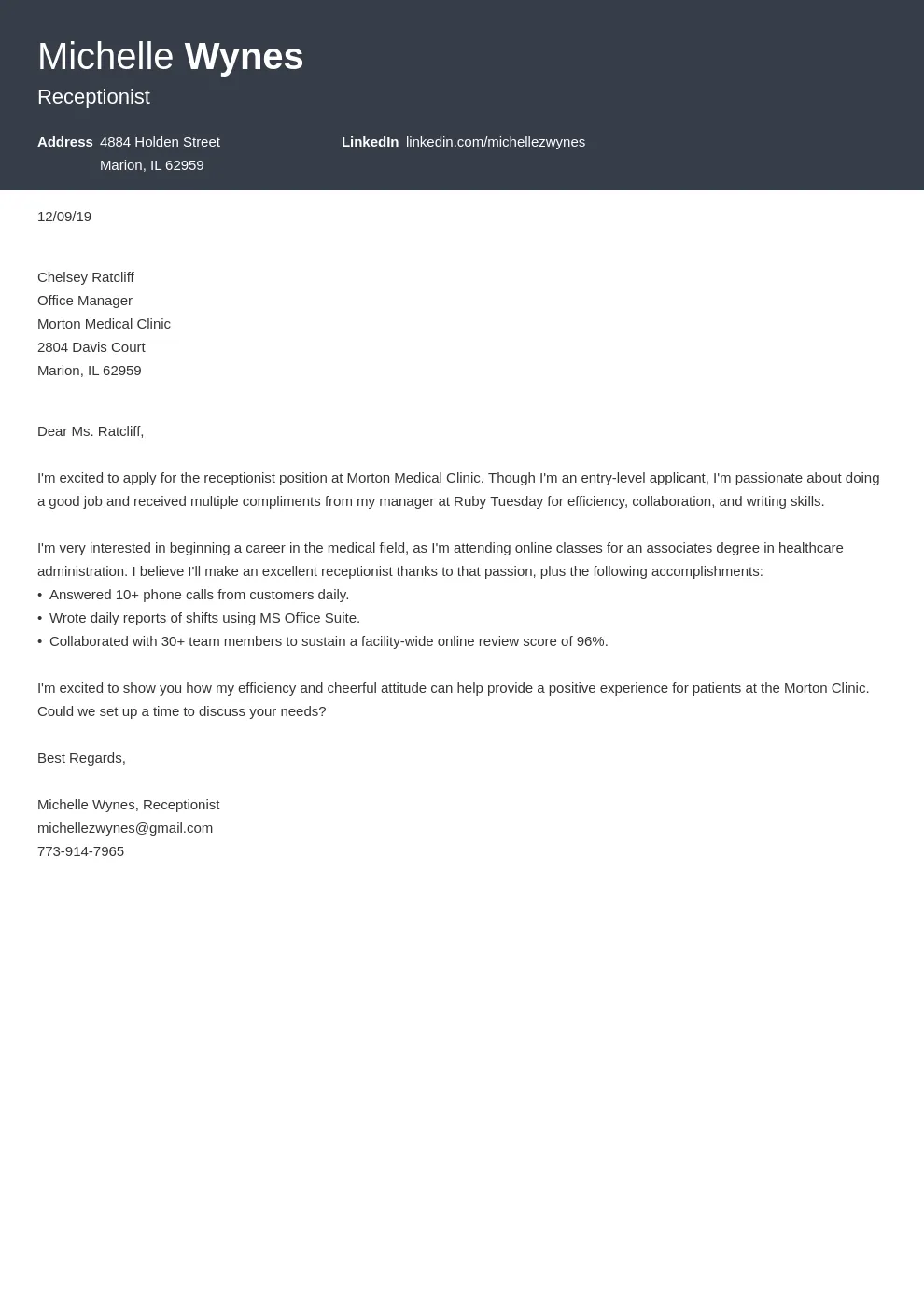
A well-structured cover letter includes several key components that, when combined, create a compelling narrative. Start with a professional header containing your contact information, and address the hiring manager directly. Craft an engaging opening paragraph to grab their attention, and then delve into your skills and educational background. Highlight your transferable skills and relevant coursework or academic achievements. Show your genuine enthusiasm for the role and the company. Be sure to tailor your letter to each specific job application. Conclude with a strong closing paragraph, expressing your gratitude and indicating your next steps.
Header and Contact Information
Begin your cover letter with a professional header that clearly displays your contact information. This typically includes your full name, phone number, email address, and optionally, your LinkedIn profile URL or personal website. Ensure that your email address is professional and appropriate. This section is essential for the hiring manager to easily reach you. Make sure all the information is accurate and up-to-date. Consider using a font and format that is easy to read and consistent with the style of your resume. The header should be clean, organized, and visually appealing, reflecting attention to detail and professionalism.
Greeting the Hiring Manager
Addressing the hiring manager by name is a great way to personalize your cover letter. Research the company website or LinkedIn to find the name of the hiring manager or the person responsible for reviewing applications. If you cannot find a specific name, use a professional greeting such as “Dear Hiring Manager” or “Dear [Department Name] Team”. Avoid generic greetings like “To Whom It May Concern”, as they may appear impersonal. Addressing the correct person shows that you’ve taken the time to research the company. It demonstrates your interest and attention to detail, which can make a positive first impression.
Opening Paragraph to Grab Attention

The opening paragraph is your chance to grab the reader’s attention immediately. Instead of simply stating your interest, try a more engaging approach. You can express your excitement about the opportunity and briefly mention something that sparked your interest in the company or the specific role. State the position you’re applying for. Highlight one or two key skills or experiences that make you a strong candidate. A well-crafted opening paragraph sets the tone for your letter and encourages the hiring manager to keep reading. Show enthusiasm and show how you learned about the job opening.
Highlighting Skills and Education
Since you might lack job experience, focus on highlighting your skills and educational background. Think about what skills are needed to do the job. Review the job description carefully and identify the key skills that the employer is seeking. Then, brainstorm your own skills and experiences that align with those requirements. This could include skills gained through school projects, volunteer work, extracurricular activities, or personal projects. Provide specific examples that demonstrate your abilities. For example, if the job requires communication skills, describe a time when you successfully communicated a concept to a group.
Transferable Skills
Transferable skills are abilities you’ve developed in one context that are applicable in another. These are vital when you have no direct job experience. These skills include communication, problem-solving, teamwork, time management, and leadership. Identify your transferable skills by analyzing your experiences, whether in school, volunteering, or personal projects. For example, if you coordinated a school event, you developed project management and organizational skills. Mention specific examples where you applied these skills and explain how they align with the job requirements. Emphasize that you can apply your skills to the job.
Education and Relevant Coursework

Your educational background is a key asset, especially without prior work experience. List your degrees, certifications, and relevant coursework. Highlight any academic achievements, honors, or awards. Describe projects or assignments that are related to the job. For example, if you’re applying for a marketing role, mention a marketing plan you created in a class. If your education included any relevant internships, even unpaid ones, be sure to include them. Showcase how your education has prepared you for the role and the company. Emphasize any special skills you learned.
Showcasing Your Enthusiasm
Show your genuine interest in the company and the role. Research the company’s mission, values, and recent achievements. Demonstrate your understanding of the company’s work and express why you are drawn to their mission. Explain how you are hoping to contribute. Explain why you are enthusiastic about the specific job, and what excites you about the opportunity. Avoid generic statements. Make it clear that you have thought about this opportunity and are committed to learning and growing within the company.
Tailoring Your Cover Letter to the Job
Each cover letter should be customized to the specific job you’re applying for. Avoid using a generic template for every application. Carefully review the job description and identify the key skills, experiences, and qualifications that the employer is seeking. Adapt your cover letter to address these specific requirements. Use the same keywords and phrases that are used in the job description. Provide examples that highlight your relevant skills and how they align with the job responsibilities. This shows that you’ve taken the time to understand the role and that you’re a good fit for the position.
Researching the Company

Thorough research is critical before you start writing your cover letter. Visit the company’s website and learn about its mission, values, products, and services. Browse their social media profiles to get a sense of their culture and recent activities. Look for news articles or press releases about the company. This research gives you valuable information to tailor your cover letter. You’ll be able to demonstrate a genuine interest in the company, show that you understand their needs, and identify how your skills and experiences align with their goals.
Matching Skills to Requirements
The most important part is to align your skills with the job requirements. Carefully read the job description and identify the key skills, qualifications, and experiences that the employer is seeking. Compare your skills and experiences with these requirements. Highlight the skills that match and provide specific examples of how you have used them. If you’re missing any of the required skills, focus on your willingness to learn and develop those skills. Showing how you can contribute value is key. This matching process shows the hiring manager that you are an ideal fit for the role.
Writing a Strong Closing
Your closing paragraph should summarize your interest in the role and make a call to action. Reiterate your enthusiasm and your belief that you are a strong candidate. Thank the hiring manager for their time and consideration. Express your eagerness to discuss your qualifications further. Make sure to include a clear call to action, such as stating that you are available for an interview and providing your contact information again. A strong closing leaves the hiring manager with a positive impression and encourages them to take the next step.
Expressing Gratitude and Next Steps

Always express gratitude to the hiring manager for their time and consideration. Show that you value the opportunity and appreciate them reviewing your application. It’s appropriate to state that you are looking forward to hearing from them soon. Reiterate your contact information, including your phone number and email address. Close with a professional sign-off, such as “Sincerely” or “Best regards”. By expressing gratitude and outlining your next steps, you demonstrate your professionalism and enthusiasm, leaving a positive final impression.