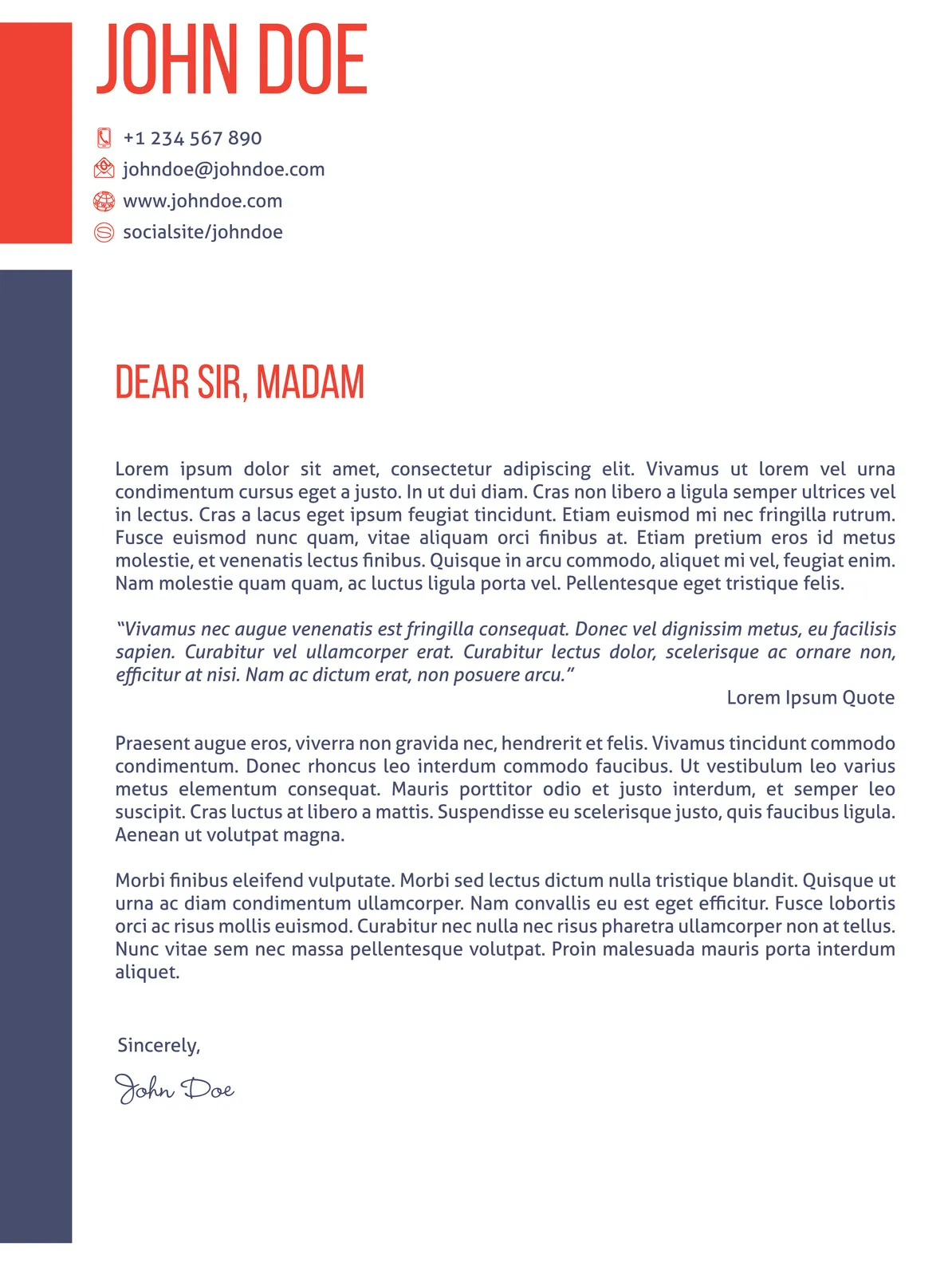
What is a Resume Cover Letter
A resume cover letter is a crucial document that accompanies your resume when applying for a job. It serves as an introduction, allowing you to highlight your skills, experience, and enthusiasm for the position. Unlike a resume, which provides a factual overview of your qualifications, a cover letter allows you to express your personality and explain why you are the ideal candidate. This is your chance to make a strong first impression and persuade the hiring manager to read your resume and consider you for an interview. A well-crafted cover letter demonstrates your communication skills and your genuine interest in the opportunity.
Why is a Cover Letter Important
In today’s competitive job market, a resume cover letter can be the deciding factor in whether you get an interview. It provides context to your resume, explaining how your skills and experience align with the specific job requirements. Many hiring managers consider a cover letter essential. It helps them understand your motivations, assess your writing abilities, and gauge your fit with the company culture. A strong cover letter showcases your personality and allows you to differentiate yourself from other applicants who may have similar qualifications. It’s your chance to make a positive and memorable impression.
Key Benefits of a Cover Letter

A well-written cover letter offers several key benefits. First, it provides an opportunity to personalize your application and show genuine interest in the role and the company. Second, it allows you to elaborate on experiences and skills not fully detailed in your resume. Third, it allows you to address any potential gaps or concerns in your employment history. Lastly, a cover letter helps you showcase your communication skills and writing proficiency, demonstrating your ability to articulate your thoughts and ideas effectively. It also helps the hiring manager to find the essential information and understand why you are perfect for the job.
Essential Components of a Cover Letter
Crafting a compelling cover letter involves several key components. Each part plays a vital role in conveying your message and making a positive impact. Understanding these components is crucial to create a cover letter that effectively highlights your strengths and captivates the hiring manager’s attention. The following sections outline the necessary elements to include in your letter, ensuring you present yourself as the best candidate for the job. By integrating these components seamlessly, you can enhance your application and increase your chances of landing an interview.
Your Contact Information
Start your cover letter by including your contact information at the top. This should include your full name, phone number, email address, and possibly your LinkedIn profile URL. Ensure your email address is professional. Keep your contact information easily accessible so the hiring manager can quickly reach you if they want to schedule an interview. Proper formatting and accuracy here are crucial, as even a minor error can prevent the employer from reaching you and lead to losing the opportunity.
The Hiring Manager’s Contact Information

If possible, address your cover letter to a specific person, ideally the hiring manager or the recruiter. Research the company website or LinkedIn to find this information. If you can’t find a name, you can use a professional greeting like ‘Dear Hiring Manager’. This personalization shows you’ve taken the time to research the company and demonstrates attention to detail. Addressing the letter to a specific individual is more likely to catch their attention and make a positive first impression.
Professional Salutation
Start your cover letter with a professional salutation. ‘Dear [Hiring Manager name]’ is the most common and recommended option if you know the recipient’s name. If not, ‘Dear Hiring Manager’ or ‘Dear [Company Name] Hiring Team’ are acceptable alternatives. Avoid generic greetings like ‘To Whom It May Concern.’ Maintain a formal tone throughout the letter. The salutation sets the tone for the rest of your letter and shows your professionalism.
The Opening Paragraph
The opening paragraph is your chance to grab the reader’s attention. Clearly state the position you are applying for and how you found the job posting. Briefly mention why you are interested in the role and the company. Avoid generic statements. Make it clear that you are genuinely excited about the opportunity. This paragraph should hook the reader and encourage them to read the rest of your letter. A strong opening sets the stage for a compelling narrative.
Highlighting Your Skills and Experience

The body of your cover letter is where you highlight your relevant skills and experience. Focus on the qualifications mentioned in the job description and explain how your background aligns with these requirements. Use specific examples to demonstrate your abilities. This section should showcase your value to the company and convince the hiring manager that you are a strong candidate. Use action verbs to describe your accomplishments and quantify your achievements whenever possible.
Tailoring to the Job Description
Customize your cover letter for each job application by carefully reviewing the job description. Identify the key skills and qualifications the employer is seeking and tailor your letter to address these specifically. Use the same keywords and phrases from the job description to demonstrate that you understand the role’s requirements. Highlighting your relevant experiences shows that you’ve carefully considered the position and are a good fit. This tailored approach shows you are genuinely interested in the specific role.
Quantifying Your Achievements
Whenever possible, quantify your achievements to demonstrate the impact you’ve made in previous roles. Use numbers, percentages, or specific data to illustrate your successes. For example, instead of saying, ‘Improved sales,’ say ‘Increased sales by 15% in one quarter.’ Quantifiable achievements add credibility to your claims and provide concrete evidence of your abilities. Use measurable results that will stand out to the hiring manager and make your qualifications more persuasive.
Expressing Your Enthusiasm

Throughout your cover letter, express your enthusiasm for the position and the company. Explain why you are interested in the role and what excites you about the opportunity. Demonstrate your knowledge of the company’s mission, values, or recent projects. Showing genuine interest makes you more memorable and helps you to connect with the hiring manager on a personal level. This enthusiasm can make a significant difference in how your application is received.
The Closing Paragraph
Conclude your cover letter with a strong closing paragraph. Reiterate your interest in the position and thank the hiring manager for their time and consideration. State your availability for an interview and provide a clear call to action. Use a professional closing such as ‘Sincerely’ or ‘Best regards.’ Ensure that you leave a positive lasting impression and make it easy for the hiring manager to contact you. Avoid being overly casual and maintain a tone of professionalism.
Proper Formatting and Design
The formatting and design of your cover letter are just as important as its content. Proper formatting makes your letter easy to read and ensures it conveys a professional image. A well-formatted cover letter shows that you pay attention to detail and understand professional communication standards. Taking the time to format your letter correctly can make a significant difference in how the hiring manager perceives your application.
Font and Readability

Choose a professional and readable font, such as Times New Roman, Arial, or Calibri. Use a font size between 10 and 12 points. Ensure there is enough white space between paragraphs and around the margins to make your letter easy on the eyes. Avoid using overly fancy or unusual fonts, as they can be difficult to read. The goal is to create a clean and uncluttered layout that allows the hiring manager to focus on your content. A clear layout enhances readability and ensures your key points are easily accessible.
Length of the Cover Letter
Keep your cover letter concise and to the point. Ideally, your cover letter should be no more than one page long. Hiring managers are busy and don’t want to spend a lot of time reading long documents. Focus on the most relevant information and avoid unnecessary details. Be direct and get straight to the point. A well-written, concise cover letter demonstrates respect for the hiring manager’s time and helps you make a strong impression.
Proofreading and Editing
Always proofread and edit your cover letter carefully before submitting it. Check for any typos, grammatical errors, and spelling mistakes. Ask a friend or family member to review your letter as a second pair of eyes can catch errors you might miss. Errors in your cover letter can undermine your credibility and make you appear unprofessional. Take the time to ensure your cover letter is error-free and polished to present yourself in the best possible light.
Common Mistakes to Avoid

Avoiding common mistakes is essential to creating an effective cover letter. These mistakes can range from generic content to poor formatting. Identifying and correcting these errors will significantly increase your chances of making a positive impression and getting an interview. Being aware of these pitfalls and taking steps to avoid them ensures that your application stands out for the right reasons.
Generic Cover Letters
Avoid using a generic cover letter that you send to every job application. Tailor each letter to the specific job and company. Generic letters show a lack of interest and attention to detail. Research the company and position and customize your letter to highlight your relevant skills and experiences. Specificity and personalization demonstrate your genuine interest and make a stronger impression. Make it clear that you’ve taken the time to learn about the role and the company.
Typos and Grammatical Errors
Always proofread your cover letter for typos, grammatical errors, and spelling mistakes. Errors can make you appear careless and unprofessional. Carefully review your letter multiple times, or have someone else review it. Ensure your writing is clear, concise, and error-free. A polished and well-written cover letter reflects your attention to detail and communication skills, increasing your chances of being viewed favorably by the hiring manager. Before submitting the letter, take your time to review and edit the document.
Not Tailoring to the Specific Job

Failing to tailor your cover letter to the specific job requirements is a common mistake. Always align your skills and experiences with the job description. Highlight the keywords and qualifications mentioned in the posting. Showing you understand the role’s needs demonstrates your understanding of the position. Customization shows you’ve put effort into your application and are genuinely interested in the opportunity. This also shows that you have the required skills to execute the job responsibilities.
Cover Letter Examples and Templates
Using cover letter examples and templates can be a great starting point for creating your own. However, ensure you adapt the template to fit your unique qualifications and the specific job requirements. Consider the format as a foundation upon which to build a personalized letter. Remember, the goal is to showcase your unique skills and experiences. With the help of examples, you can be creative and make your letter outstanding.
Where to Find Examples
You can find cover letter examples and templates online from various sources, including career websites, resume builders, and professional writing services. Look for examples that are relevant to your industry and the types of jobs you are applying for. Also, there are many websites which offer help to create a cover letter. Tailor the examples to reflect your skills, experiences, and the specific job you are applying for.
How to Adapt Templates
When using a template, customize it to fit your specific qualifications and the job requirements. Don’t just copy and paste the template. Adapt the content to highlight your relevant skills, experiences, and achievements. Tailor the language to match your voice. Personalize the letter to the specific company and position to show your genuine interest. Making these adaptations will help you create a cover letter that stands out from the crowd and effectively represents your skills and qualifications.