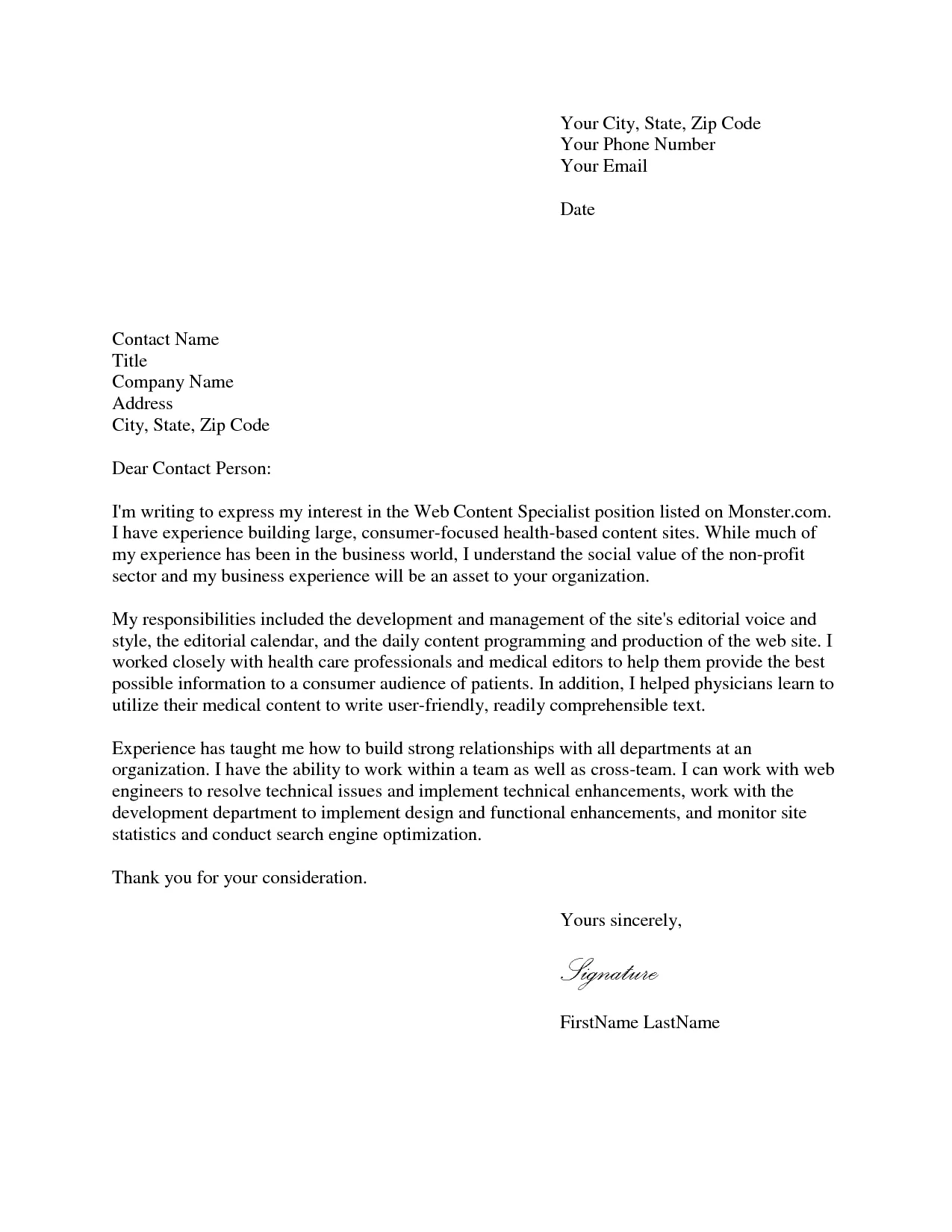
What is a Cover Letter and Why is it Important?
A cover letter is a crucial document that accompanies your resume when applying for a job. It serves as your first introduction to a potential employer, offering an opportunity to showcase your personality, skills, and enthusiasm for the role. Unlike a resume, which provides a summary of your work history and qualifications, a cover letter allows you to explain why you are the perfect fit for the specific job and company. A well-written cover letter can significantly increase your chances of landing an interview by demonstrating your communication skills, attention to detail, and genuine interest in the position. It’s your chance to make a positive first impression and set yourself apart from other applicants.
Key Components of a Powerful Cover Letter
A powerful cover letter is comprised of several key components, each playing a vital role in conveying your message effectively. These include a clear header with contact information, a professional greeting, a compelling opening paragraph, well-articulated body paragraphs that highlight your skills and experience, and a strong closing paragraph with a call to action. By mastering each of these elements, you can craft a cover letter that captures the attention of hiring managers and compels them to learn more about you. The best cover letters are tailored to each specific job, showcasing your understanding of the company and your ability to contribute to its success. Attention to detail in formatting and proofreading is also extremely important.
Header and Contact Information

The header of your cover letter should include your contact information, making it easy for the employer to reach you. This typically includes your full name, phone number, email address, and sometimes your LinkedIn profile URL. Ensure your contact information is accurate and up-to-date. Position the header at the top of the page, either aligned to the left or the right, maintaining a clean and professional appearance. Below your contact information, include the date and the recipient’s information, such as the hiring manager’s name, title, and company address. Proper formatting in this section sets the stage for the rest of your letter.
Applicant’s Contact Information
At the very top of your cover letter, before any other content, include your personal contact information. This section should be clearly presented and easy to find. Start with your full name, followed by your phone number, and your professional email address. If you have a LinkedIn profile, include the URL. This makes it easy for the employer to quickly see your basic details and connect with you. Accuracy is crucial here. Ensure every piece of contact information is correct, as any errors can mean missed opportunities and a potential rejection of your application. Proofread this section carefully.
Recipient’s Contact Information
Below your contact details, you’ll include the recipient’s information, which is usually the hiring manager or the person who is mentioned in the job posting. If a specific name is available, address the letter to that person, such as “Dear Mr./Ms. [Last Name].” If the name is not provided, use a professional greeting like “Dear Hiring Manager.” Include their job title and the company’s address if known. This personalized touch demonstrates that you have researched the company and are making an effort to show a genuine interest. Proper recipient information adds a personal touch that shows your attention to detail.
Professional Greeting

The greeting sets the tone for your cover letter, so choose it carefully. Always use a professional greeting, such as “Dear Mr./Ms. [Last Name],” when you know the hiring manager’s name. If you are unsure of the name, opt for “Dear Hiring Manager” or “Dear [Department Name] Team.” Avoid generic greetings like “To Whom It May Concern” as they come across as impersonal. Double-check the spelling of the recipient’s name and title for a polished look. A well-chosen greeting establishes respect and demonstrates attention to detail right from the beginning, making a positive impression from the start.
Crafting a Compelling Opening Paragraph
The opening paragraph of your cover letter is your opportunity to grab the reader’s attention and make them want to read more. Start by stating the specific position you are applying for and where you found the job listing. Then, clearly express your interest in the role and the company. Briefly highlight one or two key skills or experiences that make you a good fit. This paragraph should be concise and engaging, setting a positive tone and clearly stating your purpose. Keep it short and impactful to ensure it captures the reader’s interest immediately. Your opening should be attention-grabbing and convey why you’re the right candidate.
Highlighting Your Skills and Experience
The body paragraphs of your cover letter are where you showcase your skills and experience in detail. Use this section to provide specific examples that demonstrate your qualifications. Refer to the job description and address the key requirements by describing relevant experiences and achievements. This section is your chance to explain how your skills align with the company’s needs. Use action verbs to describe your accomplishments, quantifying them whenever possible. Focus on the value you can bring to the company, not just listing your responsibilities. Structure each paragraph logically, making it easy for the reader to understand your qualifications.
Showcasing Relevant Achievements

Instead of simply listing your job duties, focus on achievements that highlight your success. Use the STAR method (Situation, Task, Action, Result) to structure your examples effectively. Describe the situation or challenge you faced, the task you were assigned, the actions you took to solve the problem, and the positive results you achieved. This approach helps the reader understand the impact you made. For instance, instead of saying, “Managed social media,” you could write, “Increased social media engagement by 30% in six months by implementing a new content strategy.” Highlighting your accomplishments is a powerful way to demonstrate your abilities and value to the employer. Use data to make your accomplishments even more compelling and show that you can drive results.
Quantifying Your Accomplishments
Whenever possible, quantify your achievements to make them more impactful. Use numbers, percentages, and specific data to illustrate your successes. For example, instead of saying, “Improved customer service,” state “Improved customer satisfaction scores by 15% through implementing a new training program.” Quantifying your accomplishments provides concrete evidence of your abilities and shows the employer what you can do for them. Data-driven achievements are memorable and give the hiring manager a clear idea of your impact. Be specific and avoid vague statements. Numbers add credibility and make your achievements stand out. The use of quantifiable data adds a professional touch to your cover letter.
Tailoring Your Cover Letter to the Job
Tailoring your cover letter to each job is critical for showing that you’re genuinely interested and a good fit. Avoid sending out generic cover letters. Instead, customize each letter to match the specific requirements and expectations of the job posting. Carefully review the job description and identify the key skills, experiences, and qualifications the employer is looking for. Then, use your cover letter to highlight how your skills align with those needs. This personalized approach shows the employer that you have invested time and effort in understanding the role and the company. It demonstrates your attention to detail and your commitment to the opportunity. Customization makes your application stand out and increases your chances of success.
Researching the Company

Before writing your cover letter, research the company to show your interest. Visit the company’s website, read their “About Us” page, and explore their social media profiles. Understand their mission, values, and recent achievements. This research will help you tailor your cover letter to demonstrate how your skills and experience align with their goals and culture. Mentioning specific company initiatives or projects can show that you have taken the time to learn about them and are genuinely interested in contributing. Demonstrating this level of understanding sets you apart from candidates who send generic applications. Use the information you gather to show that you appreciate their vision and are excited about the chance to contribute.
Matching Skills to Requirements
Carefully compare the job description with your skills and experiences. Identify the key requirements and qualifications that the employer is seeking. In your cover letter, explicitly address these requirements by providing specific examples of how your skills and experiences match what they’re looking for. Use keywords and phrases from the job description to show that you understand the role’s needs. Structure your paragraphs to highlight relevant skills, explaining how you have used them to achieve results in the past. This ensures that the employer immediately sees that you meet their criteria. Matching your skills to the job requirements demonstrates that you understand the role and can succeed in it.
Writing a Strong Closing Paragraph
The closing paragraph should summarize your interest and reiterate your enthusiasm for the opportunity. Express your gratitude for the employer’s time and consideration. Clearly state your intention to follow up and include a call to action. Make sure your call to action is clear and concise. If possible, mention your preferred method of contact or any other steps you might take. A strong closing paragraph leaves the reader with a positive impression. Proofread your closing paragraph carefully to ensure that it reinforces your message. The closing paragraph should inspire the reader to take the next step, inviting the possibility of a conversation.
Expressing Enthusiasm and Gratitude

End your cover letter with a strong expression of enthusiasm and gratitude. Reiterate your interest in the position and express appreciation for the employer’s time and consideration. Thank the reader for reviewing your application. This positive tone reinforces your interest and leaves a favorable lasting impression. For example, you could say, “Thank you for considering my application. I am very enthusiastic about the opportunity to contribute to [Company Name] and I look forward to the possibility of discussing my qualifications further.” This expression of gratitude ensures that your cover letter concludes professionally.
Call to Action
Include a clear call to action in your closing paragraph. This tells the reader what you want them to do next. A common call to action is to express your willingness to discuss your qualifications further. For example, you can state, “I am eager to discuss how my skills and experience can benefit your team. I am available for an interview at your earliest convenience.” Provide your preferred method of contact. Make it easy for the employer to take the next step, such as scheduling an interview. A strong call to action increases the likelihood that the employer will contact you. Include a direct and easy way for the hiring manager to move forward.
Formatting and Proofreading Your Cover Letter
Professional formatting and meticulous proofreading are critical for a polished cover letter. Proper formatting makes the letter easy to read and enhances its overall presentation. Proofreading ensures that your letter is free of errors, demonstrating your attention to detail. Take the time to review your cover letter multiple times, checking for grammatical errors, spelling mistakes, and punctuation errors. Formatting and proofreading can make or break your application, so take extra care. Ensure your cover letter looks professional, well-organized, and free of errors. This is the final step, which is why it is so important.
Font and Formatting Guidelines

Choose a professional and easy-to-read font for your cover letter, such as Times New Roman, Arial, or Calibri. Use a font size between 10 and 12 points for the body text. Maintain consistent formatting throughout the document, including consistent margins, line spacing, and paragraph alignment. Use single spacing within paragraphs and double spacing between paragraphs. Use headings and subheadings to break up large blocks of text and make your letter more organized. Avoid using excessive formatting, as it can distract the reader. The aim is to create a clean and professional look that makes the letter easy to read and visually appealing. Make sure that the format is consistent and makes it easy for the hiring manager to read it.
Proofreading for Errors
Proofreading is a crucial step in the cover letter writing process. Carefully proofread your cover letter for any errors in grammar, spelling, punctuation, and sentence structure. Read your letter aloud, as this can help you catch errors that you might miss when reading silently. It is a good idea to ask a friend or family member to review your letter. A fresh pair of eyes can often spot errors that you have missed. Ensure all names, titles, and company information are accurate. Proofreading not only helps you avoid embarrassing mistakes but also demonstrates your attention to detail and professionalism. Make sure that there are no errors that may diminish your chances for the job.