Crafting the Perfect Cover Letter
A cover letter is your first impression on a potential employer. It’s a crucial document that accompanies your resume, providing a personalized introduction and highlighting why you’re the ideal candidate for the job. While a resume lists your qualifications, a cover letter allows you to demonstrate your personality, writing skills, and genuine interest in the position and the company. Crafting a powerful cover letter is not just about listing your skills; it’s about telling a compelling story that persuades the hiring manager to read your resume and, ultimately, invite you for an interview. The goal is to create a strong, positive impression from the outset, setting you apart from the competition and increasing your chances of landing your dream job. This guide will provide you with the essential steps and insights needed to write a cover letter that makes a lasting impact.
Understanding the Purpose of a Cover Letter
The primary purpose of a cover letter is to introduce yourself and express your interest in a specific job or company. It serves as a bridge between your resume and the hiring manager, providing context and a more personal touch. Unlike a resume, which is a summary of your skills and experience, a cover letter allows you to explain why you are a good fit for the role, highlighting your relevant qualifications and demonstrating your enthusiasm. It’s your opportunity to make a connection with the hiring manager, showcasing your communication skills and your understanding of the company’s needs and values. A well-written cover letter proves that you’ve done your research and are genuinely interested in the position, making you stand out from other applicants.
Highlighting Your Skills and Experience

When highlighting your skills and experience in a cover letter, it’s important to focus on the accomplishments that directly relate to the job requirements. Don’t simply list your skills; provide specific examples of how you’ve used those skills to achieve positive results. Use action verbs to describe your achievements and quantify them whenever possible (e.g., ‘Increased sales by 15%’). Tailor your examples to match the job description, demonstrating that you have the necessary skills and experience to excel in the role. By providing concrete evidence of your capabilities, you can show the hiring manager that you’re not just qualified on paper but have a proven track record of success. Make sure that your focus is on the requirements specified in the job posting.
Tailoring Your Cover Letter for Each Application
One of the most important steps in writing a powerful cover letter is tailoring it to each job application. Generic cover letters are easily recognizable and often dismissed. Instead, research the company and the specific role you’re applying for. Understand their values, mission, and the challenges they face. Address the hiring manager by name if possible (research the company and search on LinkedIn), and demonstrate your understanding of the company’s needs in your opening paragraph. Customize the body of your letter to highlight the specific skills and experiences that are most relevant to the job description. Showing that you’ve taken the time to understand the role and the company will significantly increase your chances of getting noticed and moving forward in the hiring process. Take advantage of any company website or social media accounts.
Formatting Your Cover Letter
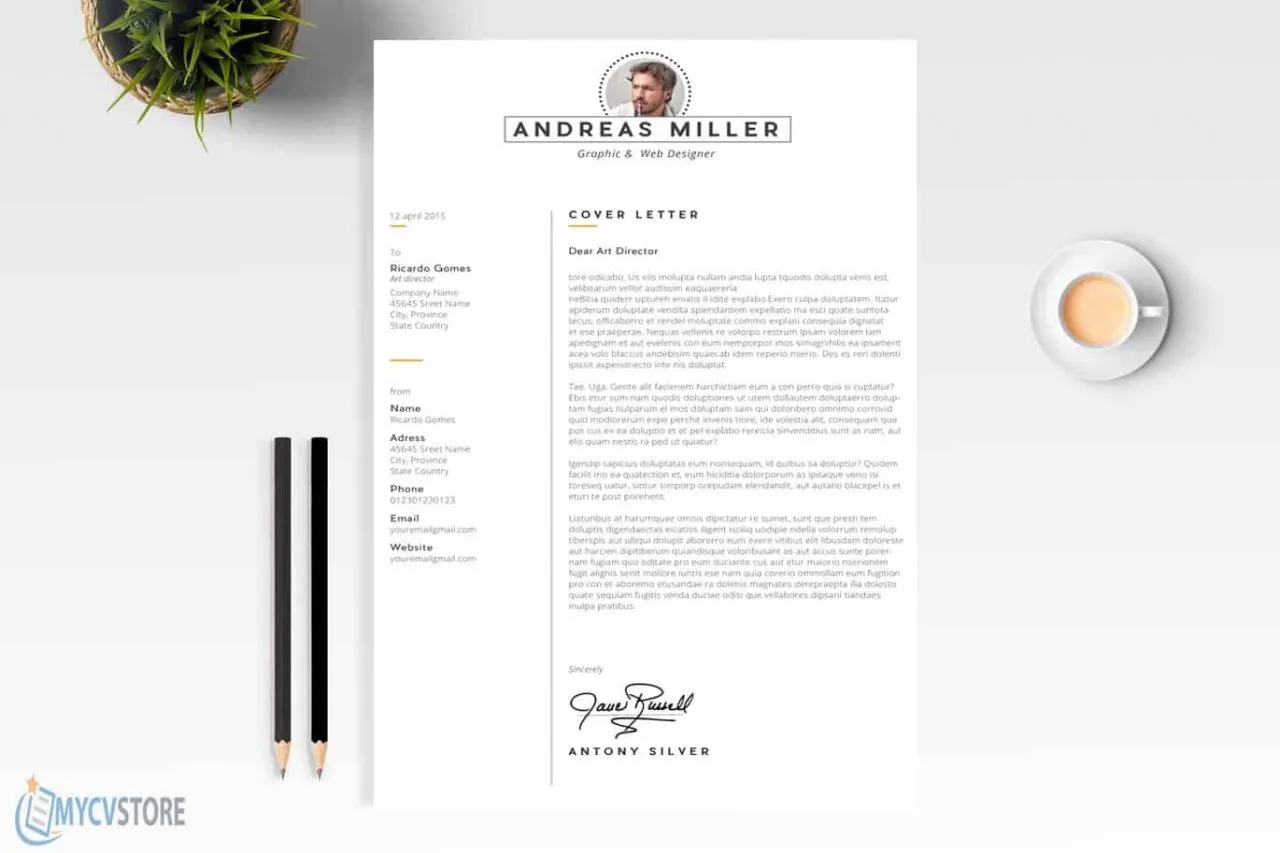
Formatting plays a critical role in the readability and professionalism of your cover letter. Use a standard, easy-to-read font such as Times New Roman, Arial, or Calibri, and keep the font size between 10 and 12 points. Maintain consistent margins (typically one inch on all sides) and use single spacing with a blank line between each paragraph. Keep the letter concise, ideally no more than one page. Use clear headings and bullet points to break up large blocks of text and make it easier for the reader to scan. Ensure there are no grammatical errors or typos, as these can undermine your credibility. Proper formatting shows attention to detail and respect for the reader’s time, increasing the likelihood that your cover letter will be read and considered carefully. Consistency is key.
Essential Components of a Cover Letter

Contact Information and Date
At the top of your cover letter, include your contact information (name, phone number, email address, and optionally, your LinkedIn profile URL). Place the date below your contact information. If you are sending a cover letter via email, you may not need to include your physical address. Ensure your email address is professional. This section provides the hiring manager with the necessary information to contact you. Consistency with the information provided on your resume is also critical. Make sure to update the date as needed. Accurate contact information ensures that the company will reach out to you.
The Salutation
The salutation is your opening greeting. If you know the hiring manager’s name, use it (e.g., ‘Dear Mr. Smith’). Researching the hiring manager’s name demonstrates your attention to detail and initiative. If you can’t find a specific name, use a professional greeting, such as ‘Dear Hiring Manager’ or ‘Dear [Company Name] Hiring Team’. Avoid generic greetings like ‘To Whom It May Concern,’ as these can make your letter seem impersonal. Always double-check the spelling of the name. The salutation sets the tone for the rest of your letter; making a positive impression is essential.
Opening Paragraph Grabbing Attention

Your opening paragraph is your chance to grab the reader’s attention and make a strong first impression. Start by stating the position you’re applying for and where you found the job posting. Then, briefly explain why you’re interested in the role and the company. Highlight a key skill or experience that makes you a good fit for the job. The opening paragraph should be concise, engaging, and tailored to the specific job. Make it clear why you’re excited about the opportunity and what you bring to the table. Avoid generic opening lines. Focus on the value you bring. This first paragraph sets the stage for the rest of your letter, so make it count.
Body Paragraphs Showcasing Value
The body paragraphs are where you showcase your skills, experience, and accomplishments. Use these paragraphs to demonstrate how your qualifications align with the job requirements. Provide specific examples, using the STAR method (Situation, Task, Action, Result) to describe your achievements. Quantify your accomplishments whenever possible to demonstrate the impact of your work (e.g., ‘Increased sales by 20%’). Explain why you’re a good fit for the company’s culture. Focus on the most relevant information from your resume and elaborate on it to show a deeper understanding of how you can contribute to the company’s success. Tailor each paragraph to the specific requirements mentioned in the job description. Highlight your key accomplishments.
Closing the Cover Letter
The closing paragraph should reiterate your interest in the position and thank the hiring manager for their time and consideration. Express your enthusiasm for the opportunity to discuss your qualifications further. Include a call to action, such as suggesting a follow-up or mentioning your availability for an interview. End with a professional closing such as ‘Sincerely,’ ‘Best regards,’ or ‘Thank you’. Proofread the entire letter before sending it. Your closing paragraph leaves a lasting impression. It is essential to end the letter with confidence.
Proofreading and Editing

Proofreading and editing are crucial steps in the cover letter writing process. Before sending your cover letter, carefully review it for any grammatical errors, typos, or inconsistencies. Pay close attention to punctuation, spelling, and sentence structure. Read the letter aloud to catch any awkward phrasing or run-on sentences. It can be helpful to have a friend or colleague review your cover letter as a second pair of eyes can often spot errors you may have missed. Ensure that the tone of your letter is professional and that your language is clear and concise. A well-proofread cover letter demonstrates attention to detail and professionalism, increasing your chances of making a positive impression on the hiring manager. Make sure you use the right software tools.
Common Mistakes to Avoid
Several common mistakes can undermine the effectiveness of your cover letter. Avoid generic cover letters, as they show a lack of effort and interest. Do not simply restate your resume; instead, provide additional context and showcase your personality. Steer clear of typos, grammatical errors, and overly long sentences. Be careful with the tone and language. Avoid using jargon or overly informal language. Never provide false information or exaggerate your skills and experience. Remember to tailor your letter to each job application. Failing to do so is one of the most common mistakes. A cover letter should be personalized.
Tone and Language in a Cover Letter
The tone and language you use in your cover letter should be professional, enthusiastic, and tailored to the company and the role. Use a positive and confident tone, showcasing your skills and experience without being arrogant. Your language should be clear, concise, and easy to understand. Use action verbs to describe your accomplishments and avoid jargon or overly technical terms that the hiring manager may not understand. Show your personality. Proofread your cover letter carefully. Always be enthusiastic.
Seeking Feedback

Seeking feedback from trusted sources is an excellent way to improve your cover letter. Ask friends, family members, career counselors, or mentors to review your letter and provide constructive criticism. Ask them to assess whether your letter is clear, concise, and engaging. Does it highlight your relevant skills and experience? Is the tone appropriate? Does it accurately reflect your personality and enthusiasm for the job? Be open to suggestions and willing to revise your letter based on the feedback you receive. Getting feedback from others can help you refine your cover letter and increase your chances of making a strong impression on the hiring manager. Always be open to suggestions. You may not be a perfect writer.