What is a Cover Letter?
A cover letter is a crucial document that accompanies your resume when applying for a job. It serves as your introduction to the hiring manager, providing a personalized overview of your qualifications and expressing your interest in the specific position. Unlike a resume, which offers a factual account of your work history and skills, a cover letter allows you to elaborate on your experiences, demonstrate your personality, and highlight why you are the ideal candidate for the role. It’s an opportunity to make a strong first impression and persuade the employer to read your resume carefully. A well-written cover letter can significantly increase your chances of landing an interview by showcasing your enthusiasm and demonstrating a clear understanding of the company and the job requirements.
Purpose of a Cover Letter
The primary purpose of a cover letter is to introduce you to a potential employer and persuade them to consider your application. It allows you to expand upon the information in your resume, offering context and providing a more detailed explanation of your qualifications and how they align with the job requirements. A cover letter serves several key functions, including expressing your interest in the specific position, highlighting your relevant skills and experience, demonstrating your understanding of the company and its needs, and showcasing your personality and communication skills. Ultimately, the goal is to convince the hiring manager that you are a strong candidate and to encourage them to invite you for an interview. It’s your chance to make a memorable first impression and stand out from other applicants.
Key Components of a Cover Letter

A well-structured cover letter follows a standard format to ensure clarity and professionalism. It typically includes several essential components that work together to present you as a qualified and enthusiastic candidate. These components provide a framework for conveying your key qualifications and expressing your interest in the role. By including the correct information in the right places, you can create a persuasive cover letter that grabs the reader’s attention and compels them to learn more about you and your qualifications. Understanding these elements and how they fit together is key to writing an effective cover letter that gets you noticed.
Your Contact Information
At the very top of your cover letter, include your contact information. This typically includes your full name, phone number, email address, and optionally, your LinkedIn profile URL or personal website. Make sure the information is accurate and up-to-date. The formatting should be neat and easy to read. This makes it easy for the hiring manager to reach you if they are interested in inviting you to interview for a position. Double-check all details for accuracy to avoid any issues with communication.
Date and Recipient Information
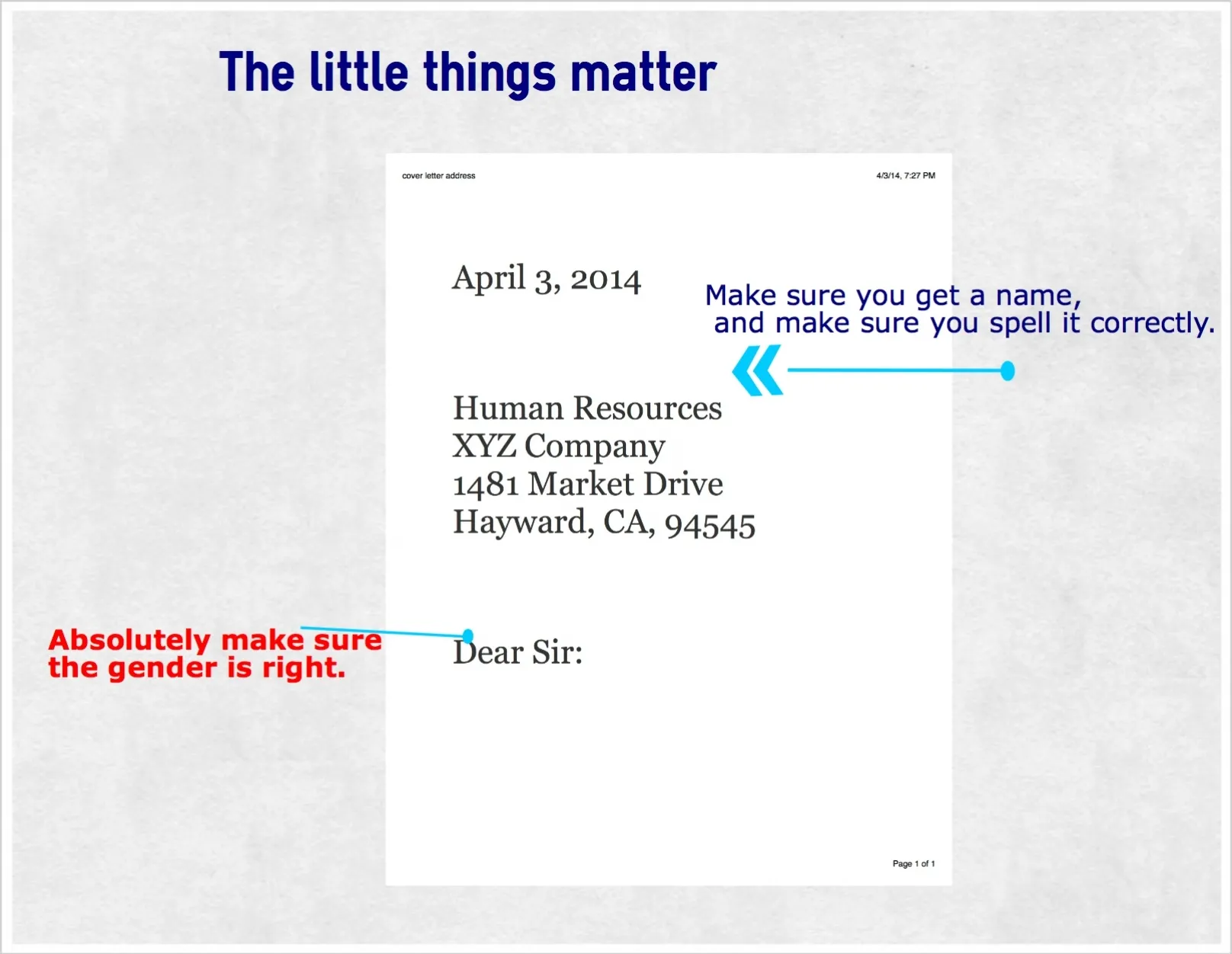
Below your contact information, include the current date. Following the date, provide the recipient’s information, including the hiring manager’s name (if you know it), their title, and the company’s address. Always address your cover letter to a specific person whenever possible; this demonstrates that you’ve done your research and are genuinely interested in the role. If you are unable to find a name, you can use a professional salutation, such as “Dear Hiring Manager.” The information should be correct and relevant to the job for which you are applying.
Salutation

Start your cover letter with a professional salutation. “Dear Mr./Ms./Mx. [Last Name],” is a standard and respectful greeting when you know the hiring manager’s name. If you don’t know the name, “Dear Hiring Manager,” or “Dear [Department Name] Team,” are appropriate alternatives. Avoid generic greetings like “To Whom It May Concern.” Choose a salutation that fits the company culture and the tone of the job application. A personalized salutation makes a better first impression. It shows that you care and have put in the effort to address your letter specifically to them.
The Introduction (First Paragraph)
The introduction sets the tone for your entire cover letter. It should immediately grab the reader’s attention and make them want to read more. Start by clearly stating the position you are applying for and where you saw the job posting. Briefly mention why you are interested in the role and what makes you a strong candidate. This is your opportunity to highlight your enthusiasm and demonstrate your understanding of the company and the job requirements. Keep it concise and engaging, aiming to make a positive first impression. A strong opening paragraph is crucial for capturing the hiring manager’s interest.
How to Grab Their Attention
To make your introduction compelling, start with a hook. Mention something specific about the company or the role that excites you. You might refer to a recent company achievement, a project you admire, or a skill that directly aligns with the job requirements. Alternatively, you could mention a connection you have with the company or someone who works there. Avoid generic statements; instead, personalize your introduction to show that you have done your research and are genuinely interested. This approach sets you apart from other applicants and demonstrates your proactive approach. It highlights your enthusiasm and allows your personality to shine.
The Body Paragraphs

The body of your cover letter is where you provide more detail about your qualifications, skills, and experience. Use the body paragraphs to highlight how your abilities align with the job requirements and explain why you are the best fit for the role. Focus on providing specific examples to support your claims. Each paragraph should address a key aspect of the job description. Explain how your past experience makes you the ideal candidate. Demonstrate what you can do. This is your opportunity to showcase your strengths and demonstrate your value to the company.
Highlight Your Skills and Experience
Carefully review the job description and identify the key skills and qualifications the employer is seeking. In your body paragraphs, focus on the experiences and skills that align with these requirements. Provide specific examples of how you have demonstrated these skills in previous roles or projects. Use the STAR method (Situation, Task, Action, Result) to structure your responses and provide concrete evidence of your achievements. By providing clear examples, you demonstrate your understanding of the role and your ability to perform the required tasks. This demonstrates that you are the right person for the job.
Tailor to the Job Description
Customize your cover letter for each job application. Do not use a generic template. Tailor your letter to the specific requirements and keywords mentioned in the job description. This shows that you have carefully reviewed the job posting and understand the role’s needs. Highlight the skills and experiences that align directly with the requirements and use the same language used in the job description to demonstrate your ability to fulfill the role’s responsibilities. Tailoring your cover letter is essential for showcasing how you are a good fit. This ensures that the hiring manager recognizes your qualifications immediately.
Use Action Verbs

Use strong action verbs to describe your accomplishments and responsibilities. Action verbs such as “managed,” “developed,” “implemented,” “led,” “achieved,” and “created” make your descriptions more dynamic and impactful. They help the hiring manager visualize your contributions and understand the results you have achieved. By choosing action verbs, you demonstrate that you are a proactive and results-oriented individual. This makes your cover letter more engaging and gives the impression that you are motivated to take action.
Quantify Your Achievements
Whenever possible, quantify your achievements to demonstrate the impact of your work. Use numbers and data to show the results you have achieved in your previous roles. For example, instead of saying “Improved customer satisfaction,” say “Increased customer satisfaction by 15% through implementing a new support system.” Providing specific numbers and metrics gives the hiring manager a clear understanding of your capabilities and the value you can bring to the company. Quantifying your achievements is a very effective way to make your application more compelling. This shows the impact of your work.
The Closing (Final Paragraph)
The closing paragraph should summarize your interest in the role and reiterate your enthusiasm. Thank the hiring manager for their time and consideration, and express your eagerness for an opportunity to discuss your qualifications further. This is a great time to reinforce your interest in the position. A strong closing statement leaves a lasting positive impression and encourages the hiring manager to take the next step in the hiring process.
Express Your Enthusiasm

Reiterate your enthusiasm for the position and the company. This is your last chance to emphasize your interest. Show how excited you are about the opportunity and why you are particularly interested in the role. Showing your enthusiasm helps you create a strong impression. This is your chance to show how excited you are about the company and the specific role you are applying for. This leaves the hiring manager with a positive feeling and encourages them to consider your application.
Call to Action
Include a call to action to encourage the hiring manager to take the next step. Request an interview. You can use phrases like “I am eager to discuss my qualifications in more detail” or “I welcome the opportunity to speak with you about how I can contribute to your team.” Ensure that your call to action is clear and directs the hiring manager to the next step. Make it easy for the hiring manager to move forward with your application.
Closing and Signature
End your cover letter with a professional closing, such as “Sincerely,” “Best regards,” or “Thank you.” Below the closing, leave a few blank lines for your signature (if printing the letter) and then type your full name. If you are submitting your cover letter electronically, you can simply type your name. Make sure that your closing and signature are professional and reflect the tone of your letter. This is important for maintaining a professional image.
Formatting Your Cover Letter

Proper formatting is essential for creating a professional and readable cover letter. Ensure your cover letter is easy to read. A well-formatted cover letter shows attention to detail. It can significantly improve the overall impression of your application. Formatting should follow a standard format. This makes the letter visually appealing and easy to navigate. The following formatting rules will enhance your cover letter.
Font and Font Size
Choose a professional font, such as Times New Roman, Arial, or Calibri. These fonts are easy to read and widely accepted. Maintain a font size of 11 or 12 points for the body text. This ensures that your cover letter is easy to read. Avoid using overly decorative or unusual fonts. These can be difficult to read. Select fonts that are legible and professional. This will help make your cover letter easier to read. It also helps with creating a professional and polished look.
Margins and Spacing
Use standard one-inch margins on all sides of the page. Use single spacing for the body text and double spacing between paragraphs. This creates a clean and organized look. Make sure that your cover letter is well-spaced. This helps the reader to easily follow your points. Adjust the formatting to ensure the document is easy on the eyes. It looks more professional. Properly formatted margins and spacing make your cover letter more readable. This helps to improve the overall impact.
Proofreading and Editing
Proofread your cover letter carefully for any grammatical errors, spelling mistakes, or typos. Check for proper punctuation and sentence structure. It is also important to make sure that there are no inconsistencies. A polished cover letter demonstrates attention to detail and professionalism. Always read your cover letter multiple times. If possible, ask a friend or family member to review it as well. Proofreading your cover letter is crucial to avoid any potential negative impressions.
Common Cover Letter Mistakes
Avoid common mistakes that can hurt your chances of landing an interview. Many small errors can harm your cover letter. Avoiding these mistakes will improve your application. These mistakes can undermine the overall impact. Addressing them will help you get noticed. Ensure that your cover letter is error-free. It will show your commitment. Avoiding these errors ensures a professional presentation. It will help to improve your success in the job search.
Grammatical Errors and Typos
Grammatical errors and typos are major red flags. They indicate a lack of attention to detail and can make a negative impression. Always proofread your cover letter carefully to avoid such mistakes. Use a grammar checker to catch any errors you might have missed. Avoid these mistakes by carefully reviewing your cover letter. Proofreading is essential. Typos and grammatical errors are a sign of carelessness. They can undermine the credibility of your application.
Generic Cover Letters
Sending a generic cover letter that is not tailored to the specific job or company is a common mistake. Generic cover letters do not engage the reader. They fail to show that you are a good fit for the role. Always personalize your cover letter to the job. Tailor it to the company’s values. Show your genuine interest by addressing the specific requirements. A personalized letter will stand out. Generic letters are easily spotted. Avoid them by customizing each application. This significantly increases your chances of getting the job.
Ignoring the Job Description
Ignoring the job description is another common error. Always refer to the job description. Then, match your skills to the requirements. Make sure to highlight the relevant skills. Demonstrate how your experience aligns with the job needs. Refer to the job description in your cover letter. This shows that you understand the requirements. Customize your cover letter. It helps to make a good impression. It also increases your chances of success. Make sure to include the keywords. This ensures your application stands out.
Overusing ‘I’
While your cover letter is about you, avoid overusing the word “I.” Focus on demonstrating your skills. Emphasize what you can offer the company. Use action verbs to highlight your achievements. Use specific examples to showcase your abilities. Use “I” sparingly. Make sure that your focus is on the value that you can bring to the company. Using too many “I” statements can make the letter appear self-centered. Highlighting your achievements makes the letter more impactful.
Cover Letter Examples and Templates
Use cover letter examples and templates as a starting point. They offer a great framework. Modify these to match your specific needs. Adapt them to your own experiences. There are many templates available. Examples can provide inspiration. Use a template, but customize it. Tailor it to your individual skills. Make sure that you personalize your cover letter. This is critical for creating an effective job application. Personalization is key. The goal is to create an application that is unique.