Why a Cover Letter Matters
In today’s competitive job market, a well-crafted cover letter is your first opportunity to make a positive impression. It’s more than just a formality; it’s a crucial tool that can significantly boost your chances of landing an interview. A cover letter allows you to go beyond the confines of your resume, providing context, personality, and a glimpse into your potential as a valuable employee. Think of it as your personal introduction, setting the stage for the hiring manager to understand your career goals and how your skills align with the company’s needs. A compelling cover letter not only highlights your qualifications but also demonstrates your genuine interest in the specific role and company, making you stand out from other applicants.
Cover Letter Structure and Format
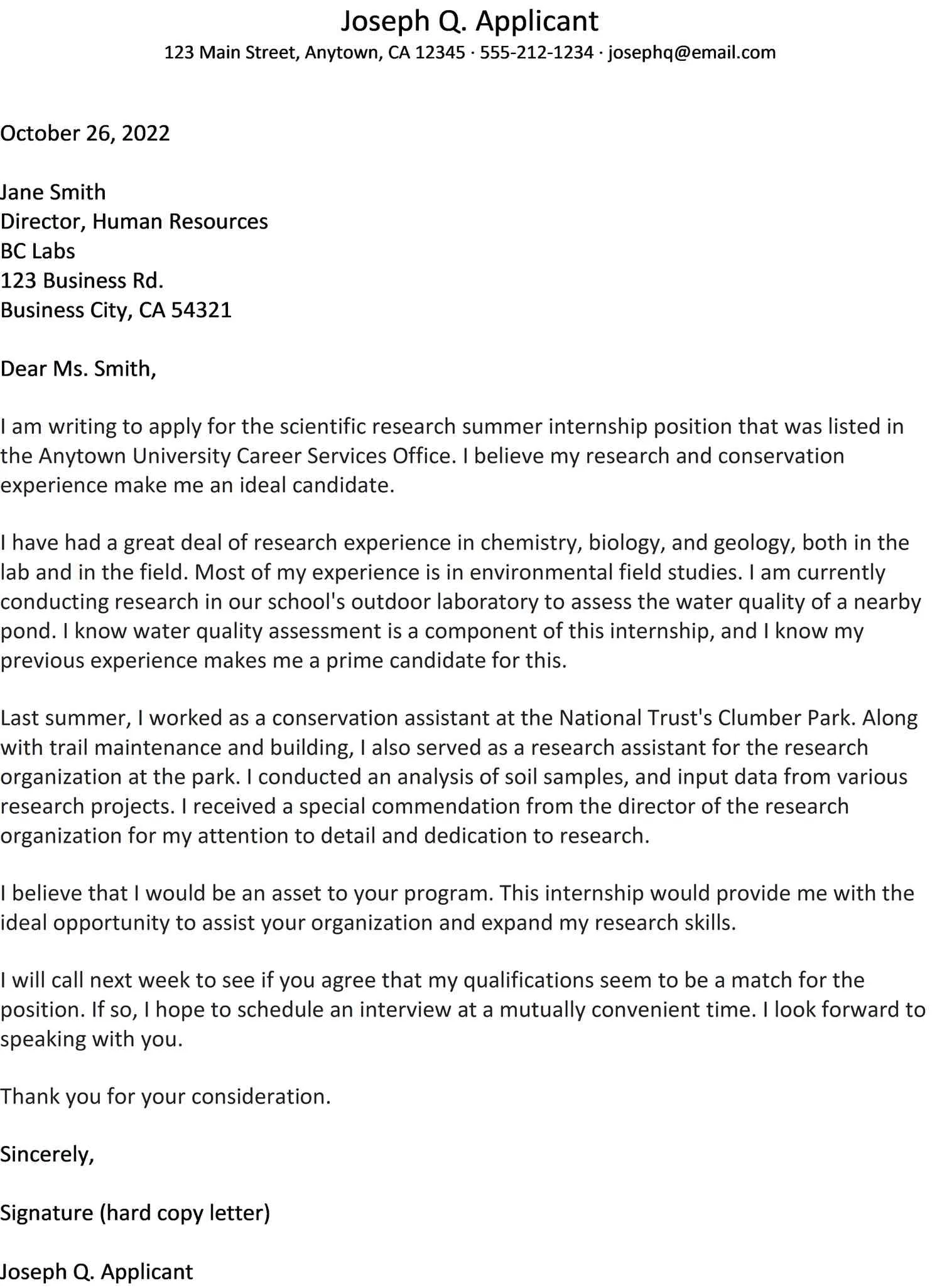
The structure of your cover letter is just as important as its content. A well-organized letter is easier to read and allows the hiring manager to quickly grasp your key qualifications and enthusiasm. The standard format includes a header, salutation, body paragraphs, and a closing. Each section plays a vital role in conveying your message effectively. Adhering to a clear and professional layout ensures that your cover letter is not only informative but also visually appealing. This structure provides a roadmap, guiding the reader through your skills, experiences, and reasons for seeking the position. Therefore, following a structured format ensures your cover letter is easy to understand and leaves a lasting impression.
Header Section

The header of your cover letter is your professional introduction. It should include your full name, contact information, and the date. The goal is to provide the hiring manager with essential details to reach you. Make sure the contact information is accurate and up-to-date, including your phone number, email address, and optionally, your LinkedIn profile URL. This section sets the tone for the entire letter, indicating your attention to detail and professionalism. Ensure the header is clearly formatted and consistent with the style of your resume, creating a cohesive application package. Use a simple and clean design, avoiding any distracting elements that might detract from the information.
Applicant Contact Information
Include your full name, address, phone number, and email address. Use a professional email address.
Date and Recipient Details
The date goes below your contact information. Below that, include the hiring manager’s name, title, and the company’s address. Researching the hiring manager’s name shows initiative.
Salutation

Use a professional salutation such as ‘Dear Mr./Ms. [Last Name]’ if you know the hiring manager’s name. If not, ‘Dear Hiring Manager’ is acceptable. Avoid generic greetings like ‘To Whom It May Concern’.
Body Paragraphs
The body paragraphs are where you elaborate on your skills, experiences, and reasons for applying. This section should be concise, engaging, and tailored to the specific job and company. Each paragraph should focus on a distinct aspect of your qualifications, building a compelling narrative that connects your background to the requirements of the role. The goal is to demonstrate how your skills and experience make you an ideal fit, showcasing your value and potential contributions. By thoughtfully structuring each paragraph, you ensure your cover letter is persuasive and memorable, increasing the chances of an interview invitation.
First Paragraph: Grab Attention
Start with a strong opening that grabs the reader’s attention. State the position you’re applying for and briefly explain why you’re interested. You might mention a specific achievement or your enthusiasm for the company. Consider a compelling statement that shows you understand the company’s mission or a recent project. Avoid generic statements like ‘I am writing to apply…’ Instead, aim to highlight your understanding of the role and express your genuine interest in contributing to the organization. Making a strong first impression is critical, as it sets the tone for the rest of your letter and encourages the hiring manager to continue reading.
Second Paragraph: Showcase Skills

In the second paragraph, highlight your relevant skills and experiences. Use the job description as a guide and provide specific examples of how you’ve demonstrated these skills in previous roles. Quantify your achievements whenever possible to show the impact of your work. For instance, mention the percentage by which you increased sales, the number of projects you managed, or any other measurable results. Focus on key accomplishments that align with the job requirements. This paragraph is your opportunity to showcase your capabilities and illustrate why you’re the perfect candidate. By providing tangible evidence of your skills, you build credibility and increase your chances of moving forward in the application process.
Third Paragraph: Highlight Achievements
Dedicate a paragraph to showcasing your key achievements. Use the STAR method (Situation, Task, Action, Result) to describe a significant accomplishment in detail. This method helps you present your experience in a clear, concise, and impactful manner. Start by describing the situation, then explain the task you were assigned, outline the specific actions you took, and finally, highlight the positive results you achieved. Quantify your results with numbers and metrics to demonstrate the impact of your contributions. This provides concrete evidence of your ability to perform and succeed in the role. By clearly illustrating your achievements, you provide the hiring manager with concrete examples of your capabilities and potential value to their team.
Fourth Paragraph: Express Enthusiasm
Use the fourth paragraph to express your enthusiasm for the company and the specific role. Explain why you are excited about the opportunity and what you hope to achieve. Show that you have researched the company and understand its mission, values, and recent projects. Mention something that resonates with you. This demonstrates your genuine interest and shows the hiring manager that you’re not just applying for any job, but one you’re passionate about. Connect your skills and experiences to the company’s goals. Your enthusiasm can make you stand out and leave a memorable impression, making the hiring manager more likely to consider you for an interview.
Closing Paragraph

In your closing paragraph, reiterate your interest in the position and thank the hiring manager for their time and consideration. Express your eagerness to discuss your qualifications further in an interview. Include a call to action, such as stating that you look forward to hearing from them soon. This reinforces your enthusiasm and leaves a lasting positive impression. End with a professional closing. The closing is your final chance to make an impact and signal your professionalism. Ensure your closing is courteous and indicates your readiness to move forward. This reinforces your dedication to the opportunity and closes your letter on a positive note.
Sign-off
Use a professional closing such as ‘Sincerely’ or ‘Best regards’ followed by your typed name. If submitting a printed cover letter, leave space for your signature above your typed name.
Proofreading and Editing
Before submitting your cover letter, meticulously proofread and edit it for any errors in grammar, spelling, and punctuation. Ensure the language is clear, concise, and professional. A polished cover letter reflects your attention to detail and commitment to quality. It demonstrates that you care enough to present your best self, which is crucial in making a strong impression. Carefully review the entire document, looking for any typos, grammatical errors, or inconsistencies in formatting. Consider having a friend or colleague review your letter as well to catch any mistakes you might have missed. This step is essential for showing your professionalism and attention to detail.
Cover Letter Tone and Language

The tone and language you use should be professional, enthusiastic, and tailored to the specific job and company. Avoid overly casual language or slang. Maintain a positive and confident tone throughout the letter, highlighting your skills and accomplishments without being boastful. Use active voice and strong verbs to convey your message effectively. Ensure that your language is clear, concise, and easy to understand. Tailor your language to match the company’s culture and industry standards. Demonstrate professionalism by using proper grammar, spelling, and punctuation. By carefully choosing your words and tone, you can create a compelling cover letter that leaves a lasting positive impression.
Tailoring Your Cover Letter
Customization is key to a successful cover letter. Avoid using a generic template; instead, tailor each letter to the specific job and company. Research the company and the role to understand their needs and expectations. Address the specific requirements and keywords mentioned in the job description, highlighting how your skills and experiences align with their needs. Show that you’ve put in the effort to understand the company. This demonstrates your genuine interest and increases your chances of getting an interview. Be unique by using examples and experiences that directly relate to the job and company. Customization ensures that your cover letter resonates with the hiring manager, showing them that you’re a well-suited candidate.
Keywords and Skills
Incorporate keywords and skills from the job description into your cover letter. This ensures your letter aligns with the employer’s requirements and helps it pass through applicant tracking systems (ATS). Review the job posting carefully and identify the key skills and qualifications the employer is seeking. Use these keywords naturally throughout your cover letter, especially when describing your experience and accomplishments. Ensure the keywords fit seamlessly into your narrative and provide relevant context. Show how your skills and experiences meet the specific demands of the role, which will significantly increase your chances of standing out. By incorporating relevant keywords, you not only demonstrate your understanding of the job requirements but also help your cover letter get noticed.
Company Research

Before writing your cover letter, research the company. Visit their website, read about their mission, values, and recent projects. Understand the company’s culture and goals, and use this information to tailor your letter accordingly. Show your enthusiasm for their work and explain why you’re interested in being a part of their team. This demonstrates initiative and genuine interest in the company, setting you apart from other applicants. Tailoring your cover letter to the company’s specific needs shows you are a good fit. Research demonstrates your preparedness and allows you to make an impression. Demonstrating that you understand the company’s mission can increase the likelihood of getting an interview.
Common Cover Letter Mistakes
Avoiding common cover letter mistakes is essential for making a positive impression. These errors can detract from your qualifications and reduce your chances of getting an interview. Pay close attention to the following areas, and make sure to proofread your letter thoroughly before submitting it. Common mistakes can include anything from typos to writing the wrong company name and using generic language.
Generic Cover Letters
Avoid using generic cover letters that are not tailored to the specific job or company. These letters often sound impersonal and fail to highlight your unique qualifications. Customize each cover letter to showcase your specific skills, experiences, and enthusiasm for the role and the company. Generic cover letters indicate a lack of interest and effort, making the hiring manager question your genuine interest in the opportunity. Taking the time to personalize your letter demonstrates initiative and a strong desire to join the company. Always tailor your cover letter to each specific application to increase your chances of success.
Typos and Grammatical Errors

Typos and grammatical errors can undermine your professionalism and credibility. Thoroughly proofread your cover letter for any mistakes in spelling, grammar, and punctuation. These errors can distract from your qualifications and leave a negative impression on the hiring manager. Use spell-check tools, but also carefully review the letter yourself to catch any errors the tools might miss. Consider having a friend or colleague review your letter as well to ensure it’s polished and error-free. A clean, well-written cover letter demonstrates your attention to detail and commitment to quality.
Ignoring the Job Description
Failing to address the requirements outlined in the job description is a common mistake. Review the job description carefully and highlight how your skills and experiences align with the specific requirements. Tailor your cover letter to match the job requirements, incorporating relevant keywords and examples. This ensures that the hiring manager knows you understand the needs of the role and can perform the job effectively. If the job description emphasizes the need for teamwork, be sure to provide examples of your ability to work collaboratively. Demonstrating that you have the right skills will significantly increase your chances of getting an interview.
Too Long or Too Short
A cover letter that is either too long or too short can be detrimental. Aim for a concise letter that covers the necessary information without being overwhelming. Keep your cover letter to one page, focusing on the most important points. Avoid writing long, rambling paragraphs, and ensure your language is clear and to the point. A cover letter that is too short may not provide enough detail, while one that is too long may lose the hiring manager’s interest. Your cover letter should convey all the necessary information in a clear, concise manner. A well-structured and easy-to-read cover letter will capture the hiring manager’s attention and highlight your key qualifications.
Review & Optimization
Before submitting your cover letter, conduct a final review to ensure it is polished and optimized for the job. Verify that the letter is free of errors, tailored to the specific job and company, and includes all the necessary information. Make sure the format is clean, professional, and easy to read. By taking the time to review and optimize your cover letter, you can increase your chances of landing an interview and ultimately securing the job. If possible, ask a trusted colleague or career advisor to review your cover letter and provide feedback before you submit it.