What is a Cover Letter?
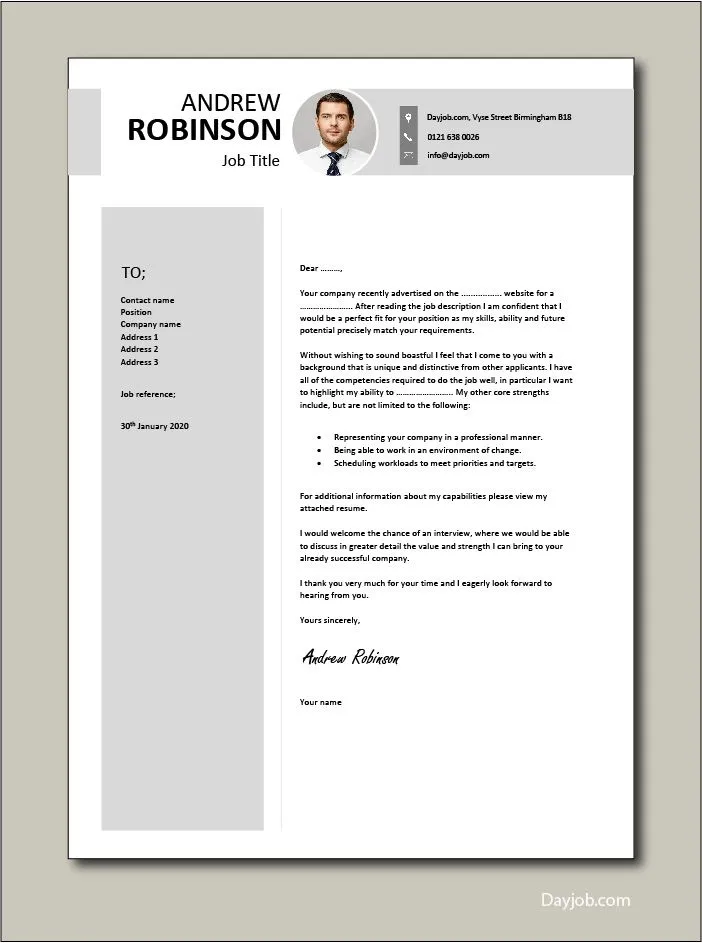
A cover letter is a one-page document you submit with your resume when applying for a job. It serves as an introduction, allowing you to highlight your most relevant skills and experiences while expressing your enthusiasm for the specific position and company. Think of it as your opportunity to make a strong first impression and convince the hiring manager to read your resume. A well-crafted cover letter can significantly increase your chances of getting an interview, while a poorly written one can lead to your application being immediately rejected. It’s your chance to showcase your personality and demonstrate why you are the perfect fit for the role, making it a crucial part of any job application strategy. A strong cover letter shows you took the time to understand the role and the company.
Why is a Cover Letter Important?
In today’s competitive job market, a cover letter provides a crucial advantage. It’s your chance to personalize your application and explain how your skills and experiences align with the specific job requirements. While your resume presents a summary of your qualifications, a cover letter allows you to delve deeper, providing context and showcasing your personality. This is where you can tell the story behind your resume and demonstrate your genuine interest in the company and the position. A well-written cover letter shows employers that you are proactive, detail-oriented, and genuinely interested in the opportunity. It is often the first impression you make on a potential employer. This crucial first impression can determine whether your application progresses to the next stage or is overlooked.
Essential Elements of a Cover Letter

A winning cover letter is composed of several key elements, all working in harmony to present you as the ideal candidate. Each part plays a vital role in conveying your qualifications and enthusiasm. Understanding these elements is key to writing a cover letter that grabs the attention of the hiring manager and secures an interview. From your contact information to the closing paragraph, each part should be carefully crafted to create a cohesive and compelling narrative that highlights your suitability for the role.
Your Contact Information
Begin with your full name, address, phone number, and professional email address. Ensure that your email address is professional; avoid using nicknames or informal language. This information should be at the top left of your cover letter. A clear, easy-to-read format is essential for the recruiter to contact you easily.
Date
Include the date you are submitting the application. This should be placed directly below your contact information.
Recipient’s Contact Information

Address your letter to the hiring manager or the specific person listed in the job posting, if possible. If you can’t find a name, use a professional title such as “Hiring Manager.” Include the recipient’s title, the company name, and the company’s address. This shows you’ve taken the initiative to personalize your application.
The Salutation
Use a professional greeting such as “Dear Mr./Ms./Mx. [Last Name]” if you know the hiring manager’s name. If you don’t have a specific name, use “Dear Hiring Manager” or “Dear [Company Name] Hiring Team.” Avoid generic greetings like “To Whom It May Concern.” Make sure your salutation is personalized to show initiative.
Crafting the Opening Paragraph
Start with a strong opening that grabs the reader’s attention. State the position you are applying for and how you learned about it. Briefly mention why you are interested in the role and the company. This paragraph sets the tone for your entire letter. Demonstrate your enthusiasm by mentioning something specific about the company or the role that interests you. This could be an accomplishment, the company’s values, or a particular project.
Highlighting Your Skills and Experience

In the body of your letter, highlight your most relevant skills and experiences. Provide specific examples of how you have demonstrated those skills in previous roles. Use the job description as a guide, and tailor your examples to match the requirements listed. This shows the hiring manager how your abilities align with what they’re looking for. Focus on achievements rather than just listing your responsibilities. Whenever possible, quantify your accomplishments with numbers and data.
Tailoring Your Letter to the Job Description
Customize your cover letter for each job you apply for. Review the job description carefully and identify the key skills and qualifications the employer is seeking. Then, in your cover letter, explicitly connect your experiences and skills to those requirements. This shows the hiring manager that you understand the role and have the specific qualities they’re looking for. Use keywords from the job description throughout your letter to help your application get past applicant tracking systems.
Quantifying Your Achievements
Whenever possible, quantify your achievements to demonstrate your impact in previous roles. Use numbers, percentages, and data to provide concrete examples of your accomplishments. For example, instead of saying “Improved customer satisfaction,” say “Improved customer satisfaction by 15% within six months.” This approach makes your claims more credible and memorable. By using quantifiable metrics, you provide tangible evidence of your skills and abilities, making your application stand out from the competition.
Showing Enthusiasm and Fit

Express your enthusiasm for the role and the company throughout your cover letter. Explain why you are excited about the opportunity and what attracts you to the organization. Show that you have researched the company and understand its mission, values, and culture. Demonstrating your genuine interest makes the hiring manager more likely to consider you a good fit. This can be done by mentioning a specific project, recent news, or company value that resonates with you.
Writing a Compelling Closing Paragraph
Conclude your cover letter with a strong closing paragraph that summarizes your key qualifications and reiterates your interest in the position. Clearly state your desire for an interview and how you can be reached. Make it easy for the hiring manager to contact you. Maintain a professional tone throughout your letter. Avoid sounding desperate or entitled. Keep the tone positive and focus on your skills and what you can bring to the role.
Expressing Gratitude and Next Steps
Thank the hiring manager for their time and consideration. Express your eagerness to discuss your qualifications further and to learn more about the opportunity. Provide your contact information again, and state your availability for an interview. End with a professional closing such as “Sincerely,” “Respectfully,” or “Best regards,” followed by your full name.
Formatting Your Cover Letter

The format of your cover letter is as important as its content. A well-formatted letter is easy to read and showcases your attention to detail. Formatting errors can detract from your qualifications and give the impression that you lack professionalism. Ensure that your cover letter is properly formatted to make a positive first impression. Prioritize clarity, readability, and professionalism in your formatting choices. The layout of your cover letter should be clean and easy to follow, with a clear structure and ample white space.
Choosing the Right Font
Use a professional and easy-to-read font, such as Times New Roman, Arial, Calibri, or Helvetica. Keep the font size between 10 and 12 points. Avoid using overly decorative or unusual fonts that could make your letter difficult to read. Consistent use of a standard font throughout your cover letter maintains a professional appearance.
Maintaining Professionalism
Use a formal and professional tone throughout your cover letter. Avoid slang, abbreviations, and informal language. Ensure that your letter is free from grammatical errors, typos, and punctuation mistakes. Proofread carefully before submitting. Maintain a professional and respectful tone, and avoid any overly casual or familiar language. Stick to a formal tone to reflect the seriousness of your application and your respect for the opportunity.
Proofreading and Editing

Proofread your cover letter multiple times, checking for spelling, grammar, and punctuation errors. Have a friend or family member review your letter as well. Errors can undermine your credibility and make you appear careless. Double-check all names, titles, and company information. Carefully proofread to catch any typos or grammatical errors. Ensure your letter is polished and error-free before submitting it.
Common Cover Letter Mistakes to Avoid
Many common mistakes can undermine the effectiveness of your cover letter. Avoiding these pitfalls can significantly improve your chances of making a positive impression. The more you know about the frequent errors people make, the better equipped you will be to write a cover letter that stands out for the right reasons. Pay close attention to your wording, content, and presentation to ensure you present yourself in the best possible light.
Using Generic Language
Avoid using generic phrases that could apply to any job. Tailor your cover letter to the specific requirements of each position. Generic language makes your application appear less genuine and less tailored to the job. Replace clichés with specific examples and personalized insights. Ensure every sentence directly addresses the job requirements and your qualifications.
Focusing on What You Want, Not What You Can Offer

While it is important to express your interest in the role, focus primarily on what you can offer the employer. Highlight your skills, experiences, and accomplishments that align with the job requirements. Show how you can solve problems and contribute to the company’s success. Frame your letter to highlight how you can meet the needs of the hiring company.
Failing to Proofread
Failing to proofread is a critical mistake. Errors can make you seem careless and unprofessional. Always proofread your cover letter multiple times, and have someone else review it as well. Carefully check for spelling, grammar, and punctuation errors. Make sure your letter is polished and free from mistakes before submitting it. Proofreading ensures the quality and credibility of your application.
Cover Letter Templates and Examples
Using a cover letter template can be a great way to get started, but remember to customize it to fit your needs. Many templates are available online, offering a range of styles and structures. Adapting a template to your specific skills, experiences, and the job requirements ensures your letter is effective. Customize each template to align with the job posting and your unique qualifications. The right template will help ensure your cover letter stands out.
Template 1 The Enthusiastic Approach
This template is ideal for showing your excitement for the opportunity. It focuses on your passion and highlights how your skills and enthusiasm align with the company’s values and the job’s requirements. Start with a captivating opening paragraph, then show how your skills and experiences match the company’s needs. Use an enthusiastic tone to showcase your eagerness to contribute and make a strong first impression. The Enthusiastic Approach emphasizes your passion and excitement.
Template 2 The Skills-Based Approach
This template highlights your key skills and how they align with the job requirements. It’s particularly useful when you have specific skills the employer is seeking. Emphasize your skills with concrete examples and quantifiable achievements. Use clear examples to showcase how your skills have benefited previous employers. The Skills-Based Approach is tailored for roles where specific abilities are essential.
Template 3 The Value-Driven Approach
This template focuses on the value you can bring to the company. It highlights your accomplishments and how you can contribute to the company’s goals. Demonstrate your ability to solve problems and achieve results. Show how your skills and experiences align with the company’s needs. The Value-Driven Approach showcases your ability to add value and drive positive outcomes.
Tips for Customizing Your Cover Letter
Customization is the key to a winning cover letter. Generic letters often get overlooked. Taking the time to personalize your cover letter for each job application significantly increases your chances of success. Demonstrate your genuine interest in the company and the specific role. Adapt your letter to align with the company culture and job requirements to make a lasting impression.
Researching the Company
Thoroughly research the company before writing your cover letter. Understand its mission, values, and recent projects. Demonstrate your knowledge by mentioning specific aspects of the company that interest you. Researching shows your interest and helps you tailor your letter effectively. Tailor your content to the company’s values and what they prioritize.
Using Keywords From the Job Description
Incorporate keywords from the job description into your cover letter. This helps your application pass applicant tracking systems (ATS) and ensures that your qualifications are clearly visible to the hiring manager. Use the same language and terminology used in the job posting. Make sure the keywords are integrated naturally throughout your letter. This approach increases your chances of being noticed.
Seeking Feedback
Ask a friend, family member, or career counselor to review your cover letter. Get feedback on your writing style, content, and overall presentation. Fresh eyes can catch errors or suggest improvements you may have missed. A second opinion can improve the overall quality and impact of your cover letter. Constructive criticism can help you refine your application.
Conclusion
Writing a winning cover letter requires careful planning, attention to detail, and a personalized approach. By following the tips and templates outlined in this guide, you can create a cover letter that grabs the hiring manager’s attention and highlights your qualifications. Remember to tailor your letter to each job, use clear and concise language, and always proofread your work. With a well-crafted cover letter, you’ll significantly increase your chances of landing your dream job. Your cover letter is your chance to shine; make it count!