What Makes a Great Cover Letter [Moms Returning to Work]
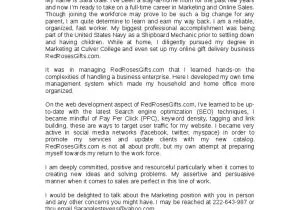
Returning to the workforce after taking time off to raise children can be a challenging but rewarding experience. One of the most crucial steps in this journey is crafting a compelling cover letter that highlights your unique strengths and addresses any potential concerns an employer might have. A great cover letter isn’t just a formality; it’s your first chance to make a strong impression, showcase your value, and convince the hiring manager that you’re the perfect fit for the job. This guide will provide you with amazing tips on how to write a cover letter that helps moms like you get back to work.
Highlighting Your Skills and Experience
Many moms returning to work underestimate the skills they’ve gained during their time away from the traditional workplace. Raising children involves a wide range of skills that are highly valued by employers, including time management, multitasking, problem-solving, and communication. The cover letter is where you strategically showcase these abilities and connect them to the job requirements. By focusing on the transferable skills, you demonstrate that you possess the qualities needed to excel in the role, even if your recent experience hasn’t been in a corporate setting.
Transferable Skills for Moms
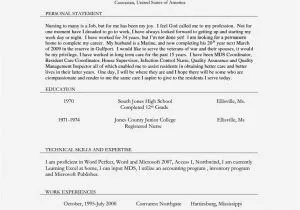
Consider the following transferable skills and how they apply to various job roles. Organizing children’s schedules translates to project management skills. Managing household budgets mirrors financial planning abilities. Resolving sibling disputes showcases conflict-resolution capabilities. These are the skills that employers are looking for, and as a mom, you have been honing them throughout your time at home. The key is to identify those skills and articulate them in a way that resonates with the job description and the employer’s needs.
Showcasing Your Soft Skills
Soft skills, such as empathy, patience, and leadership, are often overlooked but are essential in today’s workplace. As a mom, you’ve likely developed these soft skills through daily interactions with your children. For example, your ability to manage children’s emotions could be reframed as emotional intelligence. Your patience in teaching children new skills highlights your adaptability and instructional abilities. Highlighting these soft skills in your cover letter, backed by specific examples, will make you stand out from the competition. Also, consider the importance of the skills you learned in the past, before being a mom.
Addressing the Employment Gap
One of the biggest concerns for moms returning to work is addressing the employment gap. It’s essential to approach this topic with confidence and honesty. A well-crafted cover letter can explain your time away without raising red flags. The goal is to reframe the gap as a valuable experience that has enriched your skill set and personal growth. Frame your time away as a period of personal and professional development, emphasizing skills learned and experiences gained while raising your children.
Tips for Describing Your Time Off
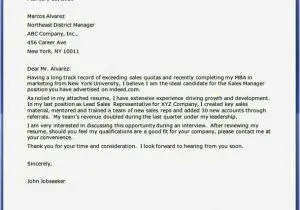
Instead of simply stating that you took time off to raise your children, provide a brief explanation of what you did during that time. Mention any volunteer work, part-time projects, or personal development activities you engaged in. Even if your activities were non-work related, they likely honed essential skills such as organization, communication, and problem-solving. Focus on the positive aspects of your time off and how those experiences have prepared you to re-enter the workforce. Show your eagerness to get back to work and highlight the skills you’ve learned.
Emphasizing Your Achievements and Accomplishments
When writing your cover letter, don’t just list your previous job responsibilities; focus on your accomplishments and the impact you made. Use action verbs to describe your achievements and quantify your results whenever possible. This helps employers see the value you bring to the table. By detailing the results of your actions, you can show your competence and the value you brought to the company. This approach ensures your cover letter is impactful and memorable.
Quantifying Your Accomplishments
Quantifying your achievements adds credibility and demonstrates the tangible results of your work. Instead of saying you improved customer satisfaction, state by what percentage. Instead of saying you managed a team, mention how many team members you led. The more specific you are, the more impressive your accomplishments will appear. Numbers and data speak volumes and help potential employers better assess your capabilities. This approach will increase your chances of getting an interview.
Formatting Your Cover Letter for Success
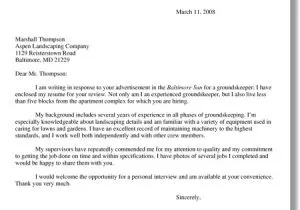
A well-formatted cover letter is easy to read and visually appealing. Choose a professional font, such as Times New Roman or Arial, and use a clean layout with clear headings and bullet points. Make sure the text is properly aligned and the margins are consistent. A well-formatted cover letter conveys professionalism and attention to detail. Keep it concise and easy for the hiring manager to skim. A messy cover letter can be a big turn-off. Avoid using long paragraphs and keep the language clear and straightforward.
Key Elements to Include in Your Cover Letter
Every cover letter should include specific elements. This includes a header with your contact information, a professional salutation, and a body that addresses the job requirements, and a closing paragraph with a call to action. Ensure that each section provides value and demonstrates why you’re a suitable candidate. By paying attention to these details, you improve your cover letter’s effectiveness and increase your chances of being noticed by employers. Always tailor each letter to the specific job position.
Header and Contact Information
At the top of your cover letter, include your name, address, phone number, and email address. If you have a professional online presence, such as a LinkedIn profile, include that as well. Making your contact information easily accessible ensures that potential employers can quickly reach you. Double-check to make sure that all the details are correct and up-to-date. Using a professional email address is another must.
Professional Salutation
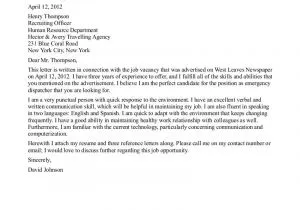
Always address the hiring manager by name if possible. Research the company and try to find out who will be reading your cover letter. If you can’t find a name, use a general salutation like “Dear Hiring Manager.” Avoid generic greetings such as “To Whom It May Concern” as they show a lack of initiative. A personalized salutation demonstrates that you’ve taken the time to learn about the company and the role.
Body Paragraph 1 Why You’re a Great Fit
In the first paragraph, state the position you are applying for and briefly explain why you’re interested in the role and the company. Show enthusiasm and tailor your answer to reflect your understanding of the job requirements. Make sure you mention how your skills and experience align with the job and what you hope to bring to the company. This paragraph sets the tone for the rest of the cover letter, so it should be concise and impactful.
Body Paragraph 2 Showcasing Skills & Experience
In the second paragraph, discuss your relevant skills and experience in detail. Refer to the job description and highlight the qualifications that match the requirements. Provide specific examples of how you have demonstrated these skills in the past. Include both professional and transferable skills, and emphasize the results you achieved in those roles. Provide concrete examples and highlight your unique abilities and achievements.
Body Paragraph 3 Addressing the Gap & Enthusiasm
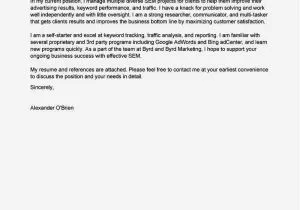
The third paragraph should address the employment gap and explain what you’ve done during your time away from the workforce. Be honest and transparent, but frame your time off positively. Highlight any volunteer work, personal development activities, or skills you acquired during this time. Also, mention your enthusiasm for the role and your readiness to re-enter the workforce. This demonstrates that you are eager to get back to work. Reiterate your interest and what excites you about the opportunity.
The Closing Paragraph and Call to Action
In the closing paragraph, thank the hiring manager for their time and consideration. Reiterate your interest in the role and state your desire for an interview. Include a call to action by mentioning that you look forward to hearing from them soon or that you are available for an interview at their earliest convenience. End your letter with a professional closing, such as “Sincerely” or “Best regards”.
Tailoring Your Cover Letter for Each Job
One of the biggest mistakes you can make is using a generic cover letter for every job application. Tailoring your cover letter to each job is essential. Research the company and understand its values, mission, and culture. Study the job description carefully and identify the key requirements and keywords. Customize your cover letter to highlight your skills and experiences that align with the specific job requirements. This shows the hiring manager that you’ve put in the effort.
Researching the Company

Before you start writing your cover letter, research the company. Visit their website, read their mission statement, and check out their social media profiles. Learn about their products or services, their values, and their recent achievements. This information will help you tailor your cover letter to the company’s specific needs and demonstrate your genuine interest in the position. You can also reach out to employees who work there to gather more information.
Using Keywords from the Job Description
Carefully review the job description and identify the keywords and phrases used to describe the required skills and qualifications. Incorporate these keywords into your cover letter to demonstrate that you meet the employer’s needs. Use these keywords naturally throughout the letter, not forcing them into the text. This will increase your chances of passing through applicant tracking systems and getting your application noticed by the hiring manager.
Proofreading and Editing Your Cover Letter
Proofreading and editing your cover letter is a must. Even a small error can undermine your professionalism and reduce your chances of getting an interview. Always check for grammar, spelling, and punctuation errors. Read your cover letter aloud to catch any awkward phrasing or unclear sentences. It’s also useful to have someone else proofread your cover letter. A fresh pair of eyes can often spot errors that you might miss. Always use tools like Grammarly to help with your writing.
Tools and Resources to Help You
Numerous tools and resources are available to help you write a winning cover letter. Take advantage of these resources to make your application stand out. These are good ways to improve your chances of getting hired and making a great first impression.
Cover Letter Templates
Cover letter templates are a great way to start when you’re unsure how to format your letter. Many free and paid templates are available online. These templates provide a structure and guidance, making it easier to organize your thoughts and tailor your cover letter. Ensure the template fits your industry and showcases your personality. Use them to make your cover letter professional and well-organized.
Online Cover Letter Builders
Online cover letter builders provide a step-by-step approach to creating your cover letter. They typically offer prompts, suggestions, and formatting options to help you through the writing process. Some also offer templates and formatting options. These tools are particularly helpful if you’re starting from scratch or if you need guidance on what to include. Ensure you customize it for each job application.
Seeking Feedback and Getting Help
Don’t hesitate to seek feedback on your cover letter from friends, family, or career counselors. Ask them to review your cover letter for clarity, grammar, and overall effectiveness. Consider visiting a career center or hiring a professional resume writer to get expert advice. They can provide valuable insights and suggestions for improvement. Getting external input helps you refine your cover letter and increase your chances of success.
Final Thoughts and Next Steps
Writing a cover letter as a mom returning to work requires careful planning and attention to detail. By highlighting your transferable skills, addressing the employment gap confidently, and tailoring your cover letter to each job, you can significantly increase your chances of landing an interview. Remember to proofread your cover letter thoroughly, and seek feedback from trusted sources. Embrace this opportunity to showcase your value and embark on your journey back into the workforce with confidence. With a well-crafted cover letter, you are one step closer to starting your next chapter.