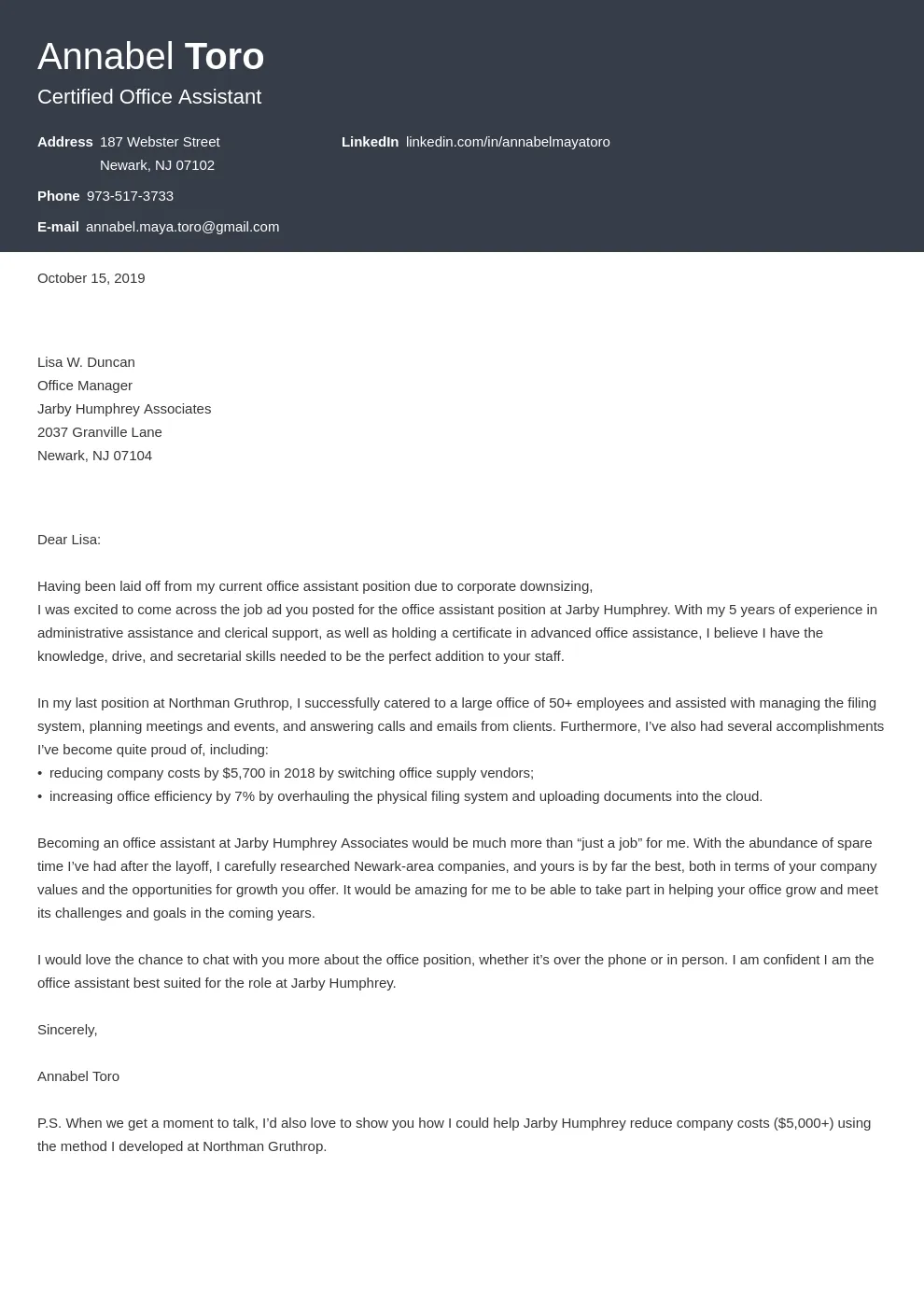
What is a Cover Letter?
A cover letter is a crucial document that accompanies your resume when applying for a job. It serves as your introduction to the hiring manager, providing an opportunity to showcase your personality, skills, and experiences in a way that a resume alone cannot. Think of it as your chance to make a strong first impression and persuade the employer why you’re the perfect candidate for the position. It’s more than just a formality it is a vital tool in your job search arsenal, helping you stand out from the competition and increasing your chances of landing an interview. A well-crafted cover letter is a powerful asset in any job application, enabling you to make a compelling case for why you should be considered for the role and ultimately secure your desired position. By taking the time to write a thoughtful and personalized cover letter, you’re investing in your career and setting yourself up for success.
The Importance of a Cover Letter
The importance of a cover letter cannot be overstated in today’s competitive job market. It’s your first opportunity to make a positive impression on a potential employer, setting the tone for your entire application. Unlike a resume, which provides a snapshot of your qualifications, a cover letter allows you to articulate your interest in the specific role and company, demonstrating that you’ve done your research and are genuinely invested in the opportunity. It’s also your chance to highlight the skills and experiences most relevant to the position, providing context and depth to your resume. A well-written cover letter can showcase your communication skills, attention to detail, and ability to think strategically. In a pile of applications, a standout cover letter can be the key differentiator, prompting the hiring manager to take a closer look at your qualifications and inviting you to the next stage of the hiring process.
Formatting Your Cover Letter

Formatting your cover letter correctly is essential for presenting a professional and polished image. The layout should be clean, easy to read, and visually appealing. Use a standard font like Times New Roman, Arial, or Calibri in a size between 10 and 12 points. Maintain consistent margins of one inch on all sides. The general structure includes a header, a greeting, the body paragraphs, a complimentary close, and your signature. Keep it concise, aiming for one page at most. This format guides the reader through your key qualifications and accomplishments, making your case in a clear and organized manner. Ensure that your formatting choices enhance readability and make a positive impression on the hiring manager. Good formatting makes your application look professional and highlights that you’re serious about the role.
Header
Your cover letter header should include your contact information, the date, and the recipient’s information. Start with your name, address, phone number, and email address at the top of the page. Following this, write the date you are sending the letter, and then include the name and title of the hiring manager (if known), and the company’s name and address. If you are sending the cover letter via email, the header is often included in the body of the email or as a part of the cover letter document itself. The goal of the header is to provide the employer with the necessary information to contact you and identify the specific job you are applying for. Accurate and well-formatted headers show professionalism and attention to detail, crucial for making a strong first impression.
Greeting
The greeting in your cover letter sets the tone for the rest of your communication. If possible, address the hiring manager by name (e.g., “Dear Mr. Smith”). This shows you’ve taken the time to research the company and personalize your application. If the hiring manager’s name is unavailable, use a professional and general greeting such as “Dear Hiring Manager” or “Dear [Company Name] Team.” Avoid generic greetings like “To Whom It May Concern,” as they make your letter seem impersonal. Your greeting should be respectful and appropriate for the company culture. Choose the greeting that best fits the context and the level of formality appropriate for the job. A well-crafted greeting establishes a friendly and professional tone, which encourages the hiring manager to read further.
Body Paragraphs

The body paragraphs are the heart of your cover letter. This is where you tell your story, highlighting your skills, experiences, and why you are the perfect fit for the job. Typically, your cover letter should include three to four paragraphs. Each paragraph should focus on a specific aspect of your qualifications. The first paragraph should introduce yourself and state the position you are applying for. The second paragraph should highlight relevant skills and experiences, providing specific examples of your accomplishments. The third paragraph should emphasize your enthusiasm for the company and the position. Finally, the closing paragraph should summarize your interest and reiterate your enthusiasm, ending with a call to action. Your writing must be clear, concise, and engaging, showcasing your communication skills and making a strong case for your candidacy.
First Paragraph Introducing Yourself and the Position
Your first paragraph serves as the opening statement of your cover letter. Start by clearly stating the position you are applying for and where you found the job posting. Then, provide a brief overview of who you are and why you are interested in the role. State your purpose for writing, and highlight a key qualification or experience that makes you a strong candidate. The aim is to capture the reader’s attention and give them a reason to continue reading. Keep this paragraph concise and focused. Avoid generic phrases; personalize your introduction to make it memorable. Briefly mention something about the company that interests you, showing you’ve done your research. The first paragraph is your chance to make a great first impression.
Second Paragraph Highlighting Relevant Skills and Experiences
In the second paragraph, go into detail about your relevant skills and experiences. Choose 2-3 key skills or experiences that directly relate to the job description. Provide specific examples of your achievements, and quantify them whenever possible (e.g., “Increased sales by 15% in six months”). Use the STAR method (Situation, Task, Action, Result) to structure your examples, providing context, outlining your role, describing your actions, and detailing the results. Tailor your content to match the job requirements, and use keywords from the job posting. Focus on the value you can bring to the company, and make it clear how your skills and experiences align with the role’s needs. This paragraph is where you truly showcase your qualifications and show the employer why they should hire you.
Third Paragraph Emphasizing Your Interest and Enthusiasm

In your third paragraph, show your enthusiasm for the company and the role. Explain why you are interested in working there and what specifically attracts you to the opportunity. Highlight your research of the company’s mission, values, and recent activities. Describe how your values align with the company’s culture. Showcase how your long-term career goals align with the role and the company. Show that you see yourself growing and contributing to the organization. Avoid generic statements and instead, be specific. Explain how you can contribute and add value to the team. Demonstrate your genuine interest and passion for the position and the company, making the hiring manager believe you want the job and aren’t just looking for any job.
Closing Paragraph
Your closing paragraph should summarize your interest in the position and thank the hiring manager for their time and consideration. Reiterate your enthusiasm and reiterate your interest in the role and the company. Include a call to action, such as expressing your availability for an interview and providing your contact information again. Avoid overly casual language. Keep the closing professional and courteous. You can also mention your understanding that the hiring manager has many applications to review and express your anticipation of their response. This final paragraph reinforces your interest and ensures the hiring manager knows you are eager for the next step in the hiring process.
Complimentary Close and Signature
The complimentary close and signature complete your cover letter. Use a professional closing such as “Sincerely”, “Best regards”, or “Thank you”. Avoid informal closings like “Cheers” or “Best”. Leave a space after the closing for your signature. If you are submitting a digital cover letter, you can type your name below the closing. If you are submitting a printed copy, handwrite your signature above your typed name. Ensure your signature matches your name and provides a professional and polished finish to your cover letter. Double-check your closing and signature for any errors, which adds the final professional touch to your application.
Proofreading and Editing

Proofreading and editing are essential steps in creating a polished cover letter. Carefully review your cover letter for any grammatical errors, typos, or inconsistencies in formatting. Pay close attention to spelling, punctuation, and sentence structure. Read your cover letter aloud to identify any awkward phrasing or unclear sentences. Get a second pair of eyes to review your cover letter. Ask a friend, family member, or career counselor to provide feedback and catch errors you might have missed. Make sure your cover letter is clear, concise, and well-written. The objective is to ensure that your application is flawless and presents you in the best possible light. A well-proofread cover letter demonstrates your attention to detail and professionalism.
Tailoring Your Cover Letter
Tailoring your cover letter to each job application is critical for demonstrating your genuine interest and suitability for the role. Avoid using a generic, one-size-fits-all cover letter. Review the job description carefully and identify the key skills, qualifications, and experiences the employer is seeking. Adjust your cover letter to highlight your relevant accomplishments and how they align with the job requirements. Use keywords from the job description to show that you understand what the employer is looking for. Include information about the company and how you can contribute to their goals. Customize your cover letter to show your knowledge of the role and the organization. The more tailored your cover letter, the higher the probability that your application will grab the attention of the hiring manager.
Researching the Company
Thorough research into the company is a fundamental step in tailoring your cover letter. Invest time in understanding the company’s mission, values, and recent activities. Visit their website, read articles about the company, and explore their social media profiles. Identify the company’s current projects, recent achievements, and future goals. This information will give you insight into their needs and challenges. Use this knowledge to tailor your cover letter, demonstrating that you understand the company and how you can contribute to its success. Show that you are genuinely interested in the opportunity. Your research will help you to write a more relevant and compelling cover letter. The more informed you are about the company, the more effectively you can showcase how your skills align with their needs and goals.
Identifying Key Skills and Requirements

Identifying the key skills and requirements is an essential step in tailoring your cover letter. Carefully review the job description and highlight the essential skills and experiences the employer is seeking. Look for keywords and phrases that describe the required qualifications and responsibilities. Create a list of the skills and requirements mentioned in the job posting. Then, compare them to your own skills and experiences. Identify the areas where your skills and experiences align with the job requirements. Use these key skills and experiences to highlight in your cover letter. Tailor your language to use the same terms and phrases from the job description. This targeted approach increases your chances of getting noticed by the hiring manager.
Highlighting Achievements
When highlighting your achievements, use specific examples to demonstrate your skills and experiences. Focus on your accomplishments rather than simply listing your responsibilities. Use the STAR method (Situation, Task, Action, Result) to provide context, outline your role, describe your actions, and detail the results of your achievements. Quantify your achievements whenever possible (e.g., “Increased sales by 20%”). Show, don’t just tell, the value you brought to previous roles. Tailor your achievements to align with the job requirements. Demonstrate how your accomplishments have made a positive impact and benefited your previous employers. Highlighting achievements is a powerful way to prove your capabilities and show why you’re the perfect candidate for the role.
Cover Letter Examples and Templates
Utilizing cover letter examples and templates is a great way to get started and understand the proper format and content. There are numerous free resources online that offer cover letter templates for various industries and job types. Search for templates that match your industry and the type of job you are applying for. Review the examples to see how other applicants have structured their letters and highlighted their qualifications. Use these templates as a guide and customize them to fit your own skills, experiences, and the specific job requirements. Remember to tailor each cover letter to each specific job. Adapting templates will save you time and also provide you with a good foundation for creating a compelling cover letter. Remember to personalize them with your unique skills and experiences.
Cover Letter Mistakes to Avoid

Avoiding common cover letter mistakes will significantly increase your chances of getting your application noticed. There are several errors that can immediately disqualify your application. Paying attention to these mistakes is crucial for making a good impression on hiring managers. Some common mistakes include grammatical errors, using generic content, exceeding the recommended length, and failing to proofread your work. Avoid these mistakes to create a cover letter that highlights your strengths and increases your chances of landing an interview. By avoiding these mistakes, you can ensure that your cover letter is polished, professional, and effective.
Grammatical Errors
Grammatical errors can make your cover letter appear unprofessional and can diminish your credibility as a candidate. Proofread your cover letter carefully to eliminate spelling mistakes, punctuation errors, and grammatical inaccuracies. Use a spell checker and grammar checker, but also read your cover letter aloud to catch any errors that may be missed by these tools. Pay close attention to your sentence structure and ensure that your writing is clear and concise. Correct grammar is critical for showcasing your attention to detail and your ability to communicate effectively. A cover letter with grammatical errors can create a negative impression and potentially undermine your chances of getting hired.
Generic Content
Using generic content in your cover letter is a common mistake that can make your application seem uninspired and unpersuasive. Avoid using pre-written templates or generic phrases that do not reflect your unique skills and experiences. Instead, tailor your cover letter to the specific job and company you are applying for. Highlight your relevant accomplishments and demonstrate how your skills align with the job requirements. Research the company and show that you understand its mission, values, and goals. Personalize your cover letter by mentioning something specific that interests you about the role and the company. A personalized cover letter demonstrates that you are genuinely interested in the opportunity and have taken the time to consider how you can contribute to the organization’s success.
Exceeding the Recommended Length
Exceeding the recommended length of one page is a mistake that can overwhelm the hiring manager. Keep your cover letter concise and focused, highlighting only your most relevant skills, experiences, and achievements. The goal is to capture the reader’s attention quickly and convince them to read your resume. Focus on providing clear, concise information. A lengthy cover letter may appear to lack focus and may make it difficult for the hiring manager to find the most important information. By keeping your cover letter to one page or less, you increase the chances that your application will be read and considered. This shows respect for the hiring manager’s time and ensures that your key qualifications are highlighted.
Lack of Proofreading
Failing to proofread your cover letter is a critical error that can damage your chances of being hired. Always thoroughly proofread your cover letter to catch any spelling, punctuation, or grammatical errors. Errors can make your application look unprofessional and can give the impression that you lack attention to detail. Read your cover letter aloud, and have someone else review it. Consider using proofreading software to help identify any errors you may have missed. Proofreading shows that you’re meticulous and have taken the time to ensure your application is flawless. This final check is essential for making a strong positive impression.
Submitting Your Cover Letter
Submitting your cover letter correctly is just as important as the content itself. Pay close attention to the file format, naming conventions, and email etiquette. Make sure you follow the instructions provided in the job posting. Adhering to these standards demonstrates your professionalism and attention to detail. Properly submitting your cover letter shows that you are serious about the opportunity and ensures your application is given full consideration. Paying attention to these details enhances your chances of making a positive impression.
File Format and Naming
When saving your cover letter, use a professional file format such as PDF or Word. PDF is usually preferred as it preserves the formatting of your document. Always name your file clearly and concisely (e.g., “Your Name_Cover Letter_Job Title”). Avoid using generic file names. Including your name and the job title makes it easy for the hiring manager to identify your application. If the job posting specifies a specific file format or naming convention, follow the instructions provided. Correct file formatting and naming show your attention to detail and professionalism. Properly formatting the file ensures that your cover letter opens correctly on the recipient’s computer and presents a polished image.
Sending the Cover Letter via Email
When sending your cover letter via email, be sure to include a professional subject line that reflects the job title and your name (e.g., “Application for Marketing Manager - Your Name”). In the body of the email, include a brief greeting and mention that you are attaching your cover letter and resume. Use a professional tone and be courteous. Keep the email concise and focused. Avoid including your cover letter content directly in the email; instead, attach it as a separate PDF or Word document. Close your email with a professional closing and your name and contact information. Correct email etiquette helps convey professionalism and ensures that your application is handled correctly.
Following Up
After submitting your cover letter, it’s appropriate to follow up to demonstrate your continued interest. Wait one to two weeks after the application deadline or the date you sent your application, then send a polite email to the hiring manager. In your email, restate your interest in the position and briefly mention your qualifications. Express your thanks for their time and consideration. Keep your follow-up concise and professional. If you have not heard back after a second follow-up, it is best to move on. Following up shows initiative and can remind the hiring manager of your application. This will reinforce your enthusiasm, which can help you stand out from other applicants.