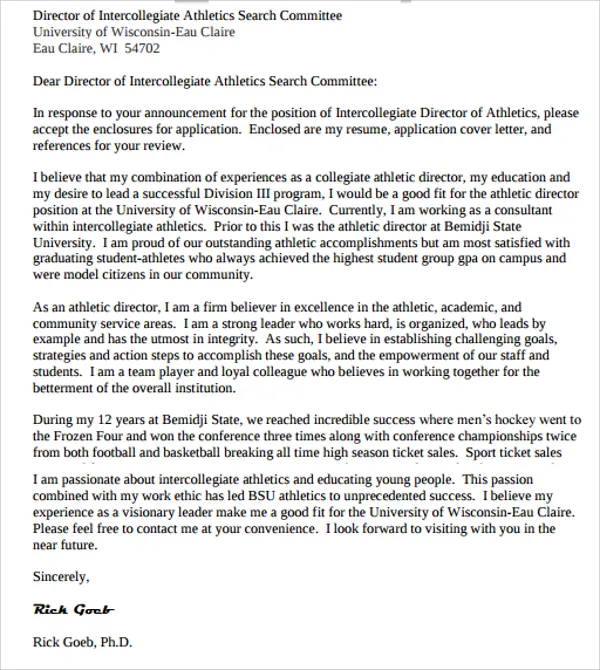
Why a Cover Letter is Crucial
In the realm of academic pursuits, securing the support of an academic advisor is paramount to student success. A well-crafted cover letter is often the first interaction you’ll have with a potential advisor, setting the tone for a productive and supportive relationship. It serves as your initial introduction, allowing you to showcase your academic interests, goals, and suitability for working with the advisor. Think of it as your professional handshake, a vital tool in making a positive first impression and getting your foot in the door. It’s not just a formality; it’s a strategic document designed to highlight your unique qualifications and demonstrate your genuine interest in the advisor’s area of expertise.
Understanding the Importance of a Cover Letter
The significance of a cover letter extends beyond a mere introduction. It provides a platform to articulate your academic and professional aspirations, connecting them directly to the advisor’s research or teaching interests. A strong cover letter demonstrates initiative, professionalism, and a clear understanding of the advisor’s work. It allows you to articulate your motivations for seeking their guidance and to articulate how your skills align with their area of expertise. This proactive approach can significantly enhance your chances of securing a meeting and ultimately, gaining their support for your academic journey. Moreover, it shows respect for the advisor’s time and the value of their expertise, a quality that advisors highly appreciate.
Key Components of an Effective Cover Letter

Crafting a compelling cover letter requires a strategic approach, ensuring that each element contributes to your overall objective of capturing the advisor’s attention and securing their support. Key elements must be in place. This includes a professional heading, a personalized salutation, a concise opening that captures their interest, a clear articulation of your academic goals, a demonstration of how your skills align with their work, and a polite request for a meeting. Each component must be carefully crafted to showcase your suitability as a student and make a memorable impression. Paying attention to these details elevates your application from the ordinary to the extraordinary.
Header and Contact Information
Start with a professional header that includes your name, contact information (email address and phone number), and the date. Make sure your contact information is up-to-date and easy to find. Use a professional email address. This information allows the advisor to easily contact you. This section sets the stage for professionalism and facilitates immediate communication. It shows you are organized and have attention to detail.
The Salutation Addressing Your Advisor
Begin your letter with a formal salutation, addressing the advisor by their title (e.g., Dr., Professor) and last name. If you know the advisor’s preferred title, use it. This shows respect and attention to detail. Avoid generic greetings like “To Whom It May Concern.” If you are unsure of the specific name, try looking at the faculty directory on the department’s website or find out the name through other channels. A personalized greeting shows that you have put in some effort, making a better first impression.
Crafting a Compelling Opening

The opening paragraph is your chance to grab the advisor’s attention. Briefly state your purpose for writing and mention how you learned about their work or why you’re interested in working with them. This could be due to their published papers, their reputation in the field, or their teaching. Keep it concise and focused, highlighting your genuine interest. A strong opening will encourage the advisor to read the rest of your letter, while a weak one might make them dismiss your application. The first few lines must be the most compelling of all.
Highlighting Your Academic Goals
Clearly articulate your academic goals and objectives. What are you hoping to achieve during your time at the university or in the program? Express your passion for your field and show how working with this advisor will contribute to your aspirations. Are you interested in a specific area of research, or do you have a clear idea of what you want to study? Align your goals with the advisor’s research interests, showing you have a clear vision for your academic journey. The more aligned you are, the better chances you have of getting support.
Expressing Your Research Interests
Detail your specific research interests and how they align with the advisor’s area of expertise. Refer to the advisor’s publications or ongoing projects to demonstrate your knowledge of their work. Mention any specific topics or methodologies that appeal to you. Being specific not only shows you’ve done your research, but also helps the advisor see how you can contribute to their projects. Tailor this section to show how your interests connect with the advisor’s, signaling that you are a good fit for their lab or research group. Make it clear what you intend to explore.
Showcasing Relevant Experience

Highlight any relevant experience, such as research projects, internships, or coursework, that demonstrate your skills and suitability. Quantify your accomplishments whenever possible (e.g., “assisted in the analysis of 50 datasets,” “presented research findings at a conference”). Use action verbs to describe your responsibilities and contributions. Emphasize skills like data analysis, lab techniques, writing abilities, or project management. This section should provide concrete examples of how you have applied your skills in the past.
Skills and Accomplishments to Include
Emphasize skills relevant to the advisor’s work, such as technical proficiency, analytical skills, or writing capabilities. Describe how you have applied these skills in previous projects or coursework. Mention any specific software, tools, or methodologies you are familiar with. Also, list any awards, honors, or publications that showcase your accomplishments. Quantify your achievements with numbers to demonstrate the impact of your work. Providing this information will help make the advisor more confident in your ability.
Demonstrating Your Knowledge of the Advisor’s Work
Show that you have researched the advisor’s work. Reference their publications, projects, or specific areas of expertise. Briefly discuss how their work resonates with your interests and goals. Explain why you are drawn to their research and what aspects of their work appeal to you. Demonstrating that you are familiar with their work shows genuine interest and initiative. Specificity is key: mention the titles of papers or projects that you find interesting. This will set you apart from the generic applicants.
How to Tailor Your Letter

Personalize your letter to each advisor. Generic cover letters are easily identifiable and less likely to impress. Research the advisor’s work and tailor your letter to their specific interests and requirements. Customize your letter to the program or project requirements, highlighting your specific skills and experiences that make you a strong candidate. This customization demonstrates your initiative, attention to detail, and genuine interest in working with that particular advisor. Proofread the letter carefully before sending it.
Customizing for Specific Programs or Projects
If applying for a specific program or project, tailor your cover letter to meet its requirements. Highlight the skills and experiences that align with the program’s goals and objectives. Research the program’s curriculum and faculty, and mention any courses or faculty members that interest you. Emphasize how your goals align with the program’s mission and what you hope to contribute to the program. Show them how your experience complements the specific program. Your ability to show how well your application fits a particular project is what sets apart a good cover letter from a great one.
The Call to Action Requesting a Meeting
Clearly state your request for a meeting or interview. Suggest specific times or offer your availability. Be respectful of the advisor’s time and express your understanding of their busy schedule. Thank the advisor for their time and consideration. Making it easy for the advisor to respond can increase your chances of a positive response. Make sure your email address and phone number are clearly visible in the letter so they can easily contact you.
Expressing Gratitude and Professional Closing

End your letter with a professional closing (e.g., “Sincerely,” “Best regards,”) followed by your typed name. Reiterate your gratitude for the advisor’s time and consideration. Consider adding a brief statement expressing your enthusiasm for the opportunity to discuss your application further. Expressing gratitude shows respect and enhances the positive impression you make. Maintain a professional tone throughout the closing. The closing should leave a positive, memorable impression.
Proofreading and Formatting Your Letter
Proofread your cover letter meticulously. Check for grammatical errors, spelling mistakes, and typos. Ensure that the formatting is clean and easy to read. Use a professional font (e.g., Times New Roman, Arial) and a standard font size (e.g., 11 or 12 points). Use clear formatting, and make sure that your letter is well-structured. Ask a friend or colleague to proofread your letter as a second set of eyes will often catch errors. Good formatting and lack of errors will show you care about details and make a better impression.
Common Mistakes to Avoid
Avoid common pitfalls that can damage your chances. Avoid generic cover letters, which suggest a lack of interest and effort. Do not use jargon or overly complex language. Avoid making spelling or grammatical errors. Do not include irrelevant information. Make sure your email address is professional. Review your letter multiple times to ensure it’s free of errors. Avoid rambling or being overly verbose. Keep it concise and focused on what matters. The letter should be as clear as possible.
Ensuring Clarity and Conciseness

Ensure that your cover letter is clear and concise. Use direct language and avoid unnecessary jargon. Keep your sentences and paragraphs short. Structure your letter logically, with a clear introduction, body, and conclusion. Focus on the most important information and avoid unnecessary details. Your letter should be easy to read and understand, allowing the advisor to quickly grasp your qualifications and interests.
Formatting Your Cover Letter for Impact
Use a professional and consistent format throughout your cover letter. Choose a readable font and use appropriate font sizes (11 or 12 points). Use clear formatting, such as bullet points, to highlight key information. Use headers to organize your letter logically, allowing the advisor to easily navigate the content. A well-formatted cover letter shows attention to detail and enhances your credibility. Make sure that you adhere to the formatting requirements if there are any specific instructions provided by the department or program. A well-formatted cover letter can make a positive impression and help you make a good impression.