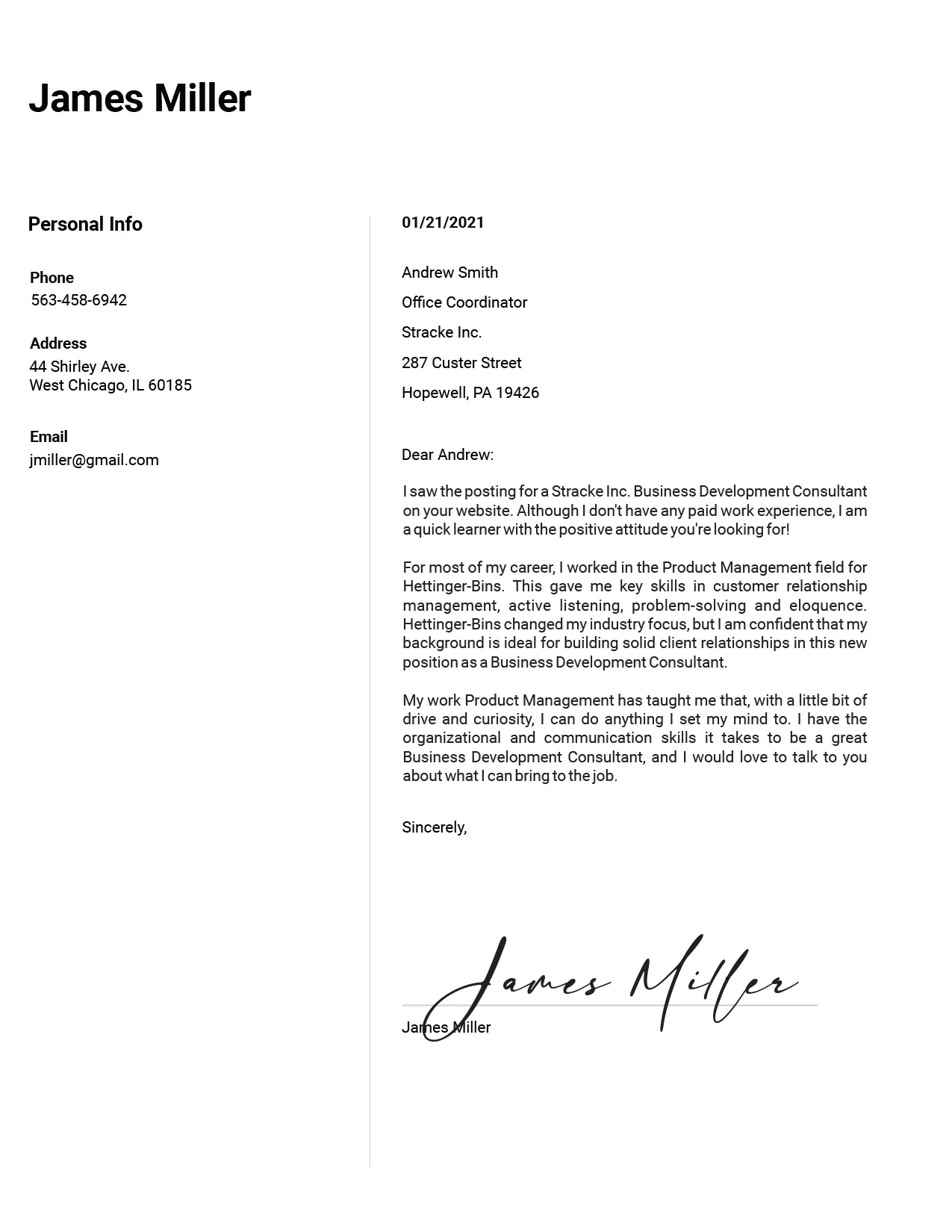
Why You Need a Stellar Resume Cover Letter
In today’s competitive job market, a well-crafted resume cover letter is no longer optional—it’s essential. A resume cover letter is your first introduction to a potential employer, and it serves as a crucial tool for making a positive first impression. It provides an opportunity to go beyond the bullet points of your resume and tell a compelling story about your qualifications, skills, and aspirations. Without a strong cover letter, your resume might get overlooked, regardless of how impressive your experience and qualifications are. A good cover letter can significantly increase your chances of landing an interview, as it demonstrates your genuine interest in the position and the company. The goal is to showcase your personality, writing skills, and how your unique blend of abilities and experiences aligns perfectly with the employer’s needs and the job requirements.
The Importance of a Cover Letter
The importance of a cover letter cannot be overstated. It’s a prime opportunity to communicate why you’re the perfect fit for a specific role. It allows you to express your enthusiasm for the company and the position, demonstrating that you’ve done your research and understand the company’s mission and values. This attention to detail sets you apart from other applicants. A well-written cover letter can highlight your soft skills—communication, teamwork, problem-solving, and leadership—that often aren’t as evident in a resume. Moreover, it helps you to connect your past experiences with the future responsibilities and expectations of the target job. By presenting a cohesive narrative, you build a stronger case for why you deserve an interview, ultimately increasing your chances of employment. It’s an investment in your future and can be the difference between a rejection email and a job offer.
Cover Letter vs. Resume

Understanding the difference between a cover letter and a resume is critical. A resume is a concise summary of your work history, skills, and educational background. It’s a factual, detailed document that provides potential employers with a quick overview of your qualifications. A cover letter, on the other hand, is more personal and narrative-driven. It expands on the information in your resume, adding context and personality. The resume is your ‘what,’ while the cover letter is your ‘why.’ The cover letter explains why you are interested in the specific job, how your skills match the job requirements, and how you can contribute to the company’s success. Use your resume to list your achievements, and your cover letter to explain the context, significance, and impact of those accomplishments. Both documents are essential in your job application arsenal, working together to make a strong case for your candidacy.
Key Components of a Winning Cover Letter
A winning cover letter consists of several key components that work together to make a strong impression. Start with your contact information and a professional salutation, addressing the hiring manager by name if possible. The opening paragraph should immediately grab the reader’s attention, expressing your enthusiasm for the position and the company. In the body of the letter, highlight your relevant skills and experiences, providing specific examples to demonstrate your abilities. Quantify your achievements with numbers and data whenever possible. Show the company your passion and fit by demonstrating your understanding of their values and goals. Tailor your letter to the specific job description, using relevant keywords and addressing the employer’s needs. Conclude with a clear call to action, stating your availability for an interview and expressing your eagerness to discuss your qualifications further. Finally, proofread your letter carefully to eliminate any errors and ensure a polished and professional presentation.
Contact Information & Salutation
Begin your cover letter by including your contact information: your full name, phone number, email address, and optionally, your LinkedIn profile URL. Place this information at the top of your letter, ideally aligned to the left or right, depending on your layout preference. Following this, address the hiring manager directly. If the name of the hiring manager is not specified in the job posting or if you can find it through research (e.g., LinkedIn or the company website), use ‘Dear Mr./Ms./Mx. [Last Name].’ This personal touch shows you’ve taken the time to learn about the company and the hiring process. If you can’t find a specific name, use a professional salutation such as ‘Dear Hiring Manager’ or ‘Dear [Department Name] Hiring Team.’ Avoid generic salutations like ‘To Whom It May Concern,’ as they can make your letter feel impersonal and less engaging. The tone should always be professional and respectful.
Opening Paragraph Grab Their Attention

The opening paragraph is your opportunity to hook the reader. Start with a compelling statement that immediately captures their interest. You might express your enthusiasm for the position, mention a specific accomplishment that aligns with the job requirements, or reference a mutual connection or referral. Avoid generic phrases like ‘I am writing to express my interest…’ Instead, consider stating your interest in a more dynamic way, like ‘I am excited to apply for the [Job Title] position at [Company Name], as I have been consistently impressed by [Company’s] work in [Industry/Area].’ Show you’ve done your homework by mentioning something specific that resonates with you about the company or the role. The goal is to demonstrate your understanding of the company’s needs and to signal your genuine interest right from the start. Make it clear why you’re a good fit from the outset and make them want to read more.
Highlighting Your Skills and Experience
In the body of your cover letter, showcase your relevant skills and experience. Focus on the qualifications and experiences that align with the job requirements outlined in the job description. Use action verbs to describe your accomplishments, such as ‘managed,’ ’led,’ ‘developed,’ or ‘achieved.’ For each skill or experience you highlight, provide a specific example to demonstrate your competence. Explain how you used your skills to achieve results in past roles. Instead of just listing your responsibilities, explain your achievements. For instance, instead of saying, ‘Responsible for managing social media accounts,’ you could say, ‘Managed social media accounts, increasing follower engagement by 30% and driving a 15% increase in website traffic.’ Tailor these examples to the specific role you’re applying for. This section should demonstrate your ability to perform the job effectively.
Quantify Your Achievements
Whenever possible, quantify your achievements. Use numbers, percentages, and data to demonstrate the impact of your work. This provides concrete evidence of your capabilities and helps employers understand the value you can bring to their organization. For example, instead of saying, ‘Improved customer service,’ state, ‘Improved customer service by implementing a new training program, leading to a 20% reduction in customer complaints and a 10% increase in customer satisfaction scores.’ Quantifying your achievements makes your claims more credible and memorable. It shows that you’re results-oriented and that you have a track record of success. It also helps employers assess your potential for similar success in the new role. Think about metrics such as revenue growth, cost savings, efficiency improvements, or customer satisfaction scores. Be specific and use data to support your claims, as this makes your cover letter more persuasive.
Showcase Your Passion and Fit

Demonstrate your passion for the role and your fit within the company culture. Research the company’s mission, values, and recent initiatives. In your cover letter, explain how your personal values align with the company’s goals. Mention something specific that excites you about the company, such as a product, a project, or its impact on the community. Explain why you’re genuinely interested in the position and the company. This shows that you’re not just looking for any job, but that you are specifically motivated by this opportunity. Connect your skills and experiences with the company’s needs, showing how you can contribute to their success. Demonstrate that you’ve thought about how you can contribute, rather than just what you hope to gain. This personalization makes your letter more impactful and shows you are a thoughtful candidate.
Tailoring Your Letter to the Job
Tailoring your cover letter to each job application is essential. Avoid using a generic cover letter for all positions. Instead, carefully review the job description and identify the key requirements, skills, and keywords. Adjust your cover letter to highlight the experiences and skills that are most relevant to the specific role. This requires you to demonstrate how your past achievements match the job’s responsibilities. Address the employer’s needs directly by explaining how you can solve their problems or contribute to their goals. Show that you understand the position and the company’s priorities. This shows that you have taken the time to understand their needs. Tailoring your letter increases your chances of getting noticed and demonstrates your attention to detail and your genuine interest in the specific opportunity.
Keywords and Customization
Use keywords and customize your cover letter to make it stand out. Carefully analyze the job description and identify the essential skills, qualifications, and keywords. Incorporate these keywords naturally throughout your cover letter. This helps the hiring manager quickly see that you meet the job requirements. It also helps your application pass through Applicant Tracking Systems (ATS), which many companies use to screen resumes and cover letters. Make sure your letter is tailored to the specific company and role. Research the company’s culture and values, and highlight your alignment with their mission. Personalize your letter by mentioning specific projects, products, or initiatives that interest you. This level of customization shows your genuine interest and distinguishes you from candidates using generic templates.
The Closing: Call to Action

Conclude your cover letter with a clear call to action. Express your interest in an interview and make it easy for the hiring manager to contact you. State your availability for an interview and reiterate your enthusiasm for the opportunity. Thank the hiring manager for their time and consideration. A strong closing might look like this ‘Thank you for your time and consideration. I am eager to discuss my qualifications further and am available for an interview at your earliest convenience. You can reach me at [your phone number] or [your email address].’ End your letter with a professional closing such as ‘Sincerely,’ or ‘Best regards,’ followed by your full name. The goal is to leave a positive final impression and encourage the hiring manager to take the next step by contacting you.
Proofreading and Formatting
Thoroughly proofread and format your cover letter to ensure it is polished and professional. Errors in grammar, spelling, and punctuation can make a negative impression and undermine your credibility. Read your letter multiple times, and consider having a friend or colleague review it as well. Pay close attention to the formatting. Use a clean, easy-to-read font such as Arial, Times New Roman, or Calibri. Ensure that your letter is well-organized with clear headings, concise paragraphs, and ample white space. Maintain a consistent font size, typically 10-12 points, and use standard margins. The tone should be professional and respectful, avoiding slang, jargon, or overly casual language. A well-formatted and error-free cover letter demonstrates your attention to detail and your commitment to professionalism.
Common Cover Letter Mistakes to Avoid
Avoid common cover letter mistakes to make your application stand out. Do not simply repeat your resume. Your cover letter should provide additional context and highlight specific achievements. Avoid generic language and clichés; personalize your letter to each job. Refrain from using a negative tone or focusing on what you don’t have. Instead, emphasize your skills and experience. Avoid typos, grammatical errors, and poor formatting; proofread meticulously. Don’t make your cover letter too long. Aim for a concise, one-page letter. Do not fail to tailor your letter to each job; customize it to the specific requirements. Avoid overselling or making unrealistic claims. Be truthful and authentic. By avoiding these mistakes, you will ensure your cover letter presents you in the best possible light and increases your chances of getting an interview.