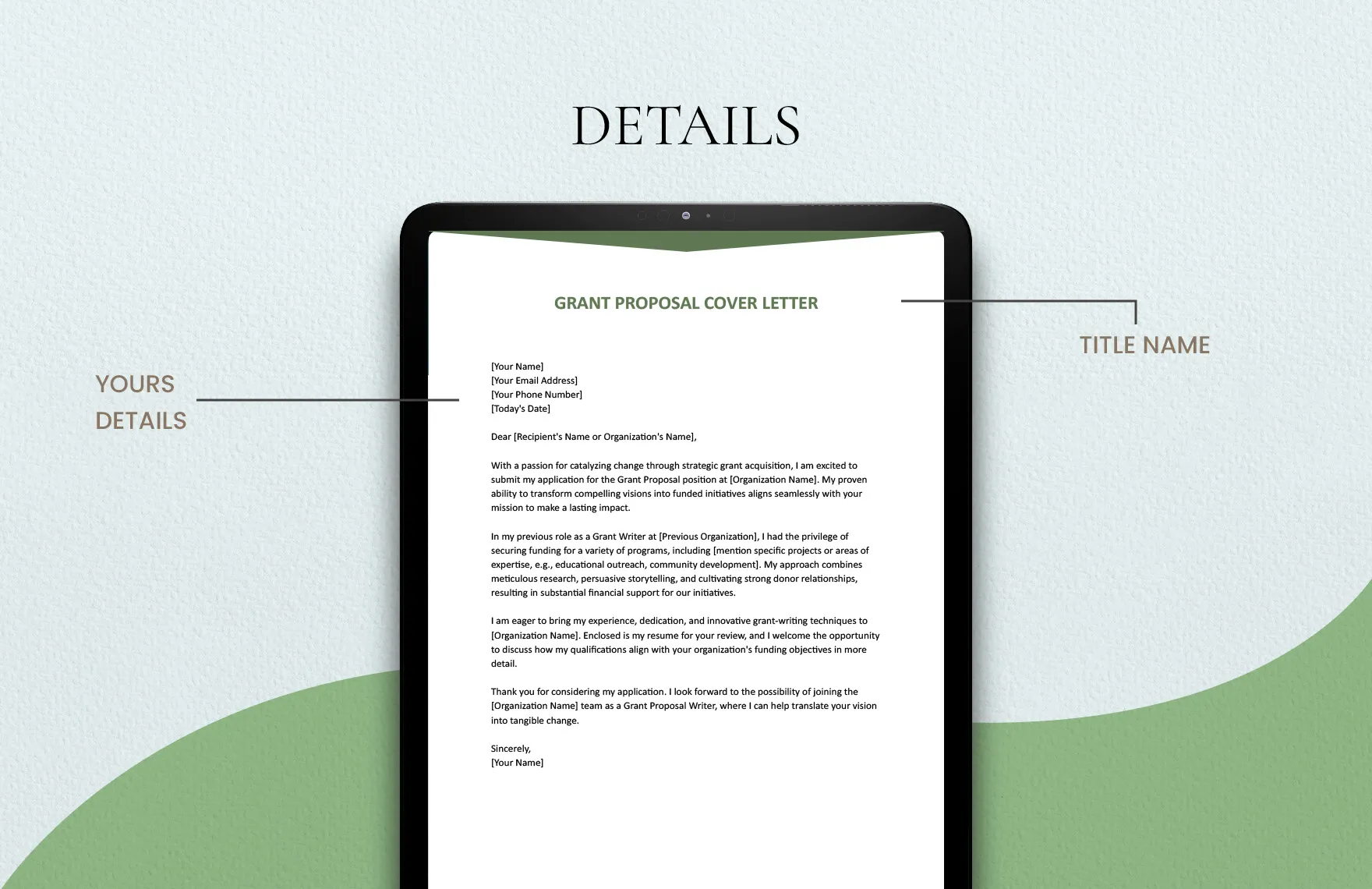
What is a Grant Proposal Cover Letter
A grant proposal cover letter is a formal document that accompanies your grant proposal. It serves as an introduction to your organization and your project, providing a concise overview of your request and a compelling reason for the funding agency to consider your proposal. Think of it as your first impression, setting the tone for the entire proposal and encouraging the reader to delve deeper into your submission. A well-crafted cover letter is essential for effectively communicating the core of your project and its significance, leaving a strong initial impression on the grant reviewers. It allows you to highlight key aspects of your project and organization that align with the funder’s mission, increasing your chances of securing funding. It also offers a professional and polished presentation of your work.
Why is a Cover Letter Important
The cover letter is your first, and often only, opportunity to make a positive impression. It sets the stage for the entire proposal. A well-written cover letter captures the reader’s attention and encourages them to review your proposal thoroughly. It demonstrates your professionalism and attention to detail, which are crucial qualities that funding agencies look for. It provides context for your proposal, helping the reviewers understand the problem you are addressing and the proposed solution. Additionally, a cover letter offers an opportunity to tailor your proposal to the specific funding agency. By highlighting your alignment with their mission and priorities, you can increase your chances of success. It serves as a crucial tool in getting your proposal noticed and considered, increasing the likelihood of your project receiving the necessary funding.
Essential Elements of a Grant Cover Letter

A grant cover letter typically includes several key elements to effectively communicate your message. These elements work in tandem to provide a comprehensive introduction and build a compelling case for funding. The first section is the heading which includes your contact information and the date. After that, the salutation starts the letter with a formal greeting, usually addressing a specific person or the grants committee. Following the salutation, the letter’s body consists of a clear and concise summary of your project, emphasizing its goals, objectives, and how it aligns with the funding agency’s mission. Additionally, provide a brief overview of your organization’s qualifications and experience, demonstrating your capability to successfully execute the project. Finally, include a clear call to action, requesting a review of your full proposal and expressing your gratitude for their consideration. This structure ensures your cover letter remains professional and compelling.
Applicant Contact Information
At the top of your grant proposal cover letter, include your contact information. This ensures the funding agency can easily reach you if they have questions or need to follow up. Include your full name, title, the name of your organization, your mailing address, phone number, and email address. Ensure this information is accurate and up-to-date to avoid any delays or communication issues. This section sets the stage for a professional presentation of your application and provides a clear path for the grant reviewers to contact you regarding your proposal. Consider including the date of the letter as well, to establish a clear timeframe for your submission. This straightforward approach enhances clarity and efficiency, crucial aspects of the grant writing process.
Grant Proposal Details
Clearly state the title of your grant proposal in the cover letter. This helps the reviewers quickly identify which proposal you are referring to, especially if they are reviewing multiple applications. Mention the specific grant program you are applying for, providing the name and any identifying numbers, such as an RFP (Request for Proposal) number. This shows that you have carefully read the funding guidelines and are applying to the correct program. Brief include the total amount of funding you are requesting. This provides immediate context to the reviewers regarding the scope and financial needs of your project. By explicitly mentioning these details, you ensure clarity and avoid any confusion, allowing the reviewers to easily understand the focus of your proposal. This attention to detail reflects professionalism and seriousness in your application.
Brief Organization Summary

Provide a concise overview of your organization, highlighting its mission, experience, and key accomplishments. This section should be brief but impactful, conveying the essence of your organization’s work and its relevance to the grant’s objectives. Mention your organization’s history, if applicable, to establish credibility and demonstrate longevity in your field. Include a summary of your organization’s main services or programs to give the reviewers a better understanding of what you do. Highlight relevant accomplishments and any past successes that showcase your ability to achieve your goals. When describing your organization, tailor your summary to the specific funding agency’s priorities. This will demonstrate alignment and increase the likelihood of your application being considered favorably. This strategic overview enhances your organization’s profile.
Project Overview
Offer a concise summary of your project’s goals and objectives. This brief overview should clearly articulate what you intend to accomplish with the grant funding. Briefly describe the activities and strategies that will be used to achieve your project goals. Mention who will benefit from the project and how the project will impact the target population or community. Highlight the project’s potential impact and expected outcomes to demonstrate its significance and value. Emphasize the alignment between the project’s goals and the funding agency’s mission. This demonstrates that your project is a good fit for the grant. Keep this section concise, focusing on the most important aspects of the project to capture the reviewers’ attention and encourage them to read the full proposal.
Call to Action
Conclude your cover letter with a clear call to action, encouraging the funding agency to review your full proposal. State your enthusiasm for the project and reiterate your commitment to successfully implementing the project. Express your gratitude for their consideration and the opportunity to apply for the grant. Include your contact information once more, making it easy for them to reach you with any questions. Offer to provide any additional information or materials that may be needed. A strong call to action ensures that the reviewers understand the next steps and reinforces your commitment to the grant opportunity. The final paragraph should be professional and leave a positive, lasting impression. Your approach shows you have taken all the necessary steps for securing the grant.
Formatting Your Cover Letter

The formatting of your grant proposal cover letter is vital. Use a professional font like Times New Roman or Arial, ensuring it is easy to read. Set your margins to one inch on all sides to provide a clean and organized appearance. Use single spacing for the body of the letter, with a double space between paragraphs for clarity. Keep the letter concise, aiming for a single page in length. This demonstrates respect for the reviewers’ time. Ensure that the letter is free from grammatical errors and typos. Proofread your letter carefully. Use formal business letter format with a proper salutation and closing. Maintain a consistent format throughout the letter. A well-formatted cover letter reflects professionalism and attention to detail. A template can make this process easier.
Choosing the Right Tone
The tone of your grant proposal cover letter should be professional and enthusiastic. Use a formal tone appropriate for business communication. Be respectful and polite in your language, addressing the recipient properly. Show genuine enthusiasm for your project and its potential impact. Highlight your organization’s passion and commitment to the project’s goals. Tailor your tone to match the funding agency’s values and priorities. This shows you understand their mission. Avoid using overly casual or informal language, as it can undermine the professionalism of your application. Express your confidence in your organization’s ability to successfully execute the project. A balanced tone that combines professionalism with enthusiasm will enhance your chances of success. The tone should reflect sincerity and a proactive approach.
Common Mistakes to Avoid
There are several common mistakes to avoid. Do not use a generic cover letter that is not tailored to the specific funding opportunity. This will show the reviewers a lack of attention to detail. Avoid grammatical errors and typos. Always proofread your letter carefully before submitting it. Do not exceed the recommended length, as this can make it difficult for reviewers to quickly grasp the key points of your proposal. Avoid using jargon or technical terms that the reviewers may not understand. Simplify the language. Do not be overly promotional or boastful. Focus on the project’s goals and impact. Avoid making unrealistic promises or claims that cannot be supported by your proposal. Be realistic in your expectations. Finally, avoid missing deadlines. Make sure you have the proposal in on time. By avoiding these common mistakes, you will significantly improve the quality of your cover letter and increase your chances of success.
Review and Edit Your Cover Letter

Before submitting your grant proposal cover letter, review and edit it carefully. Read through the letter multiple times to check for any errors, inconsistencies, or areas for improvement. Ensure that the letter is clear, concise, and easy to understand. Verify that all the information provided is accurate and up-to-date. Make sure that the letter adheres to all formatting guidelines and that the tone is appropriate. Ask a colleague or a grant writing expert to review your letter and provide feedback. A second pair of eyes can catch errors or suggest improvements that you may have missed. Revise your letter based on the feedback you receive. This process ensures that your cover letter is polished and professional. Thorough review and editing are essential steps in the grant writing process.