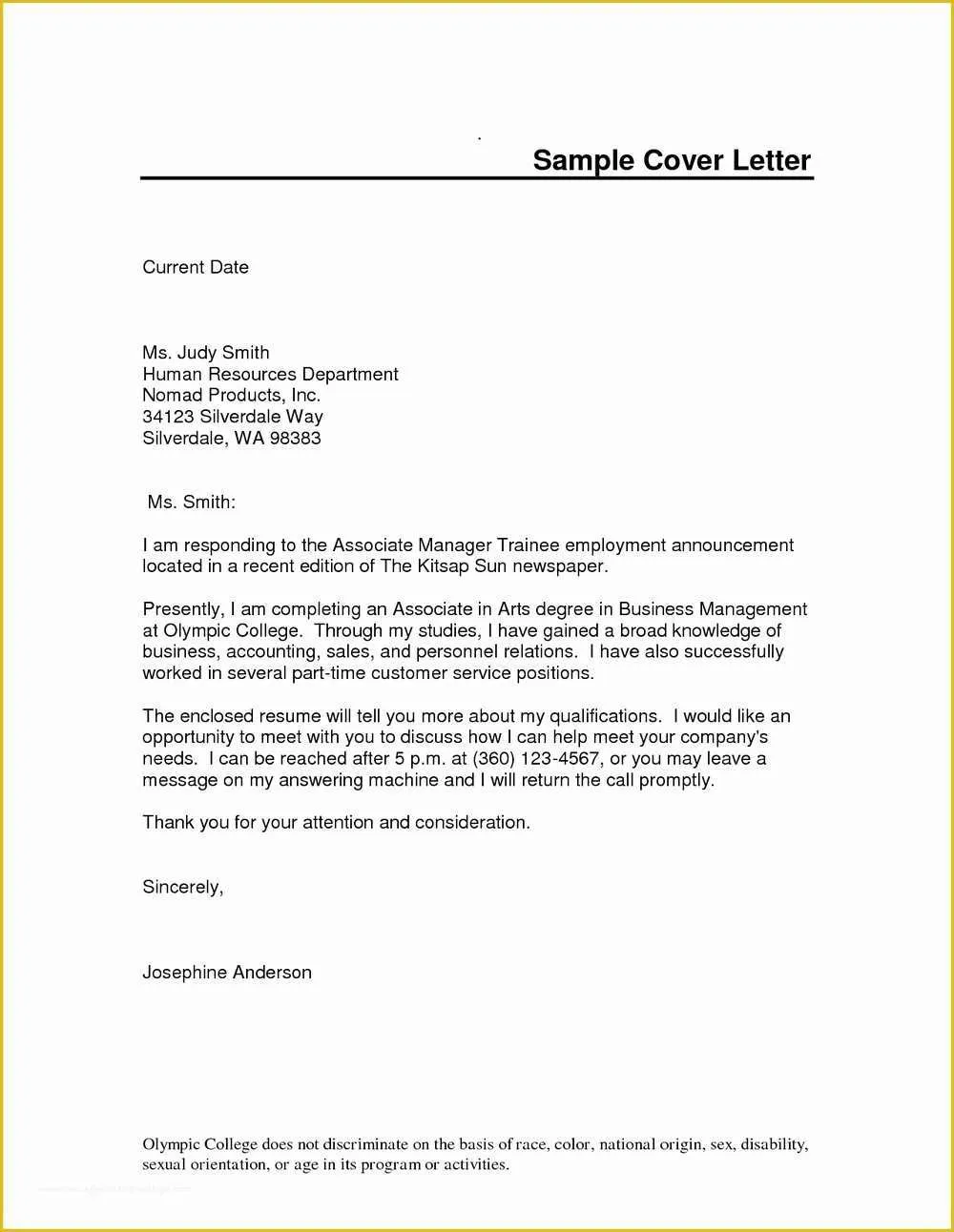
What is a Free Resume Cover Letter
A free resume cover letter is a concise document that accompanies your resume when applying for a job. It serves as an introduction, allowing you to highlight your key skills, experience, and enthusiasm for the position. Unlike a resume, which provides a factual overview of your background, a cover letter enables you to express your personality and explain why you are the ideal candidate. The ‘free’ aspect typically refers to readily available templates, online resources, and tools that help job seekers create professional cover letters without incurring any cost. It is a crucial tool in modern job applications.
Importance of a Cover Letter
The importance of a cover letter cannot be overstated. It’s often the first impression you make on a potential employer. A well-crafted cover letter can significantly increase your chances of getting an interview by demonstrating your genuine interest in the role and the company. It provides context to your resume, connecting your skills and experiences to the specific job requirements. It allows you to explain any gaps in your employment history or career changes. In a competitive job market, a strong cover letter can set you apart from other applicants. Many hiring managers consider a cover letter essential, and failing to submit one when requested can lead to automatic rejection.
Key Components of a Free Resume Cover Letter

A compelling cover letter has several core components, each serving a specific purpose in persuading the hiring manager of your suitability for the role. Understanding and effectively using these elements are essential for creating a cover letter that achieves its purpose. From the initial greeting to the final signature, each part contributes to the overall impact of your application. Many free resume cover letter templates provide a basic structure that can be customized to fit your specific needs. Let’s break them down.
Your Contact Information
At the top of your cover letter, include your full name, address, phone number, and email address. This information ensures the hiring manager can easily contact you. Make sure your email address is professional and appropriate. Avoid using nicknames or informal addresses. This section sets the stage for a professional presentation.
Hiring Manager’s Contact Information
Whenever possible, address your cover letter to a specific person by name. Research the hiring manager’s name and title. If you cannot find this information, use a professional greeting like “Dear Hiring Manager.” Addressing the letter to a specific individual shows that you have taken the time to research the company and the role, demonstrating your genuine interest.
Professional Salutation

Start your cover letter with a formal salutation, such as “Dear Mr./Ms./Mx. [Last Name]” or “Dear Hiring Manager,” if you don’t know the name. Avoid informal greetings like “Hi” or “Hello.” Using the correct salutation sets a professional tone from the beginning. Always double-check the spelling of the hiring manager’s name.
Opening Paragraph
In the opening paragraph, state the position you are applying for and how you learned about the opportunity. Briefly mention your most relevant qualifications and express your enthusiasm for the role and the company. Your opening should grab the reader’s attention and encourage them to continue reading. This paragraph should immediately demonstrate your interest in the position.
Highlighting Relevant Skills and Experience
In the body of your cover letter, elaborate on your skills and experiences that are most relevant to the job description. Provide specific examples of your accomplishments and how they align with the requirements of the role. Use keywords from the job posting to show you have the qualifications they seek. Quantify your achievements whenever possible by using numbers or data to demonstrate the impact of your work. Provide 2 or 3 specific examples.
Quantifiable Achievements

Whenever possible, use numbers and data to quantify your achievements. For example, instead of saying “Increased sales,” say “Increased sales by 15% in one quarter.” Quantifiable achievements provide concrete evidence of your capabilities and make a stronger impression on the hiring manager. Including numbers, percentages, or dollar amounts makes your claims more credible and compelling, showing the impact of your work. For instance, if you improved customer satisfaction scores, mention the percentage improvement.
Expressing Enthusiasm for the Role
Demonstrate your genuine enthusiasm for the role and the company. Explain why you are interested in this specific opportunity and what excites you about the prospect of joining the team. Research the company’s values, mission, and recent achievements to show that you understand their goals and are a good fit. This will help demonstrate that you are genuinely interested in contributing to their success.
Call to Action
In the closing paragraph, include a call to action. State that you are eager to discuss your qualifications further and express your availability for an interview. Thank the hiring manager for their time and consideration. Make it easy for the employer to take the next step by clearly indicating your willingness to engage in the hiring process.
Proper Closing and Signature

End your cover letter with a professional closing, such as “Sincerely,” “Best regards,” or “Yours sincerely.” Leave space for your signature if you are submitting a physical copy or if you plan to print it. If submitting electronically, you can simply type your name. This final step completes the professional presentation of your cover letter.
Formatting Your Free Resume Cover Letter
The formatting of your cover letter is essential for readability and making a good first impression. Well-formatted cover letters are easy to read and project professionalism. Even the best content can be undermined by poor formatting. Use a clean, professional design that is easy on the eyes and helps the hiring manager quickly find the most important information. These are the essentials.
Choosing the Right Font and Font Size
Select a professional and easy-to-read font, such as Times New Roman, Arial, Calibri, or Georgia. Use a font size between 10 and 12 points. Ensure the font is consistent throughout the document. Avoid using overly fancy or decorative fonts, which can be difficult to read. Stick with classic fonts for a professional look.
Formatting for Readability

Use single-spacing within paragraphs and double-spacing between paragraphs. Use left alignment and avoid fully justified text. Use a professional template, such as a template from a free resume builder. Keep the margins at 1 inch on all sides. These techniques create a clean, uncluttered layout that makes it easier for the reader to scan your cover letter quickly and absorb the information. Use bolding strategically to highlight key information.
Proofreading and Editing
Proofread your cover letter carefully for any typos, grammatical errors, or inconsistencies. Ensure the letter is free of any mistakes. A polished document reflects your attention to detail and professionalism. Ask a friend or family member to review your cover letter for a second opinion. Consider using a grammar checker to identify and correct any mistakes. Poor grammar can make a very bad impression.
Tools for Free Resume Cover Letter
Several tools can help you create a professional cover letter for free. These tools often offer templates, writing suggestions, and formatting assistance. Leveraging these resources can save you time and ensure your cover letter meets industry standards. Using these free tools can streamline the process and help you create a polished cover letter. Here are some options.
Free Resume Cover Letter Templates
Many websites offer free resume cover letter templates in various formats, such as Microsoft Word, Google Docs, and PDF. These templates provide a pre-designed structure and formatting, allowing you to focus on the content. Choose a template that aligns with the job and your personal style. Customize the template with your information and tailor it to the specific job description. Many of these are downloadable.
Online Cover Letter Builders
Online cover letter builders offer a step-by-step process for creating a cover letter. They often provide writing prompts, suggestions, and automatic formatting. Some builders also integrate with resume builders to streamline the application process. These tools are especially helpful for those who are new to writing cover letters or need guidance. Many are available without requiring a subscription.
Free Resume Cover Letter Examples
Refer to free resume cover letter examples online to get inspiration and guidance. Look for examples that match your industry, experience level, and the type of job you are applying for. Analyze how successful cover letters are structured, written, and formatted. While you should never copy an example, it can offer valuable insights. Tailor the examples to your specific qualifications and the job requirements.
Common Mistakes to Avoid
Avoid these common pitfalls to increase your chances of success. These mistakes can immediately disqualify your application. A little attention to detail can make a huge difference. Be sure to avoid these.
Not Tailoring the Cover Letter
Do not send a generic cover letter to every job. Tailor each cover letter to the specific job description and the company’s requirements. Highlight the skills and experiences that are most relevant to the role. Demonstrate your knowledge of the company and your genuine interest in the position. Addressing the specific needs of the employer is critical.
Typos and Grammatical Errors
Proofread your cover letter carefully for any typos, grammatical errors, or spelling mistakes. These errors can make you look unprofessional and undermine your credibility. Use a grammar checker and ask someone else to review your cover letter before submitting it. A single error can create a very bad impression.
Being Too Generic
Avoid writing a cover letter that is too generic or vague. Provide specific examples of your accomplishments and how they align with the requirements of the role. Highlight your unique skills and experiences. Showcase your personality and enthusiasm for the role. Generic cover letters fail to impress the hiring manager.
Tips for Different Job Types
Cover letters should be tailored for different types of positions. A cover letter for an entry-level position will differ significantly from one for an experienced professional. Understanding these differences will help you create a more effective cover letter. This section breaks down the key differences.
Cover Letters for Entry-Level Positions
For entry-level positions, emphasize your education, relevant coursework, internships, volunteer work, and any other experience that demonstrates your skills and potential. Highlight transferable skills, such as communication, teamwork, and problem-solving. Express your enthusiasm for the field and your eagerness to learn. Focus on your potential.
Cover Letters for Experienced Professionals
For experienced professionals, showcase your accomplishments, quantifiable results, and leadership experience. Highlight your most relevant skills and expertise. Provide specific examples of your past successes. Explain how you can contribute to the company’s goals. Focus on your achievements and the value you can bring.
Cover Letters for Specific Industries
Tailor your cover letter to the specific requirements and expectations of the industry you are applying to. Research the industry’s standards and best practices. Use industry-specific keywords and terminology. Highlight your understanding of the industry’s challenges and opportunities. Tailoring to the industry is important to demonstrate that you have researched the industry.
Maximizing Your Chances
To maximize your chances of success, focus on these important points. Putting extra effort into these steps will help you stand out in the job market. Take extra care to ensure that your cover letter is as effective as possible.
- Research the company thoroughly before writing your cover letter.
- Use keywords from the job description throughout your cover letter.
- Proofread your cover letter multiple times.
- Customize your cover letter for each job application.
- Ask for feedback from a career counselor or trusted mentor.
- Follow up with the hiring manager after submitting your application.
Key Takeaways
A free resume cover letter is a powerful tool for job seekers. It allows you to showcase your skills, experience, and enthusiasm for the role. By following these tips and using the available resources, you can create a compelling cover letter that increases your chances of getting an interview. Remember to tailor your cover letter to each job, proofread carefully, and always present a professional image. Don’t underestimate the importance of a well-crafted cover letter in your job search strategy.