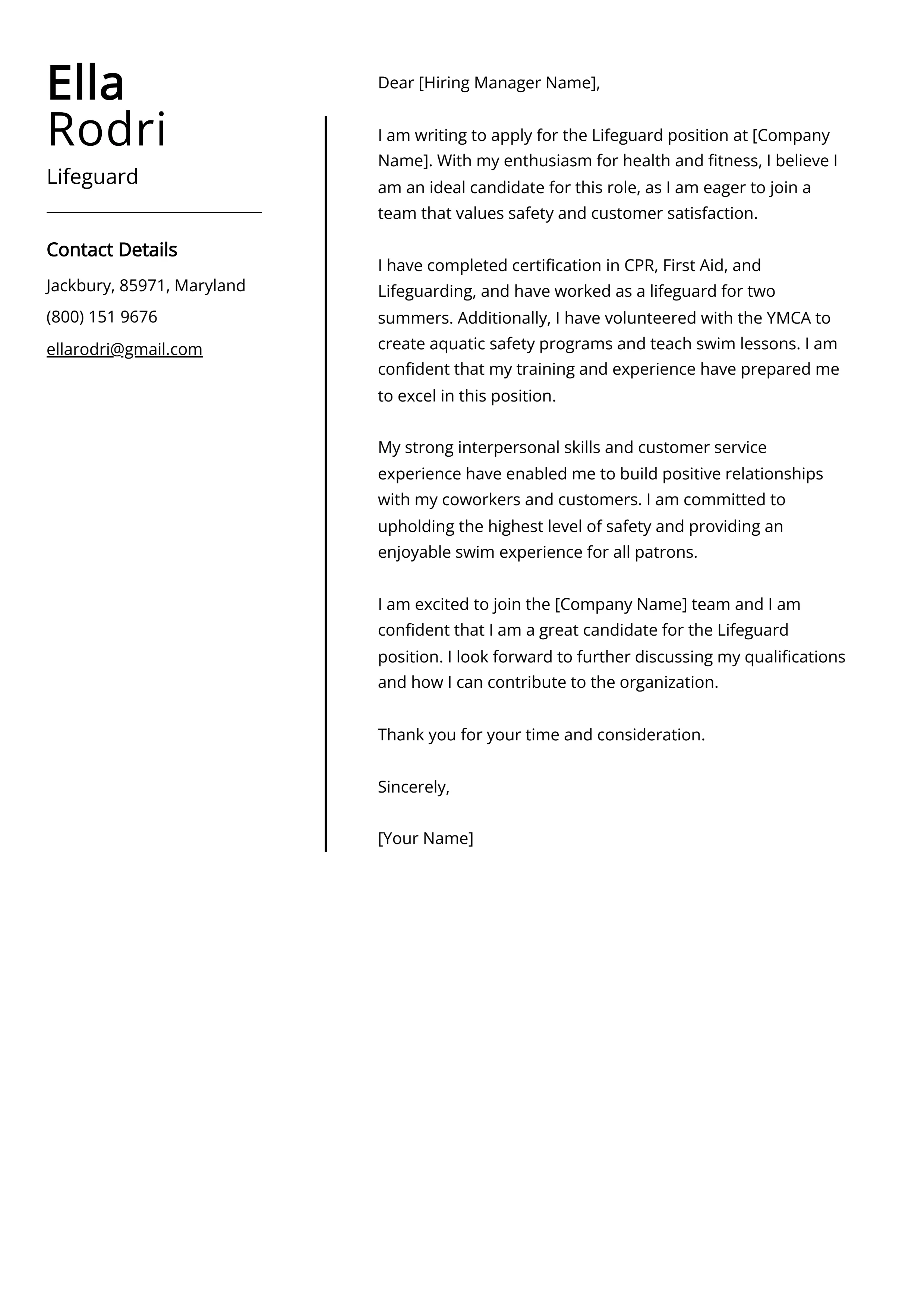
Understanding the First Job Cover Letter
Navigating the job market for the first time can feel overwhelming. One of the most crucial tools in your arsenal is a well-crafted cover letter. Unlike a resume, which provides a summary of your skills and experience, a cover letter allows you to communicate directly with the hiring manager, showcasing your personality, enthusiasm, and suitability for the role. It’s your chance to make a strong first impression and demonstrate why you’re the ideal candidate, even without a lengthy work history. Understanding the purpose and power of a cover letter is the first step in securing your initial job opportunity. This guide will help you craft a compelling cover letter that will make you stand out from the crowd.
Why a Cover Letter Matters for Your First Job
For those just starting their careers, a cover letter is especially important. It bridges the gap between limited work experience and the skills and potential you possess. It allows you to explain your career aspirations, how your education and any extracurricular activities align with the job requirements, and what you hope to achieve in the role. A well-written cover letter demonstrates your communication skills, attention to detail, and genuine interest in the company and the position. Moreover, it provides context for your resume, helping the hiring manager understand your background and qualifications more thoroughly. Think of it as your personal introduction, setting the stage for your application and inviting the reader to learn more about you.
Highlighting Skills without Experience

The most common hurdle for first-time job seekers is the lack of professional experience. However, you can still create a convincing cover letter by focusing on transferable skills. These are skills you’ve developed through education, volunteer work, extracurricular activities, or personal projects that are applicable to the job. Examples include communication, teamwork, problem-solving, time management, and leadership. Identify the skills most relevant to the job description and provide specific examples of how you’ve demonstrated them. This might involve describing a successful group project, a volunteer role where you took initiative, or a situation where you resolved a conflict. By showcasing your abilities in these ways, you can convince the hiring manager of your potential, even without prior work experience.
Key Components of a First Job Cover Letter
A well-structured cover letter consists of several key components, each serving a specific purpose. These elements work together to create a cohesive and compelling narrative, highlighting your qualifications and expressing your enthusiasm. Let’s break down the essential parts of a successful cover letter for your first job application.
Your Contact Information
Start with your contact information at the top of the letter. This should include your full name, address, phone number, and email address. Ensure your email address is professional (e.g., firstname.lastname@email.com). It’s also a good practice to include a link to your LinkedIn profile if you have one. This allows the hiring manager to easily access additional information about your background and professional network.
The Hiring Manager’s Information

Direct your cover letter to a specific person if possible. Research the company website or LinkedIn to find the hiring manager’s name and title. If you can’t find this information, use a general greeting like “Dear Hiring Manager.” Addressing the letter to a specific person shows you’ve done your research and shows a level of initiative. Include the hiring manager’s name, title, and the company’s address.
The Opening Paragraph
The opening paragraph is your first opportunity to capture the reader’s attention. State the position you’re applying for and how you learned about the opportunity. Briefly mention what excites you about the role and the company. It’s crucial to make a strong first impression; this paragraph sets the tone for the rest of the letter. Avoid generic phrases; show enthusiasm and tailor your opening to the specific job and company.
The Body Paragraphs
The body paragraphs are where you elaborate on your qualifications, skills, and experiences. The aim here is to show how your abilities align with the job requirements. This is where you sell yourself and convince the hiring manager you’re the right fit. Use several paragraphs to provide specific examples, and illustrate how you’ve demonstrated your skills and how you can contribute to the company’s success. Tailor these paragraphs to each specific job application.
Showcasing Relevant Skills

Analyze the job description and identify the key skills and qualifications the employer seeks. Focus on these skills in your cover letter, providing specific examples from your education, extracurricular activities, volunteer work, or personal projects that demonstrate these skills. Use action verbs to describe your accomplishments and quantify your achievements whenever possible. For instance, instead of saying “I worked in a team,” say “I collaborated with a team of five students to develop a marketing strategy that increased social media engagement by 20%.”
Highlighting Education and Projects
Since you may lack professional experience, it’s essential to emphasize your education and any relevant projects you’ve completed. Describe coursework, academic achievements, and any research or projects that demonstrate your skills and knowledge. If you participated in group projects, highlight your role and contributions. Explain how your education has prepared you for the job and the skills you’ve gained through your studies. Include projects that showcase your initiative, problem-solving abilities, and practical application of your knowledge.
Demonstrating Enthusiasm
Show genuine enthusiasm for the position and the company. Research the company and the role to understand their mission, values, and goals. In your cover letter, express your interest in the company’s work and explain why you’re excited about the opportunity. Mention specific aspects of the company or the role that appeal to you. This demonstrates your genuine interest and commitment, making you a more attractive candidate.
The Closing Paragraph

In the closing paragraph, reiterate your interest in the position and thank the hiring manager for their time and consideration. State that you’re eager to learn more about the opportunity and are available for an interview. Provide a call to action, such as stating you will follow up, or that you look forward to hearing from them soon. End with a professional closing, such as “Sincerely” or “Respectfully,” followed by your full name.
Formatting Your Cover Letter
The formatting of your cover letter is just as important as its content. A well-formatted letter is easy to read and presents you in a professional light. Consistent formatting, appropriate font choices, and proper use of white space will make your cover letter more appealing and readable.
Font Selection and Readability
Choose a professional and easy-to-read font, such as Times New Roman, Arial, or Calibri. Use a font size between 10 and 12 points. Ensure your font is consistent throughout the letter. Avoid using overly decorative fonts, as they can be difficult to read and detract from the content. Maintain consistent line spacing (typically 1.15 or 1.5) and use ample white space to make the letter visually appealing and easy on the eyes. Proper formatting will make your cover letter more accessible to the reader.
File Format and Naming Conventions

Save your cover letter as a PDF file. This ensures that your formatting will remain consistent across different devices and operating systems. Name your file using a clear and professional format, such as “FirstName_LastName_CoverLetter.pdf.” Avoid using special characters or spaces in the file name. This helps the hiring manager easily identify and access your letter.
Cover Letter Examples for Different Industries
Tailoring your cover letter to the specific industry and job is crucial. The tone, content, and examples you use should reflect the expectations and requirements of the field. Here are some general examples to give you an idea of what to include, and how to frame your application.
Example Cover Letter for a Marketing Role
Dear [Hiring Manager Name], I am writing to express my keen interest in the Marketing Assistant position at [Company Name], as advertised on [Platform]. As a recent graduate with a Bachelor’s degree in Marketing from [University Name], I am eager to apply my knowledge and passion for creating compelling campaigns to drive brand awareness and customer engagement. In my academic career, I led a team of five students in developing a comprehensive social media marketing strategy for a local non-profit. This strategy resulted in a 20% increase in social media engagement within three months. I am proficient in social media management tools, content creation, and data analysis. I am particularly excited about the opportunity to contribute to [Company Name]’s innovative marketing efforts and learn from industry experts. I am a highly motivated and results-oriented individual with excellent communication and teamwork skills. I am confident that I can quickly learn and contribute effectively to your team. I have attached my resume for your review and welcome the opportunity to discuss my qualifications further. Thank you for your time and consideration. Sincerely, [Your Name]
Example Cover Letter for an Entry-Level Tech Position

Dear [Hiring Manager Name], I am writing to express my interest in the entry-level Software Developer position at [Company Name]. I have a strong passion for technology and software development, as demonstrated by my projects. I am confident in my ability to quickly learn and contribute to your team’s success. In my free time, I designed and developed a [Project Name] using [Technologies used]. This project enabled me to gain practical experience in [Technologies used]. I am proficient in programming languages such as Python, Java, and Javascript. I am eager to put my skills to work on real-world projects and contribute to [Company Name]’s innovative work. I am a highly motivated and detail-oriented individual with strong problem-solving skills. I am eager to learn and I am confident that I can quickly contribute to your team’s success. I am available for an interview at your earliest convenience. Thank you for your time and consideration. Sincerely, [Your Name]
Example Cover Letter for a Customer Service Job
Dear [Hiring Manager Name], I am writing to express my interest in the Customer Service Representative position at [Company Name]. I am a highly personable and empathetic individual with a strong desire to provide excellent customer service and help people. Throughout my experience in [Previous experience, e.g., volunteer work, part-time job], I have developed exceptional communication and problem-solving skills. I have learned to actively listen to customer concerns, resolve issues efficiently, and create positive customer experiences. I am adept at handling complaints and finding solutions that satisfy the customer while adhering to company policies. I am confident that I can quickly adapt to your company’s customer service protocols and contribute to a positive customer experience. I am excited about the opportunity to work for a company that prioritizes customer satisfaction. I am available for an interview at your earliest convenience. Thank you for your time and consideration. Sincerely, [Your Name]
Common Mistakes to Avoid in Your First Job Cover Letter
While crafting your cover letter, be aware of common mistakes that can damage your chances of getting an interview. Avoiding these pitfalls will improve the overall quality of your cover letter and increase the likelihood of a positive response.
Grammatical Errors and Typos
Grammatical errors and typos are a major red flag. They demonstrate a lack of attention to detail and can create a negative impression of your communication skills. Always proofread your cover letter carefully, and ideally, have someone else review it as well. Check for spelling mistakes, punctuation errors, and grammatical inconsistencies. Pay close attention to sentence structure and clarity.
Generic and Unfocused Content
Avoid using a generic cover letter that could apply to any job. Tailor your letter to each specific position and company. Highlight the skills, experiences, and qualities that are most relevant to the job description. Show genuine interest in the company and the role, rather than simply listing your skills without context or expressing a lack of enthusiasm. Generic content often fails to resonate with the hiring manager.
Lack of Research on the Company
Failing to research the company is a significant mistake. Before writing your cover letter, take the time to learn about the company’s mission, values, products or services, and recent achievements. Mentioning the company’s name, highlighting its values, and explaining how you’re excited about the opportunity to contribute to their work demonstrates your interest and initiative. A lack of research indicates a lack of enthusiasm and could be a sign that you’re not truly invested in the opportunity.
Proofreading and Editing Your Cover Letter
Proofreading and editing your cover letter are critical steps in the writing process. Errors can undermine your credibility and damage your chances of getting an interview. Taking the time to review and refine your letter will demonstrate professionalism and ensure that your message is clear, concise, and compelling.
Tools for Proofreading
Use available tools to help you proofread your cover letter. Microsoft Word and Google Docs offer built-in spellcheck and grammar check features. Consider using online grammar and style checkers, such as Grammarly, to identify any errors that you might have missed. However, these tools are not perfect; always review the suggestions carefully and make sure that they align with your intended meaning.
Asking for Feedback
Ask a trusted friend, family member, career counselor, or professor to review your cover letter. A fresh pair of eyes can often catch errors that you might have overlooked. Ask for feedback on the content, grammar, formatting, and overall effectiveness of your letter. Be open to suggestions and make revisions based on the feedback you receive. Multiple reviews can drastically improve the quality of your cover letter and ensure it effectively communicates your skills and experience.