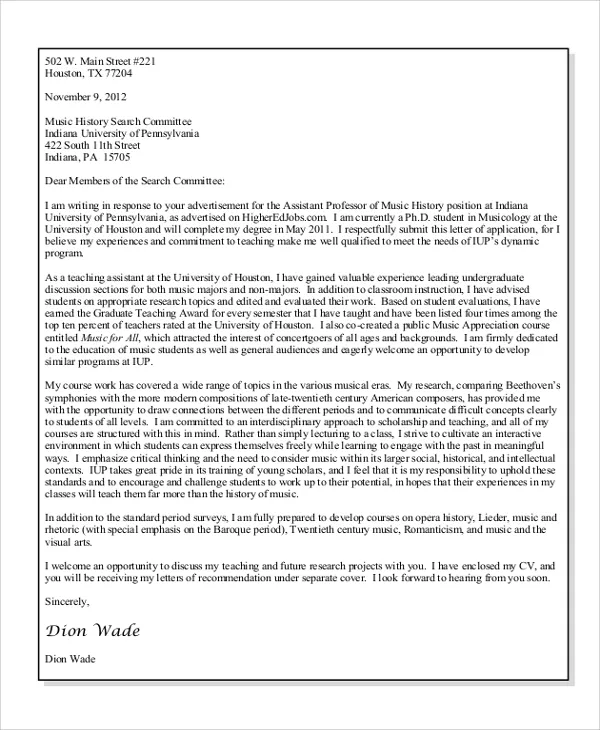
Understanding the Purpose of a Cover Letter
A cover letter serves as your personal introduction to a potential employer, accompanying your resume and providing additional context. It is an opportunity to highlight your qualifications, express your interest in the specific role, and demonstrate how your skills and experience align with the company’s needs. A well-crafted cover letter can significantly increase your chances of landing an interview. It provides a space to connect with the hiring manager on a more personal level and showcase your unique value proposition. Writing a strong cover letter is critical for any job application. It is your first impression and a key to getting your foot in the door.
What is the Purpose of a Cover Letter?
The primary purpose of a cover letter is to introduce you and your qualifications to the hiring manager. It explains why you are interested in the specific position and the company. It is your chance to tell your story, connect your skills with the job requirements, and persuade the employer to read your resume. A cover letter provides a more personalized approach compared to the concise nature of a resume. It enables you to elaborate on specific experiences and achievements. A good cover letter acts as a bridge between your skills and the job, showing the employer why you’re the right fit.
Why is a Cover Letter Important?

Cover letters are important because they offer a personalized view of your professional self. Unlike a resume, the letter allows you to express enthusiasm and tailor your message to the specific job and company. They help you showcase your personality and communication skills, which can be difficult to convey through a resume. Many employers consider a cover letter a mandatory part of the application. This ensures that those who submit one are truly interested in the position. Skipping a cover letter can sometimes mean your application is immediately rejected. The cover letter, therefore, offers a great chance to stand out from the crowd and make a positive impact.
Key Components of a Compelling Cover Letter
Crafting a compelling cover letter involves several key components, each contributing to its overall effectiveness. These elements work together to make a strong first impression and capture the employer’s attention. By including these components, you can present yourself as a well-rounded and suitable candidate for the job. Remember that the following structure is a framework, and the contents should reflect your personal experiences and skills.
Contact Information and Salutation
Begin with your contact information, including your name, address, phone number, and email. Then, address the letter to the hiring manager, if possible. If you cannot find a specific name, use a professional salutation such as “Dear Hiring Manager” or “Dear [Department Name] Team.” This establishes a professional tone and shows you’ve researched the company. Proper salutations add a personal touch and show attention to detail. Double-check the spelling of the recipient’s name and company name. This simple act can convey professionalism and respect for the opportunity.
Opening Paragraph Crafting

The opening paragraph is your hook, so make it count. State the position you are applying for and how you learned about the opportunity. Briefly mention something that sparked your interest in the company or the role. Consider including a brief statement about your most relevant skill or experience. Make sure your opening is clear, concise, and enthusiastic. Immediately capture the reader’s attention and create a positive impression. This sets the tone for the entire letter and makes the reader want to continue reading. The goal is to create a sense of excitement and intrigue.
Highlighting Your Skills and Experience
The body of your cover letter is where you highlight your skills and experiences, directly relating them to the job requirements. Review the job description carefully and identify the key skills and qualifications the employer is seeking. Provide specific examples from your past experiences. Quantify your achievements whenever possible to demonstrate your impact. Instead of simply listing your skills, show how you have used them to achieve results. Use the STAR method (Situation, Task, Action, Result) to structure your examples. This will help you clearly and effectively describe your accomplishments and how they align with the job.
Tailoring Your Letter to the Job
Every cover letter should be tailored to the specific job and company. Generic cover letters are easily identifiable and often discarded. Research the company and role to understand their needs and values. Customize your letter to address those specific points. Emphasize the skills and experiences that are most relevant to the job description. Show that you understand the company’s mission and culture. Avoid using a template without making significant changes. Show the employer that you have taken the time to understand their requirements. This personalization will distinguish you from generic applicants.
Showcasing Your Enthusiasm

Express your enthusiasm for the position and the company throughout your cover letter. Share what excites you about the opportunity and why you are a good fit. Let your passion shine through. Mention specific aspects of the role or company that appeal to you. Refer to the company’s mission, values, or recent projects to demonstrate your interest. Enthusiasm makes you memorable and increases the likelihood of an interview. Your energy can make a big impact on the hiring manager.
Call to Action and Closing
In your closing paragraph, reiterate your interest in the position and thank the reader for their time and consideration. Include a call to action, such as expressing your eagerness to discuss your qualifications further in an interview. Provide your contact information again. Use a professional closing, such as “Sincerely” or “Best regards.” A strong conclusion leaves a positive final impression. It is a crucial step to making your letter memorable and encourages the hiring manager to take the next step in the hiring process. Always proofread your closing for any errors.
Formatting and Presentation Best Practices
The format and presentation of your cover letter are just as important as its content. A well-formatted cover letter is easy to read and demonstrates your attention to detail. Sloppy formatting can make your skills appear questionable. Following some formatting guidelines ensures your application is professional and readable.
Font and Style Selection

Choose a professional and easy-to-read font, such as Times New Roman, Arial, or Calibri. Use a font size between 10 and 12 points. Maintain consistent formatting throughout the letter, including margins, line spacing, and paragraph spacing. Avoid overly decorative or unusual fonts, as they can distract from the content. Make sure the font complements the overall professional look. Choose a standard font that is easy on the eyes. This makes it easier for the reader to absorb the information. Consistency in font and style shows professionalism.
Proofreading and Editing
Always proofread your cover letter multiple times for any errors in grammar, spelling, and punctuation. Typos and grammatical errors can make you appear careless and unprofessional. Ask a friend or family member to proofread your letter as well. Fresh eyes can often catch mistakes that you may have missed. Ensure your writing is clear, concise, and free of any ambiguity. A well-written letter speaks volumes about your attention to detail and writing ability. Errors can undermine your credibility and reduce your chances of getting hired. Always take time to refine your letter.
Cover Letter Examples for Different Industries
Cover letters can vary depending on the industry and the specific job requirements. Using examples for different fields can help you understand the structure. Examining different examples also helps you get inspiration for writing your own. The following examples provide guidance for tailoring your cover letter.
Example Cover Letter for Marketing Position

A marketing cover letter should highlight your creativity, communication skills, and understanding of marketing principles. It should showcase your ability to develop and implement marketing strategies and analyze data. Include examples of successful campaigns and quantify your results. Showcase your knowledge of digital marketing tools and social media platforms. Make sure you tailor your skills to the specific requirements of the job description. Include keywords from the job listing to match with your relevant skills. Show your knowledge of marketing trends and tools.
Example Cover Letter for Software Engineer
A software engineer cover letter should emphasize your technical skills, project experience, and problem-solving abilities. Mention your proficiency in programming languages, software development methodologies, and relevant technologies. Provide details about the projects you have worked on and your role. Highlight your ability to work in a team and meet deadlines. Demonstrate your passion for technology and innovation. Use technical keywords from the job description. Include any open-source contributions or personal projects. Show your experience with different software development methodologies.
Example Cover Letter for Administrative Assistant
An administrative assistant cover letter should highlight your organizational skills, attention to detail, and ability to manage multiple tasks. Mention your experience with office software, communication skills, and handling confidential information. Provide examples of your ability to manage schedules, coordinate meetings, and support a team. Showcase your professionalism and ability to communicate effectively with clients and colleagues. Highlight your skills in organization and time management. Show examples of any administrative tasks you handled. Show your knowledge of office procedures and tools.
Common Mistakes to Avoid in Cover Letters

There are several common mistakes that job seekers make when writing cover letters. Avoiding these mistakes can significantly improve your chances of getting an interview. By addressing these issues, you can ensure that your letter makes a positive impression.
Generic Cover Letters
Avoid using a generic cover letter that can be sent to multiple companies. Always tailor your cover letter to the specific job and company. Research the company and role, and use that information to personalize your letter. Show that you have taken the time to understand the requirements of the job. This level of detail shows a genuine interest in the position and increases your chances of getting an interview. Generic letters demonstrate a lack of interest. Tailoring shows you are serious about the role.
Typos and Grammatical Errors
Always proofread your cover letter carefully for typos and grammatical errors. These mistakes can create a negative impression and undermine your credibility. Use a spell checker and grammar checker, but also read the letter multiple times. Ask a friend or family member to proofread your letter as well. Small errors can make it seem like you don’t pay attention to detail. Taking extra time to ensure your writing is perfect demonstrates your professionalism.
Lack of Research
Failing to research the company and role is a common mistake. Your cover letter should demonstrate your understanding of the company’s mission, values, and the specific requirements of the job. Use the job description to understand the key skills and qualifications the employer is seeking. Tailor your letter to address those points. Without research, your letter will lack relevance and impact. Research provides you with information to create a personalized and compelling narrative. Research shows the company you have a genuine interest in the opportunity.
Conclusion
Writing an effective cover letter is crucial for any job application. By following the tips and examples provided, you can craft a compelling letter that highlights your skills and experience. Remember to tailor your letter to each job, showcase your enthusiasm, and avoid common mistakes. The effort you put into your cover letter can significantly increase your chances of getting an interview. Good luck with your job search! Use these tips to create the perfect cover letter.