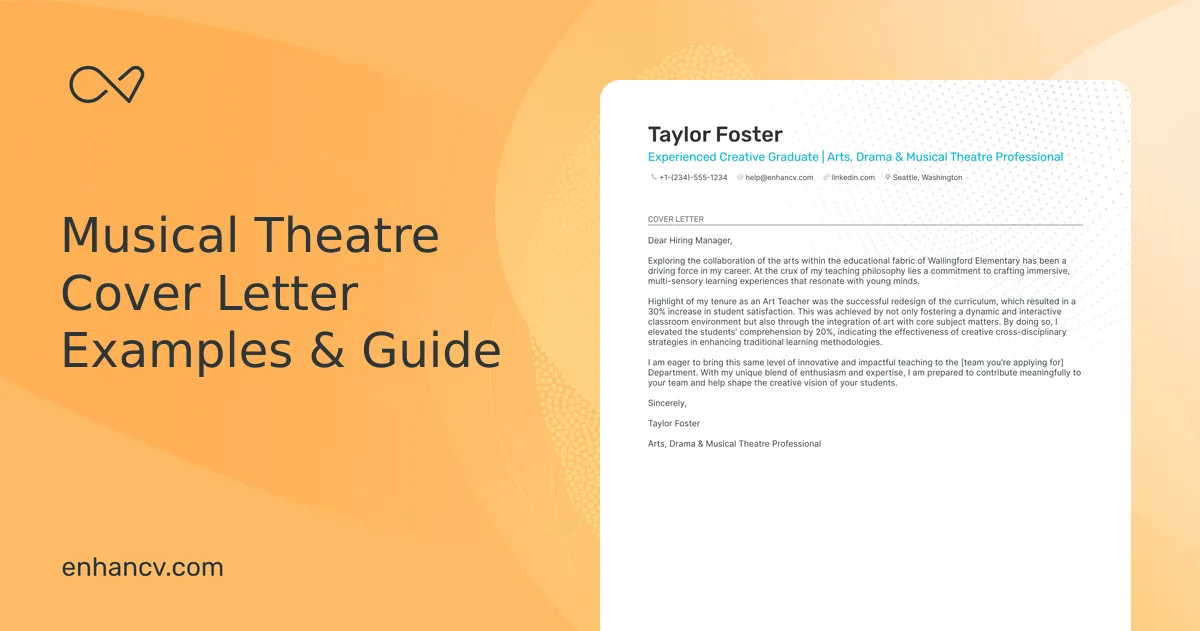
Breaking into the entertainment industry requires more than just talent; it demands a compelling cover letter. Your entertainment cover letter is your first impression, the key that unlocks the door to your dream job. It’s your opportunity to showcase not only your skills and experience but also your passion for the industry. Mastering the art of the entertainment cover letter can significantly increase your chances of landing an interview. This guide will provide you with seven essential tips to help you craft an impressive cover letter that captivates potential employers and sets you apart from the competition. Get ready to transform your job application and boost your career prospects!
Crafting an Entertainment Cover Letter that Shines
A well-crafted entertainment cover letter is more than just a formality; it’s a strategic tool that highlights your unique value proposition. It’s where you connect your skills, experience, and aspirations to the specific needs of the role and the company. The best letters are clear, concise, and customized to each application. Generic letters are easily dismissed, so personalization is critical. Remember, you are selling yourself, and your cover letter is the advertisement. Your goal is to get the reader excited about the prospect of meeting you in person, which will hopefully lead to securing a job opportunity. This section will guide you through the essentials of creating a cover letter that stands out from the rest.
Understanding the Entertainment Industry
Before you even start writing, it’s crucial to understand the landscape. The entertainment industry is diverse, encompassing film, television, music, gaming, and more. Each sector has its nuances, and roles vary widely, from creative to technical to administrative. Research the specific area you’re targeting; the more you understand the industry’s trends, challenges, and key players, the better equipped you’ll be to tailor your cover letter. Demonstrate your industry knowledge by referencing recent projects, current events, or company achievements within your cover letter. This shows that you are not just applying for a job but are genuinely interested in the industry and prepared to contribute to its success.
Researching the Company and Role

Thorough research is a non-negotiable step. Visit the company’s website, read their news articles, and understand their values, mission, and recent projects. Explore their social media presence to grasp their brand identity. Then, delve into the job description. Identify the specific skills and qualifications the employer seeks. Make a list of the key requirements and use this as the foundation for your cover letter. This is where you bridge the gap between your qualifications and the company’s needs, demonstrating your value. Mentioning specific projects or initiatives the company is involved in shows that you’ve done your homework and are genuinely interested in joining their team.
Highlighting Relevant Skills and Experience
The core of your cover letter lies in highlighting your relevant skills and experience. It’s not enough to list them; you must demonstrate how they align with the job requirements. Use the STAR method (Situation, Task, Action, Result) to describe your achievements. For instance, instead of stating, “Managed social media accounts,” write, “In my previous role, I managed social media accounts for a film production company, resulting in a 25% increase in follower engagement and a 15% rise in website traffic.” This approach provides context and quantifiable results, making your accomplishments more persuasive. Focus on the most relevant skills and experiences, and be specific.
Showcasing Your Passion and Enthusiasm
Passion is the lifeblood of the entertainment industry. Your cover letter should reflect your genuine enthusiasm for the role and the company. Share why you’re excited about the opportunity and what specifically attracts you to the company. Avoid generic statements; instead, mention specific projects, directors, or aspects of their work that resonate with you. This shows that you’re not just looking for any job but a role that aligns with your aspirations. Your passion and enthusiasm will often be as impactful as your skills. When writing about your interest, be authentic, let your personality shine through, and explain what you hope to bring to the team.
Quantifying Your Achievements

Numbers speak volumes. Whenever possible, quantify your achievements to demonstrate the impact of your work. Instead of saying, “Increased sales,” say, “Increased sales by 20% in one quarter.” Use metrics to showcase your accomplishments, whether it’s increased viewership, improved engagement, or cost savings. Provide measurable results to underscore your contributions. Quantifiable achievements make your cover letter more compelling and show employers the value you bring. Providing figures, statistics and clear data-driven results will show that you are analytical and results-oriented.
Formatting and Presentation Matters
Presentation is critical. A well-formatted cover letter is easy to read and visually appealing. Use a professional font, maintain consistent margins, and ensure your letter is free of grammatical errors and typos. Use clear and concise language, breaking up large blocks of text with bullet points when needed. Make sure your letter is easy to skim; employers often scan cover letters quickly. Therefore, use headings and subheadings to guide the reader through the information. If you are submitting a physical copy, ensure it’s printed on high-quality paper. Professionalism in formatting and presentation is a sign of your attention to detail and respect for the potential employer.
Tailoring Your Letter to Each Application
Generic cover letters are easily discarded. Tailor your cover letter to each specific job application. Customize the content to match the job requirements and highlight the skills and experiences most relevant to the role. Refer to the company’s specific projects or initiatives to demonstrate that you have done your research. This shows you have taken the time to understand the role and are truly interested. Avoid reusing the same letter for multiple applications. Adapt the language, emphasize different skills, and always reference the specific job description. Customize the letter and you’ll be noticed!
Proofreading for Perfection

Proofreading is not optional; it’s essential. Errors in grammar and spelling are an immediate turn-off. Before submitting your cover letter, proofread it meticulously. Read it aloud to catch any awkward phrasing. Use a spell-checker and grammar-checker, but don’t rely on them entirely. Have a friend or colleague review your cover letter as well. A fresh pair of eyes can often catch errors you might miss. Proofreading helps ensure your professionalism and attention to detail. Ensure the letter is perfect before hitting the submit button. A well-written, error-free letter will reflect positively on your abilities.
Follow-Up Strategies
Following up is a crucial step in the job application process, but it must be done strategically. After submitting your cover letter and resume, send a polite follow-up email within a week or two. Reference the specific job and express your continued interest. If possible, try to connect with the hiring manager or someone at the company on LinkedIn and reach out to them. This shows your proactive approach and keen interest. Avoid being overly persistent, as it can be counterproductive. Timing and professional follow-up can significantly improve your chances of securing an interview.
Sending a Thank-You Note
If you’re fortunate enough to secure an interview, send a thank-you note to everyone who interviewed you. Reiterate your interest in the role, and address any points discussed in the interview. This is a small gesture that can make a big impression. The thank-you note shows professionalism and gratitude. It allows you to reinforce your qualifications and reiterate your enthusiasm for the opportunity, and will also help to keep you fresh in the interviewer’s mind.
What to Expect After Submitting

The hiring process varies. After submitting your cover letter, be patient, but proactive. Keep an eye on your email and be prepared for interviews or phone calls. Be ready to answer questions about your qualifications and experience. Research the company and practice common interview questions. Prepare examples to demonstrate your skills. The entertainment industry is competitive, but a well-crafted cover letter and preparation will increase your chances. Be ready to follow up, and be prepared to showcase what you have to offer, and most of all, be confident in your skills and experience.
In conclusion, crafting an impressive entertainment cover letter is a blend of art and strategy. From understanding the industry to highlighting your skills and passion, each element plays a vital role. By following these seven tips, you can create a cover letter that captivates potential employers and sets you on the path to success in the entertainment world. Embrace this guide, tailor your approach, and get ready to land that dream job! Good luck!