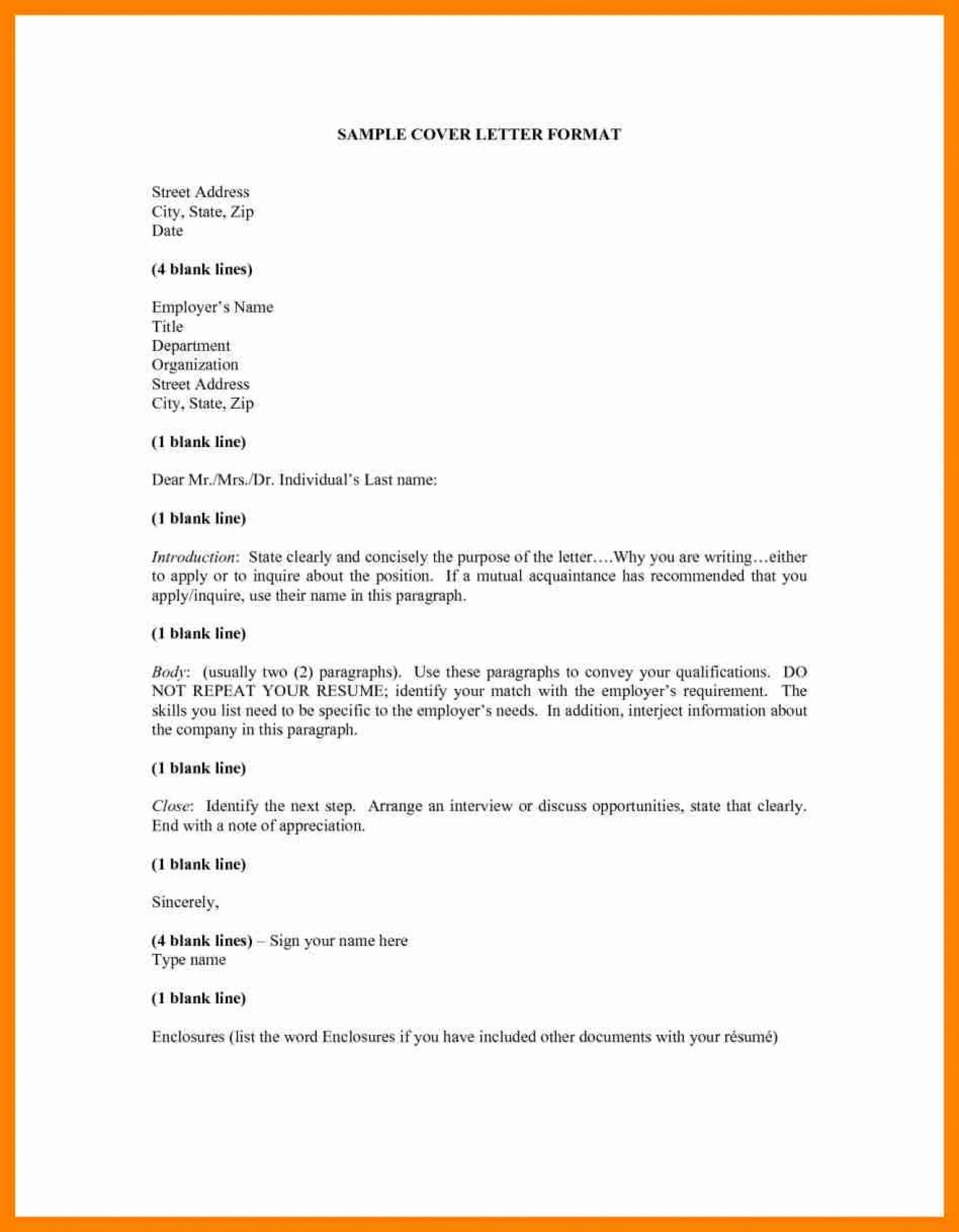
What are Enclosures on Cover Letter
Enclosures on a cover letter refer to the additional documents that you are including with your job application. These documents support your application and provide further evidence of your qualifications, skills, and experience. Common enclosures include your resume, references, academic transcripts, writing samples, and portfolios. Including enclosures shows that you are organized, thorough, and attentive to detail. Knowing what to include and how to present it correctly is crucial for making a positive impression on the hiring manager. Proper handling of enclosures ensures that all necessary information reaches the recipient and boosts your chances of getting noticed. Think of your cover letter and enclosures as a complete package designed to present your best professional self.
Why Include Enclosures
Including enclosures is important because it offers a comprehensive view of your abilities beyond what can be contained in a cover letter or resume. While a resume summarizes your experiences, enclosures provide tangible proof of your achievements and qualifications. For instance, a writing sample demonstrates your writing skills, a portfolio showcases your creative work, and reference letters offer insights from previous employers. Including enclosures also displays your attention to detail and your commitment to providing all required information. By including these extra documents, you are making it easy for the hiring manager to see why you are a good fit. Moreover, certain jobs and industries might require or strongly encourage the inclusion of specific documents, making it essential to follow these guidelines. The inclusion of enclosures is a proactive step that can significantly impact your application.
Importance of Clarity

Clarity in listing and referring to enclosures is paramount to ensuring that the hiring manager accurately receives and understands all your supporting documents. A cover letter should clearly state what enclosures are included, such as ‘Attached is my resume and writing sample.’ This explicit listing makes the application easier to review and shows your organizational skills. Furthermore, it helps the recruiter keep track of the documents and prevents any confusion. Vague or missing mentions of enclosures can lead to important documents being overlooked or misplaced. Ensuring clarity makes the process efficient, shows professionalism, and reduces the chance of your application being misunderstood or dismissed. Clear communication throughout your application process reflects well on your attention to detail and professionalism, making you stand out from other applicants.
Top 5 Tips for Handling Enclosures
Tip 1 Clearly List Everything
Always include a clear and concise list of enclosures at the end of your cover letter. This list acts as a quick reference for the hiring manager and ensures that they know exactly what documents to expect. A common and effective format is to use the phrase ‘Enclosures:’ followed by a bulleted or numbered list of each document. This could include your resume, any additional certifications, a portfolio, or any other relevant materials. This list should match precisely what you have attached, giving the recipient a full picture of your application components. This detailed listing shows that you are organized and considerate of the reader’s time. When preparing your application, always double-check this section to avoid any confusion or omissions.
Provide Specific Details

Provide specific details about each enclosure. Instead of simply writing ‘Resume’, write the full document name. If you have multiple documents, it’s helpful to include specific titles or dates to identify the versions. For example, write ‘Resume – John Doe, 2024’ to ensure that the reviewer has the correct version. Likewise, if you’re including a writing sample, you could note the title of the sample to aid the reviewer in quickly understanding the attached materials. This is particularly important when there are multiple documents or versions. These specific details improve the clarity of your application package. It’s about making the review process easy and straightforward, ensuring the hiring manager knows what to look for. By being as specific as possible, you improve your chances of your application being handled efficiently and positively.
Tip 2 Use the Right Format
Proper formatting is essential when handling enclosures. Your cover letter and attached documents should always be professional and easy to read. The best format is a PDF file for all attachments. PDFs preserve the original formatting of your documents, ensuring that they appear the way you intended, regardless of the recipient’s software or device. Avoid sending documents in formats that may be easily altered. If the job application specifies particular formats, make sure you adhere to those directions precisely. Consistent formatting also makes the entire application package more visually appealing and professional. Using a clean, easy-to-read font like Arial or Times New Roman enhances readability. Proper formatting shows that you are organized and pay attention to detail, a crucial quality in any professional environment.
Formatting Guidelines
When preparing your enclosures, pay close attention to formatting guidelines. Ensure all documents have consistent margins, font sizes, and styles. Your resume and cover letter should complement each other in terms of design, creating a cohesive look. Maintain a professional tone throughout all your documents, avoiding slang or informal language. Proofread everything thoroughly. If you are including a portfolio, make sure the files are properly organized and easy to navigate. Make sure the file sizes are appropriate for email or online submission to ensure compatibility. Following these guidelines will make your application more presentable and demonstrate your professionalism. Attention to detail in formatting ensures your application looks polished, and that all content is easily accessible and understandable.
Tip 3 Double-Check for Accuracy

Before submitting your application, always double-check all enclosures for accuracy. Proofread your cover letter, resume, and any other documents for typos, grammatical errors, and inconsistencies. Ensure all the information is up-to-date and accurate. Verify that the file names of your attachments are clear and descriptive. Double-check the attachments themselves to be sure you have included the correct files. This step is absolutely vital as errors or outdated information can undermine your chances of being selected. If you are listing references, make sure you have their current contact information, and that they are aware you are applying for a job. Taking the time to proofread and verify everything underscores your professionalism and commitment to accuracy, reflecting positively on your capabilities and attention to detail.
Proofreading Checklist
A thorough proofreading checklist is a must when preparing your application package. Start by checking the spelling and grammar of your cover letter and all attached documents. Ensure that all dates, names, and contact information are correct. Verify that the formatting is consistent across all documents. Confirm that your resume and cover letter are tailored to the specific job and highlight the relevant skills and experiences. Ask a friend, family member, or career counselor to review your application. A fresh set of eyes can catch mistakes you may have missed. By carefully following a checklist, you minimize errors and ensure that your application makes a great first impression. Proofreading is a critical step in demonstrating your attention to detail and professionalism.
Tip 4 Mention Enclosures in the Cover Letter Body
In your cover letter’s body, refer to your enclosures by mentioning relevant skills, experiences, or achievements presented in those documents. This gives context to the enclosures and shows how they support your application. For instance, when discussing a project, you can state, ‘As detailed in my portfolio, I led the XYZ project…’ or ‘My resume provides more details on my experience with…’ This approach guides the reader to look for certain aspects within your enclosures. This helps the reader understand how your qualifications align with the job requirements. It also underscores your ability to make connections and provide a cohesive picture of your qualifications. This reinforces your message and demonstrates your understanding of the role, showing how your skills and experiences make you a strong candidate.
Contextual References

When referring to enclosures in your cover letter’s body, provide contextual references that help the hiring manager understand why the documents are included and how they relate to your qualifications. Instead of a general statement, specify what the hiring manager should focus on. For example, you could say, ‘My project management skills, further outlined in my project portfolio, directly align with the requirements of this position.’ By adding contextual references, you guide the reader to find the most relevant information in your enclosures. This way, you connect your qualifications to the job description more effectively. This targeted approach enhances the impact of your application and increases the likelihood that the hiring manager understands and appreciates your skills and experience. Always align your references to the requirements of the job.
Tip 5 Follow Application Instructions
Always carefully follow the application instructions when handling enclosures. Some employers will specify the types of documents they want you to include, the required file formats, and how to submit your application. If the job posting asks for a specific type of document, like a writing sample or a portfolio, make sure to include it. Carefully note the specified file formats; if they request a PDF, send a PDF; if they ask for a Word document, follow their instructions. Be sure to adhere to all submission guidelines, whether online or via email. Failure to follow instructions could lead to your application being rejected. If you’re unsure about what to include or how to format your application, reach out to the hiring company. Following instructions shows that you pay attention to detail and respect the employer’s requirements.
Tailoring to Different Applications
Tailoring your cover letter and enclosures to each specific application is crucial for increasing your chances of success. Review the job description carefully and identify the key requirements and qualifications. Then, customize your cover letter and resume to highlight the skills and experiences that align most closely with those requirements. Modify the enclosures you are attaching so they showcase your relevant accomplishments. When applying for different positions, you may need to adjust the focus of your enclosures. For example, if you’re applying for a marketing role, you might emphasize your marketing portfolio. By tailoring your application to each specific job, you show the hiring manager that you are a great fit for the role and have taken the time to understand the company’s needs. This will improve your application considerably.
Common Mistakes to Avoid

Omitting Key Documents
One of the most common mistakes when handling enclosures is omitting key documents that are essential for your application. This often leads to a less comprehensive view of your qualifications. Examples include forgetting to attach your resume, leaving out a portfolio or writing sample when it is requested, or neglecting references. Missing a document means the hiring manager lacks critical information about your skills and experience. Always double-check the job posting requirements, review your application, and include everything requested. If you’re unsure about what to include, err on the side of providing too much information rather than too little. To avoid this mistake, make sure you have a checklist to ensure you have included all the necessary enclosures, and that you’ve attached them correctly. This simple step can boost your chances considerably.
Incorrect Formatting
Incorrect formatting can significantly detract from your application and is one of the common errors. This includes sending documents in the wrong file format, using inconsistent fonts or margins, or not organizing enclosures properly. When you use the wrong file format, the hiring manager may not be able to open the files, or the content might appear distorted. Inconsistent formatting makes the application look unprofessional and disorganized. Poor formatting makes the documents harder to read. To avoid these mistakes, always read the application instructions, and adhere to all formatting guidelines provided. Save your documents in a professional, universally compatible format like PDF. Consistent formatting will make your application look polished and make it easier for the hiring manager to assess your qualifications. Proper formatting helps the overall presentation and reinforces your attention to detail.
Final Thoughts

Successfully managing enclosures on your cover letter is a critical element of a well-crafted job application. When you clearly list enclosures, use the right format, double-check everything, and follow the application instructions, you demonstrate your professionalism and enhance your chances of getting noticed. By avoiding common mistakes, you provide hiring managers with a clear, complete picture of your qualifications and abilities. Remember, your application is a package deal, with the cover letter and enclosures working together to present your best self. Taking care of this will enhance your chances of making a strong first impression, securing an interview, and ultimately, landing your dream job. Focusing on these strategies can give you a competitive advantage in your job search.