Crafting a Winning Email Cover Letter
In the competitive landscape of job applications, an email cover letter serves as your initial introduction, a crucial tool in making a positive first impression. It’s not just a formality; it’s your opportunity to showcase your personality, skills, and enthusiasm for the role. A well-crafted email cover letter, much like a finely tuned marketing campaign, is designed to capture the attention of the hiring manager and prompt them to read your resume. It should be compelling, concise, and tailored specifically to the job you are applying for. This article provides email cover letter samples and guidance to help you craft a persuasive cover letter that highlights your value and increases your chances of securing an interview. Mastering the art of the email cover letter can significantly enhance your job search success.
Understanding the Purpose of an Email Cover Letter
The primary purpose of an email cover letter is to introduce yourself to the hiring manager and express your interest in a specific job opening. It’s your chance to provide context to your resume, explaining why you are the ideal candidate for the position. Unlike a resume, which provides a factual overview of your experience and skills, a cover letter allows you to weave a narrative, demonstrating your personality, communication skills, and understanding of the company’s needs. Think of it as a personal pitch, where you can highlight your key accomplishments, explain your career goals, and connect your skills with the job requirements. A well-written cover letter showcases your professionalism and attention to detail, setting you apart from other applicants and making a memorable first impression.
Key Components of an Effective Email Cover Letter

An effective email cover letter follows a clear structure, ensuring that all essential information is conveyed concisely and professionally. Start with your contact information, including your name, phone number, email address, and optionally, your LinkedIn profile URL. This allows the hiring manager to easily contact you. Next, address the recipient with a professional greeting, such as “Dear Mr./Ms./Mx. [Last Name],” if you know the hiring manager’s name. The opening paragraph should immediately grab the reader’s attention by stating the position you are applying for and briefly mentioning why you are a good fit. The body of the letter should then highlight your relevant skills and experiences, tailoring your letter to the job description, showcasing achievements, and quantifying accomplishments whenever possible. Finally, end with a strong closing paragraph, including a call to action, and a formal closing such as “Sincerely” or “Best regards.”
Contact Information
Begin your email cover letter by providing your essential contact details. This includes your full name, phone number, professional email address, and optionally, a link to your LinkedIn profile or online portfolio. Ensure the email address you use is professional-sounding and appropriate for business communication. Placing this information at the top of your email cover letter allows the hiring manager to quickly reach you. Moreover, it shows your commitment to professionalism. Double-check all contact details for accuracy to avoid any potential communication issues. Presenting your contact information clearly and concisely ensures that the hiring manager can easily connect with you if they are interested in your application. Do not include your physical address in the email cover letter.
Greeting and Salutation
The greeting and salutation set the tone for your email cover letter. If possible, address the hiring manager by name using a formal greeting such as “Dear Mr./Ms./Mx. [Last Name].” Researching the hiring manager’s name can often be done through the company website or LinkedIn. If you are unable to find a specific name, use a general salutation such as “Dear Hiring Manager” or “Dear [Company Name] Hiring Team.” Avoid informal greetings like “Hi” or “Hello.” Your closing should also be professional; use phrases like “Sincerely,” “Best regards,” or “Kind regards.” Proper salutations and closings indicate respect and attention to detail, creating a positive first impression.
Opening Paragraph Grab Attention

Your opening paragraph is critical; it’s your first chance to capture the hiring manager’s attention. Start by clearly stating the position you’re applying for and where you saw the job posting. Briefly mention why you are excited about the role and the company. This opening should be concise, typically within two to three sentences. You want to grab their attention immediately, highlighting something specific that makes you a good fit for the job. Avoid generic opening lines. Instead, aim to make your opening unique and engaging. Mentioning a specific skill or experience that aligns with the job’s requirements can make your application stand out. Ensure your enthusiasm shines through. A well-crafted opening paragraph sets the stage for the rest of your cover letter, encouraging the reader to learn more about your qualifications.
Highlighting Skills and Experiences
The body of your cover letter is where you highlight your relevant skills and experiences. Focus on the requirements listed in the job description and tailor your examples to match. Instead of just listing your job responsibilities, explain what you accomplished in each role. Use the STAR method (Situation, Task, Action, Result) to provide specific examples of your achievements. The STAR method helps you present your experiences more effectively by describing the situation, the task you were assigned, the action you took, and the results of your efforts. Quantify your accomplishments whenever possible to demonstrate the impact you made in previous roles. Focus on the skills that are most relevant to the job and show how you have applied those skills in the past. Always make sure to align your skills and experiences with the job requirements.
Tailoring Your Letter to the Job
Customizing your email cover letter for each job application is vital for demonstrating your genuine interest and suitability for the position. Review the job description thoroughly and identify the key skills and qualifications the employer is seeking. Then, align your experiences, skills, and accomplishments with those requirements. Provide specific examples of how you have demonstrated those skills in the past. Avoid using a generic cover letter for multiple job applications; tailor each letter to highlight the skills and experiences that are most relevant to the specific job. This shows that you have taken the time to understand the role and are genuinely interested in the opportunity. Mention the company’s values and mission, and explain why they resonate with you. Tailoring your letter significantly increases your chances of getting noticed.
Showcasing Achievements

Instead of just listing your responsibilities, showcase your achievements. Focus on your successes and the impact you made in previous roles. Use action verbs to describe what you accomplished and quantify your achievements whenever possible. For example, instead of saying “Managed social media accounts,” you could say “Increased social media engagement by 30% by implementing a new content strategy.” When you showcase your achievements, you provide concrete evidence of your abilities and make a more compelling case for why you are the right candidate for the job. Make sure your achievements align with the requirements of the job description. Highlighting achievements shows the hiring manager that you are results-oriented and capable of making a positive contribution to their company.
Quantifying Your Accomplishments
Quantifying your accomplishments is a powerful way to demonstrate the impact of your work. Using numbers and data to support your claims makes your achievements more tangible and persuasive. Instead of saying “Improved customer satisfaction,” you could say “Improved customer satisfaction scores by 20% through implementing a new customer service training program.” Whenever possible, include specific numbers, percentages, and metrics to illustrate your accomplishments. This helps the hiring manager understand the tangible results you have delivered in the past. Quantifiable achievements help you stand out from other candidates because they provide clear evidence of your skills and expertise. Focus on relevant metrics that demonstrate your ability to deliver results in the areas that matter most to the job.
Expressing Enthusiasm and Interest
Expressing your enthusiasm and genuine interest in the company and the position can significantly improve your email cover letter. Show that you have researched the company and understand its mission, values, and goals. Explain why you are excited about the specific role and how your skills and experience align with the company’s needs. This demonstrates that you are not just applying for any job, but that you are genuinely interested in the opportunity and are a good fit for the company culture. Expressing your enthusiasm helps you make a personal connection with the hiring manager, which can increase your chances of getting an interview. Mention any specific projects, initiatives, or aspects of the company that particularly appeal to you.
Closing the Cover Letter

Your closing paragraph should summarize your interest in the position and reiterate your qualifications. Reiterate your enthusiasm for the role and the company. Express your gratitude for the hiring manager’s time and consideration. Include a call to action by stating that you are eager to discuss your qualifications further and are available for an interview. Keep the closing paragraph concise and professional. Ensure that your closing is consistent with the tone of the rest of your cover letter. A well-crafted closing paragraph reinforces your interest and leaves the hiring manager with a positive impression. Proofread the entire letter carefully to ensure that it is free of errors and conveys the message you want to send.
Call to Action
Include a clear call to action in your email cover letter. A call to action tells the hiring manager what you want them to do next. It should be concise and direct. Common examples of calls to action include expressing your eagerness to discuss your qualifications further and your availability for an interview. This prompts the hiring manager to take the next step, increasing the likelihood of you moving forward in the hiring process. Avoid vague statements. Your call to action should be clear, concise, and confident, reflecting your interest in the opportunity. Make sure the call to action is relevant to the job you’re applying for, and ensure that your contact information is readily available.
Formal Closing
Your formal closing should be professional and appropriate for business communication. Common options include “Sincerely,” “Best regards,” “Kind regards,” or “Thank you.” Choose a closing that aligns with the overall tone of your email cover letter. Avoid informal closings like “Cheers” or “Thanks.” Your signature should include your full name, and you can also include your phone number and email address again for easy contact. Always proofread your closing carefully to make sure it is free from any errors. Your closing should leave a positive and professional impression on the hiring manager, reiterating your interest in the position and your availability.
Proofreading and Editing

Proofreading and editing your email cover letter is crucial for making a positive impression. Errors in grammar, spelling, or punctuation can undermine your credibility and reduce your chances of getting hired. Before sending your cover letter, carefully review the entire document for any mistakes. Use a spell checker and grammar checker, but do not rely on them entirely. Read your letter aloud, which can help you catch any awkward phrasing or sentence structure issues. Ask a friend, family member, or career advisor to review your cover letter as well. They can offer a fresh perspective and identify any errors that you may have missed. Taking the time to proofread and edit your cover letter ensures that it reflects your professionalism and attention to detail.
Common Mistakes to Avoid in Email Cover Letters
Avoiding common mistakes can significantly increase your chances of success. One common mistake is sending a generic cover letter that is not tailored to the specific job. Always customize your letter to demonstrate your interest and suitability for the role. Other mistakes include grammatical errors, typos, and poor formatting. These errors reflect poorly on your attention to detail. Overusing jargon or overly complex language can also be a problem. Instead, use clear, concise language. A cover letter that is too long can lead to the hiring manager losing interest. Keep your letter concise, usually no more than one page. Failing to proofread your cover letter is another major mistake. Poorly written letters suggest a lack of professionalism. Finally, avoid negative language or talking negatively about past employers. Instead, focus on your positive qualities and achievements.
Using the Right Tone and Language
The tone and language you use in your email cover letter should be professional, enthusiastic, and tailored to the company and the role. Use a formal tone, but avoid sounding overly stiff or impersonal. Choose words that convey confidence and enthusiasm. Avoid using slang, colloquialisms, or overly casual language. Research the company culture and adjust your tone accordingly. You want to sound professional, but you also want to show that you are a good fit for their workplace. Make sure your language is clear, concise, and easy to understand. Highlight your achievements and skills with confidence, but avoid being arrogant. Use action verbs to describe your accomplishments and quantifiable results to demonstrate your impact.
Formatting Your Email for Readability

Formatting your email for readability is crucial. Use a clear and easy-to-read font, such as Arial, Calibri, or Times New Roman, with a font size between 10 and 12 points. Use a simple layout with clear headings, short paragraphs, and ample white space. This makes your cover letter easy to scan and digest. Use bullet points to highlight key skills or accomplishments. Keep paragraphs concise, ideally no more than four to five sentences. Avoid using complex formatting or graphics, which can be difficult to view on different devices. Ensure your email cover letter is well-organized and easy to follow. Proper formatting ensures that your email cover letter is accessible and visually appealing, making it easier for the hiring manager to read and understand your message.
Email Cover Letter Samples and Templates
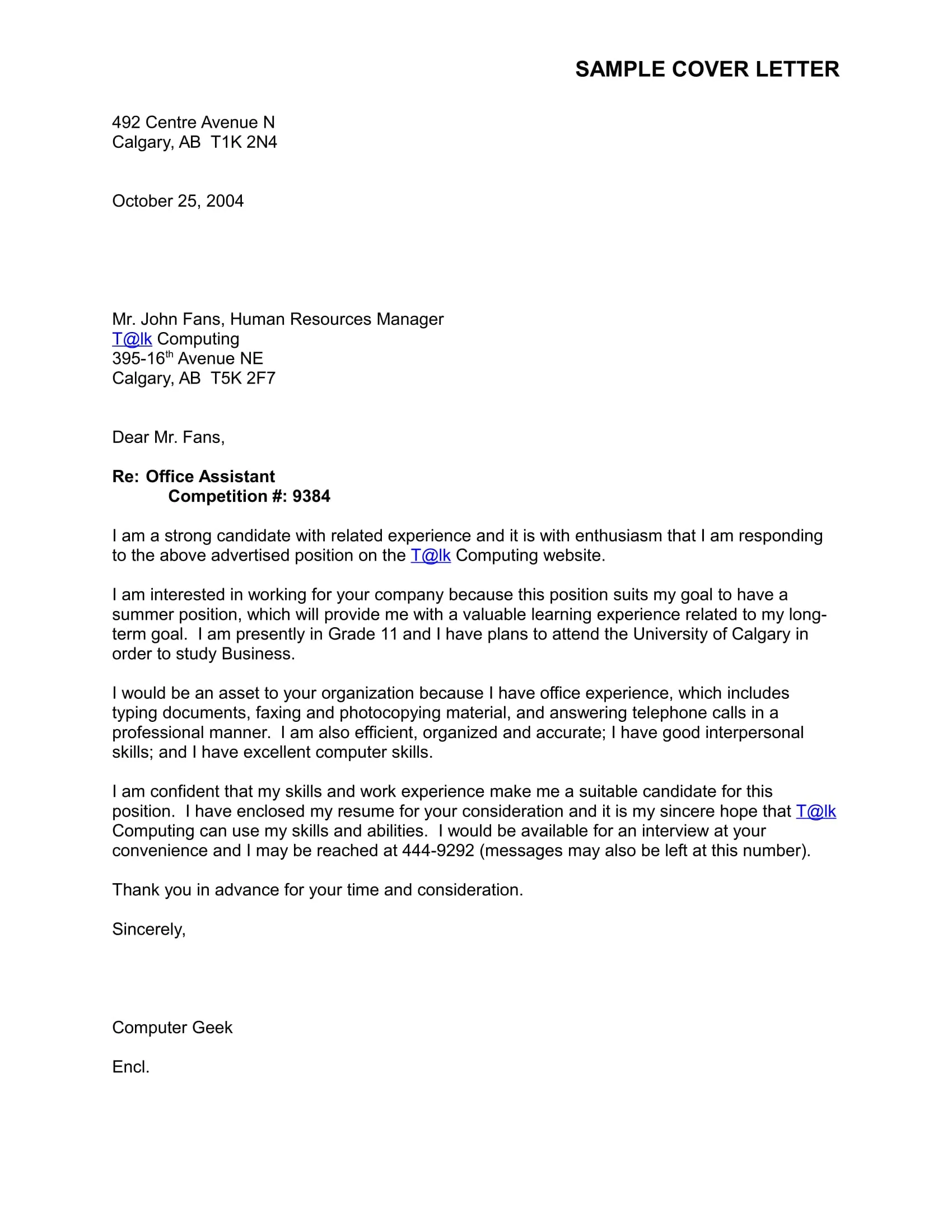
Using email cover letter samples and templates can provide a helpful starting point for crafting your own. Numerous resources, including websites and career guides, offer various samples and templates tailored to different industries and job roles. These resources can help you understand the structure, content, and language used in effective cover letters. When using a sample or template, customize it to reflect your specific skills, experience, and the requirements of the job you are applying for. Adapt the content and language to fit your individual profile and the company’s specific needs. Always proofread the sample or template thoroughly before sending your email cover letter, making sure it is personalized and tailored to your application.
Sample Cover Letter for Marketing Position
Here’s a sample email cover letter for a marketing position. This example showcases how to highlight relevant marketing skills and experiences, tailored to a marketing job. The cover letter should begin with your contact information, a professional greeting, and a clear statement of the position you are applying for. In the body of the letter, emphasize your marketing skills, such as content creation, social media management, or market research. Describe your experience in developing and executing marketing campaigns and showcase quantifiable achievements, such as increasing website traffic or improving lead generation. Express your enthusiasm for the company’s marketing initiatives and explain why you are a good fit for their team. End with a call to action and a formal closing. Remember to customize the sample with your own details and relevant experiences.
Sample Cover Letter for Software Developer

Here’s a sample email cover letter for a software developer. This example highlights how to showcase technical skills and experience in software development. The cover letter should start with your contact information, the greeting, and clearly state the position you are applying for. In the main body, focus on your coding skills, experience with programming languages, and any relevant projects you have worked on. Describe your experience in software development, your proficiency in specific programming languages, and your experience in using various development tools and platforms. Showcase projects and contributions to open-source projects, or any personal projects. Quantify your achievements, such as optimizing code or improving system performance. Finish with a call to action and a professional closing. Adapt the sample with your own technical skills and experiences.
Sample Cover Letter for Entry Level Job
Here is a sample email cover letter for an entry-level job. This example shows how to demonstrate your enthusiasm, skills, and potential even with limited experience. The letter should start with your contact information, a formal greeting, and a clear statement of the position you are applying for. In the main body, highlight your relevant skills, such as strong communication skills, teamwork, or problem-solving abilities. Describe any relevant experiences, such as internships, volunteer work, or academic projects. Show your willingness to learn, your eagerness to contribute, and your understanding of the job’s requirements. Emphasize any transferable skills from past experiences, even if they are not directly related to the job. Finish with a call to action and a professional closing. Customize the sample with your own achievements and potential.