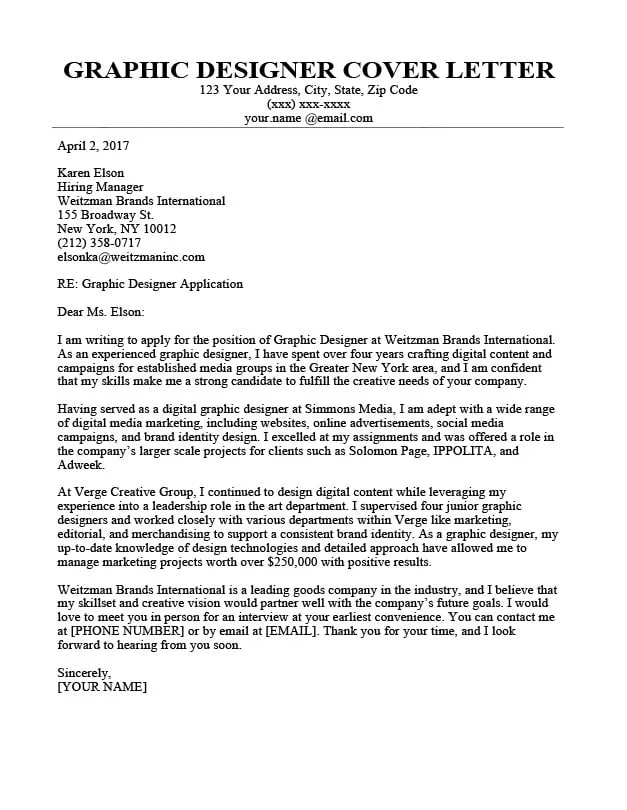
What is a Designers Cover Letter
A designers cover letter is a crucial document accompanying your resume when applying for design positions. It serves as your first impression, allowing you to introduce yourself, highlight your skills and experience, and express your enthusiasm for the role. Unlike your resume, which provides a factual overview of your qualifications, the cover letter provides an opportunity to showcase your personality, writing skills, and passion for design. It’s a chance to tell your story, explain why you’re the perfect fit for the job, and make a memorable impression on the hiring manager. A well-crafted cover letter can significantly increase your chances of getting an interview and ultimately landing your dream design job. It’s important to remember that a generic cover letter will not get you noticed, so customization is key. The cover letter is important to the potential employee and employer, the letter helps show potential.
The Importance of a Designers Cover Letter
The importance of a designers cover letter cannot be overstated. In a competitive job market, a cover letter can be the deciding factor between getting an interview or being overlooked. It allows you to elaborate on your resume, providing context and detail that a resume alone cannot convey. For designers, the cover letter is an opportunity to demonstrate your communication skills, which are essential for client interaction and team collaboration. It showcases your understanding of the design industry and your ability to articulate your design philosophy and approach. A well-written cover letter shows that you’ve done your research about the company and the role, and that you’re genuinely interested in the opportunity. Furthermore, it offers a chance to address any potential gaps in your resume or to explain career transitions, giving the hiring manager a more complete picture of your professional journey and providing an explanation for certain aspects. This can be a key that gets your foot in the door.
Key Components of a Compelling Cover Letter

Crafting a compelling designers cover letter involves several key components that work together to create a strong and persuasive document. These components ensure your letter captures the reader’s attention and effectively communicates your qualifications and enthusiasm. Here are the essential elements for a standout cover letter.
Contact Information
Start with your contact information at the top of the letter, including your name, phone number, email address, and LinkedIn profile URL. This allows the hiring manager to quickly find your contact details. Ensure the email address is professional and the phone number is up-to-date. The link to your LinkedIn profile gives them access to the work you have done and a professional point of contact.
Personalized Greeting
Address the hiring manager by name whenever possible. Research the company to find out who the hiring manager is. Generic greetings such as “To Whom It May Concern” are impersonal and less effective. A personalized greeting shows that you’ve taken the time to research the company and are genuinely interested in the role. This simple step can make a big difference in capturing their attention.
Opening Paragraph

Your opening paragraph should immediately grab the reader’s attention. State the position you’re applying for and briefly explain where you found the job posting. Briefly mention your key qualifications and express your enthusiasm for the opportunity. Make it clear why you’re interested in this particular company and role, and what makes you the perfect fit. This sets the tone for the rest of the letter and encourages the hiring manager to keep reading. It is important to start off in a good way.
Highlighting Relevant Skills and Experience
The body of your cover letter should highlight your relevant skills and experience, and demonstrate how they align with the job requirements. This is where you showcase your abilities and demonstrate why you’re the best candidate for the job. You should do this by tailoring your cover letter to each specific job application. This also includes providing specific examples and quantifying your achievements whenever possible to make your claims more credible and impactful. Use language relevant to the design industry and the specific design area that is being hired for.
Tailoring Your Cover Letter
Avoid using a generic cover letter. Customize each letter to match the specific job and company. Review the job description carefully and identify the key skills and experiences the employer is seeking. Then, use your cover letter to show how your qualifications align with those requirements. This demonstrates that you understand the role and are genuinely interested in the opportunity, making you a more attractive candidate.
Showcasing Design Projects

Provide brief descriptions of your most relevant design projects, focusing on the results you achieved and the impact your work had. Include links to your online portfolio or attach samples of your work. This allows the hiring manager to see examples of your design skills and understand your design process. Choose projects that best align with the job requirements and showcase your expertise. The more creative you are the better.
Quantifying Achievements
Instead of simply listing your responsibilities, quantify your achievements whenever possible. Use numbers and data to illustrate the impact of your work. For example, instead of saying “Improved website design,” say “Increased website conversion rates by 15% through redesign.” This makes your accomplishments more tangible and demonstrates your value to the company. Numbers are a good way to show results and have your application stand out among all the others.
Addressing the Job Requirements
Your cover letter should directly address the requirements outlined in the job description. This demonstrates that you have taken the time to understand the role and are a good fit. It’s important to carefully read the job description and identify the key skills, experience, and qualifications the employer is seeking. Your cover letter should then highlight how your qualifications align with those requirements, providing specific examples and demonstrating your suitability for the role.
Understanding the Job Description

Thoroughly review the job description to understand the specific requirements, skills, and responsibilities of the role. Identify the keywords and phrases used in the job description and incorporate them into your cover letter. This shows that you understand the role and are qualified. Make sure to not over do it and that your letter remains natural and fluid. Your language must be easy to understand and engaging.
Matching Skills to Requirements
Use your cover letter to specifically match your skills and experience to the requirements listed in the job description. Provide examples of how you have used those skills in the past and the results you achieved. Highlight any relevant projects or experiences that align with the role. This direct alignment helps the hiring manager see you as a strong candidate and makes it clear why you’re a good fit for the job.
Expressing Enthusiasm for the Role
Throughout your cover letter, express your enthusiasm for the role and the company. Show that you are genuinely interested in the opportunity and excited about the prospect of contributing to the company’s success. Research the company’s mission, values, and recent projects, and mention something specific that resonates with you. This demonstrates your genuine interest and helps you stand out from other applicants.
Closing Paragraph

Your closing paragraph should summarize your key qualifications and reiterate your interest in the role. Thank the hiring manager for their time and consideration. Express your eagerness to discuss your qualifications further and mention your availability for an interview. Keep it concise and professional, and reiterate that you’re the best fit. Include a call to action to show the employer that you are eager to move forward.
Call to Action
End your cover letter with a clear call to action. Invite the hiring manager to contact you for an interview. Provide your phone number and email address again for easy access. Make it easy for them to reach out to you. It is important to show eagerness to take the next step in the hiring process.
Formatting and Presentation
The formatting and presentation of your designers cover letter are crucial for creating a positive first impression. A well-formatted letter is easier to read and demonstrates your attention to detail, which is essential in the design field. The use of appropriate fonts and font sizes makes the letter more reader-friendly, while careful proofreading and editing ensure that your writing is clear, concise, and free of errors. Proper formatting and presentation can significantly enhance the overall impact of your cover letter.
Font and Readability

Choose a professional and readable font such as Arial, Calibri, or Times New Roman. Use a font size of 10-12 points to ensure that your cover letter is easy to read. Use clear headings and subheadings to break up the text and make it easier to scan. Ensure there is enough white space between paragraphs and sections to enhance readability and create a clean look. Make sure the look is easy and comfortable to read.
Proofreading and Editing
Proofread your cover letter carefully for any spelling, grammar, or punctuation errors. Mistakes can undermine your credibility and make you look unprofessional. Ask a friend or family member to review your letter for any errors you might have missed. Use a grammar checker tool to catch any mistakes. Ensure that your writing is clear, concise, and free of jargon. The letter should be easy to understand and free of errors.
Example Cover Letter Structure
Here is a basic outline to help structure your own letter, it is important to customize it to your own experiences. [Your Name] [Your Address] [Your Phone Number] [Your Email Address] [Date] [Hiring Manager Name] [Hiring Manager Title] [Company Name] [Company Address] [Dear [Hiring Manager Name]] In the opening paragraph, include the position you’re applying for, where you saw the posting, and why you’re excited. Mention your key qualifications. Include a paragraph detailing skills, projects, and quantifying your achievements. Explain how you fit the job’s requirements. In the closing paragraph, summarize your qualifications, reiterate your interest, thank them for their time and consideration, and include a call to action to arrange an interview. [Sincerely, [Your Name]]
Final Thoughts and Next Steps
A well-crafted designers cover letter is a powerful tool that can significantly increase your chances of landing your dream job. By following these guidelines, you can create a compelling letter that showcases your skills, experience, and enthusiasm for the role. Remember to tailor your cover letter to each job application, highlight your achievements, and express your genuine interest in the company. Your cover letter is your chance to make a lasting impression and stand out from the competition. Take the time to craft a cover letter that is tailored to your strengths, the role, and the company. The more time you put into your application, the better your chances of success.