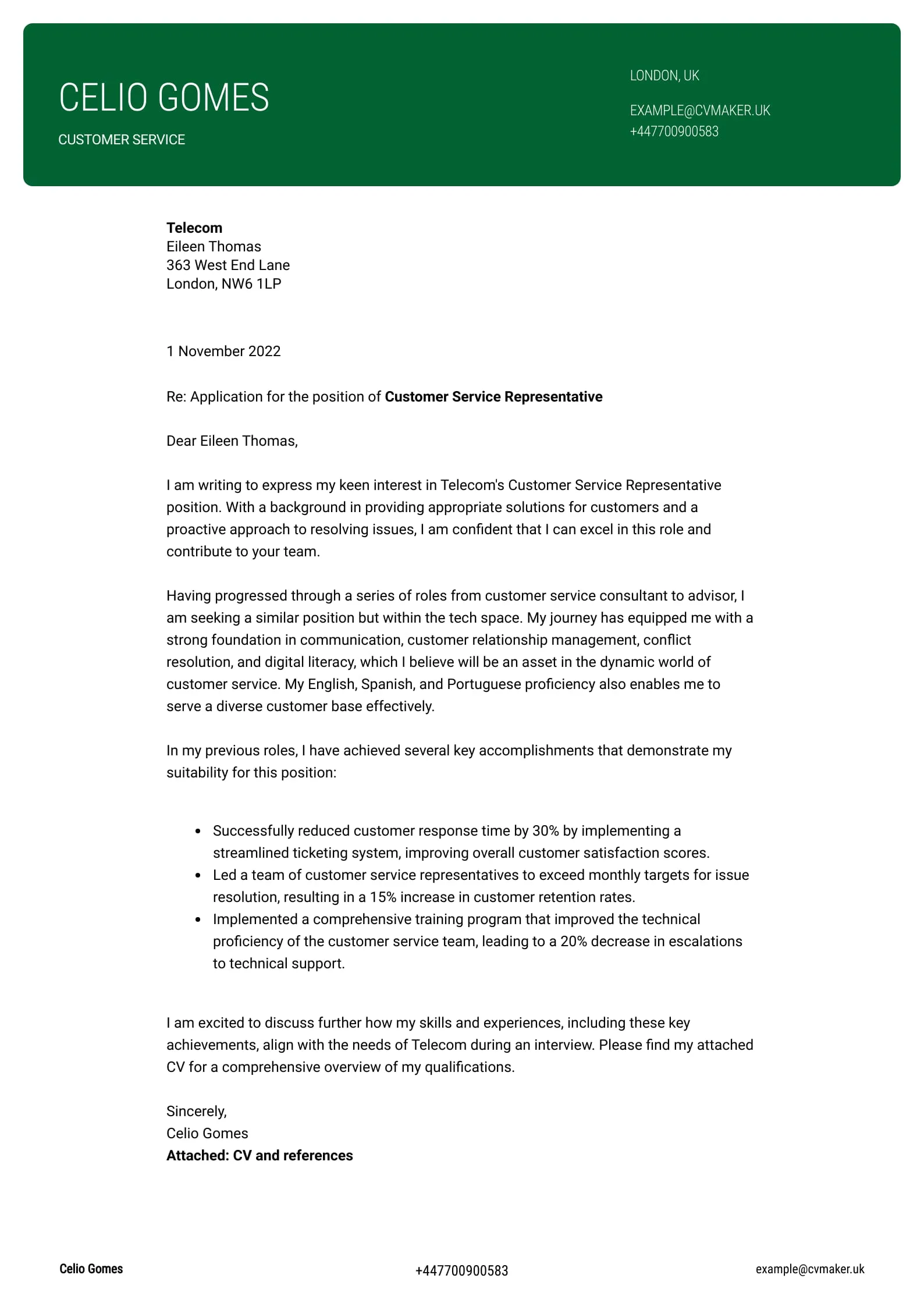
What is a Cover Letter UK
A cover letter in the UK is a crucial document accompanying your CV when applying for jobs. It’s your opportunity to introduce yourself, highlight your skills and experiences, and express your interest in a specific role and company. Unlike a CV, which provides a factual summary of your qualifications, a cover letter allows you to demonstrate your personality, communication skills, and understanding of the job requirements. It serves as a crucial first impression, setting the stage for whether you’ll be considered for an interview.
Cover Letter UK Why is it Important
In the competitive UK job market, a well-crafted cover letter can significantly increase your chances of success. It provides context to your CV, explaining why you’re the ideal candidate for a particular position. It showcases your communication skills, attention to detail, and ability to tailor your application to specific job requirements. Furthermore, a strong cover letter allows you to address any potential concerns or gaps in your CV proactively. By highlighting your relevant skills, experiences, and enthusiasm, you demonstrate your commitment to the role and the company, making a compelling case for why you deserve an interview.
Cover Letter UK Researching the Company

Before you start writing, thorough research is essential. Understand the company’s mission, values, and recent activities. Explore their website, social media profiles, and any news articles related to the organization. Identify specific details that resonate with you and align with your career goals. Researching the company demonstrates your genuine interest and allows you to tailor your letter to their specific needs. Knowing the company culture and the role’s requirements allows you to showcase how your skills and experiences align with their expectations, making your application more relevant and impactful.
Cover Letter UK Key Components to Include
A strong UK cover letter typically includes several key components. Start with your contact information, followed by the date and the hiring manager’s details. The opening paragraph should state the position you’re applying for and how you learned about it. The body of the letter should highlight your relevant skills and experiences, matching them to the job requirements. Include quantifiable achievements to demonstrate your impact in previous roles. Express your enthusiasm for the company and the position. The closing paragraph should summarize your interest, reiterate your qualifications, and include a call to action, such as requesting an interview. Remember to proofread carefully for any errors.
Cover Letter UK Contact Information
Begin your cover letter with your full name, address, phone number, and email address. This information should be clearly displayed at the top of the letter. Ensure that your email address is professional. Below your contact information, include the date and the hiring manager’s details (if known), such as their name and job title. If you’re unsure of the hiring manager’s name, research the company website or LinkedIn to find the appropriate person to address your letter to. Addressing your letter to a specific individual shows that you’ve taken the time to research the company and its employees.
Cover Letter UK The Opening Paragraph

The opening paragraph is your first opportunity to capture the reader’s attention. State the specific position you’re applying for and where you saw the job posting (e.g., on a job board, company website, or through a referral). Briefly mention your interest in the role and the company. Avoid generic openings; instead, demonstrate your enthusiasm and understanding of the position. For example, you might state your excitement about contributing your skills to the company’s mission or the impact you aim to make in the role. Keep it concise, clear, and engaging to encourage the reader to continue reading.
Cover Letter UK Highlighting Your Skills and Experience
The main body of your cover letter should highlight your relevant skills and experience. Carefully review the job description and identify the key requirements. Provide specific examples that demonstrate how your previous experiences align with these requirements. Use the STAR method (Situation, Task, Action, Result) to describe your achievements and contributions in previous roles. Quantify your achievements whenever possible, using numbers and data to showcase your impact. For example, instead of saying you ‘improved sales,’ state that you ‘increased sales by 15% within six months.’ Tailor your letter to each specific job application, ensuring that your skills and experiences directly address the requirements outlined in the job description.
Cover Letter UK Matching Skills to Job Requirements
A successful cover letter explicitly matches your skills to the job requirements. Carefully analyze the job description to identify the key skills and qualifications the employer is seeking. Then, provide concrete examples from your past experiences to demonstrate how you possess those skills. Use the same keywords and phrases used in the job description to highlight your relevant abilities. If the job requires communication skills, provide an example of how you effectively communicated with clients or team members. If it requires problem-solving skills, describe a time you successfully solved a challenging issue. By directly addressing the job requirements, you make it easy for the hiring manager to see how you fit the role.
Cover Letter UK Quantifying Your Achievements

Quantifying your achievements is a powerful way to demonstrate your value to a potential employer. Instead of making general statements about your skills, use numbers and data to showcase your impact in previous roles. For example, instead of saying you ‘managed a team,’ state that you ‘managed a team of 10 employees, resulting in a 10% increase in productivity.’ Instead of saying you ‘improved customer satisfaction,’ state that you ‘increased customer satisfaction scores by 20% through implementing a new feedback system.’ Using quantifiable achievements makes your cover letter more compelling and provides tangible evidence of your capabilities.
Cover Letter UK Demonstrating Your Enthusiasm
Expressing genuine enthusiasm for the role and the company is essential. Research the company’s values, mission, and recent achievements to demonstrate your interest. Explain why you’re excited about the specific opportunity and how your skills align with the company’s goals. Mention any aspects of the company’s culture or work that resonate with you. This demonstrates your genuine interest and that you’ve put thought into the application. If you’ve met employees or used their products, mention those experiences. Showing your enthusiasm makes your application more memorable and increases your chances of getting an interview.
Cover Letter UK The Closing Paragraph
The closing paragraph should summarize your interest in the position, reiterate your qualifications, and include a clear call to action. Thank the hiring manager for their time and consideration. Reiterate your key skills and experience and emphasize why you’re a strong fit for the role. Express your availability for an interview and provide your contact information once again. For instance, you can say, ‘I am eager to discuss my qualifications in further detail and welcome the opportunity for an interview. Thank you for your time and consideration. I can be reached at [phone number] or [email address].’ A professional and polite closing leaves a positive final impression.
Cover Letter UK Proofreading and Editing

Before submitting your cover letter, carefully proofread and edit it. Check for any grammatical errors, spelling mistakes, and typos. Ensure your sentences are clear, concise, and easy to read. Read your cover letter aloud to catch any awkward phrasing. Have a friend or colleague review it as well. They can provide a fresh perspective and identify any mistakes you may have missed. Proofreading ensures that your cover letter presents you in a professional and polished manner. Errors can create a negative impression, undermining your qualifications and decreasing your chances of getting an interview. Attention to detail is critical.
Cover Letter UK Tailoring Your Letter
Always tailor your cover letter to each specific job application. Generic cover letters often fail to impress hiring managers. Carefully review the job description and modify your cover letter to align with the specific requirements and keywords. Highlight the skills and experiences that are most relevant to the position. Research the company and demonstrate your understanding of their needs. Mention the company by name and express your interest in their specific goals. This level of customization shows your dedication and makes a stronger impression on the employer. Tailoring shows you care enough to match their needs.
Cover Letter UK Formatting Your Letter
Proper formatting is essential for making your cover letter easy to read and visually appealing. Use a professional font, such as Times New Roman, Arial, or Calibri, in a standard size (11 or 12 points). Use clear and concise language, keeping paragraphs short and focused. Use bullet points or numbered lists to highlight key skills or achievements. Maintain consistent formatting throughout your letter. Ensure that your contact information is clearly displayed and that there are no errors in the layout. A well-formatted cover letter reflects attention to detail and enhances the overall presentation of your application.