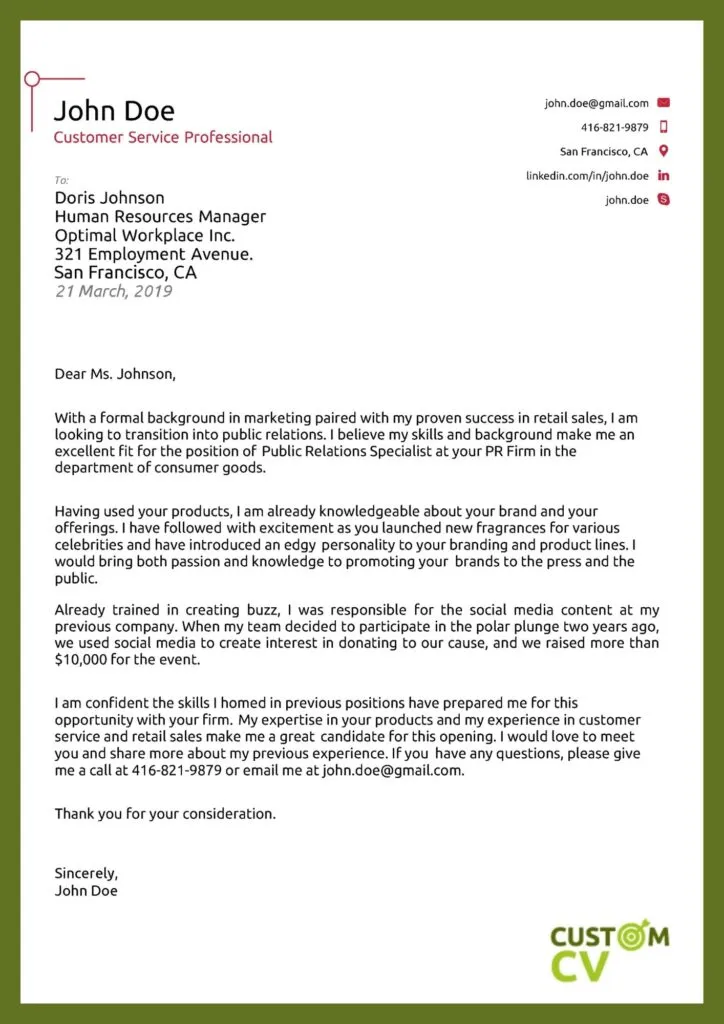
Cover Letter Secrets
A well-crafted cover letter is your first chance to make a lasting impression on a potential employer. It’s more than just a formality; it’s a powerful tool to showcase your personality, highlight relevant skills, and demonstrate your genuine interest in the position and the company. A strong cover letter complements your resume, providing context and depth to your qualifications. It’s an opportunity to tell your story, explaining why you’re the perfect fit for the role and what unique value you bring to the table. Ignoring this crucial step can significantly decrease your chances of getting an interview. The goal is to immediately capture the reader’s attention and entice them to learn more about you. This includes understanding what they are looking for in a candidate, and directly addressing these needs within your application. Consider it a personal introduction, opening the door to a deeper conversation about your professional capabilities and aspirations.
Highlighting Your Achievements
Focus on your accomplishments rather than just listing your responsibilities. Anyone can list duties, but it’s the achievements that demonstrate your capabilities and impact. When describing your previous roles, use the STAR method (Situation, Task, Action, Result) to provide a clear and concise narrative of your contributions. Begin by setting the scene, then explaining the task at hand. Detail the specific actions you took, and finally, highlight the positive results of your efforts. This approach paints a vivid picture of your skills and abilities. The goal is to go beyond a simple job description by showcasing the tangible impact you made in each role. Remember, employers are looking for candidates who can make a difference, not just perform tasks.
Quantifying Your Accomplishments

Whenever possible, quantify your achievements to make them more impactful. Use numbers, percentages, and specific data to illustrate your successes. Instead of saying ‘Improved customer satisfaction,’ say ‘Improved customer satisfaction by 15% through implementing a new feedback system.’ This level of detail provides concrete evidence of your abilities and makes your accomplishments more credible. When describing your achievements, try to use metrics that are relevant to the job you’re applying for. If you’re applying for a sales role, highlight your sales figures and percentage increases. If you’re applying for a project management role, emphasize how you reduced costs or completed projects ahead of schedule. Specific, measurable accomplishments are the most persuasive and show potential employers what you are capable of.
Tailoring Your Letter
Avoid using a generic cover letter template. Tailor each letter to the specific job and company you are applying for. This shows that you’ve done your research and are genuinely interested in the opportunity. Customize your letter to align with the job description and highlight the skills and experiences that are most relevant to the role. Use the company’s name, mention specific projects or initiatives, and address the hiring manager by name, if possible. This level of personalization demonstrates your dedication and attention to detail. Generic cover letters often get immediately discarded; they show a lack of effort and a lack of interest in the particular company or role. Tailoring allows you to demonstrate what you can bring to the specific position and the company, which makes your application more appealing.
Researching the Company
Before writing your cover letter, research the company thoroughly. Understand their mission, values, and recent projects or news. This knowledge will help you tailor your letter effectively and demonstrate your interest in the organization. Visit the company’s website, read their blog, and check their social media profiles. This research allows you to understand their culture and values, which you can then reflect in your letter. Mention specific aspects of the company that resonate with you and explain why you’re excited about the opportunity. This can show that you’ve put in the work to know more, and you are committed to contributing to the company’s goals and future endeavors. Knowing the company’s key values and showing how your values align with their values make your application even more persuasive.
Matching Skills and Requirements

Carefully review the job description and identify the key skills and requirements. Make sure your cover letter explicitly addresses these requirements and provides examples of how your skills and experiences align with them. Use keywords from the job description to help your application get noticed by applicant tracking systems (ATS). Even more, your writing should demonstrate a clear match. Don’t just list your skills; provide examples of how you’ve used them to achieve results. This could include highlighting specific projects, tasks, or situations where you demonstrated those skills. This will show the hiring manager that you not only possess the skills the company seeks but also have a track record of applying them successfully, reinforcing the connection between your qualifications and the job’s requirements.
Showcasing Your Personality
While maintaining professionalism, let your personality shine through. A cover letter is a chance to show who you are beyond your qualifications. Write in your own voice and let your enthusiasm and passion for the role come through. Use a tone that reflects your personality and is appropriate for the company’s culture. For instance, if the company has a more relaxed and informal culture, your letter can be a bit more casual. If they are more formal, adjust your tone accordingly. By allowing your personality to shine, you make your cover letter more memorable and relatable. It also helps the hiring manager get a sense of who you are as a person, in addition to your professional skills, giving you a competitive edge.
Using an Engaging Tone
Use an engaging and confident tone to capture the reader’s attention. Avoid sounding too formal or stiff. Write in a conversational style that feels natural and authentic. Start with a strong opening statement that grabs the reader’s attention. Make sure to show how you’re different from the other candidates and that you can deliver the results the company needs. Instead of saying, ‘I am writing to express my interest,’ try something more engaging, such as ‘I was thrilled to see your posting for a [Job Title] position, and I am eager to bring my skills to your team.’ Use active voice and strong verbs to make your writing more dynamic and engaging. A conversational tone shows that you can communicate effectively and are someone who would be pleasant to work with.
Proofreading Meticulously

Proofread your cover letter carefully before submitting it. Typos, grammatical errors, and formatting inconsistencies can create a negative impression and undermine your credibility. This is the most important step, so make sure you do it correctly. Errors can make you seem careless and unprofessional. Read through your letter multiple times and use a spell checker and grammar checker. Even better, have a friend or colleague review it for you, as a fresh pair of eyes can often spot mistakes that you might miss. Consider reading your letter aloud to yourself. This can help you catch any awkward phrasing or grammatical errors. A flawless cover letter demonstrates your attention to detail and commitment to excellence.
Checking for Grammatical Errors
Grammatical errors can damage your credibility and make you appear less professional. Pay close attention to grammar, punctuation, and sentence structure. Ensure that your sentences flow smoothly and that your ideas are clearly and concisely expressed. Use a grammar checker to identify any potential errors, and then carefully review each suggestion. Don’t rely solely on the grammar checker; always proofread the letter yourself to ensure accuracy. Proper grammar is essential for effective communication and professionalism.
Ensuring Formatting Consistency
Maintain consistent formatting throughout your cover letter. Use a clear and readable font, such as Times New Roman or Arial, and ensure that the font size is appropriate (typically 11 or 12 points). Use consistent spacing, margins, and alignment. Avoid using excessive bolding or underlining. A well-formatted cover letter is easier to read and demonstrates your attention to detail. Ensure that your contact information, the date, and the recipient’s information are properly formatted and easy to find. Consistency is a sign of professionalism and attention to detail.