What is a Cover Letter and Why Is It Important?
A cover letter for a scientific manuscript is more than just a formality; it’s your first and often only chance to make a strong impression on the journal editor. It’s a concise and compelling introduction to your research, designed to convince the editor that your work is a good fit for their journal and merits further consideration. Think of it as your elevator pitch for your scientific findings. A well-crafted cover letter can significantly increase the chances of your manuscript being sent out for peer review, which is the critical first step towards publication. It provides context, highlights the significance of your research, and explains why your study is relevant to the journal’s readership.
In the competitive world of scientific publishing, where journals receive countless submissions, a cover letter serves to differentiate your work from the rest. It allows you to frame your research within the broader scientific landscape and to demonstrate its impact. By effectively communicating the essence of your study, its novelty, and its relevance to the journal’s scope, you can capture the editor’s attention and make a strong case for why your manuscript should be published. Without a strong cover letter, even groundbreaking research may be overlooked, underscoring the importance of investing time and effort in this crucial communication tool. A well-written cover letter can also influence the editor’s initial perception of your work, potentially influencing the reviewers’ evaluation of your manuscript.
Key Components of a Scientific Manuscript Cover Letter
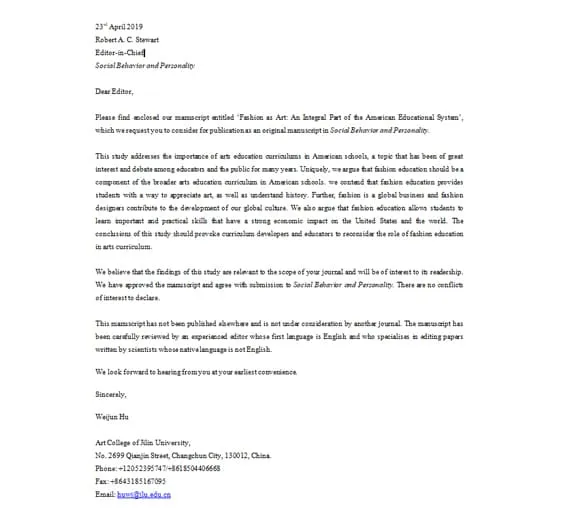
A standard scientific manuscript cover letter comprises several key components that work together to present your research effectively. Begin with a formal salutation, addressing the editor by name if possible; personalization demonstrates attention to detail. State the title of your manuscript clearly, ensuring it matches the title on your submission. Briefly, but comprehensively, summarize the main findings of your research, highlighting their significance and potential impact. Explain the novelty of your work – what new knowledge or insights does your research offer? Also, mention the journal you’re submitting to and explain why it’s the ideal venue for your manuscript, mentioning alignment with the journal’s scope, audience, and specific interests. Finally, include a statement confirming that all authors have approved the submission, and that the manuscript is not under consideration elsewhere. Provide all contact information, including corresponding author contact information.
Proper structure and formatting are paramount to making your cover letter easy to read and understand. Aim for conciseness; editors are busy, and a lengthy letter can deter them. Keep your letter within a single page, focusing on the most important points. Use clear, concise language, and avoid jargon that may not be familiar to all readers. Proofread carefully for any grammatical errors or typos, as these can diminish the professionalism of your communication. Adhering to these principles will ensure your cover letter effectively conveys the key information about your research while making a positive first impression on the editor.
The 5 Must-Know Cover Letter Secrets

Secret 1 Tailor Your Letter to the Journal
One of the most crucial secrets for a successful cover letter is tailoring it to the specific journal. Research the journal’s scope, readership, and aims; understand what kind of research they typically publish and the types of topics they cover. This understanding helps you articulate precisely why your manuscript is a good fit. Customize your letter to highlight how your research aligns with the journal’s focus and how it will benefit the journal’s audience. Mention specific articles recently published in the journal that are relevant to your work, demonstrating your awareness of the journal’s current interests and trends. Avoid using a generic template; each journal is unique, and your cover letter should reflect that uniqueness. By showing that you’ve taken the time to understand the journal, you demonstrate genuine interest, which can significantly enhance your manuscript’s chances of being considered.
Secret 2 Highlight Your Manuscript’s Key Findings
Editors and reviewers are primarily interested in the key findings of your research, so it’s essential to highlight these effectively in your cover letter. Summarize your main results clearly and concisely, using strong, impactful language that captures the essence of your work. Avoid technical jargon and focus on the significance of your findings in lay terms. Explain the impact of your research and how it contributes to the current body of knowledge. When highlighting your key findings, be sure to provide context. Explain how they build upon previous research or challenge existing theories. Consider including any novel or surprising outcomes that make your research particularly noteworthy. Present the findings in a way that is both informative and engaging, piquing the editor’s interest to read the full manuscript. The goal is to give the editor a compelling reason to delve further into your research.
Secret 3 Clearly State Your Manuscript’s Novelty

Scientific progress relies on novelty, so make sure your cover letter clearly articulates what’s new and innovative about your research. Explicitly state the novel aspects of your study – what makes your work different from existing literature? Identify any gaps in the existing knowledge that your research addresses, or any new methods or approaches that you’ve used. If your research challenges existing theories or provides new insights, make sure to mention this in your cover letter. Be specific about the contribution your manuscript makes to the field. Avoid vague statements, and instead, provide concrete examples of the innovative aspects of your work. Clearly highlighting your research’s novelty is essential to convince the editor that your manuscript warrants publication and is an important addition to the scientific literature.
Secret 4 Address the Journal’s Scope and Audience
The editor needs to understand why your manuscript is relevant to the specific journal and its target audience. In your cover letter, explicitly address the journal’s scope and explain how your research aligns with its focus. Mention the journal’s readership and articulate how your manuscript will be of interest and benefit to that audience. Does your research address a key topic relevant to the journal’s readers? Does it use methodologies commonly employed by the journal’s authors? Highlighting these connections demonstrates your awareness of the journal and its readership. It also shows the editor that you’ve carefully considered the best publication venue for your work. By effectively addressing the journal’s scope and audience, you increase the likelihood that the editor will see the value of your manuscript and decide to send it for review. Showing you understand the journal’s mission significantly increases the chances of publication.
Secret 5 Maintain a Professional Tone and Format
Professionalism is critical in all scientific communications, and your cover letter is no exception. Maintain a formal and respectful tone throughout the letter. Avoid slang, informal language, or overly casual expressions. Ensure that your letter is well-formatted, with clear paragraphs and correct grammar and spelling. Use a professional font, such as Times New Roman or Arial, and ensure that the text is easy to read. Proofread your letter carefully before submission to avoid any errors. Double-check the formatting to ensure it meets the journal’s guidelines; following formatting instructions accurately shows your attention to detail and respect for the journal’s process. A professional tone and format in your cover letter demonstrate your commitment to quality and increase the likelihood that your manuscript will be taken seriously.
Additional Tips for an Effective Cover Letter

Consider including a sentence or two about any potential conflicts of interest. This level of transparency is generally appreciated by editors. If your research has been presented at a conference, briefly mention this, giving context and showing broader dissemination. While the cover letter is concise, it’s also an opportunity to highlight the significance of your work. Don’t be afraid to use strong language to emphasize the importance of your findings. Before submitting, check the journal’s specific guidelines for cover letters. Some journals have particular requirements or templates. By following these extra tips, you can significantly increase the effectiveness of your cover letter and, in turn, the prospects for your manuscript.
Conclusion: Mastering the Scientific Manuscript Cover Letter
A compelling cover letter is an indispensable part of submitting a scientific manuscript. By understanding the components of a good cover letter and following the five secrets discussed, researchers can significantly increase their chances of publication. Remember to tailor your letter to each journal, highlight your key findings and the novelty of your research, address the journal’s scope and audience, and always maintain a professional tone. Mastering the art of the scientific manuscript cover letter empowers you to effectively present your research and make a lasting positive impression on the editor, paving the way for successful publication. With practice and attention to detail, your cover letter can be a powerful tool in achieving your publication goals.