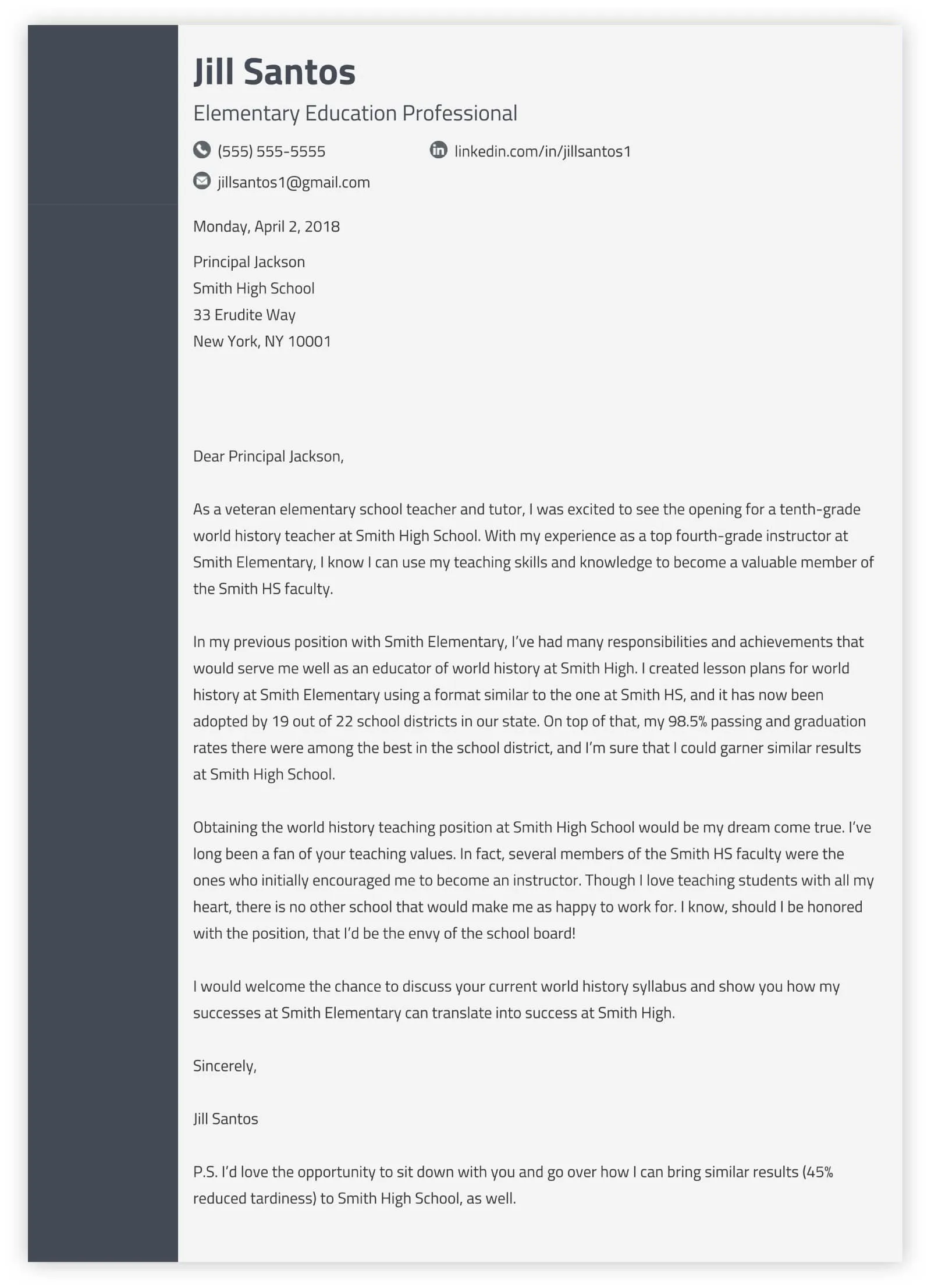
What is a Cover Letter? Understanding Its Purpose
A cover letter is your introduction to a potential employer. It’s a crucial document that accompanies your resume, providing context and personality to your application. Unlike a resume, which lists your skills and experience, a cover letter allows you to tell your story, explain why you’re interested in the specific role and company, and demonstrate how your qualifications align with their needs. It’s your opportunity to make a strong first impression and set yourself apart from other candidates. A well-crafted cover letter shows that you’ve done your research, understand the job requirements, and are genuinely enthusiastic about the opportunity. Think of it as a marketing document for yourself, highlighting your key strengths and selling your value to the hiring manager.
Key Components of a Winning Cover Letter
A winning cover letter isn’t just a generic document; it’s a personalized message tailored to each job application. Several key components are essential for creating a compelling cover letter. These elements work together to present you as the ideal candidate. A clear and concise structure will help the reader quickly understand your qualifications. By mastering these key components, you can significantly increase your chances of landing an interview and ultimately securing the job you want. This includes all sections, from the contact information to the closing.
Contact Information and Date

Start your cover letter with your contact information at the top. Include your full name, phone number, email address, and optionally, your LinkedIn profile URL. Below your contact information, add the date you’re sending the letter. This ensures the employer can easily reach you and provides a record of when the application was submitted. Ensuring this information is accurate and easy to find is critical. This section is the first thing the reader sees, and it sets the tone for the rest of your letter. A professional and polished presentation here demonstrates attention to detail.
The Salutation How to Greet the Recruiter
The salutation is your initial greeting, and it should be professional and appropriate. If possible, address the hiring manager or the specific person mentioned in the job posting by name. This shows you’ve done your research and adds a personal touch. If you can’t find a specific name, use a professional greeting like “Dear Hiring Manager” or “Dear [Department Name] Team.” Avoid generic greetings like “To Whom It May Concern,” which can make your letter feel impersonal. Tailor your salutation to the company culture. Always double-check the spelling of the recipient’s name to avoid errors that might make a negative first impression.
Opening Paragraph Grab Their Attention
The opening paragraph is your chance to grab the reader’s attention immediately. State the position you’re applying for and where you found the job posting. Briefly explain why you’re interested in the role and the company. Highlight a key skill or achievement that makes you a strong fit. This paragraph should be concise and compelling, setting the stage for the rest of your letter. Use strong verbs and avoid generic phrases to make your opening stand out. Showing enthusiasm from the start can capture the reader’s interest and encourage them to continue reading. The goal is to create an immediate positive impression.
Highlighting Your Skills and Experience

This section is where you showcase your relevant skills and experience. Provide specific examples that demonstrate how your abilities match the job requirements. Use action verbs to describe your accomplishments and quantify your achievements whenever possible. Focus on the experiences that are most relevant to the position you’re applying for. This helps the hiring manager quickly see the value you bring to the role. Tailor this section to each job application by emphasizing the skills and experiences mentioned in the job description. This approach makes your application feel targeted and shows you understand the employer’s needs.
Tailoring Your Letter to the Job Description
Always customize your cover letter for each job application. Review the job description carefully and identify the key requirements and keywords. Use those keywords throughout your letter to demonstrate that you meet the employer’s needs. Explain how your skills and experiences align with the specific responsibilities of the position. Personalizing your letter shows the hiring manager that you’re genuinely interested in the role and have taken the time to understand the company’s requirements. This tailoring demonstrates your attention to detail and your commitment to the application process. Generic cover letters are easy to spot, so make sure your application feels specific to the role.
Quantifying Your Achievements Show Your Impact
Whenever possible, quantify your achievements with numbers and data. Instead of saying “Improved customer satisfaction,” say “Improved customer satisfaction by 15%.” Quantifying your accomplishments demonstrates the impact you’ve made in previous roles and provides concrete evidence of your skills. Use metrics to showcase your successes, such as sales figures, project completion rates, or cost savings. These details make your achievements more compelling and memorable. Highlighting your achievements with specific data will make your application stand out.
The Closing Paragraph Call to Action

Your closing paragraph should reiterate your interest in the position and express your enthusiasm for the opportunity. Include a call to action, such as “I look forward to hearing from you” or “Thank you for your time and consideration.” Reiterate your key qualifications and your understanding of the company’s needs, as well as your excitement to contribute to their goals. Use a professional and confident tone. This final paragraph should leave the reader with a positive impression and encourage them to contact you for an interview. End with a formal closing, like “Sincerely” or “Best regards,” followed by your name.
Proofreading and Formatting Perfection Matters
Proofreading is crucial for your cover letter’s credibility. Carefully review your letter for any typos, grammatical errors, or formatting inconsistencies. Read your letter aloud or have someone else review it to catch mistakes you might miss. Pay attention to the structure and layout of your letter, ensuring it’s easy to read. Use a clear and professional font, such as Arial or Times New Roman, and maintain consistent formatting throughout. Avoid long paragraphs and use white space effectively to enhance readability. Proofreading and proper formatting demonstrates professionalism and attention to detail.
Common Cover Letter Mistakes to Avoid
Avoiding common cover letter mistakes can significantly improve your chances of success. These mistakes can undermine your application and create a negative impression. By being aware of these pitfalls, you can ensure your cover letter is polished and professional. Remember to always tailor your letter to the specific job and company. You should take all the time needed to eliminate any potential errors.
Overused Phrases and Clichés

Avoid using overused phrases and clichés that can make your cover letter sound generic and unoriginal. Examples include “I am writing to apply for the position,” “I am a team player,” and “I am a hard worker.” These phrases don’t offer any real insight into your skills and experience. Instead, use specific examples and action verbs to showcase your abilities. Try to use fresh and compelling language that highlights your unique value. A good cover letter avoids sounding like a template and instead presents you as a genuine candidate.
Typos and Grammatical Errors
Typos and grammatical errors are a major red flag for employers, as they can suggest a lack of attention to detail and professionalism. Always proofread your cover letter carefully, and consider using a grammar checker or having someone else review it. Even small errors can undermine your credibility and reduce your chances of getting an interview. A polished cover letter shows that you are committed to providing a high-quality work product. Make sure you are showing your best professional self.
Lack of Personalization
A generic, impersonal cover letter can fail to capture the reader’s interest. Failing to tailor your cover letter to the specific job and company demonstrates a lack of effort and genuine interest. Research the company, and customize your letter to reflect your understanding of their needs and values. Show the hiring manager why you’re a great fit for their specific requirements. Personalization is key to making a strong impression and demonstrating that you’re serious about the opportunity. Generic cover letters are easily dismissed because they don’t show your understanding of the opportunity.
Formatting and Layout Problems

Poor formatting and layout can make your cover letter difficult to read. Use a clean, professional font, such as Arial or Times New Roman, and ensure consistent formatting throughout. Avoid using excessively long paragraphs, and use white space effectively to enhance readability. Make sure your contact information is easily accessible, and use a clear and organized structure for your letter. A well-formatted cover letter shows that you value clarity and attention to detail. A poorly formatted cover letter may convey the message that you are not ready to perform the job requirements.
How to Write a Cover Letter for Different Industries
Cover letter writing requires specific tailoring for each industry. The approach and content of your cover letter should be adapted to align with the conventions and expectations of the industry you’re applying to. By understanding the specific requirements of your target industry, you can craft a cover letter that showcases your skills in a way that resonates with the hiring managers.
Cover Letters for Entry Level Positions
When writing a cover letter for an entry-level position, focus on highlighting your transferable skills, academic achievements, and any relevant experience you have, even if it’s from internships or volunteer work. Tailor your letter to show your interest in the company and explain your enthusiasm for the role. Show that you have the skills necessary to succeed, and that you’re eager to learn and grow. Highlight the skills and experiences that are most applicable to the job. Also, mention any relevant skills learned during academic study, such as teamwork, problem-solving, and time management. Show your personality, and express your eagerness to learn.
Cover Letters for Experienced Professionals

For experienced professionals, the cover letter is the perfect opportunity to highlight your significant achievements and showcase your value. Quantify your accomplishments with numbers and data, and focus on your expertise. Show the hiring manager how you’ve helped your previous companies succeed. Illustrate how your skills are transferable, and the value you can bring to the company. Make it clear that you have the potential to be an asset for them. Focus on the skills and experiences that the employer has listed in their job description.
Cover Letters for Specific Industries
Different industries have their own specific expectations for cover letters. Research the industry standards and tailor your letter accordingly. For example, in creative industries, you might have more flexibility in terms of format and tone, while in more formal industries, like finance or law, you should maintain a professional tone. Some industries value creativity and innovation, while others prioritize precision and attention to detail. Tailor your letter to reflect the values and standards of your target industry to make a great impression. Always be sure that your cover letter reflects the core values and expectations of the industry you are applying in.
Cover Letter Best Practices and Examples
Following best practices will increase your chances of writing a successful cover letter. Refer to examples to guide you as you start the process of writing. By incorporating these examples into your own writing, you will be able to craft a winning cover letter.