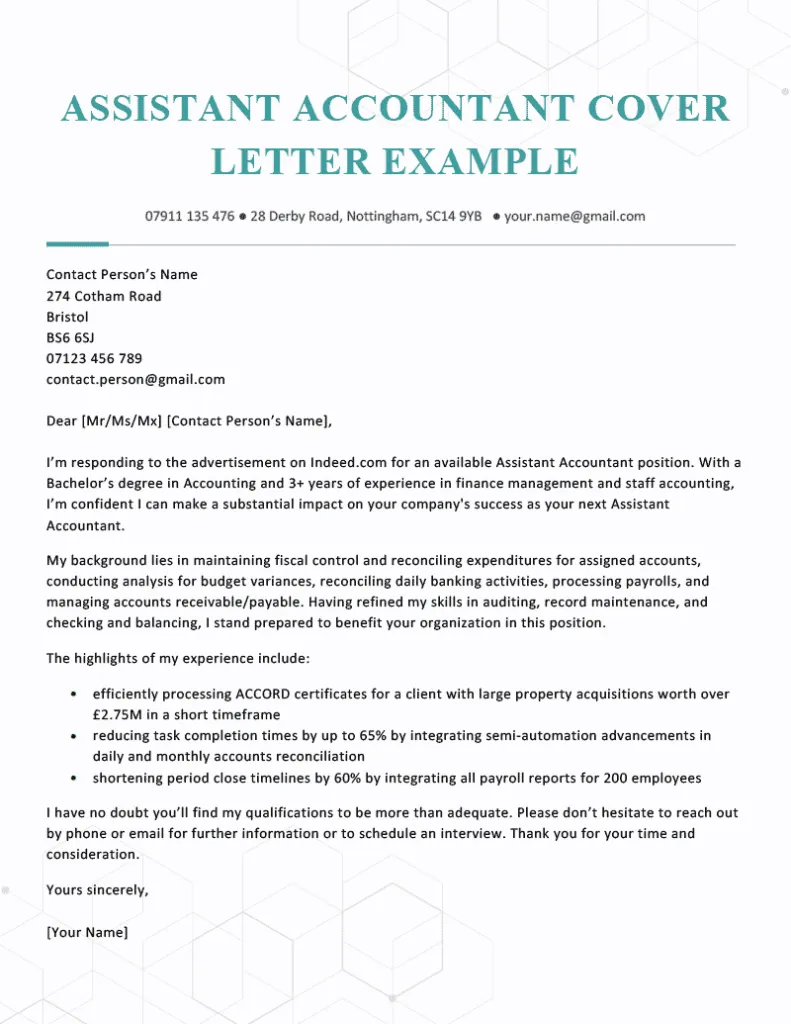
Top 7 Cover Letter Secrets
A cover letter is your first chance to make a great impression on a potential employer. It’s your personal introduction, your opportunity to showcase your personality, skills, and enthusiasm for a specific role. A well-crafted cover letter complements your resume, providing context and highlighting the aspects of your experience that are most relevant to the job. However, many job seekers struggle to create cover letters that truly stand out. This guide unveils the top 7 secrets to writing compelling cover letters that grab attention and increase your chances of landing an interview. Following these tips will help you significantly improve your application.
Understanding Cover Letter Basics
What is a Cover Letter?

A cover letter is a one-page document that you submit along with your resume when applying for a job. It serves as an introduction and a way to express your interest in the position. It gives you a platform to demonstrate your qualifications, skills, and experience while also showcasing your writing abilities and personality. A cover letter is not just a repetition of your resume; rather, it expands on your qualifications, providing context and showing how your skills align with the specific job requirements.
Why is a Cover Letter Important?
In today’s competitive job market, a cover letter can be the key to unlocking your potential. Many employers expect a cover letter, and it gives you a chance to differentiate yourself from other applicants. It showcases your communication skills, provides an opportunity to explain gaps in your employment history, and demonstrates your enthusiasm for the specific role and company. Without one, you risk being overlooked, as it signals a lack of attention to detail and a missed opportunity to make a positive first impression. Cover letters can also help recruiters to determine if the candidate is a good fit for the team.
Secret 1 Tailor to the Job
One of the most common mistakes job seekers make is sending generic cover letters. Each cover letter should be specifically tailored to the job you’re applying for. This means reading the job description carefully and addressing the specific requirements and keywords mentioned. Generic cover letters make you look like you’re sending out mass applications and are less likely to make a good impression. Customize your cover letter to highlight the most relevant skills and experiences, demonstrating that you understand the role and are genuinely interested in the opportunity.
Research the Company
Before you start writing, research the company and the role. Visit the company’s website, read news articles about them, and explore their social media profiles. Understanding the company’s mission, values, and recent achievements will help you personalize your cover letter. This research allows you to demonstrate your knowledge and enthusiasm and to show how your skills and experience align with their specific needs and goals. Showing that you have done your homework will give you a massive advantage.
Highlight Relevant Skills
Once you’ve researched the company, identify the skills and experiences that are most relevant to the job description. Focus on these in your cover letter, providing concrete examples of how you’ve used these skills in the past. Use keywords from the job description to ensure your letter aligns with the employer’s needs. Explain how your skills and experiences make you the ideal candidate. Mention specific achievements and responsibilities and how they will make you a valuable asset to the team. Ensure you provide a tailored response.
Secret 2 Quantify Your Achievements
Instead of just listing your responsibilities, quantify your achievements with numbers and data. This helps employers understand the impact you’ve made in previous roles. For example, instead of saying “Managed social media accounts,” say “Increased social media engagement by 30% in six months.” Providing specific, measurable results makes your accomplishments more compelling and shows that you can deliver tangible results. This also demonstrates your ability to measure your performance and contribute to the company’s goals.
Use Numbers to Show Impact

Numbers and data add credibility to your claims. Use metrics like percentages, dollar amounts, and timeframes to illustrate your achievements. For example, “Reduced customer service response time by 20%,” or “Generated $50,000 in new sales within a year.” These quantifiable results show the value you brought to your previous employers and make it easier for the hiring manager to understand the impact you can make in their organization. The more numbers you have, the better.
Provide Concrete Examples
Back up your claims with concrete examples. Describe specific situations where you demonstrated your skills and achieved results. Use the STAR method (Situation, Task, Action, Result) to structure your examples. This method helps you provide a clear, concise, and impactful narrative. For example, “In my previous role at X company (Situation), I was tasked with improving customer satisfaction (Task). I implemented a new customer feedback system (Action), which resulted in a 15% increase in positive feedback (Result).” Providing real-world examples demonstrates your ability to handle real-world problems.
Secret 3 Focus on the Employer’s Needs
While it’s important to highlight your skills and experience, your cover letter should primarily focus on what you can do for the employer, not just what you want from the job. Frame your skills and achievements in terms of how they will benefit the company. Show that you understand the company’s needs and challenges and that you are the right person to help them achieve their goals. This approach demonstrates a proactive attitude and a commitment to the company’s success, which is more likely to get you noticed.
Showcase Problem-Solving Skills

Employers value problem-solving skills. Use your cover letter to demonstrate how you’ve identified and solved problems in previous roles. Describe the situation, the steps you took to address the problem, and the positive outcomes. Problem-solving skills are essential in almost every job role. Showing that you can think critically, analyze issues, and find effective solutions will make you a highly desirable candidate. This includes showing how you think on your feet.
Demonstrate Your Value
Clearly articulate how your skills and experience align with the employer’s needs and how you can contribute to their success. Explain how you will bring value to the organization. This could include how you plan to solve existing challenges, improve processes, or contribute to the company’s goals. The value you provide can include your ability to adapt to challenges. Make sure to articulate what you can provide and why you are a good candidate.
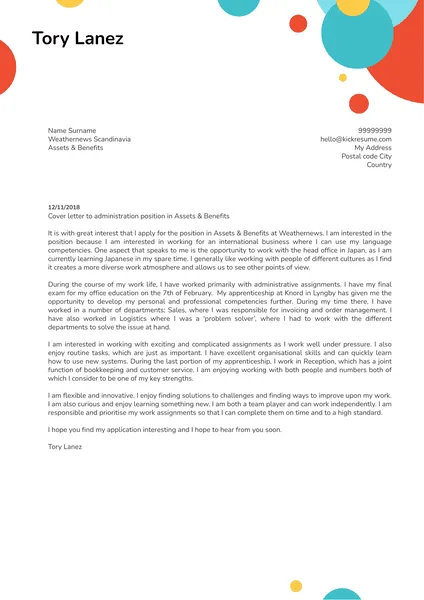
Secret 4 Perfect Formatting
The formatting of your cover letter is just as important as the content. A well-formatted cover letter is easy to read and professional-looking. Poor formatting can distract from your message and give the impression that you lack attention to detail. Ensure your cover letter is clear, concise, and visually appealing. Perfect formatting is essential to make sure your cover letter is read. The right format can leave a very good impression.
Choose a Professional Font

Use a professional, easy-to-read font like Times New Roman, Arial, or Calibri. Avoid using unusual or overly decorative fonts, as they can be distracting and make your cover letter harder to read. Keep the font size between 10 and 12 points. Maintain consistent formatting throughout the document for headings, bullet points, and paragraphs to improve readability. Your cover letter is a representation of your professionalism. Make sure the fonts you choose are not an issue.
Keep it Concise
Aim for a cover letter that is one page long. Recruiters and hiring managers often have limited time to review applications, so it is important to get to the point quickly. Keep your paragraphs short and focused, and use bullet points to highlight key achievements and skills. Ensure every sentence adds value and contributes to the overall message. Brevity is important in today’s fast-paced environment.
Secret 5 Proofread Meticulously
Typos, grammatical errors, and inconsistencies can immediately disqualify your application. Proofread your cover letter carefully for any mistakes. It’s also useful to have a second pair of eyes review your cover letter to catch any errors that you may have missed. A polished, error-free cover letter demonstrates your attention to detail and professionalism and increases your chances of making a positive impression. It’s also great to catch any inconsistencies with the resume.
Check for Grammatical Errors

Thoroughly review your cover letter for any grammatical errors. This includes checking for correct verb tense, subject-verb agreement, punctuation, and spelling. Use grammar-checking tools like Grammarly or ProWritingAid, but don’t rely on them completely. Always proofread your cover letter manually as well, because these tools aren’t foolproof. Make sure to read the document aloud and ensure it makes perfect sense.
Ensure Clarity and Conciseness
Your cover letter should be clear and easy to understand. Avoid using jargon or overly complex language. Keep your sentences short and to the point. Make sure your message is concise, and that your value is clear to the reader. Every word in your cover letter should serve a purpose. Remove any unnecessary information or fluff. Clarity is essential for your audience to understand the importance of the cover letter. Clarity will leave a lasting impression.
Secret 6 Use Action Verbs
Start your sentences with strong action verbs to make your cover letter more dynamic and engaging. Action verbs describe what you did in your previous roles and highlight your accomplishments. This will demonstrate your skills, responsibilities, and achievements. This makes your cover letter more impactful and shows that you are proactive and results-oriented. It also makes the cover letter more interesting.
Start Sentences with Strong Verbs

Use action verbs like “managed,” “led,” “created,” “implemented,” “developed,” and “achieved” to begin your sentences. This helps you present your accomplishments in a compelling way. Avoid using weak verbs such as “was responsible for” or “assisted.” Strong verbs draw the reader’s attention and give the impression that you are a go-getter and an achiever. Ensure the verbs reflect your involvement in previous positions.
Convey a Sense of Accomplishment
Focus on what you achieved in your previous roles. Instead of simply listing your duties, highlight your accomplishments and the positive outcomes you delivered. For instance, instead of writing “Managed customer inquiries,” write “Resolved over 100 customer inquiries daily, resulting in a 95% satisfaction rate.” Demonstrate your ability to get results. Your success is the most crucial part.
Secret 7 End with a Strong Call to Action
Your cover letter should end with a strong call to action, inviting the employer to take the next step. This could be expressing your enthusiasm for the role, expressing your interest in an interview, and providing your contact information. Make it easy for the employer to contact you. This is your final opportunity to leave a positive impression and make it clear that you are eager to move forward in the hiring process. A good call to action will get the reader to take the next step.
Express Enthusiasm for the Role

Reiterate your interest in the specific role and express your enthusiasm for the opportunity. Show that you have a strong interest in the company and the position. Mentioning something specific about the company or the role can help you tailor your message. This demonstrates that you are genuinely interested in the position and that you are not just sending out mass applications. Show how excited you are to be part of the company.
Provide Contact Information
Make it easy for the employer to contact you by including your phone number and email address. Ensure that your contact information is accurate and up-to-date. You may also include a link to your LinkedIn profile. This makes it easy for the hiring manager to reach out to you for an interview. Ensuring the employer can reach you easily is vital for the role.