What is a Cover Letter
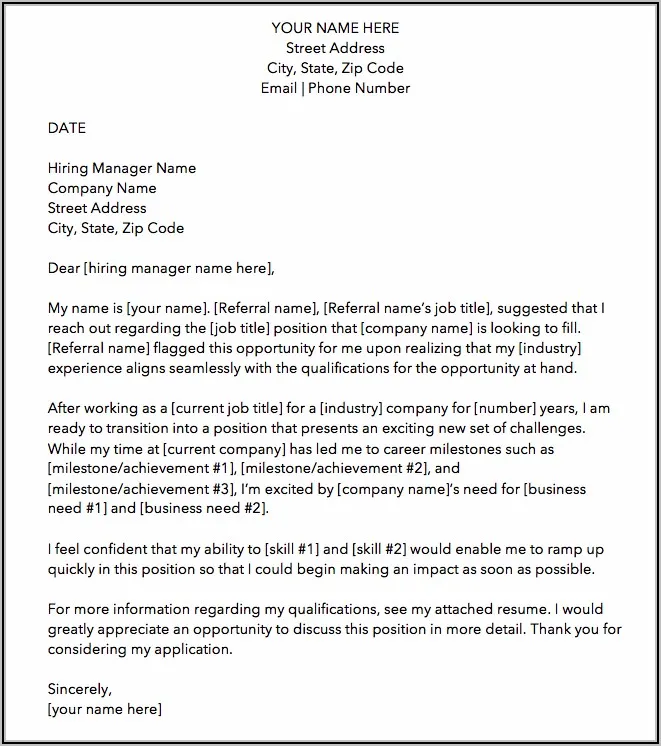
A cover letter is a crucial document that accompanies your resume when applying for a job. It serves as an introduction, providing an opportunity to highlight your relevant skills, experiences, and qualifications in a more personalized and engaging manner. Unlike a resume, which provides a factual overview of your professional history, a cover letter allows you to explain why you are a suitable candidate and why you are interested in the specific role. It offers a chance to showcase your personality, writing skills, and enthusiasm for the position, making it a vital component of a successful job application. Well-written cover letters can significantly increase your chances of securing an interview by capturing the attention of hiring managers and making a strong first impression.
Why You Need a Cover Letter
The necessity of a cover letter stems from its ability to provide context to your resume. It bridges the gap between your qualifications and the specific requirements of the job, allowing you to demonstrate how your skills align with the employer’s needs. A cover letter is a platform to highlight your unique value proposition and to convey your interest in the company and the role. It allows you to address any potential concerns, explain career transitions, or showcase relevant experiences not fully captured in your resume. Moreover, cover letters are a reflection of your communication skills and attention to detail, which are highly valued by employers. In many cases, a strong cover letter can compensate for a slightly weaker resume by providing compelling reasons for a hiring manager to consider your application.
Elements of a Cover Letter

A well-structured cover letter typically includes several key elements. Start with a professional header that includes your contact information and the date, followed by the recipient’s details (name, title, and company). A strong opening paragraph should grab the reader’s attention and state the position you are applying for and how you found the opportunity. The body of the letter should highlight your relevant skills and experiences, providing specific examples to demonstrate your capabilities. This is the area where you want to explain your qualifications and enthusiasm. It’s important to express why you are interested in the company and the role. Finally, end with a call to action, expressing your eagerness for an interview and thanking the hiring manager for their time and consideration. Remember to tailor each element to match the specific job and the company’s culture.
Cover Letter Samples
Cover letter samples serve as invaluable guides, providing real-world examples of effective job application documents. By reviewing these samples, job seekers gain insights into different writing styles, formatting techniques, and the way to tailor a cover letter to various industries and roles. Samples offer a template for structuring your letter, helping you to present your skills and experiences in a clear, concise, and compelling manner. They also illustrate the art of effectively communicating your enthusiasm for the role and the company. Using cover letter samples as a starting point can significantly streamline the writing process, saving you time and effort. Furthermore, these samples are a great way to understand the tone and language that resonates with recruiters and hiring managers. Remember to adapt the content to reflect your unique qualifications and the specifics of the job description.
Entry-Level Cover Letter Sample
For entry-level positions, a cover letter should emphasize your education, relevant coursework, internships, volunteer experiences, and any transferable skills. The opening should clearly state the position you are applying for and how you learned about it. The body should highlight any projects, assignments, or experiences that demonstrate your abilities. Use action verbs to showcase what you did and what you achieved. It is also beneficial to discuss your enthusiasm for the company and the opportunity, illustrating your willingness to learn and grow. If you lack extensive work experience, focus on your academic achievements, extracurricular activities, and any soft skills, such as communication, teamwork, or problem-solving abilities. Finally, end with a strong call to action, expressing your interest in an interview and highlighting your eagerness to start.
Mid-Career Cover Letter Sample

Mid-career professionals should use their cover letters to showcase their accomplishments, career progression, and relevant experience. The letter should highlight specific achievements, quantifying your contributions whenever possible (e.g., increased sales by 15%, managed a team of 10). The opening should clearly state the position and express your interest, followed by a brief summary of your relevant skills and expertise. In the body, demonstrate your capabilities by providing examples that align with the job requirements. Tailor your language to match the tone and style of the company culture. Make sure to address any career transitions and clearly articulate how your skills and experience make you the ideal candidate. Remember to use action verbs, to keep the content engaging and to demonstrate your value. End with a compelling conclusion that summarizes your qualifications and your eagerness to contribute to the organization.
Executive Cover Letter Sample
Executive cover letters must be highly targeted and emphasize leadership skills, strategic thinking, and a track record of success. The opening should grab attention and immediately convey the value you bring. Highlight your most significant accomplishments, focusing on metrics and outcomes. Use language that demonstrates leadership abilities, strategic thinking, and your ability to drive results. In the body, showcase your understanding of the company’s industry, challenges, and goals, and explain how you can contribute to their success. Emphasize your experience in managing teams, budgets, and projects. In the closing, express your strong interest and reiterate how your skills align with the company’s needs. Tailor the letter to the specific executive role, demonstrating a deep understanding of the company and the industry. The formatting should be professional and the tone confident.
How to Tailor Your Cover Letter
Tailoring your cover letter is an essential step in the job application process. Generic cover letters are unlikely to capture the hiring manager’s attention or showcase your genuine interest. Tailoring involves customizing the content to reflect the specific requirements and expectations of each job opportunity and company. By demonstrating that you have taken the time to research the company and understand the role, you significantly increase your chances of making a positive impression and securing an interview. This personalization shows the recruiter that you’re serious about the opportunity and that you have the skills and qualifications needed for the job.
Researching the Company

Thorough company research is crucial for tailoring your cover letter. Start by visiting the company’s website, reviewing their ‘About Us’ page, and exploring their mission statement, values, and recent news or press releases. Look at their social media profiles (LinkedIn, Facebook, Twitter) to understand their culture, their recent activities, and any current projects. Research the specific department and team you would be joining. Identify the company’s goals, challenges, and any recent achievements. Use this information to demonstrate your understanding of the company and how you can contribute. By mentioning specific company initiatives, products, or projects, you show the hiring manager that you are genuinely interested in the position and have taken the initiative to learn about their organization. This level of research differentiates you from other candidates and demonstrates your commitment.
Highlighting Relevant Skills
Highlighting relevant skills in your cover letter is about more than just listing your abilities. It’s about demonstrating how your skills align with the job’s requirements. Carefully review the job description and identify the key skills and qualifications the employer is seeking. Then, weave these skills into your cover letter by providing specific examples of how you’ve used them in past roles. Use action verbs to describe your accomplishments and quantify your results whenever possible. For instance, instead of saying ‘Managed a team’, say ‘Managed a team of 10, improving team performance by 15%’. When highlighting technical skills, provide context and demonstrate how you have applied them to achieve results. This approach shows that you understand the job requirements and can effectively perform the required duties. Moreover, tailoring your skill section to each application will show the recruiter that you can bring value.
Customizing for the Specific Job
Customizing your cover letter for the specific job is the most important step in the tailoring process. Start by carefully analyzing the job description. Identify the key responsibilities, required skills, and preferred qualifications. Adapt your cover letter to address these points directly. Mention the job title, the specific department, and any information or keywords that the hiring manager might be searching for. Highlight the experiences that are most relevant to the role. This might involve rephrasing your bullet points to emphasize skills that align with the job description. Explain how your accomplishments and experiences make you the ideal candidate for the specific role. Provide relevant examples that showcase your understanding of the company’s needs and how you can contribute to their success. Finally, demonstrate that you’ve thoroughly reviewed the job description by using the same language and terminology.
Formatting and Design Tips

The formatting and design of your cover letter play a significant role in making a positive first impression. A well-formatted cover letter is easy to read, visually appealing, and highlights your key qualifications. The design should reflect professionalism and attention to detail, which shows the recruiter that you value the details. While the content is the most important, the presentation impacts how your application is perceived. Adhering to formatting best practices helps recruiters navigate your letter and focus on the crucial information you present. Proper formatting shows that you value the details, and that attention to detail is a skill. Careful attention to formatting makes your cover letter stand out.
Font and Readability
The font you choose for your cover letter impacts its readability and visual appeal. Use a professional and easy-to-read font, such as Arial, Calibri, Times New Roman, or Helvetica. These fonts are clean and widely recognized. Avoid using overly decorative or difficult-to-read fonts, as they can distract the hiring manager. The font size should be between 10 and 12 points for the body text, ensuring it’s easy to read without being too small or large. Use a consistent font and size throughout the document for a polished look. Ensure that the letter is well-spaced, with ample margins (typically 1 inch on all sides). Avoid excessive use of bold or italics, as it can make the letter look cluttered. Make sure to check the document and confirm that it is clear and easy to scan.
Length and Structure
The length and structure of your cover letter are crucial for capturing the hiring manager’s attention. Aim for a cover letter that is no more than one page long. Recruiters are often reviewing numerous applications, so it’s essential to be concise and get straight to the point. Start with a strong opening paragraph that states the position you are applying for and expresses your interest. The body should be structured into 2-3 paragraphs, each focusing on a specific aspect of your qualifications or your interest in the role. The first paragraph should highlight your most relevant skills. The last paragraph should focus on your enthusiasm and your specific interest in the company. Finally, conclude with a call to action, such as expressing your eagerness for an interview and thanking the hiring manager for their consideration. This structured approach makes the document easy to read and emphasizes the most important aspects of your application.
Proofreading and Editing

Proofreading and editing your cover letter is crucial. Thorough proofreading minimizes errors that can negatively impact your credibility. Carefully review your cover letter for any grammatical errors, typos, and punctuation mistakes. Even a few minor errors can create a negative impression and make it seem like you are not detail-oriented. Use a spell checker and a grammar checker, but do not rely on them entirely. Proofread the document multiple times, reading it slowly and carefully. Read the document aloud, as this can help you catch errors that you might miss when reading silently. Consider having a friend, family member, or career advisor review your letter. An extra set of eyes can often spot mistakes you may have missed. Ensure the letter flows well and conveys your message effectively, as well as the correct formatting.
Common Mistakes to Avoid
Avoiding common mistakes is as important as including the right information in your cover letter. These errors can undermine your application and decrease your chances of getting an interview. By being aware of and avoiding these common pitfalls, you can significantly increase the effectiveness of your job application.
Generic Content
Using generic content is a significant mistake in a cover letter. Recruiters can easily identify applications that haven’t been tailored for the specific role or company. Generic cover letters lack the personalized touch necessary to grab the hiring manager’s attention. They fail to highlight your understanding of the company’s needs or demonstrate your genuine interest in the role. Avoid using a generic template without customizing it. Instead, tailor your cover letter to the specific job description and the company’s values. Research the company, tailor the skills mentioned to the role, and highlight relevant experiences. When you tailor, demonstrate your enthusiasm for the company and the position. Personalization will help you stand out and make a better impression on hiring managers.
Typos and Grammatical Errors

Typos and grammatical errors can significantly undermine your credibility. These errors create a negative impression and signal a lack of attention to detail, which is critical in any professional environment. The presence of typos in a cover letter can also create a negative impression on the recipient. They often convey carelessness or a lack of professionalism. Always proofread your cover letter carefully, looking for any spelling, grammar, or punctuation errors. If possible, have someone else review your letter, as it’s easy to overlook mistakes in your own writing. Correct all mistakes and use grammar and spelling checkers. Ensure your cover letter is polished, and that all information is accurate.
Ignoring the Job Description
Ignoring the job description is a common and easily avoidable mistake. The job description provides a roadmap of what the employer is looking for in a candidate. Ignoring the details in the job description prevents you from effectively highlighting the skills and qualifications that are most important to the hiring manager. It shows a lack of attention to detail. Take the time to carefully review the job description. Identify the key requirements, skills, and experiences the employer is seeking. Then, tailor your cover letter to directly address these points. Provide specific examples that show how you have met or exceeded the requirements. If there is something you can’t match on your resume, address it in your cover letter. Showing you have reviewed the job description will show the hiring manager you took the time to do research and that you are interested in the position.