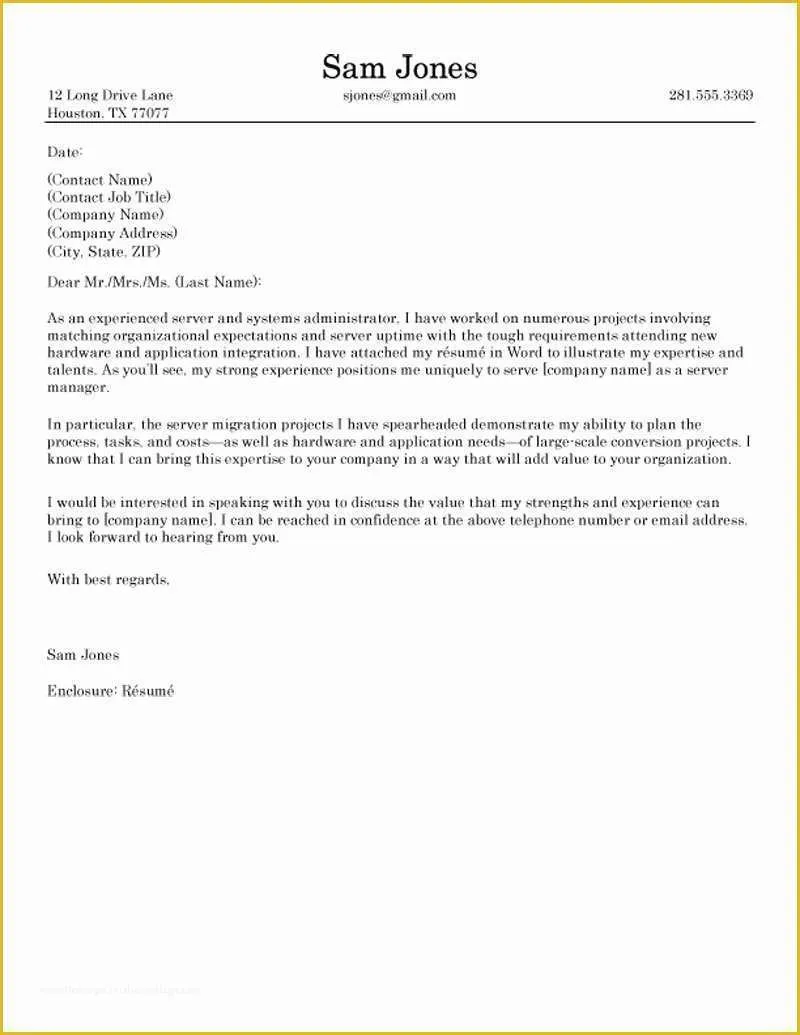
What is a Cover Letter
A cover letter is a crucial document that accompanies your resume when applying for a job. It serves as a personalized introduction to the hiring manager, providing an opportunity to highlight your skills, experience, and enthusiasm for the position. Unlike a resume, which provides a factual summary of your qualifications, a cover letter allows you to express your personality and explain why you are the perfect fit for the role and the company. It’s your chance to make a strong first impression and convince the employer to read your resume with interest. Therefore, a well-crafted cover letter can significantly increase your chances of landing an interview.
Why Is a Cover Letter Important
In today’s competitive job market, a cover letter is more important than ever. It’s your chance to differentiate yourself from other applicants by showcasing your unique value proposition. Many employers view cover letters as a mandatory part of the application process, and neglecting to include one can signal a lack of attention to detail or a lack of genuine interest in the position. A cover letter demonstrates your communication skills, your understanding of the job requirements, and your ability to articulate how your skills and experiences align with the company’s needs. It allows you to elaborate on specific achievements, explain any gaps in your employment history, and express your genuine interest in the company and the role.
Key Elements of a Cover Letter

A well-structured cover letter includes several key elements that work together to create a compelling narrative. These elements, when combined effectively, make it easier for a hiring manager to understand the value you bring to the table. Understanding these elements is essential to crafting a cover letter that makes a lasting impression. A well-written cover letter is a demonstration of your attention to detail and your ability to create a compelling argument for your candidacy.
Header Section
The header section of your cover letter contains essential information to identify you and the recipient. Proper formatting and accurate details in this section set a professional tone. This information ensures that the recruiter knows how to contact you and to whom the letter is addressed.
Your Contact Information
At the top left or right of your cover letter, include your full name, address, phone number, and email address. This information should be easy to read and up-to-date. This is how the employer will contact you if they want to proceed.
Recipient Contact Information

Directly below your contact information, include the hiring manager’s name, title, the company name, and the company address. If you cannot find the hiring manager’s name, use a general salutation such as “Dear Hiring Manager.” Researching the correct person to address your letter to shows initiative.
Salutation
Start your cover letter with a professional salutation, such as “Dear Mr./Ms./Mx. [Last Name].” If you don’t know the name of the hiring manager, use a general salutation like “Dear Hiring Manager.” This shows respect and attention to detail.
Body Paragraphs
The body paragraphs are the heart of your cover letter, where you tell your story and make your case for why you’re the ideal candidate. Each paragraph should have a clear purpose and contribute to the overall message of your letter. These paragraphs are the core of your communication, providing detailed insights into your qualifications and enthusiasm for the position.
First Paragraph

In the first paragraph, state the position you are applying for and how you found the job posting. Briefly mention why you are interested in the role and the company. Make it clear you’re applying for a specific job and immediately grab the reader’s attention with a strong opening statement. This sets the stage for the rest of your letter and shows your enthusiasm.
Second Paragraph Highlighting Skills
In the second paragraph, highlight your relevant skills and experiences. Provide specific examples of how you have demonstrated these skills in previous roles. Quantify your achievements whenever possible. Use this section to show how your abilities align with the job requirements.
Third Paragraph Showing Enthusiasm
In the third paragraph, express your enthusiasm for the company and the role. Explain why you are drawn to the company’s mission, values, or culture. Show that you’ve done your research and that you understand what the company does. Explain why you believe you are a good fit for the company and the role.
Closing Paragraph

Summarize your qualifications and reiterate your interest in the position. Thank the reader for their time and consideration. Include a call to action, such as stating that you look forward to hearing from them soon or that you are available for an interview at their earliest convenience.
Complimentary Close
End your cover letter with a professional closing, such as “Sincerely,” “Best regards,” or “Thank you.” Then, type your full name. Leave space to sign your name if you are printing and mailing the cover letter. This is a standard way to conclude your cover letter and show professionalism.
Formatting and Design Tips
The formatting and design of your cover letter are just as important as the content. A well-formatted letter is easy to read and visually appealing, whereas a poorly formatted one can be off-putting. Proper formatting reflects your attention to detail and professionalism. These formatting tips will help you create a polished and professional cover letter.
Font and Size

Choose a professional and readable font, such as Times New Roman, Arial, or Calibri. Use a font size between 10 and 12 points. Ensure your font is consistent throughout the document. Avoid using overly decorative fonts that are difficult to read. Consistency enhances readability and creates a professional look.
Margins and Spacing
Set your margins to 1 inch on all sides. Use single spacing within paragraphs and double spacing between paragraphs. This creates a clean and uncluttered layout that is easy on the eyes. Proper spacing and margins improve the overall readability of your cover letter.
Proofreading and Editing
Proofread your cover letter carefully for any typos, grammatical errors, or spelling mistakes. Have a friend or family member review your letter as well. Errors can undermine your credibility. Careful proofreading ensures that your cover letter is polished and professional. This ensures that you present yourself in the best possible light and show your attention to detail.
Free Cover Letter Samples

Using free cover letter samples can be a great way to get started when writing your own cover letter. They provide a template and examples of how to structure your letter and what content to include. They can also help you to understand the appropriate tone and language to use.
Where to Find Samples
You can find free cover letter samples on various websites, including job search platforms, career advice sites, and resume-building services. Be sure to choose samples that are relevant to your industry and the types of jobs you are applying for. Many online resources offer a wide range of samples, providing examples for different professions and experience levels.
Benefits of Using Samples
Cover letter samples can help you save time, avoid writer’s block, and learn from examples. They can also provide inspiration for how to structure your letter, highlight your skills, and express your enthusiasm. Samples provide a solid foundation for your cover letter, making it easier to get started and ensuring that you include all the necessary elements. This also lets you see how successful applicants have presented themselves in the past.
Customizing Your Cover Letter

While cover letter samples can be helpful, it is essential to customize your cover letter to fit the specific job and your unique qualifications. A generic cover letter is less likely to impress a hiring manager than one that is tailored to the specific requirements of the position.
Customize your cover letter by reviewing the job description carefully and highlighting the skills and experiences that align with the employer’s needs. Use the language and keywords from the job posting to demonstrate your understanding of the role and the company. Tailoring your letter increases your chances of making a strong impression.