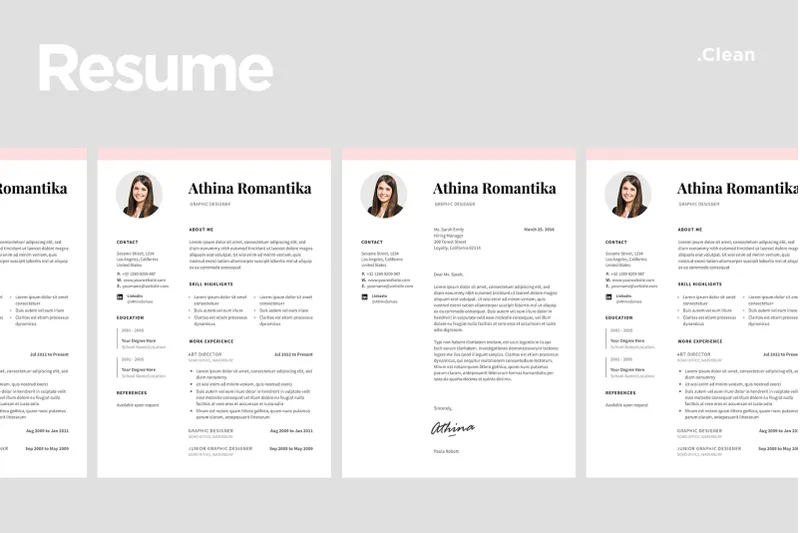
Understanding the Importance of Cover Letter & Resume Matching
In the competitive world of job applications, every detail counts. Your cover letter and resume are the initial introductions you make to potential employers, and they must work in perfect harmony to showcase your qualifications. A well-matched cover letter and resume create a cohesive narrative, illustrating a clear and compelling picture of your skills, experiences, and suitability for the role. When these two documents align effectively, they increase your chances of capturing the recruiter’s attention and moving forward in the hiring process. It’s about more than just listing your accomplishments; it’s about telling a story that resonates with the employer’s needs and expectations. A mismatch can create confusion and raise red flags, potentially leading to your application being overlooked. Investing time in ensuring your cover letter and resume complement each other is a critical step in any successful job search.
Why Matching is Critical for Job Applications
The primary goal of your cover letter and resume is to secure an interview. A strong match between these two documents significantly improves your chances of achieving this goal. The cover letter provides the context and narrative, highlighting your key skills and experiences, while the resume offers a detailed overview of your work history and qualifications. When they align, they create a comprehensive and convincing argument for why you are the ideal candidate. This synergy demonstrates your attention to detail, organizational skills, and genuine interest in the position. Recruiters often use both documents to assess your suitability, looking for consistent messaging and supporting evidence. Inconsistent information or conflicting statements can create doubt and undermine your credibility. By ensuring your cover letter and resume match, you present a unified and professional image, making a positive first impression and increasing your chances of moving forward in the application process. A well-matched cover letter and resume are essential tools in the job search toolkit.
How Recruiters Evaluate Cover Letters & Resumes

Recruiters and hiring managers use a systematic approach to evaluate cover letters and resumes. Initially, they scan for the most critical information: relevant skills, experience, and achievements. They look for a clear indication that you understand the job requirements and possess the necessary qualifications. Matching between the documents is a key factor. Recruiters scrutinize both the cover letter and resume to see if the information presented is consistent and mutually supportive. They examine the language used, the keywords employed, and the overall tone to assess your fit for the company culture and the specific role. Any inconsistencies, such as differing dates of employment, mismatched job titles, or conflicting skills, can be major red flags. The recruiter will also assess your writing style, grammar, and formatting to gauge your attention to detail and professionalism. A well-crafted and matching cover letter and resume show that you have taken the time to carefully present yourself as the ideal candidate, making a positive and lasting impression on the recruiter.
Top 7 Tips to Ensure Your Cover Letter & Resume Match
Ensuring your cover letter and resume match requires a strategic and meticulous approach. These tips will guide you through the process, from highlighting key skills to emphasizing your value proposition. Focusing on these areas will dramatically improve your application and increase your chances of landing an interview.
Tip 1 Highlight Relevant Skills and Experience
Your cover letter should immediately highlight the skills and experiences most relevant to the job you’re applying for. Start by carefully reviewing the job description and identifying the key requirements. Then, in your cover letter, explicitly mention how your skills align with these needs. Use specific examples from your resume to support your claims. For instance, if the job requires project management skills, briefly describe a project you led, the challenges you faced, and the positive outcomes. This creates a clear and compelling connection between your qualifications and the employer’s needs, showing them that you are a strong match. The resume will then go into greater detail about these skills, providing a more extensive overview of your experience. By making this connection clear from the beginning, you capture the recruiter’s attention and ensure they understand your suitability for the role. Make sure that the language and keywords used are consistent across both documents.
Tip 2 Tailor Your Cover Letter to the Job Description

Generic cover letters are easily spotted and often discarded. Customize each cover letter to the specific job you are applying for, referencing the job description throughout. Show that you have carefully read and understood the requirements of the position. Address the specific needs of the employer and explain how your skills and experiences meet those needs. Instead of using a template, personalize your letter by mentioning the company’s name, its mission, or any recent projects that resonate with you. This shows that you have done your research and are genuinely interested in the position. Make sure to mirror the language and keywords from the job description in your cover letter, as many companies use applicant tracking systems (ATS) that scan for these terms. Tailoring your cover letter not only demonstrates your attention to detail but also significantly increases your chances of passing the initial screening and getting noticed by the hiring manager. This will set you apart from the many applicants using generic cover letters.
Tip 3 Use Consistent Formatting and Style
Consistency in formatting and style is crucial for both your cover letter and resume. This creates a professional and polished appearance and makes your application easier to read and digest. Use the same font, font size, and margin settings in both documents. Maintain consistent use of bullet points, headings, and spacing. If you are using a particular style for your resume, such as a functional or chronological format, ensure your cover letter complements that style. For example, if your resume is highly detailed, keep your cover letter concise and focused. By adhering to a consistent format, you show attention to detail and create a cohesive presentation of your qualifications. The goal is to provide a unified and professional look that enhances the reader’s experience and reflects positively on your organizational skills. This consistency also makes it easier for the recruiter to compare the two documents and see the alignment in your presentation.
Tip 4 Mirror Keywords from the Resume
One of the most effective ways to ensure your cover letter and resume match is to mirror the keywords used in your resume. Carefully review the job description and your resume, identifying the most important skills, experiences, and qualifications. Then, incorporate these keywords into your cover letter in a natural and contextually appropriate manner. This not only helps your application pass through applicant tracking systems but also ensures that the recruiter quickly sees the connection between your qualifications and the job requirements. Use the same terminology and phrasing when describing your skills and accomplishments. For instance, if your resume mentions ‘project management,’ your cover letter could say, ‘My experience in project management aligns perfectly with the project leadership needs…’. The consistent use of keywords demonstrates your understanding of the role and your ability to communicate effectively. By mirroring keywords, you reinforce the key elements of your resume and make your application more impactful and relevant to the hiring manager.
Tip 5 Showcase Quantifiable Achievements

Quantifiable achievements make a significant impact in both your cover letter and resume. Instead of simply stating your responsibilities, provide measurable results that demonstrate the value you brought to previous roles. For example, instead of saying ‘Managed social media campaigns,’ you could write ‘Increased social media engagement by 40% within six months.’ Use numbers and data to showcase your accomplishments whenever possible. This makes your claims more credible and provides a clear understanding of your abilities. In your cover letter, briefly highlight your most significant achievements, then provide more detail in your resume. The goal is to provide concrete evidence that supports your claims and proves your capacity to deliver results. By quantifying your achievements, you not only capture the recruiter’s attention but also make a compelling case for why you are the best candidate for the job.
Tip 6 Proofread Both Documents Meticulously
Proofreading is a critical step in ensuring your cover letter and resume match and project a professional image. Errors in grammar, spelling, and punctuation can undermine your credibility and give the impression that you lack attention to detail. Carefully review both documents for any mistakes, and consider using proofreading tools such as Grammarly. Read your documents aloud to catch any awkward phrasing or sentence structures. It is often helpful to have a friend or colleague review your cover letter and resume as a fresh pair of eyes can easily identify errors you might have missed. By taking the time to proofread meticulously, you ensure that your application is free of errors and projects a professional image. Remember, your cover letter and resume are a reflection of your work ethic and attention to detail. A well-proofread application demonstrates that you value precision and are committed to excellence.
Tip 7 Emphasize Your Value Proposition
Your value proposition is what you offer to the employer—the unique benefits and contributions you can make. In both your cover letter and resume, clearly articulate your value proposition. Identify your key skills, experiences, and achievements and explain how they align with the company’s needs and goals. In your cover letter, you can provide a brief summary of your value proposition, followed by specific examples from your resume that support your claims. For instance, you might say, “My expertise in project management and my proven ability to deliver projects on time and within budget make me a strong candidate for this role.” In your resume, highlight these key achievements with quantifiable data to substantiate your claims. By emphasizing your value proposition, you are positioning yourself as the solution to the employer’s problems. This is a crucial element in ensuring that your cover letter and resume work together to convey your suitability for the job and to distinguish you from other applicants.
Common Mistakes to Avoid in Cover Letter and Resume Matching

Avoiding common mistakes is as important as following best practices when matching your cover letter and resume. These errors can undermine your efforts and lead to your application being rejected.
Mismatching Content and Information
One of the most critical mistakes to avoid is mismatching the content and information between your cover letter and resume. Ensure that all the details presented in your cover letter are supported by your resume and vice versa. Inconsistencies, such as different dates of employment, conflicting job titles, or missing information, can confuse the recruiter and raise doubts about the accuracy of your application. For instance, if your cover letter mentions a specific project you led, that project should also be detailed in your resume, including your role, responsibilities, and results. The cover letter serves as an introduction and highlights key achievements, while the resume provides a more detailed overview. Ensure that both documents tell the same story about your experience and qualifications.
Ignoring Formatting Consistency
Ignoring formatting consistency is a common error that can detract from the professionalism of your application. Inconsistent formatting in your cover letter and resume can make it difficult for the reader to quickly grasp the key information. Use the same font, font size, and margin settings in both documents. Maintain a consistent use of bullet points, headings, and spacing. If your resume uses a certain format, ensure that your cover letter complements it. For example, if your resume is formatted chronologically, your cover letter should also follow a logical order. Consistency in formatting demonstrates attention to detail and creates a more polished appearance. This will make it easier for the recruiter to review your application and focus on the content, rather than getting distracted by inconsistencies.
Overlooking Keyword Alignment

Overlooking keyword alignment is a significant error that can prevent your application from reaching the hiring manager. Applicant tracking systems (ATS) scan resumes and cover letters for specific keywords and phrases, and if your documents do not contain these, your application may be automatically rejected. Carefully review the job description and identify the key skills, experiences, and qualifications mentioned. Make sure to incorporate these keywords into both your cover letter and resume in a natural and contextually appropriate manner. Use the same terminology and phrasing to describe your skills and accomplishments. By ensuring keyword alignment, you increase the chances that your application will be seen by a human reviewer. Not only will this help you get past the initial screening, but it will also demonstrate your understanding of the role’s requirements and your ability to communicate effectively.
How to Revise and Refine Your Documents for a Perfect Match
Revising and refining your cover letter and resume requires a systematic approach. It is essential to ensure that your documents are perfectly matched and convey a cohesive narrative. Here’s how you can do this effectively.
Best Practices for Cover Letter and Resume Review
To ensure that your cover letter and resume are perfectly matched, follow these best practices during your review process. First, review the job description to clearly understand the specific requirements of the position. Then, compare the job description against your resume and cover letter, looking for alignment and consistency. Ensure that you are using the same language and terminology and that all the key information is present in both documents. Make sure the most relevant skills and experiences are highlighted and that quantifiable achievements are included wherever possible. Read both documents carefully, and correct any inconsistencies or errors. Consider having a friend or career advisor review your application for a fresh perspective. By carefully reviewing your documents and following these best practices, you will significantly increase your chances of creating a compelling application that highlights your suitability for the job and lands you an interview. Remember that matching your cover letter and resume is about more than just listing skills; it is about creating a unified and compelling narrative.