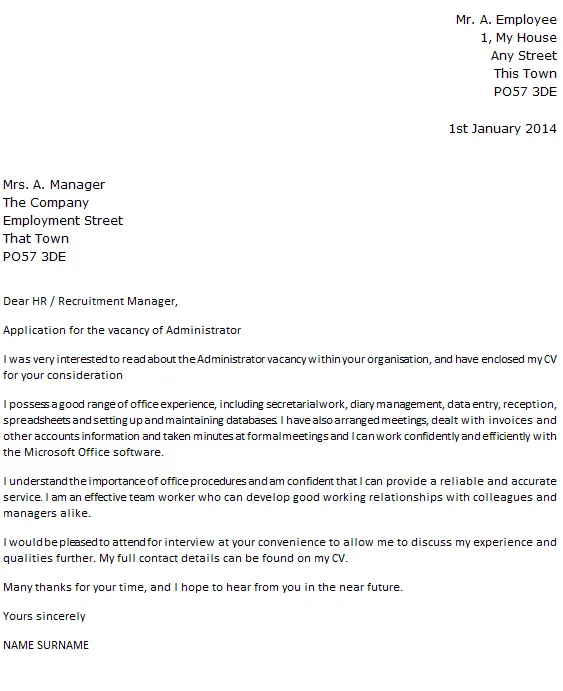
Crafting a Compelling Cover Letter Office Job
In the competitive landscape of job applications, a well-crafted cover letter is your first opportunity to make a positive impression and stand out from other candidates vying for the same office job. It’s more than just a formality; it’s a chance to showcase your personality, qualifications, and enthusiasm for the role. A compelling cover letter office job immediately grabs the reader’s attention and entices them to delve deeper into your application. It needs to go beyond a simple recitation of your resume. Think of it as a narrative, a story that highlights your unique value proposition and demonstrates why you are the ideal fit for the specific office job. By strategically structuring your letter and focusing on what makes you a standout applicant, you’ll significantly increase your chances of securing an interview.
Highlighting Relevant Skills and Experience
One of the most important aspects of a cover letter office job is highlighting your relevant skills and experience. The goal is to demonstrate how your past experiences have prepared you for this specific role. Start by carefully reviewing the job description and identifying the key skills and qualifications the employer is seeking. Then, in your cover letter, provide specific examples of how you have successfully utilized these skills in previous roles. This can include proficiency in administrative tasks, communication skills, organizational skills, and any software or technical abilities required. Avoid simply listing your skills; instead, provide brief anecdotes that showcase how you have applied those skills to achieve positive outcomes. For example, if the job description mentions the ability to manage multiple projects, you could describe a situation where you successfully coordinated several projects simultaneously, meeting deadlines and achieving targets. The more targeted you make it, the more appealing it is.
Identifying Transferable Skills

Even if your previous experience isn’t directly related to the specific office job, it’s crucial to identify and highlight transferable skills. Transferable skills are those abilities that can be applied in various roles and industries, such as communication, problem-solving, time management, and teamwork. For example, experience in customer service can translate to strong communication and interpersonal skills, which are valuable in any office environment. Similarly, experience in project management or event planning can demonstrate organizational and leadership capabilities. To effectively identify your transferable skills, analyze the requirements of the office job, identify skills gaps, and think of times you applied skills in a similar fashion to bridge those gaps. Use action verbs to showcase your achievements and the skills you have acquired, and the results you’ve achieved. This approach strengthens your candidacy and makes your application stand out. It provides the recruiter or hiring manager a great understanding of your skills and the value you will bring.
Showcasing Achievements and Quantifiable Results
Instead of simply listing responsibilities, your cover letter should emphasize your achievements and the quantifiable results you have delivered in previous roles. This approach proves your value to the employer and shows that you can effectively contribute to the success of the company. Whenever possible, use data and metrics to illustrate your achievements. For example, you might mention that you “increased customer satisfaction scores by 15% through improved communication and problem-solving skills” or “reduced office expenses by 10% through effective budget management.” By quantifying your accomplishments, you provide concrete evidence of your capabilities and make a strong case for why you are a valuable asset. Specific achievements in office jobs can be related to streamlining processes, improving efficiency, or contributing to a positive work environment. The use of numbers and metrics captures the reader’s attention and adds credibility to your claims, making your cover letter far more compelling and memorable.
Demonstrating Proficiency in Office Software
Many office jobs require proficiency in various software applications. Explicitly mentioning your experience with the relevant software is essential. Review the job description and identify the specific software programs the employer requires. Include your proficiency level in your cover letter, and if possible, provide examples of how you have used those tools in past roles. This could include experience with Microsoft Office Suite (Word, Excel, PowerPoint, Outlook), project management software (like Asana or Trello), customer relationship management (CRM) systems, or any industry-specific software. If you are certified in any software programs, be sure to mention those certifications as well. A strong demonstration of software proficiency makes you a more attractive candidate, signaling that you are prepared and ready to contribute from day one.
Tailoring Your Cover Letter for the Office Job

A generic cover letter that is sent to every job application is unlikely to make a strong impression. To stand out, you must tailor your cover letter for each office job you apply for. Customization shows that you are genuinely interested in the specific opportunity and have taken the time to research the company and the role. Tailoring your letter involves several steps: researching the company and job requirements, analyzing the job description for keywords, and customizing your cover letter content to match the specific needs and expectations of the employer. By taking the time to tailor your cover letter, you demonstrate that you are a thoughtful and dedicated candidate, which significantly increases your chances of getting an interview. This commitment will set you apart from those applicants that use generic applications.
Researching the Company and Job Requirements
Before you start writing your cover letter, research the company and the specific job requirements. Visit the company’s website, read their “About Us” section, and explore their social media presence to gain a better understanding of their mission, values, and culture. This information will help you tailor your cover letter to align with the company’s goals and demonstrate your genuine interest. Simultaneously, carefully review the job description, paying close attention to the skills, experience, and qualifications the employer is seeking. Understanding the company’s needs and the job requirements is essential for writing a cover letter that directly addresses the employer’s needs. This research helps you choose what information to include and how to present it, ensuring that your letter resonates with the hiring manager and demonstrates that you are the right fit for the role and the company.
Analyzing the Job Description for Keywords
The job description is a goldmine of information. One of the most effective ways to tailor your cover letter is to analyze the job description for important keywords. Identify the key skills, qualifications, and requirements the employer is emphasizing. Then, incorporate these keywords naturally throughout your cover letter. This shows that you understand the role and that your skills and experience align with what the employer is seeking. However, don’t simply stuff keywords into your letter; ensure that they fit naturally within the context of your sentences and that they enhance the flow of your writing. Using keywords strategically will help your cover letter get past applicant tracking systems (ATS) and capture the attention of hiring managers who are scanning applications for specific criteria. Focusing on keywords will help in your application’s review.
Customizing Your Cover Letter Content

Once you’ve researched the company and analyzed the job description, you can customize your cover letter content to match the specific requirements of the role. Use the information gathered to highlight your most relevant skills and experiences. In the opening paragraph, explain why you are interested in this specific job and why you are a good fit for the company. In the body of your letter, provide concrete examples of how you have demonstrated the skills and qualities the employer is seeking, referring to past achievements and quantifiable results. Finally, customize the closing paragraph by reiterating your interest and expressing your enthusiasm for the opportunity. Remember to use the company’s name and address the letter to the appropriate person. Demonstrating an understanding of the company’s needs and culture makes your application more compelling. It shows you are interested in the opportunity and makes it easier for the hiring manager to see you in the role.
Formatting and Presentation for an Office Job Cover Letter
The formatting and presentation of your cover letter is just as important as its content. A well-formatted and visually appealing cover letter makes a positive impression on the reader. Poor formatting can make your letter look unprofessional, and it can hurt your chances. It demonstrates attention to detail, professionalism, and respect for the reader’s time. Choosing the right font, ensuring clarity and readability, and proofreading your letter for perfection are critical steps in creating a polished and effective cover letter. Take the time to create a great layout and to use your best writing skills to stand out from other applicants. This is your opportunity to make a good first impression and to present yourself in the best possible light. Follow these guidelines and the formatting and presentation will help make your cover letter stand out.
Choosing the Right Font and Formatting
The choice of font and formatting can significantly impact the readability and appearance of your cover letter. Choose a professional and easy-to-read font, such as Times New Roman, Arial, Calibri, or Georgia. Keep the font size between 10 and 12 points. Use clear headings and subheadings to organize your content and make it easier for the reader to scan. Use bullet points to highlight key skills, experiences, and accomplishments. Use a consistent layout with appropriate margins (1 inch on all sides) and line spacing (1.15 or 1.5). Ensure there is enough white space to make the letter appear less crowded and more appealing. Keep your writing concise and avoid overly long paragraphs. A well-formatted letter is easier on the eyes and is more likely to be read carefully. Consistency is key, so choose a format that fits your personality and the brand of the company you are applying to.
Ensuring Clarity and Readability

The clarity and readability of your cover letter are critical for conveying your message effectively. Use clear, concise language and avoid overly complex sentences. Avoid jargon or technical terms that the reader may not understand, unless they are directly relevant to the job. Use active voice and strong action verbs to make your writing more engaging and dynamic. Break up long paragraphs into shorter, more manageable chunks. Proofread your letter carefully to eliminate any grammatical errors, spelling mistakes, or typos. Make sure your letter flows logically and the information is presented clearly and concisely. Avoid using slang or informal language. The goal is to make it easy for the reader to understand your qualifications and see you as a strong candidate for the job.
Proofreading and Editing for Perfection
Proofreading and editing your cover letter is essential to ensure it is free from errors and presents you in the best possible light. Typos, grammatical errors, and formatting mistakes can undermine your credibility and make you appear unprofessional. Before you submit your cover letter, carefully proofread it at least twice. Check for spelling, grammar, punctuation, and sentence structure errors. Read your letter out loud to catch any awkward phrasing or unclear sentences. Ask a friend, family member, or career counselor to review your cover letter and provide feedback. Ensure that your contact information is correct. A polished and error-free cover letter demonstrates your attention to detail and commitment to excellence, which are valuable qualities in any office job. Every detail counts, so never skip this critical step. It makes a big difference.
Making a Strong Impression
Your cover letter is your opportunity to make a strong first impression. A well-written letter that grabs the reader’s attention increases your chances of getting an interview. By writing a powerful opening, using action verbs and positive language, and closing with confidence and a call to action, you can create a compelling cover letter that sets you apart from other candidates. The impact of your cover letter goes beyond the words on the page; it showcases your personality, your communication skills, and your enthusiasm for the role. It is your chance to make the case for why you are the perfect fit for the job and for the company. This is an important piece of your application, so you want to take the time to create something great.
Writing a Powerful Opening

The opening paragraph of your cover letter is the first thing the hiring manager will read, so it’s critical to make it count. Start with a strong hook that immediately grabs the reader’s attention. This could be an enthusiastic statement about the role, a reference to a mutual connection, or a compelling achievement that demonstrates your value. Clearly state the position you are applying for and where you saw the job posting. Briefly highlight your most relevant skills and experience and explain why you are a great fit for the job. Show your enthusiasm for the opportunity and the company. Avoid generic openings such as “I am writing to express my interest.” Instead, aim for an opening that is engaging, personalized, and directly relevant to the specific role. A well-crafted opening sets the tone for the rest of your cover letter and encourages the reader to learn more about your qualifications. It’s the first step to making a great impression.
Using Action Verbs and Positive Language
Throughout your cover letter, use action verbs and positive language to create a dynamic and engaging narrative. Action verbs bring your accomplishments to life and show what you did in previous roles. Choose verbs that are specific and descriptive, such as “managed,” “coordinated,” “implemented,” “achieved,” or “improved.” Avoid passive language and focus on showcasing your skills, achievements, and the positive impact you had in previous roles. Use positive language to create an enthusiastic and optimistic tone. Instead of saying what you haven’t done, focus on what you have accomplished and what you are capable of. This approach makes your cover letter more compelling and demonstrates your confidence and professionalism. Make sure you incorporate your keywords to ensure that you meet the requirements in the job description. These elements will make your cover letter shine.
Closing with Confidence and a Call to Action
The closing paragraph of your cover letter should leave a lasting positive impression. Reiterate your interest in the position and the company, and thank the reader for their time and consideration. Express your enthusiasm for the opportunity to learn more about the role. Include a clear call to action by stating that you are available for an interview and providing your contact information. Make it easy for the hiring manager to take the next step. It is important to show that you are eager to move forward in the hiring process. Ending with a confident and professional tone reinforces your qualifications and demonstrates that you are a serious candidate for the office job.
Conclusion

Crafting a standout cover letter for an office job is crucial for making a positive first impression and securing an interview. By focusing on your relevant skills, showcasing your achievements, tailoring your letter to each job, and presenting it with care, you can create a compelling application that stands out from the competition. Remember to proofread your letter, use action verbs, and close with confidence. Following these guidelines will help you create a cover letter that showcases your value and helps you land your dream office job. Good luck!